As Australia’s fastest-growing urban corridor expands, crane hire decisions have become a quiet measure of how efficiently—and safely—cities are built.
On any weekday morning, the skyline of Western Sydney tells a story that extends well beyond steel, concrete, and construction schedules. Tower cranes stand above residential precincts, mobile cranes move between transport projects, and lifting operations unfold across industrial estates that barely existed a decade ago. To many people, these machines are simply part of the background. Yet for the engineers, planners, and project managers responsible for Australia’s growing cities, the choice of crane is increasingly becoming one of the most consequential decisions made before construction even begins.
The conversation is no longer about simply finding equipment capable of lifting heavy loads. It is about navigating tighter urban environments, stricter safety expectations, evolving regulations, labour shortages, and increasingly compressed project timelines. In this environment, city crane hire Western Sydney reflects something larger than equipment procurement—it illustrates how infrastructure projects are adapting to a rapidly changing construction landscape.
Urban Growth Is Changing the Construction Equation
Western Sydney has become one of Australia’s most significant infrastructure corridors. New transport links, logistics facilities, residential communities, healthcare precincts, and commercial developments are being delivered simultaneously across multiple municipalities. The scale of activity creates opportunities, but it also introduces unprecedented logistical complexity.
Construction sites are no longer isolated parcels of land with generous working areas. Many projects are surrounded by operating roads, neighbouring developments, active businesses, and existing public infrastructure. Every delivery, every lift, and every piece of machinery must fit within carefully coordinated schedules that minimise disruption while maintaining productivity.
That changing environment has quietly elevated crane planning from an operational detail to a strategic project consideration. Equipment selection increasingly influences site layout, construction sequencing, labour coordination, and even project risk management.
Rather than viewing cranes as interchangeable assets, today’s construction teams are evaluating lifting solutions according to the unique physical constraints of each project.
Different Projects Demand Different Lifting Strategies
A transport upgrade spanning several locations requires very different lifting capabilities than a residential tower rising from a constrained urban block. That distinction explains why crane hire has become increasingly specialised.
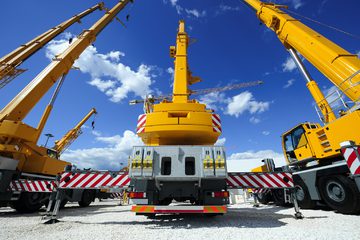
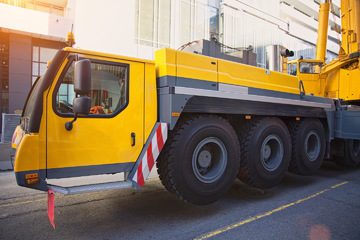
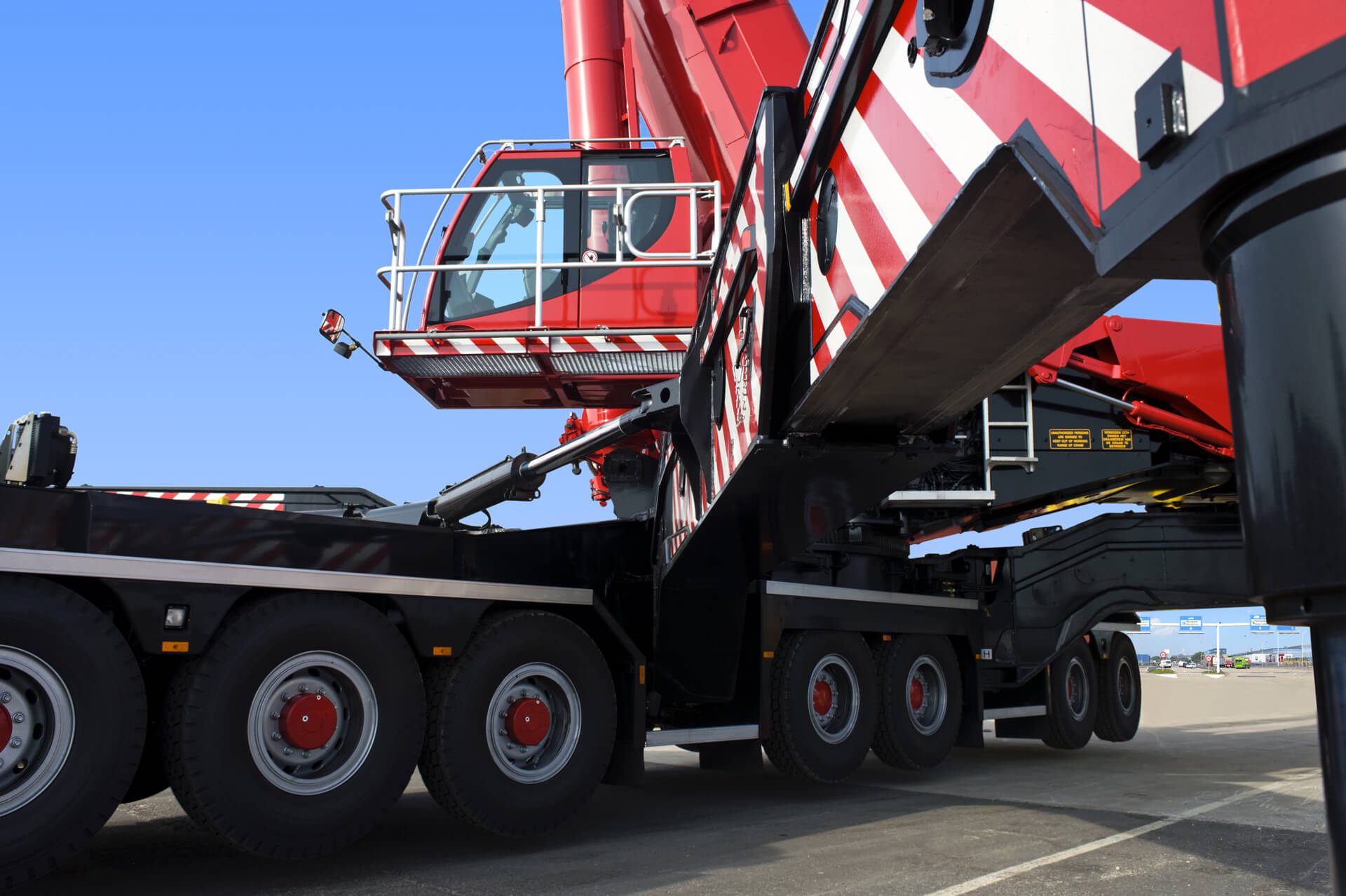
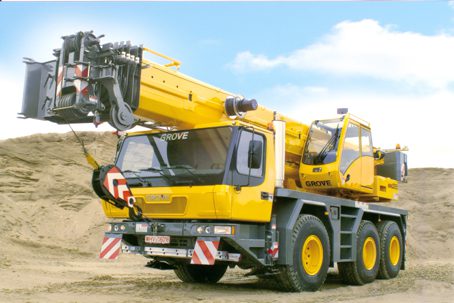
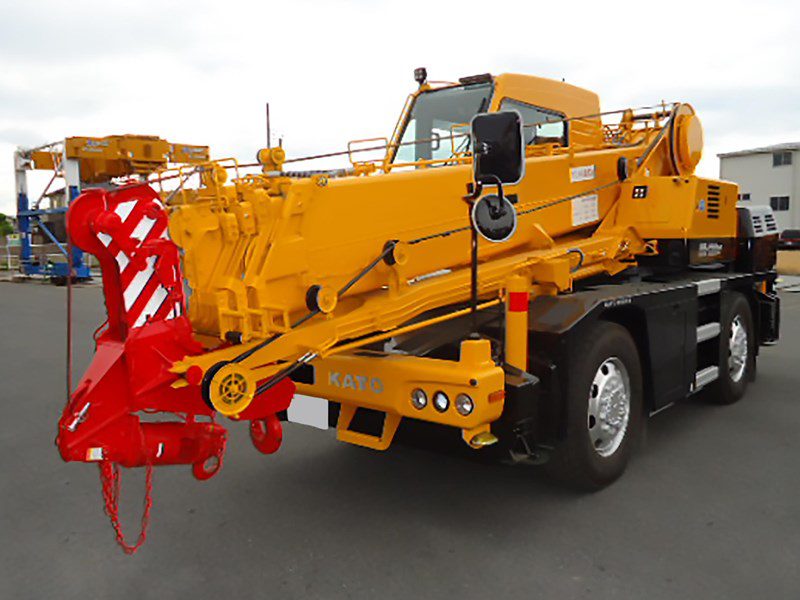
For projects involving multiple work zones, bridge maintenance, infrastructure upgrades, or industrial installations, mobile crane hire continues to provide the flexibility modern construction increasingly demands. Mobile cranes can relocate quickly between sites, minimise mobilisation delays, and support projects where lifting requirements change frequently throughout construction.
Their versatility makes them particularly valuable during infrastructure programs where multiple contractors operate simultaneously across dispersed locations.
The picture changes considerably once construction moves upward.
High-rise residential developments, hospitals, commercial buildings, and mixed-use precincts typically require continuous lifting capacity over many months. In these environments, tower crane hire offers the sustained efficiency needed to move structural steel, concrete elements, prefabricated components, and building materials throughout the entire construction cycle.
Because tower cranes remain installed for extended periods, they become integrated into the project’s sequencing rather than simply supporting it. Their placement affects everything from material storage to workforce movement and delivery schedules.
The most challenging environments, however, often emerge in Australia’s densest urban locations.
As available construction sites become smaller and surrounding developments grow taller, luffing crane hire has become increasingly relevant for projects where operating space is severely restricted. Unlike conventional tower cranes with wide jib rotations, luffing cranes can raise and lower their jib angle, allowing lifting operations to occur within much tighter airspace.
For developments positioned alongside occupied buildings, transport corridors, or neighbouring construction sites, that additional level of control can significantly improve operational flexibility while reducing interference with surrounding properties.
The equipment itself has not fundamentally changed the industry’s objectives. Instead, Australia’s urban form has changed the environments in which lifting must occur.
Technology Is Making Crane Decisions More Strategic
Behind the visible machinery, crane operations are becoming increasingly data-driven.
Modern lifting equipment is commonly equipped with GPS positioning, digital load monitoring, telematics, and real-time diagnostic systems that provide operators and project managers with greater visibility into equipment performance. These technologies improve planning, reduce unexpected downtime, and support preventative maintenance before mechanical issues interrupt project schedules.
Digital lift planning has also become more sophisticated.
Instead of relying solely on engineering drawings and manual calculations, project teams increasingly simulate lifting operations using three-dimensional modelling before equipment even arrives on site. This allows planners to identify clearance issues, optimise crane positioning, and coordinate multiple contractors working within confined construction zones.
As projects become larger and delivery schedules tighter, these digital tools are becoming less of a competitive advantage and more of an operational expectation.
Regulation Is Raising the Standard Across the Industry
Australia’s regulatory environment has evolved alongside these technological changes.
State workplace safety regulators and nationally recognised standards increasingly emphasise competency, documented lift planning, equipment maintenance, and ongoing operator training. Rather than treating compliance as an administrative exercise, the industry has gradually shifted toward integrating safety into project planning from the earliest design stages.
Many crane operators now implement comprehensive inspection programs supported by digital maintenance records and electronic reporting systems. Load management technologies provide additional oversight during complex lifting operations, while improved communication systems help coordinate personnel working across increasingly complicated sites.
This evolution reflects a broader change in construction culture. Safety is no longer viewed as something that happens once equipment reaches site. It is becoming embedded throughout procurement, planning, engineering, and daily project management.
For infrastructure clients and developers alike, that shift reduces uncertainty while improving confidence in project delivery.
Western Sydney Reflects a National Trend
Although Western Sydney represents one of Australia’s busiest construction markets, the challenges emerging across the region are increasingly visible nationwide.
Population growth continues to intensify demand for housing, transport infrastructure, healthcare facilities, logistics hubs, renewable energy projects, and advanced manufacturing precincts. At the same time, urban density limits available construction space, environmental expectations continue rising, and skilled labour remains difficult to secure across many specialist trades.
Within that context, crane hire has become an indicator of broader project strategy rather than a standalone procurement decision.
Selecting the appropriate lifting solution now influences scheduling efficiency, workforce productivity, environmental performance, community disruption, and overall project resilience. Those considerations extend well beyond construction sites, affecting how quickly cities deliver essential infrastructure to growing populations.
The cranes visible across Western Sydney therefore represent more than construction activity. They reflect an industry adapting to changing economic realities, technological capability, and urban design.
As Australia’s cities continue expanding, the cranes themselves may remain familiar features of the skyline. The thinking behind where they operate, how they are selected, and how they are integrated into increasingly complex projects will continue evolving. In many respects, the future of Australian construction will be shaped not only by what is built, but by the increasingly strategic decisions that make those projects possible long before the first lift ever takes place.