Western Sydney’s skyline tells a story that extends far beyond steel, concrete, and glass. Across industrial precincts, transport corridors, residential developments, and commercial estates, construction projects are advancing at a pace few regions in Australia have experienced before. Yet behind every successful lift lies a decision that rarely attracts public attention: selecting the right crane for the right environment. Increasingly, that discussion has brought franna crane hire western Sydney into focus, not as a matter of convenience, but as an important operational strategy in a region where efficiency, safety, and accessibility shape project outcomes.
The demands placed on construction teams in Western Sydney have changed considerably over the past decade. Urban expansion continues while existing infrastructure must remain operational. Contractors often work within live industrial facilities, active road networks, and confined commercial sites where prolonged equipment setup is impractical. In these circumstances, the ability to move quickly between lifting tasks without extensive preparation has become a genuine competitive advantage.
This shift reflects broader trends across Australia’s construction industry. Population growth, major transport investments, and industrial development have accelerated project schedules while simultaneously increasing regulatory oversight. Every lifting operation now requires more comprehensive planning, stronger safety management, and better coordination between contractors. Equipment selection has therefore become an early strategic decision rather than a last-minute logistical consideration.
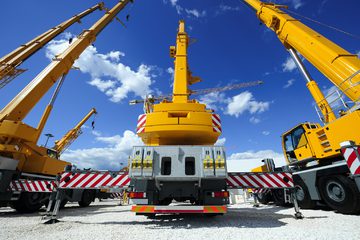
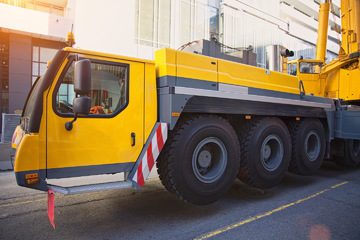
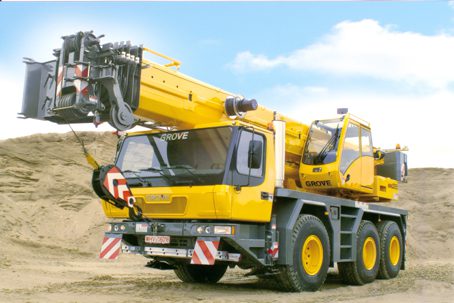
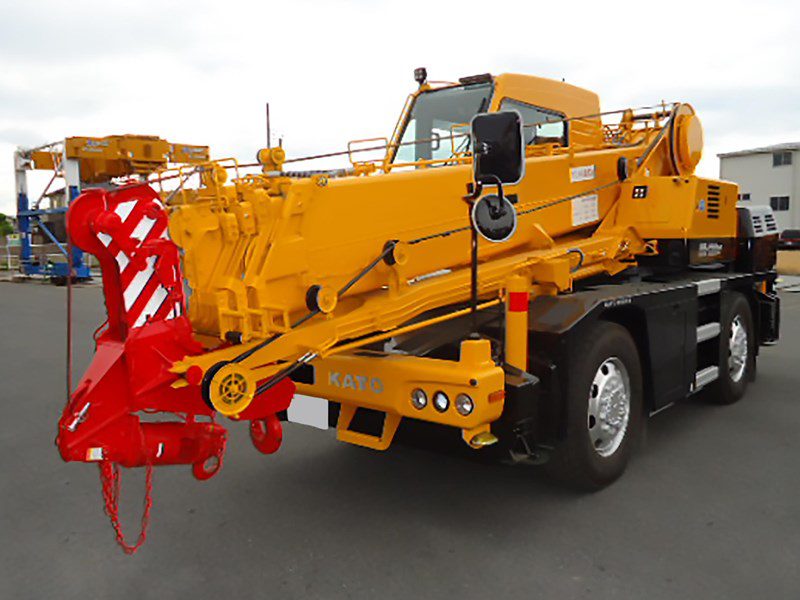
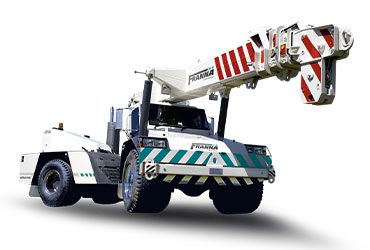
Among the various lifting solutions available, Franna cranes occupy a distinctive position because they combine lifting capability with mobility. Unlike larger cranes that often require transport vehicles and lengthy assembly processes, Franna cranes are designed to travel around worksites while carrying loads within specified operating parameters. That flexibility makes them particularly valuable for projects where lifting locations frequently change throughout the working day.
This explains why franna crane hire western Sydney has become increasingly relevant across industrial estates, warehouse developments, logistics centres, and infrastructure upgrades. Rather than positioning a crane in one location for extended periods, project teams can complete multiple lifting operations across different sections of a site without repeatedly dismantling and relocating equipment. The result is often improved workflow rather than simply faster lifting.
Western Sydney presents unique construction challenges that reinforce this approach. The region contains established manufacturing precincts, expanding residential communities, major freight corridors, and extensive commercial redevelopment. Each project introduces different constraints regarding site access, available working space, traffic management, and construction sequencing. Equipment capable of adapting to these varying conditions naturally becomes an attractive option for project managers seeking operational efficiency.
However, selecting a Franna crane is not simply about mobility. Modern lifting operations demand detailed risk assessments, careful load planning, and compliance with evolving Australian safety standards. Site supervisors must consider ground conditions, load characteristics, exclusion zones, weather influences, and operator competency before every significant lift. As regulations continue to evolve, successful crane operations increasingly depend upon planning quality rather than lifting capacity alone.
Technology has further transformed these expectations. Digital load monitoring systems, electronic safety controls, GPS fleet management, and improved communication platforms now provide project teams with greater visibility over lifting operations. These technologies support better decision-making while helping operators maintain compliance with increasingly rigorous workplace safety requirements. Many contractors now view digital monitoring as an essential component of responsible lifting management rather than an optional enhancement.
While Franna cranes provide exceptional flexibility, they represent only one part of Australia’s broader lifting landscape. Large commercial towers and residential high-rises continue to depend upon tower cranes that remain fixed for months while supporting continuous vertical construction. Their ability to repeatedly move substantial volumes of material across extensive building footprints makes them indispensable for long-duration developments.
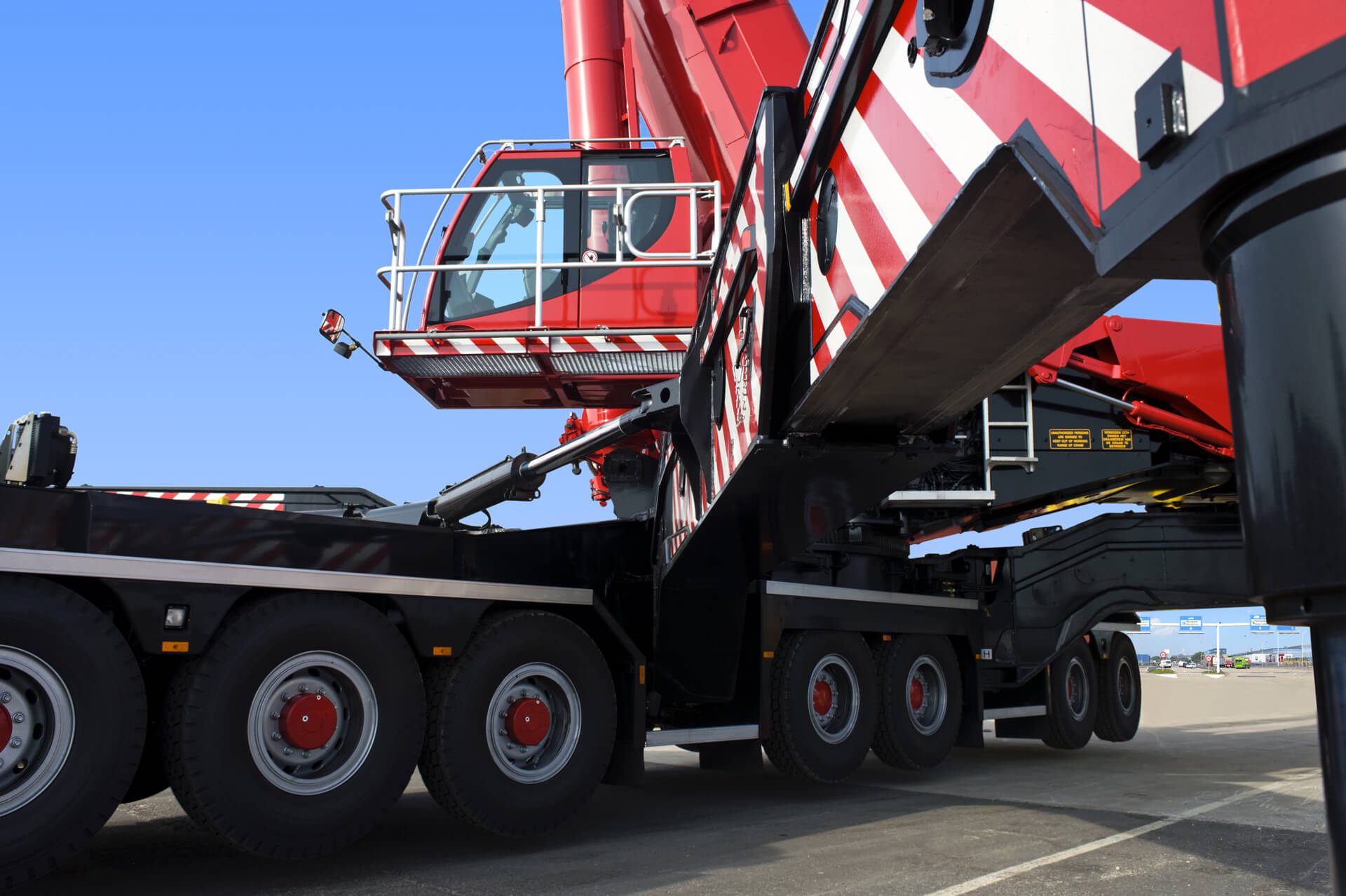
Similarly, mobile crane hire continues to serve projects requiring versatility across multiple locations or where heavier lifting capacities are necessary. Civil infrastructure projects, bridge construction, utility installations, and industrial shutdowns often benefit from mobile cranes capable of handling diverse lifting requirements while travelling efficiently between worksites. The selection process therefore depends less on identifying the “best” crane and more on matching equipment capabilities with project constraints.
Dense metropolitan environments introduce yet another challenge. Space limitations, surrounding buildings, and restricted airspace frequently require luffing tower cranes capable of operating within confined urban environments. These specialised cranes allow construction to continue where conventional tower crane configurations may not be practical. Their growing use across Australia’s larger cities reflects the increasing complexity of modern urban development rather than simply technological advancement.
Western Sydney illustrates how these different lifting solutions frequently coexist on major developments. Large infrastructure projects may employ tower cranes for structural construction, mobile cranes for heavy component installation, and Franna cranes for ongoing site logistics and material handling. Each crane contributes differently to project delivery, reinforcing the importance of thoughtful procurement decisions rather than standardised equipment selection.
Another factor influencing franna crane hire western Sydney is workforce availability. Australia’s construction industry continues to experience skilled labour shortages across several disciplines, including qualified crane operators and lifting specialists. These workforce pressures encourage companies to maximise operational efficiency through improved planning, better equipment utilisation, and technologies that support safer, more predictable lifting activities. Equipment capable of reducing unnecessary downtime naturally aligns with these broader industry priorities.
Environmental considerations also influence lifting strategies. Contractors increasingly seek methods that reduce unnecessary equipment movements, minimise idle operating time, and improve fuel efficiency without compromising productivity. While cranes alone cannot determine a project’s environmental performance, thoughtful equipment selection contributes to broader sustainability objectives by reducing operational inefficiencies throughout construction programmes.
Government investment further strengthens the importance of effective lifting strategies. Major road upgrades, freight infrastructure, rail improvements, healthcare facilities, educational institutions, and industrial developments continue to reshape Western Sydney’s economic landscape. Delivering these projects on schedule requires dependable lifting solutions capable of adapting to changing construction phases without disrupting surrounding communities or project timelines.
Ultimately, conversations about cranes are becoming conversations about infrastructure resilience, workforce capability, and urban planning. Decisions made during procurement increasingly influence project safety, scheduling certainty, operational efficiency, and long-term construction outcomes. That evolution explains why equipment selection receives greater attention today than it did even a decade ago.
As Western Sydney continues its transformation into one of Australia’s most significant economic regions, lifting operations will remain fundamental to how that growth is delivered. The growing relevance of franna crane hire western Sydney reflects a broader shift within Australian construction—one where flexibility, safety, technological integration, and careful planning matter as much as lifting capacity itself. The cranes visible across the skyline may represent physical progress, but the decisions behind their deployment increasingly reveal how Australia’s construction industry is adapting to the demands of a faster, denser, and more strategically complex future.