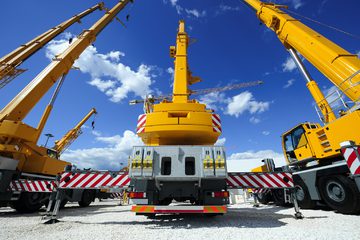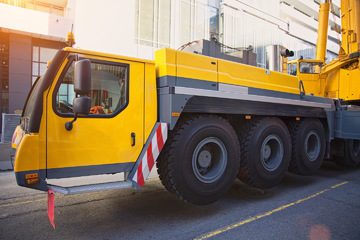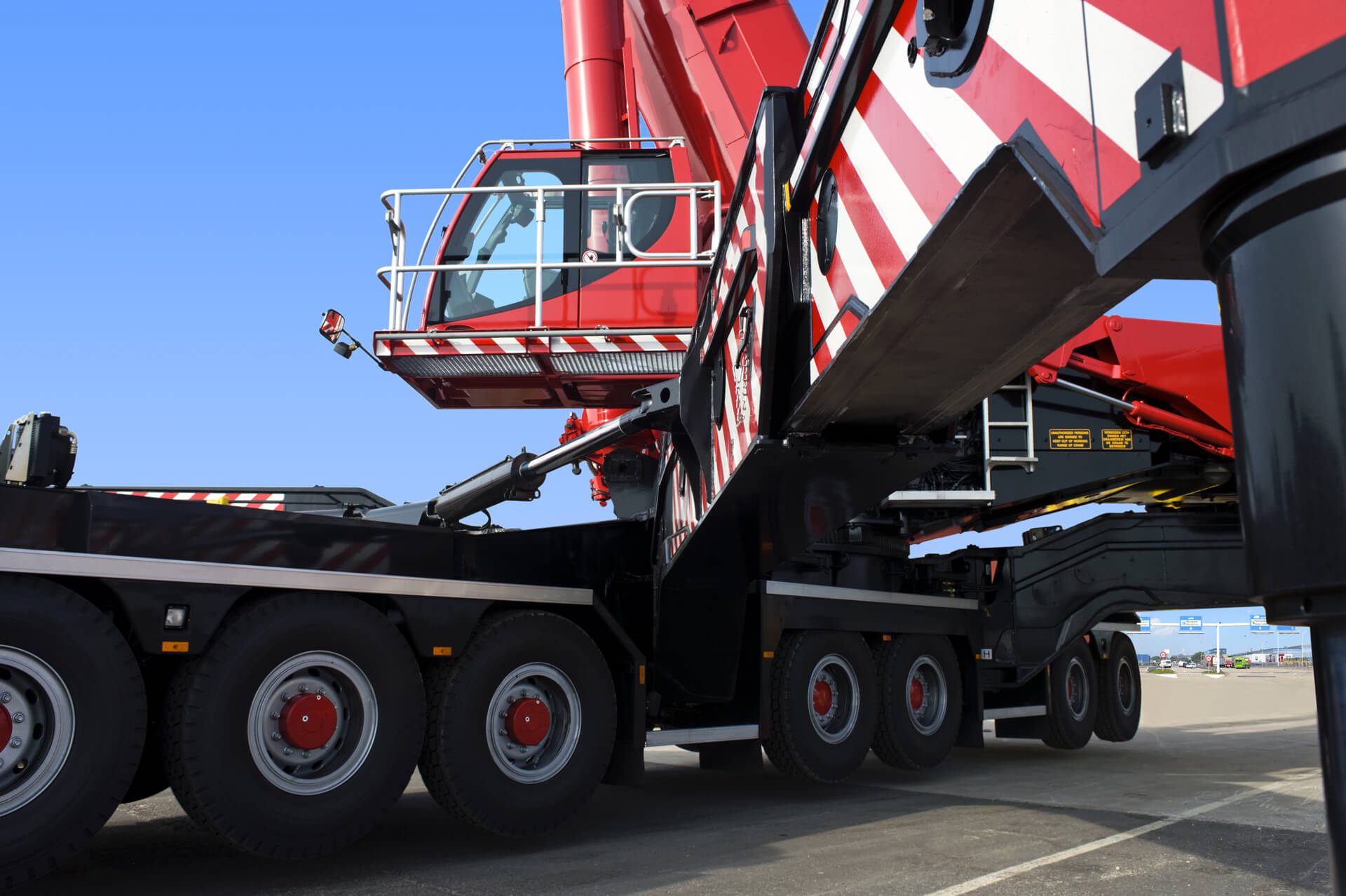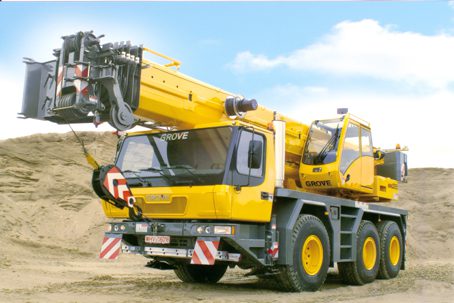
On almost any clear morning, the skyline of Western Sydney tells a story that extends well beyond steel and concrete. Tower cranes rise above new residential precincts, transport corridors, hospitals, logistics hubs, and commercial developments, marking one of Australia’s most ambitious periods of urban expansion. Yet these cranes represent more than visible signs of growth. They reveal how construction itself is changing, and why decisions about crane selection have become increasingly strategic.
The conversation around infrastructure often focuses on funding, planning approvals, or labour availability. Less visible—but equally influential—is the equipment that determines whether complex projects can move safely, efficiently, and on schedule. The growing importance of tower crane hire Western Sydney reflects a wider transformation in how Australia’s construction industry approaches productivity, risk management, and urban development.
Building in a More Complex Urban Environment
Construction projects across Australia have become significantly more demanding over the past decade. Cities continue to grow while available building space becomes increasingly constrained. Sites once considered straightforward are now surrounded by existing transport infrastructure, neighbouring developments, and busy commercial districts that leave little room for error.
Western Sydney illustrates this evolution particularly well. Population growth, large-scale public investment, and private development have accelerated simultaneously, creating an environment where multiple projects often compete for limited space, skilled labour, and logistical access.
This changing landscape means project managers must think beyond simply completing a structure. Every stage of construction now requires careful coordination between engineers, planners, regulators, subcontractors, and equipment providers. Crane selection has consequently shifted from being a routine procurement decision to becoming an integral part of project planning.
Choosing the wrong lifting solution can introduce scheduling conflicts, restrict site movement, or create unnecessary operational complexity. Choosing the appropriate solution, however, allows work to progress with greater efficiency while reducing disruption in already congested urban environments.
Different Projects Demand Different Lifting Strategies
The diversity of Australia’s construction pipeline means no single crane type suits every project.
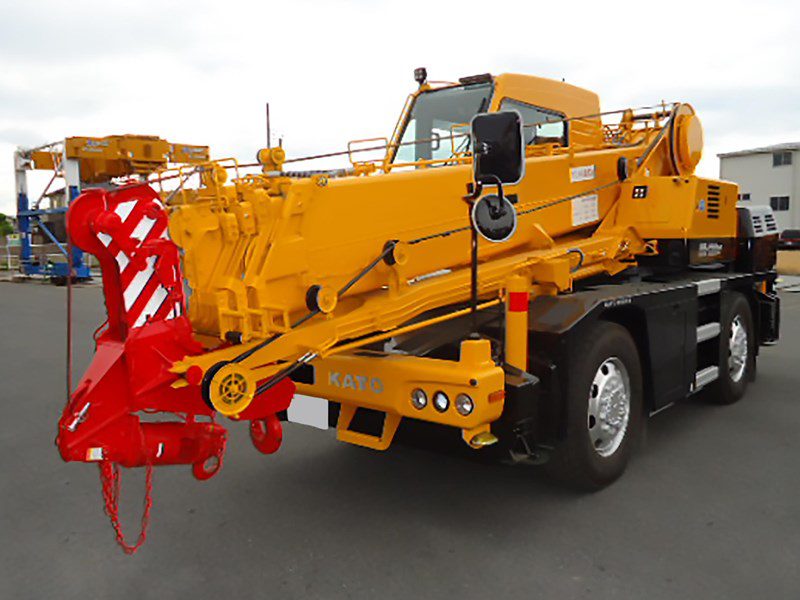
For infrastructure upgrades spread across multiple locations, mobile crane hire provides flexibility that fixed installations cannot match. Road improvements, bridge maintenance, utility works, and industrial shutdowns frequently require equipment that can relocate quickly between sites while maintaining lifting capability across changing environments.
High-rise residential towers, commercial buildings, and mixed-use precincts present a different challenge. These developments typically involve continuous lifting operations over many months, making tower crane hire the practical choice for maintaining productivity throughout the structural phase of construction. Rather than repeatedly mobilising equipment, tower cranes provide consistent lifting capacity while supporting multiple trades working simultaneously across different levels of a building.
Urban density introduces another layer of complexity. As Australian cities continue building upward instead of outward, construction increasingly occurs on sites bordered by neighbouring buildings with minimal operating space. In these situations, luffing crane hire offers a practical solution because its shorter working radius allows loads to be lifted with greater precision while avoiding nearby structures. For developments located within tightly constrained metropolitan precincts, this capability often determines whether construction can proceed without disrupting surrounding properties.
These distinctions demonstrate that crane hire has evolved into an exercise in matching equipment to operational constraints rather than simply selecting lifting capacity.
Why Western Sydney Has Become an Infrastructure Bellwether
Western Sydney occupies a unique position within Australia’s construction landscape. The region combines large-scale greenfield developments with increasingly complex urban renewal projects, creating conditions where traditional construction approaches are constantly being tested.
Major transport investments, expanding industrial estates, education facilities, healthcare infrastructure, and higher-density residential developments frequently progress simultaneously. This overlap creates significant logistical pressure, requiring contractors to maximise efficiency while maintaining strict safety standards.
Within this environment, tower crane hire Western Sydney has become closely associated with long-term project planning rather than short-term equipment procurement. Developers increasingly evaluate crane configurations during the earliest design stages, recognising that lifting strategy influences everything from construction sequencing to site access and workforce coordination.
The crane, in many respects, has become part of the project’s operational architecture rather than simply another piece of machinery arriving after excavation is complete.
Regulation Is Raising Expectations Across the Industry
Australia’s regulatory environment has also evolved alongside increasingly sophisticated construction methods.
Work health and safety authorities across the country continue strengthening expectations around lifting operations, operator competency, maintenance documentation, and site-specific risk management. Safe Work Australia and state regulators place growing emphasis on planning, inspection regimes, and clearly documented operating procedures before cranes begin lifting on active construction sites.
These expectations have encouraged much broader adoption of digital monitoring technologies throughout the crane hire industry.
Modern lifting equipment increasingly incorporates GPS tracking, load monitoring systems, remote diagnostics, and electronic maintenance records that allow operators and project managers to monitor performance in real time. Rather than relying solely on periodic inspections, many construction teams now use continuous operational data to improve decision-making throughout the life of a project.
This transition reflects a broader shift occurring across construction. Equipment is no longer evaluated only by physical capability but also by the quality of information it provides throughout operations.
Technology Is Changing More Than Equipment
Digital transformation within crane operations extends beyond hardware.
Building Information Modelling increasingly allows crane locations, lifting paths, and construction sequencing to be planned before work begins on site. Virtual modelling helps identify potential conflicts between cranes, neighbouring structures, temporary works, and transport corridors long before physical installation takes place.
At the same time, automation continues supporting operators through more advanced control systems, improved load stability technologies, and increasingly sophisticated safety features designed to minimise operational risk.
None of these developments eliminate the importance of experienced personnel. Instead, they reinforce the industry’s growing recognition that technology works best when combined with skilled planning, qualified operators, and disciplined project management.
The result is a construction environment where operational decisions are informed by considerably more data than was available even a decade ago.
Looking Beyond Today’s Skyline
It is tempting to view tower cranes simply as symbols of economic activity. Yet they reveal something more important about Australia’s future.
The country’s next generation of infrastructure will be built within denser cities, under stricter regulatory oversight, amid persistent labour constraints and growing expectations around sustainability and productivity. Success will increasingly depend on planning systems capable of integrating equipment, technology, workforce capability, and safety into a single coordinated strategy.
That is why discussions surrounding tower crane hire Western Sydney carry significance beyond one region or one category of equipment. They illustrate how construction decisions are becoming more interconnected, more data-driven, and more influential in determining whether ambitious urban projects achieve their intended outcomes.
Australia’s skylines will continue changing over the coming decades. The cranes visible above them will remain temporary. The planning philosophy they represent, however, is likely to shape the country’s infrastructure long after those cranes have been dismantled and moved to the next project.