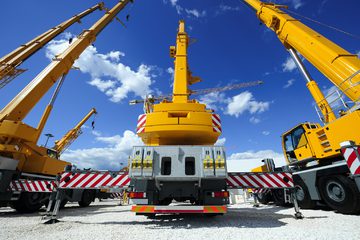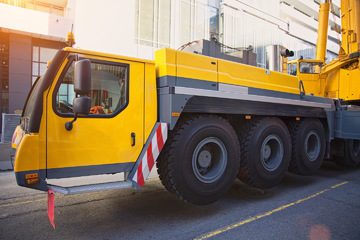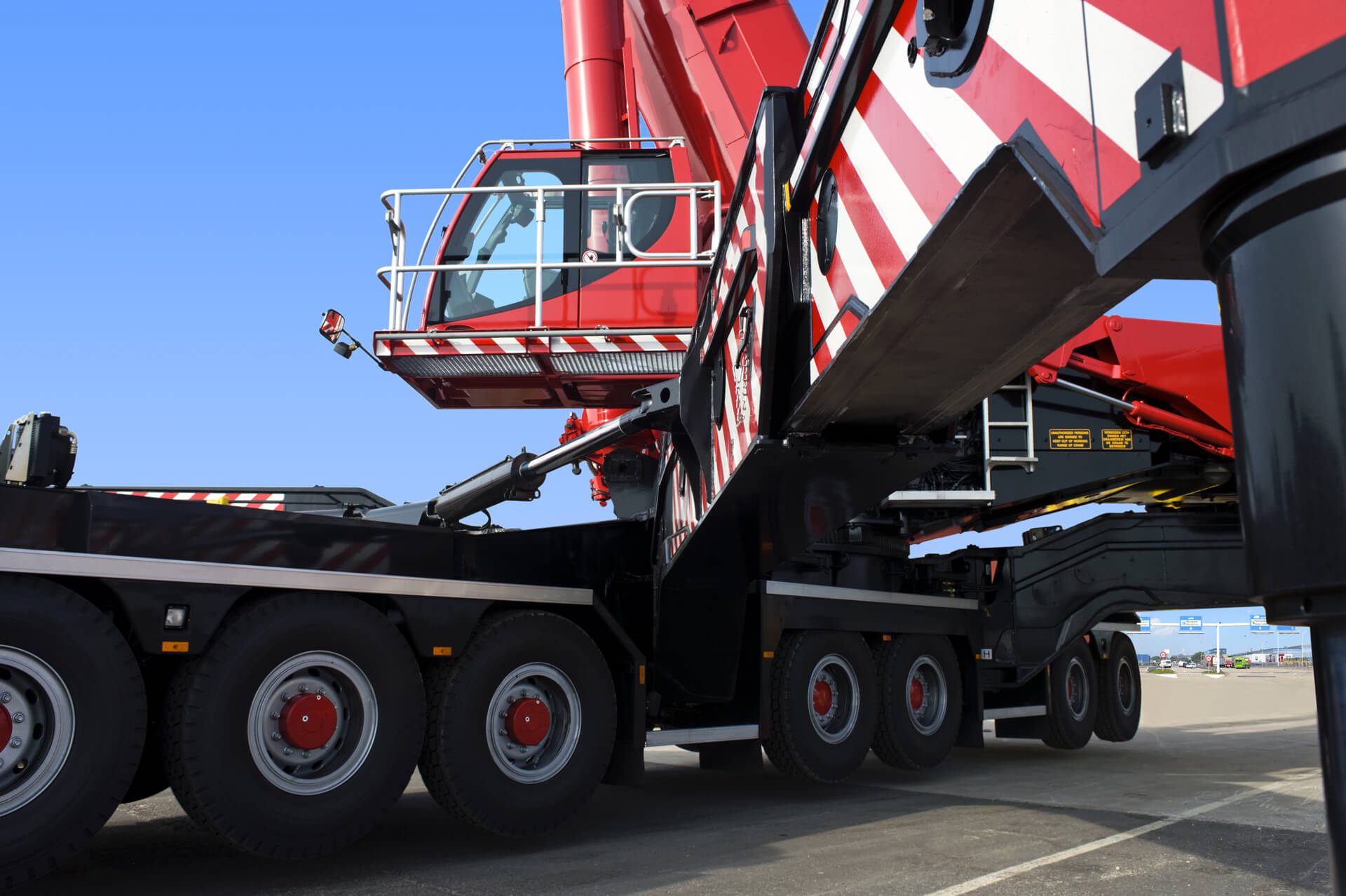
The skyline of Western Sydney tells a story that extends far beyond concrete, steel, and glass. Across precincts where new transport corridors, logistics hubs, residential communities, and commercial developments are rising together, cranes have become permanent features rather than temporary visitors. Their presence reflects more than construction activity. It signals a fundamental change in how Australian cities are planned, financed, and delivered.
Behind every structure reaching into the skyline lies a decision that rarely attracts public attention but often determines whether a project stays on schedule or struggles with costly delays. Choosing the right lifting strategy has become an increasingly strategic exercise, making tower crane hire Western Sydney a discussion that reaches well beyond construction sites and into the broader conversation about urban growth.
A Different Kind of Building Boom
Australia’s construction sector has entered a period where complexity matters as much as scale. Population growth continues to drive demand for housing and infrastructure, while governments invest heavily in transport networks designed to support expanding metropolitan regions. Western Sydney has become one of the country’s most active development corridors, where multiple large projects frequently compete for labour, equipment, and available construction space.
Unlike previous construction cycles, today’s developments often unfold within operating communities rather than undeveloped land. Existing roads remain open, neighbouring businesses continue trading, and residents expect minimal disruption. Every construction decision therefore carries wider implications for safety, scheduling, and public confidence.
This shift has transformed equipment planning from a logistical task into a strategic one. The crane selected for a project must not only lift materials efficiently but also fit within increasingly restrictive urban environments where available space is limited and project timelines leave little room for adjustment.
Why Crane Decisions Have Become More Strategic
In earlier decades, crane selection often centred primarily on lifting capacity. Today, planners weigh a far broader set of considerations before equipment ever reaches a site.
Access restrictions, neighbouring developments, overhead services, environmental controls, traffic management requirements, and workforce availability all influence which lifting solution makes practical sense. Procurement teams increasingly consider how a crane will interact with digital scheduling systems, compliance requirements, and evolving safety expectations.
These decisions become particularly significant in Western Sydney, where residential developments, industrial estates, transport upgrades, and public infrastructure frequently operate simultaneously within relatively concentrated areas.
Selecting the wrong equipment may not simply slow construction. It can affect traffic management plans, increase operational costs, complicate regulatory compliance, and create scheduling conflicts across multiple contractors working on the same development.
Different Projects Demand Different Solutions
No single crane serves every construction challenge. The industry’s evolution reflects a growing understanding that different project environments require different lifting strategies rather than universal solutions.
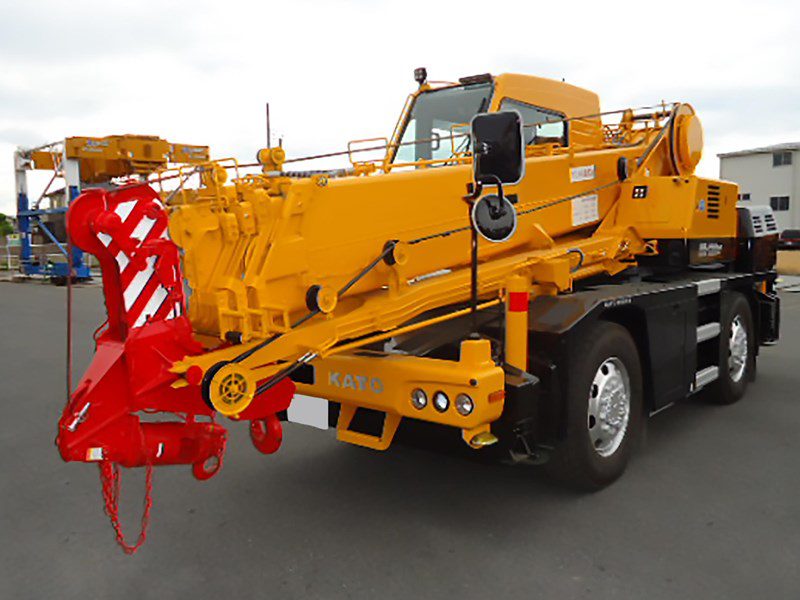
For projects spread across multiple locations or involving shorter construction programs, mobile crane hire offers flexibility that fixed installations cannot easily match. Mobile cranes can relocate quickly between sites, making them valuable for bridge components, industrial maintenance, utility installations, and modular construction where lifting requirements change throughout the project lifecycle.
Long-term high-rise developments present a different challenge. Once construction begins climbing vertically, continuous lifting capacity becomes essential. This is where tower crane hire remains central to Australia’s apartment developments, commercial towers, hospitals, and mixed-use precincts. Tower cranes provide consistent material movement throughout lengthy construction programs, allowing multiple trades to work efficiently across successive building levels.
Dense urban environments introduce another layer of complexity. Where neighbouring buildings leave little room for traditional crane movement, luffing crane hire becomes particularly relevant. With jibs capable of operating within tighter airspace, these cranes help contractors work safely in constrained city environments where every metre of clearance matters.
Even within Sydney itself, project requirements differ considerably. An all-terrain crane hire Sydney solution may prove appropriate for infrastructure works requiring both road mobility and substantial lifting performance, while permanent tower crane installations better suit extended vertical developments expected to continue over many months.
The point is not that one crane outperforms another. Rather, Australia’s evolving construction landscape increasingly rewards fit-for-purpose decisions that align equipment capabilities with project realities.
Regulation Is Quietly Reshaping Procurement
Much of the industry’s transformation has occurred away from public view through evolving regulatory expectations.
State regulators, including SafeWork authorities, continue strengthening oversight around lifting operations, operator competency, and risk management. National standards governing crane operations increasingly emphasise planning, documentation, inspection routines, and site-specific hazard assessment rather than relying solely on operator experience.
As projects become larger and more technically demanding, compliance has become an integrated part of procurement rather than an administrative exercise completed after equipment arrives.
Many contractors now involve lifting specialists during early project planning to evaluate site conditions, sequencing requirements, and engineering constraints before major procurement decisions are finalised. This earlier involvement helps reduce operational uncertainty while supporting safer project delivery.
The result is an industry where crane selection increasingly reflects broader project governance rather than isolated equipment purchasing.
Technology Is Changing Visibility as Much as Performance
While cranes themselves continue evolving mechanically, some of the most significant changes occur through digital systems operating alongside them.
Modern lifting operations increasingly incorporate GPS tracking, telematics, load monitoring, digital maintenance records, and remote diagnostics that provide project managers with greater operational visibility than ever before.
These technologies support preventative maintenance, improve equipment utilisation, and provide documentation that assists compliance reporting throughout complex projects.
Digital scheduling platforms also allow construction managers to coordinate crane availability with material deliveries and workforce planning, reducing downtime that once proved difficult to avoid.
Automation remains limited in heavy lifting compared with some other construction technologies, but decision-making has become increasingly data-driven. Rather than relying solely on historical experience, project teams now combine operational expertise with measurable performance information when planning major lifting operations.
Sustainability Is Influencing Equipment Choices
Environmental expectations are also beginning to shape crane procurement decisions.
Construction companies face growing pressure to minimise emissions, reduce unnecessary transport movements, and improve overall project efficiency. While cranes themselves represent only one component of construction’s environmental footprint, efficient lifting strategies can reduce idle time, improve material flow, and support broader sustainability objectives.
Equipment utilisation has therefore become an important commercial consideration alongside environmental responsibility. Better planning means fewer unnecessary crane movements, more efficient scheduling, and reduced resource waste across lengthy construction programs.
For developers, investors, and public-sector clients increasingly measuring environmental outcomes, operational efficiency has become part of responsible project delivery rather than simply cost management.
The Future Visible Above Australia’s Cities
The cranes rising across Western Sydney represent more than physical construction. They illustrate how Australian infrastructure is becoming increasingly interconnected, regulated, technologically informed, and strategically managed.
As cities grow denser and projects become more complex, decisions surrounding tower crane hire Western Sydney will continue carrying implications that extend well beyond lifting materials. They influence project certainty, workforce coordination, public safety, regulatory compliance, and ultimately the pace at which communities take shape.
That evolution is unlikely to slow. Population growth, infrastructure investment, and urban renewal will continue placing pressure on construction systems that must deliver more while operating within tighter constraints.
For industry professionals, the lesson is increasingly clear. Crane hire is no longer simply about moving heavy loads from one place to another. It has become part of a broader infrastructure strategy where planning, technology, regulation, and urban design intersect.
For everyone else, the next time another crane appears on the Western Sydney skyline, it may be worth seeing it not merely as construction equipment, but as evidence of how Australia’s cities are quietly learning to build differently.