As Australian cities build higher and denser, tower crane hire Sydney is becoming a strategic decision that influences infrastructure, safety, and the pace of urban growth.
Sydney’s skyline changes almost imperceptibly from one month to the next. A new residential tower rises above an established suburb. A hospital expansion begins beside an operating emergency department. Rail corridors gain new stations while commercial districts evolve into mixed-use precincts. Looming above many of these projects is the same defining feature: the tower crane.
Most people see cranes as symbols of construction. Project managers, engineers, and urban planners see something different. They see a logistical decision that can determine whether a project progresses efficiently or becomes constrained by access, safety requirements, and scheduling conflicts. In Australia’s increasingly complex construction environment, crane selection has moved beyond equipment procurement. It has become part of infrastructure strategy.
That shift is especially visible in Sydney, where limited land, growing populations, and ambitious development plans have transformed tower crane hire Sydney into a critical planning consideration rather than a routine operational task.
Australia’s Construction Landscape Has Changed
The Australian construction industry is experiencing a period of sustained transformation. Population growth continues to drive demand for housing, transport infrastructure, healthcare facilities, logistics hubs, and commercial redevelopment. At the same time, cities have fewer large development sites available, pushing projects into tighter urban environments where every square metre matters.
Construction teams now face challenges that extend well beyond engineering. They must navigate labour shortages, rising project costs, stricter environmental expectations, increasingly sophisticated building designs, and tighter delivery schedules. These pressures have made planning more interconnected than ever before.
Crane selection illustrates this evolution perfectly.
Rather than choosing lifting equipment shortly before construction begins, many project teams evaluate crane requirements during the earliest planning stages. The choice influences site layout, delivery sequencing, material storage, construction timelines, and even relationships with neighbouring properties.
In dense urban environments, these considerations are no longer optional. They directly affect project viability.
Why Sydney Presents a Different Challenge
Sydney’s development pattern makes construction unusually complex. Many new projects sit alongside occupied office buildings, residential apartments, schools, hospitals, or active transport corridors. Unlike greenfield developments, these sites offer little flexibility for equipment movement or material storage.
A tower crane positioned incorrectly can create operational bottlenecks for months. A poorly planned lifting strategy may require unnecessary road closures, additional transport coordination, or construction delays that ripple throughout an entire project schedule.
This explains why tower crane hire Sydney increasingly forms part of broader procurement discussions rather than remaining solely an engineering decision.
Developers and contractors now assess lifting requirements alongside access planning, environmental management, neighbourhood impacts, and long-term construction sequencing. The crane becomes part of the project’s infrastructure rather than simply supporting it.
Different Projects Demand Different Crane Strategies
Australia’s diverse construction sector demonstrates why no single crane solution fits every project.
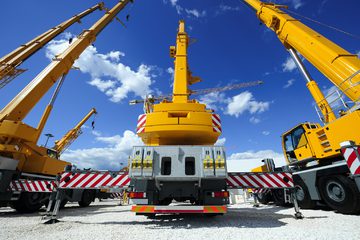
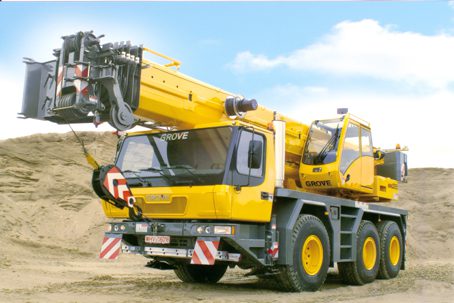
For infrastructure maintenance, industrial shutdowns, bridge repairs, or projects spread across multiple locations, mobile crane hire offers flexibility that permanent installations cannot provide. Equipment can be transported efficiently between sites, reducing downtime while supporting varied lifting requirements across changing work environments.
High-rise residential developments tell a different story.
Continuous vertical construction requires lifting equipment capable of operating efficiently throughout many months of structural work. In these situations, tower crane hire provides the consistency needed to move reinforcing steel, structural components, concrete equipment, mechanical systems, and finishing materials as buildings steadily rise.
Urban density introduces another layer of complexity.
Projects surrounded by neighbouring buildings often have limited airspace for traditional crane movement. Here, luffing crane hire becomes particularly valuable because its adjustable jib allows operators to work safely within restricted overhead environments. This capability helps minimise overswing while supporting precision lifting where available space is limited.
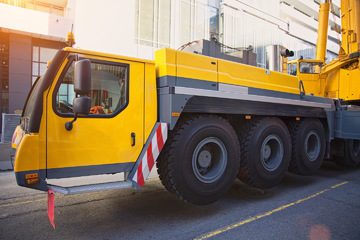
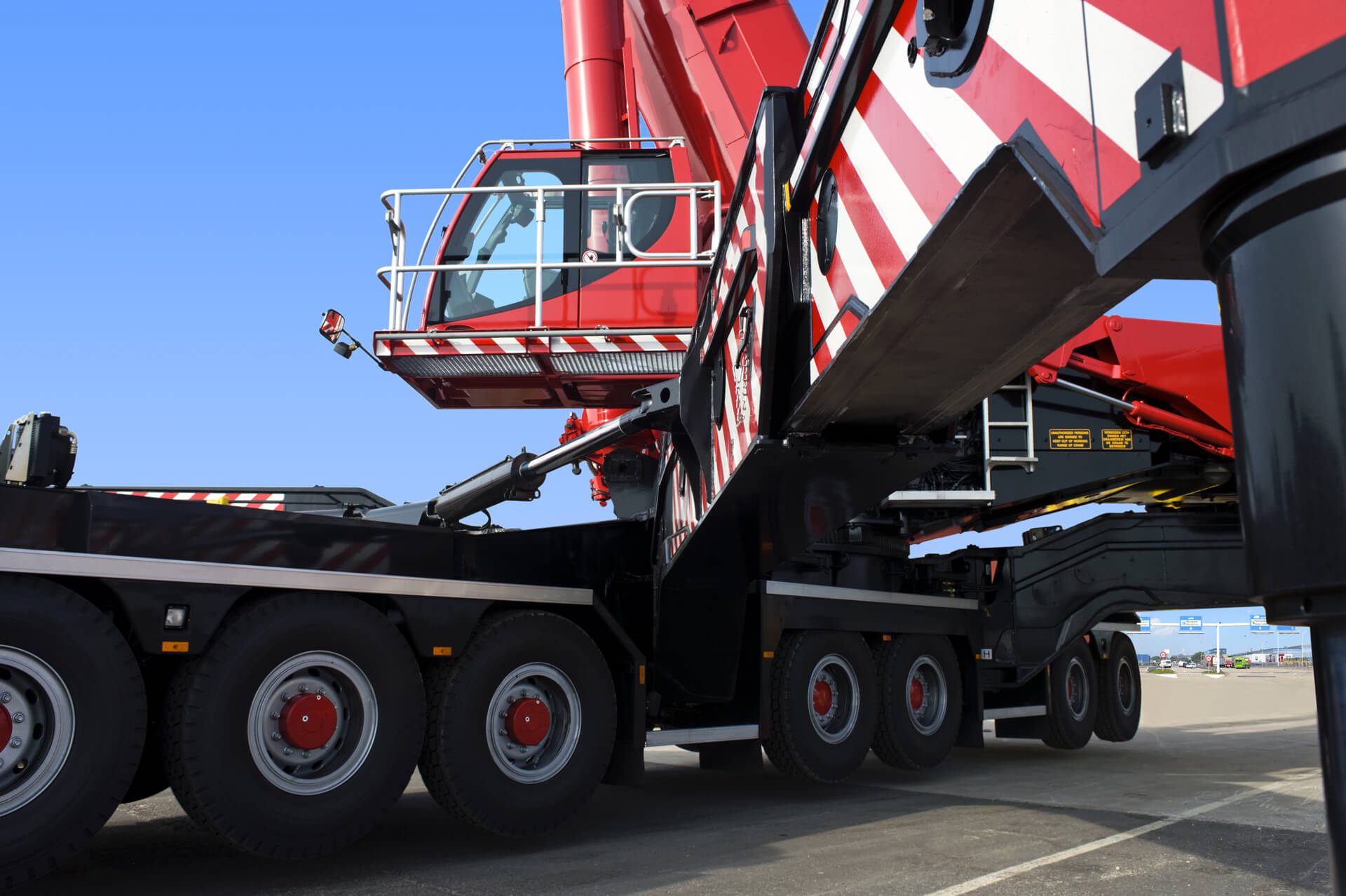
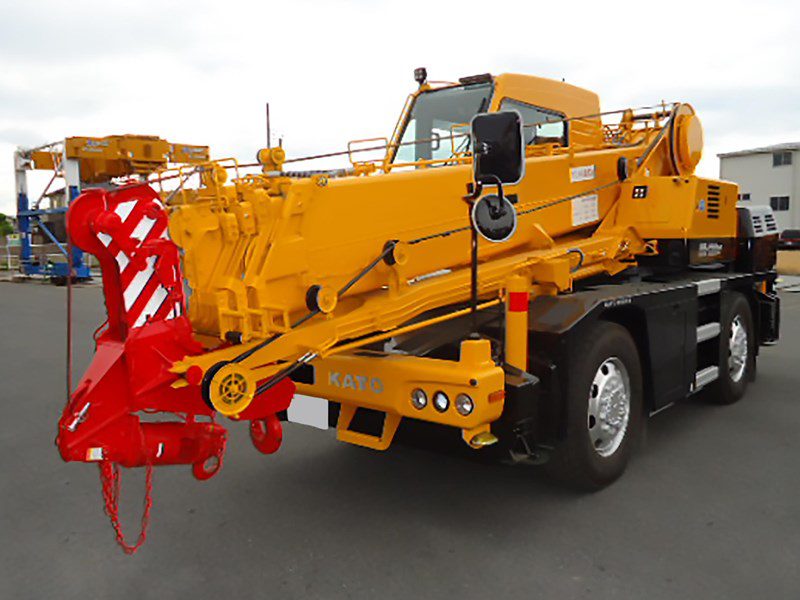
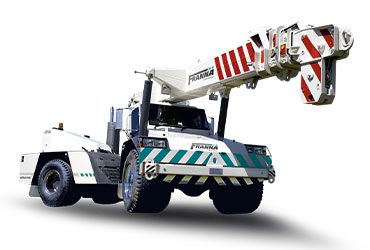
A separate example can be seen in heavy infrastructure projects around metropolitan transport corridors, where all-terrain crane hire Sydney may be selected for its ability to travel efficiently between locations while operating across varied ground conditions.
Each crane type reflects a different operational philosophy. The objective is not selecting the largest machine but identifying the lifting solution that aligns most effectively with project constraints.
Procurement Has Become More Strategic
Construction procurement once focused heavily on price and availability. Those factors remain important, but they no longer dominate decision-making.
Today’s project teams increasingly evaluate reliability, maintenance planning, operator competency, equipment utilisation, digital reporting capabilities, and integration with overall construction programmes.
A crane that arrives on schedule but cannot operate efficiently within site constraints may ultimately increase costs through project delays. Conversely, careful planning often reduces unnecessary equipment movements, improves material flow, and supports more predictable project delivery.
This broader perspective reflects a wider trend across Australian infrastructure projects. Procurement decisions increasingly influence operational performance long before physical construction reaches full pace.
Regulation Is Quietly Transforming the Industry
Safety expectations surrounding crane operations have evolved considerably across Australia.
State regulators, including SafeWork NSW and other WorkSafe authorities, continue strengthening requirements relating to lift planning, equipment inspections, operator qualifications, maintenance documentation, and workplace risk management. Rather than treating compliance as an administrative exercise, many organisations now incorporate regulatory planning into project development from the outset.
This evolution has encouraged greater collaboration between engineers, lifting supervisors, project managers, transport planners, and certified crane operators.
The result is a more disciplined approach to construction logistics.
Comprehensive lift plans, documented maintenance schedules, and detailed risk assessments reduce uncertainty while supporting safer worksites. Although these requirements demand additional planning, they frequently improve project certainty by reducing unexpected operational interruptions.
Technology Is Changing More Than Equipment
Modern cranes increasingly generate valuable operational data alongside lifting capacity.
Many operators now utilise GPS fleet tracking, telematics, digital maintenance systems, real-time load monitoring, and remote diagnostic technologies. These systems allow maintenance teams to identify developing issues before equipment failures interrupt construction programmes.
Digital lift simulations also help engineers model complex lifting sequences before work begins. Potential conflicts involving neighbouring buildings, overhead services, or transport infrastructure can often be identified virtually, reducing risk once operations commence.
Technology is not replacing experienced operators. Instead, it is providing better information that supports safer and more efficient decision-making throughout the construction lifecycle.
Sustainability Is Influencing Crane Planning
Environmental performance has become another important consideration in Australia’s construction industry.
Developers increasingly examine how equipment utilisation affects transport efficiency, fuel consumption, emissions, and overall project sustainability. Better crane planning reduces unnecessary mobilisation, shortens idle operating periods, and supports more efficient construction sequencing.
These improvements rarely attract public attention, yet they contribute meaningfully to broader sustainability objectives while helping projects meet increasingly ambitious environmental expectations.
As infrastructure planning becomes more holistic, crane strategy forms part of a larger conversation about responsible urban development.
Looking Beyond the Skyline
Sydney’s cranes do more than lift concrete and steel. They reveal how Australia’s construction industry is adapting to a more demanding future.
Growing cities require smarter procurement decisions, stronger regulatory compliance, improved technology integration, and greater attention to sustainability than ever before. The cranes dominating today’s skyline represent those changing priorities just as much as they represent physical construction.
The growing importance of tower crane hire Sydney reflects a broader transformation occurring across Australia’s infrastructure sector. Equipment selection has become intertwined with urban planning, workforce capability, project delivery, and long-term city development.
As Australian cities continue building upward rather than outward, the success of future projects will depend not only on architectural ambition or engineering excellence but also on the strategic decisions made long before the first beam is lifted. In that sense, every tower crane visible above Sydney’s skyline offers a quiet reminder that modern infrastructure begins with thoughtful planning, careful coordination, and an increasingly sophisticated understanding of how cities are built.