A crane rising above Sydney’s skyline is often viewed as a symbol of construction momentum: another apartment tower, commercial precinct, or infrastructure project taking shape. But behind every structure lifted into place is a series of decisions that rarely attract public attention. Among the most consequential is the choice of crane strategy.
In a city where available land is limited, timelines are increasingly compressed, and construction sites operate alongside existing communities, crane selection has become more than a technical consideration. It has become a strategic decision that influences safety, efficiency, project viability, and the way Australian cities evolve.
The growing complexity of urban development is changing how the construction industry approaches equipment planning. Crane hire is no longer simply about finding machinery capable of lifting materials. It is about matching the right equipment to increasingly demanding environments.
Australia’s Construction Growth Is Creating New Crane Challenges
Australia’s major cities are experiencing a fundamental shift in how they are built. Population growth, housing demand, and infrastructure investment are pushing developments into denser urban areas where construction must happen within tighter physical and regulatory boundaries.
Sydney provides a clear example. High-rise residential projects, transport upgrades, and mixed-use developments are increasingly being delivered in locations where space is scarce and surrounding activity cannot simply be paused. Construction teams must work around existing roads, neighbouring buildings, public spaces, and strict safety requirements.
These conditions have changed the role of crane planning. A decision that might once have focused primarily on lifting capacity and availability now involves access restrictions, site geometry, environmental considerations, and long-term operational requirements.
Labour shortages across the construction sector have added another layer of complexity. As skilled resources become more constrained, projects are looking for equipment solutions that improve productivity while maintaining strict safety standards. The pressure to deliver faster does not remove the need for careful planning; it makes planning more important.
Crane Selection Has Become a Strategic Construction Decision
Different crane types address different construction realities. The question is not which crane is universally better, but which solution aligns with the conditions of a specific project.
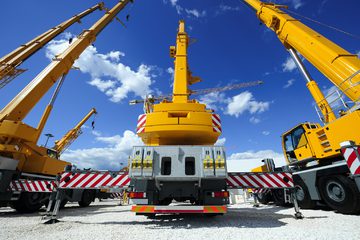
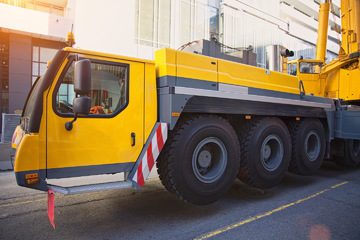
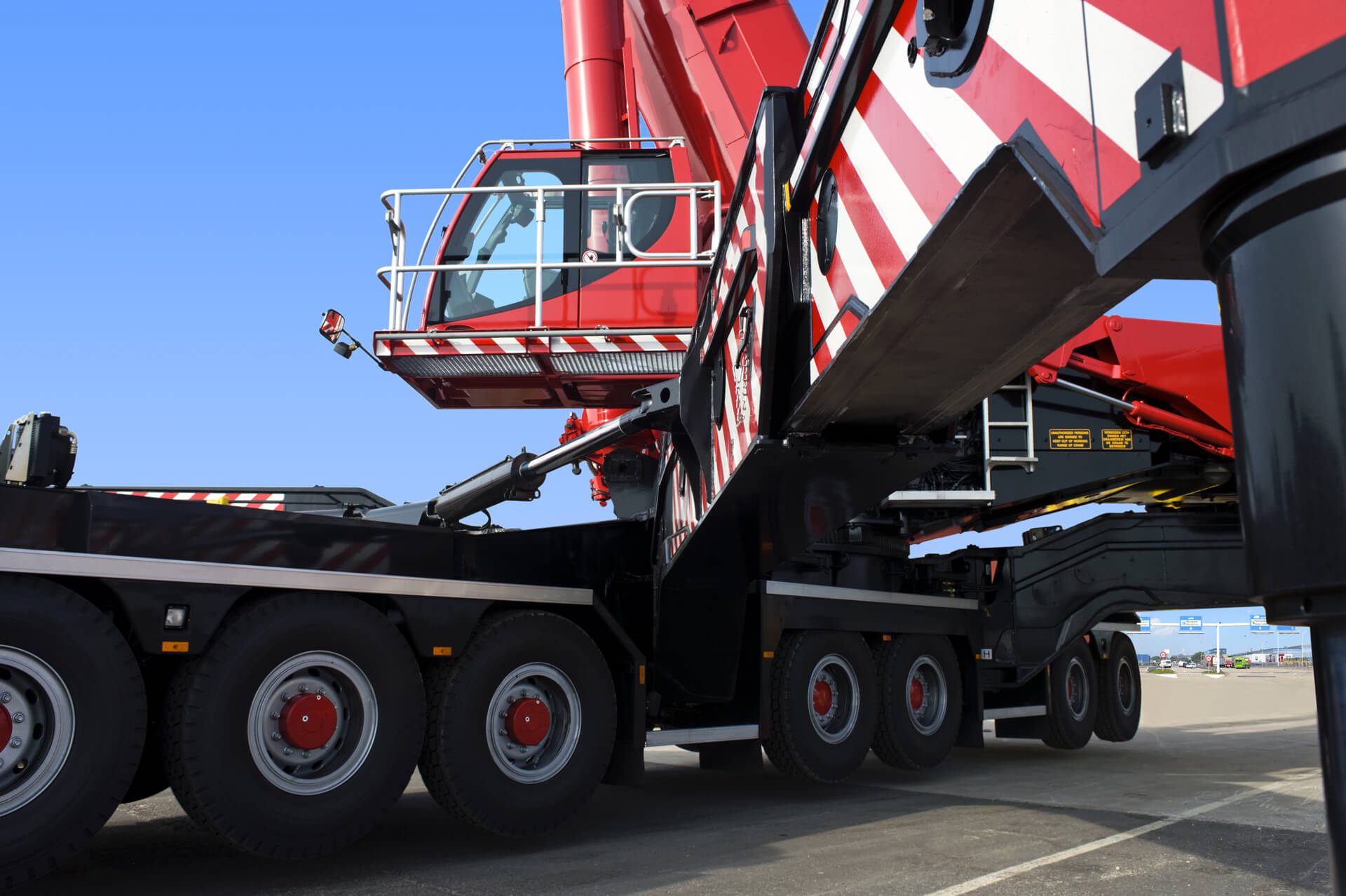
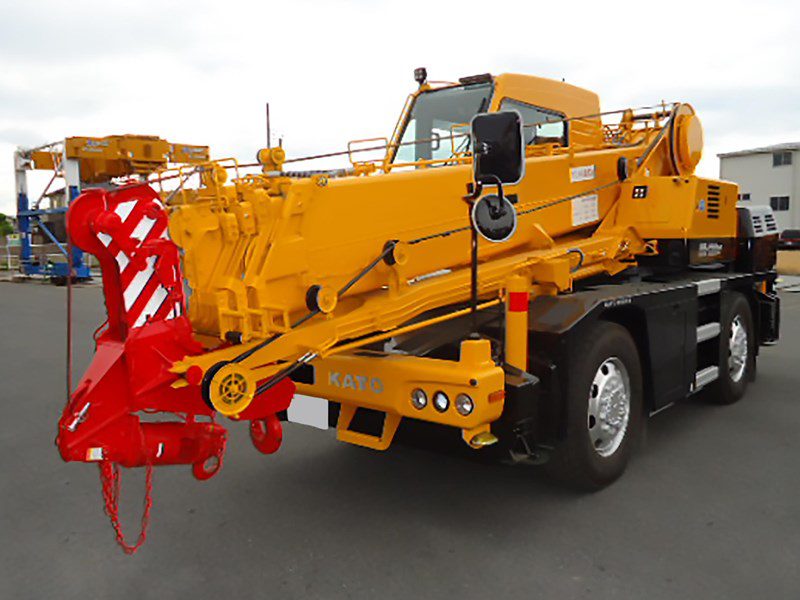
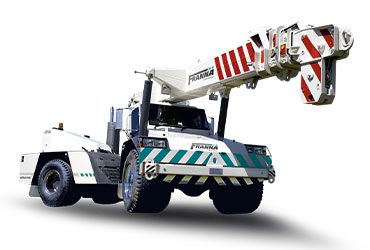
For developments that require mobility across multiple locations, mobile crane hire continues to play an important role. These cranes offer flexibility because they can be transported between sites and deployed for projects with changing lifting requirements. They are particularly valuable for infrastructure works, maintenance operations, and construction environments where rapid repositioning is essential.
A road upgrade project, for example, may require lifting operations across several sections of a corridor rather than one fixed location. In such cases, the ability to move equipment efficiently can become a major operational advantage.
By contrast, tower crane hire is often associated with long-duration construction projects where consistent lifting capability is required over an extended period. High-rise buildings typically involve repeated vertical movement of materials, including steel components, concrete elements, and structural equipment. A tower crane becomes part of the project’s ongoing workflow, supporting construction progress over months or years.
Sydney’s increasing number of vertical developments demonstrates why fixed lifting solutions remain central to urban construction. When a project must build upward in a confined footprint, a carefully positioned tower crane can support continuous operations without requiring frequent repositioning.
For some of the city’s most constrained construction environments, luffing crane hire Sydney has become an important consideration. Luffing cranes are designed for situations where traditional tower crane movement may be restricted by surrounding buildings, limited airspace, or neighbouring projects.
In dense urban areas, the ability to control the crane’s jib movement is critical. A luffing crane can operate within tighter boundaries, reducing the risk of oversailing nearby properties or conflicting with other structures. For projects surrounded by existing buildings or located in busy city areas, this type of precision can influence whether a construction plan is practical.
Technology and Regulation Are Reshaping Crane Operations
The evolution of crane strategy is not happening in isolation. It reflects broader changes across Australia’s construction industry, particularly around safety, compliance, and digital management.
State safety regulators, including WorkSafe authorities, have continued to strengthen expectations around lifting operations, operator competency, equipment maintenance, and risk management. These requirements have encouraged the industry to move beyond basic compliance and adopt more structured approaches to planning and monitoring.
Modern crane operations increasingly incorporate digital tools such as GPS tracking, load management systems, and equipment monitoring technologies. These systems help project teams understand operating conditions more accurately and identify potential risks before they become problems.
The construction industry has also placed greater emphasis on operator qualifications and ongoing training. As cranes become more technologically advanced and project environments become more complicated, experience alone is no longer the only measure of capability. A combination of technical knowledge, regulatory awareness, and digital understanding is becoming essential.
Sustainability pressures are influencing decisions as well. Construction companies and developers are increasingly examining how equipment choices affect energy consumption, emissions, and overall project efficiency. While lifting equipment represents only one part of a much larger construction process, decisions made at the planning stage can contribute to broader sustainability goals.
The Future of Australian Cities Depends on Smarter Construction Decisions
The changing approach to crane hire reflects a wider transformation in how Australia builds. Cities are becoming denser, projects are becoming more complex, and construction teams are operating under tighter expectations around safety, efficiency, and environmental responsibility.
The crane visible above a skyline may appear to be a simple piece of construction equipment, but the decision behind its placement represents months of planning, engineering assessment, and risk evaluation.
From mobile crane hire supporting flexible operations to tower crane hire enabling long-term vertical development and luffing crane hire Sydney addressing the challenges of constrained urban sites, each choice reflects a different response to Australia’s changing construction landscape. The future of urban development will not depend only on building more structures. It will depend on making better decisions about how those structures are created.
As Australian cities continue to grow, crane strategy will remain an overlooked but essential factor shaping the places where people live, work, and connect.