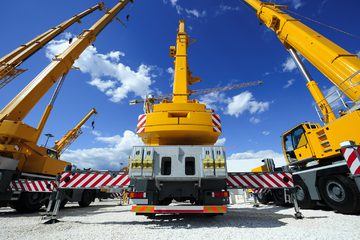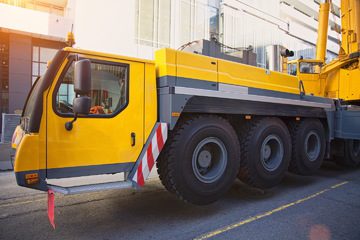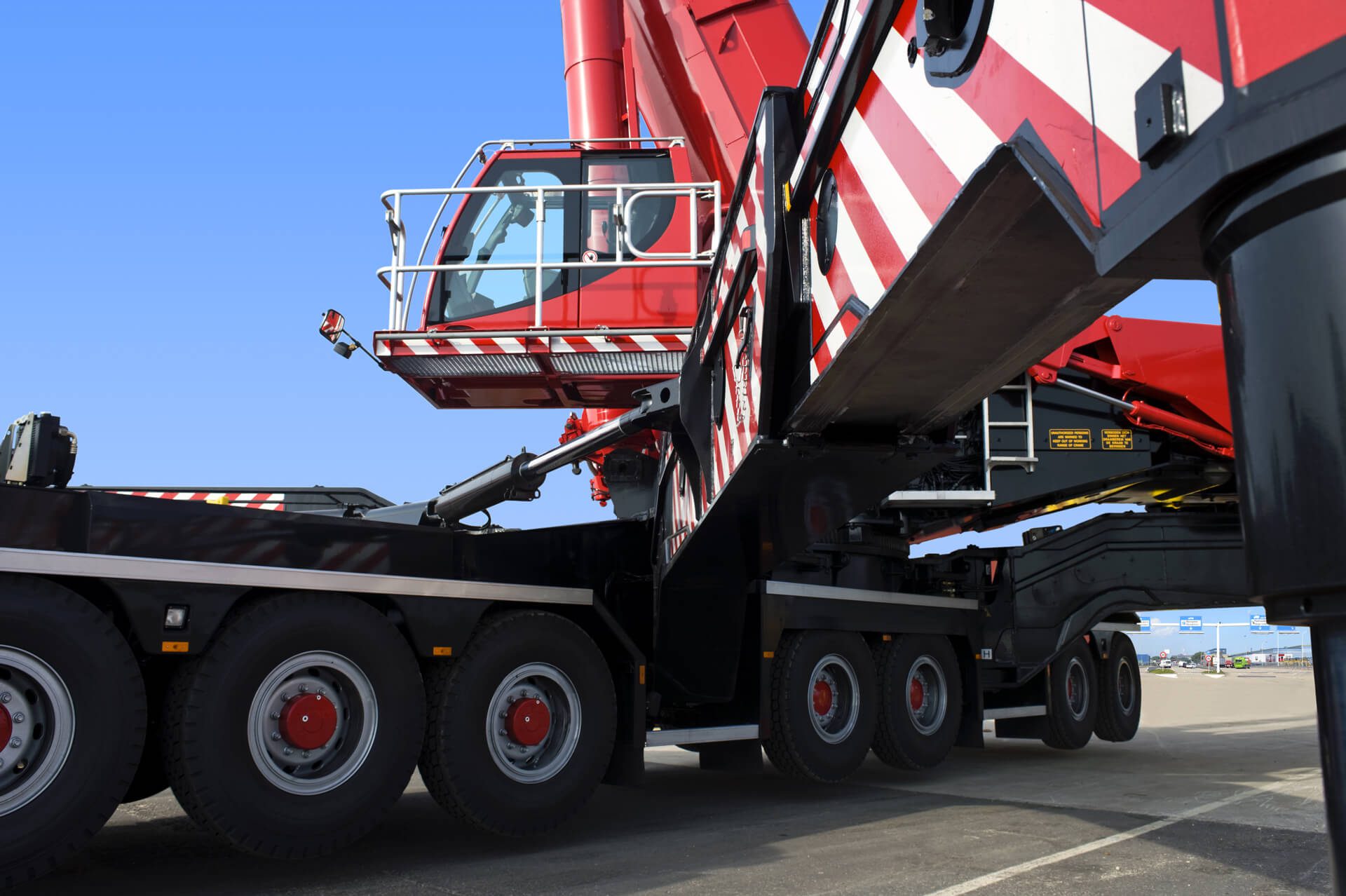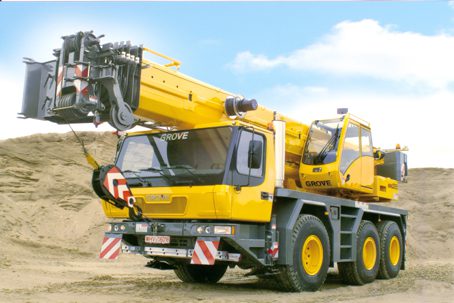
Sydney’s skyline offers an easy way to see Australia’s construction economy at work. Towering above apartment sites, transport corridors and commercial developments, cranes have become almost permanent fixtures of the city. Yet the important decisions often happen before a crane reaches the site. Project teams must determine how much lifting capacity is required, how equipment will enter a constrained site, how long it will remain there, and how safely it can operate alongside workers, traffic and neighbouring buildings.
Those decisions are becoming more consequential as Australian construction moves into a more complex phase. Projects are being delivered in denser urban environments, access is increasingly restricted, schedules are under pressure and safety expectations continue to evolve. In that environment, crane selection is no longer simply an equipment question. It is a decision about how efficiently a project can interact with the city around it.
The New Economics of Urban Construction
For much of the construction industry, the traditional calculation was relatively straightforward: identify the load, establish the required lifting height and select equipment capable of doing the job. Modern projects rarely allow such a simple equation.
Sydney illustrates the problem. A development may occupy a narrow parcel between existing buildings, while its access route passes through busy streets and established neighbourhoods. A major infrastructure project may have several work fronts, each with different lifting requirements. Even a relatively conventional commercial development can face restrictions involving traffic management, overhead services, pedestrian movement and limited space for equipment.
These constraints make time and mobility valuable resources.
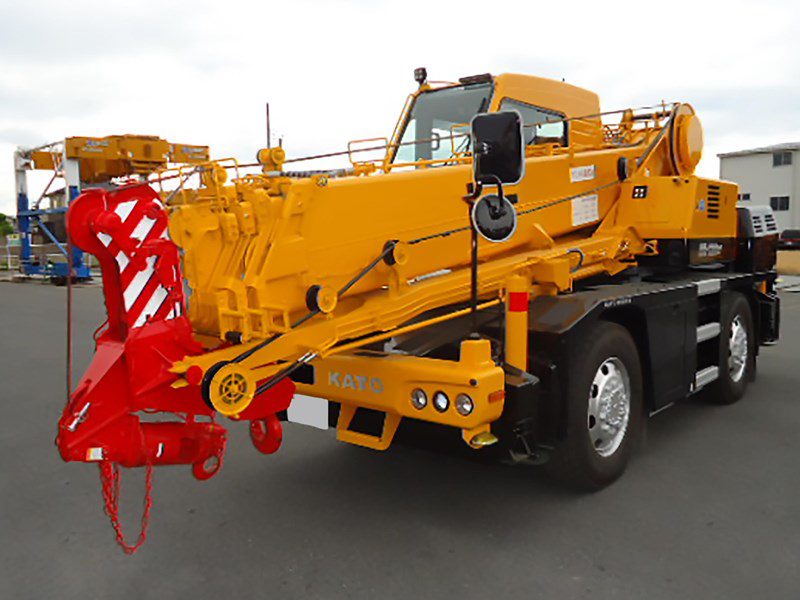
This is one reason mobile crane hire Sydney has become part of a broader conversation about project flexibility rather than simply lifting capacity. A mobile crane can be repositioned as work progresses, allowing contractors to respond to changing site conditions without committing the same footprint to a single location for the entire project.
That flexibility matters particularly when construction programs overlap. A contractor working across several sites may need lifting equipment for short, carefully timed operations rather than a machine that remains permanently installed. The commercial question then becomes less about the headline capacity of a crane and more about how effectively it fits the sequence of work.
Different Cranes, Different Urban Problems
The distinction between crane types becomes clearer when viewed through actual project conditions.
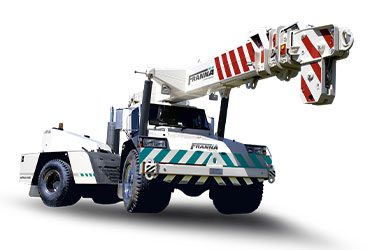
Mobile cranes are suited to situations where mobility is central to the work. Consider a project involving structural installation across several locations or a site where heavy components must be positioned during different stages of construction. The ability to arrive, set up, perform the lift and relocate can be more important than maintaining a permanent lifting position.
Tower cranes solve a different problem. They make sense where construction activity is concentrated around a fixed footprint for an extended period. High-rise residential and commercial projects may require thousands of repetitive lifts involving steel, concrete elements, formwork and other materials. Once established, a tower crane can support a sustained vertical construction cycle in a way that a frequently repositioned mobile machine may not.
Luffing cranes address another urban constraint: limited horizontal space. In a dense environment, a conventional crane’s working radius can create conflicts with adjacent buildings, roads or other structures. A luffing configuration allows the jib to operate with greater control over its spatial envelope, making it relevant to sites where oversailing and neighbouring property constraints are significant considerations.
None of these choices is inherently superior. The important question is whether the equipment matches the physical and logistical reality of the project.
That is a subtle but increasingly important shift in construction thinking. Procurement teams are not simply buying access to lifting capacity. They are buying a particular operational arrangement, with consequences for scheduling, site logistics, safety and cost.
Safety Is Becoming a Planning Issue
Australia’s regulatory environment reinforces that change.
Work health and safety obligations require businesses involved in construction and crane operations to identify hazards, manage risks and ensure that equipment and people are appropriately controlled. State and territory regulators, including SafeWork NSW, play an important role in enforcing those requirements in their respective jurisdictions.
For project managers, the significance is practical. Crane safety cannot be treated as something that begins when the operator enters the cabin. It starts with planning.
Ground conditions, exclusion zones, load characteristics, power lines, traffic interfaces, wind conditions, equipment positioning and communication procedures all influence whether a lifting operation can be conducted safely. A technically capable crane can still be the wrong choice if the surrounding conditions have not been adequately considered.
Operator competency is another part of the equation. Australia’s high-risk work licensing framework places formal requirements around certain crane and dogging operations, reinforcing the importance of qualified personnel and appropriate supervision.
The broader lesson is that regulation increasingly intersects with procurement. Selecting equipment without understanding the conditions in which it will operate can create problems later in the construction program.
Technology Is Changing What “Efficient” Means
Technology is also reshaping crane operations, although the transformation is less dramatic than the phrase “smart construction” might suggest.
Modern lifting operations can incorporate digital load monitoring, positioning systems, electronic safety controls, telematics and increasingly detailed equipment records. These technologies can provide project teams with better information about machine use, operating conditions and maintenance requirements.
The significance lies in decision-making. When managers can see more clearly how equipment is being used, they can plan resources more accurately and identify potential problems earlier.
Digital systems also support a broader movement toward data-driven construction management. Crane operations increasingly interact with scheduling platforms, site logistics plans and digital models of projects. The crane is therefore becoming less of an isolated machine and more of a component within an integrated construction system.
That integration could become increasingly important as Australian projects face pressure to deliver more efficiently without compromising safety.
The Pressure of Labour, Time and Productivity
Construction’s workforce challenges add another layer to the equation.
Where skilled labour is difficult to secure, productivity becomes particularly valuable. A crane that is appropriately selected, correctly positioned and available when required can influence the pace of multiple trades. Conversely, poor planning can leave workers waiting for lifts, create unnecessary equipment movements or force changes to the construction sequence.
This is why crane strategy increasingly belongs in early project planning rather than being treated as a late procurement exercise.
The decision can affect site access, material storage, traffic arrangements and even the sequencing of structural work. In dense cities, these relationships are especially pronounced because there is little spare space to absorb inefficiency.
Sydney’s construction environment makes the point clearly. A delayed lift does not necessarily affect only the crane crew. It can alter deliveries, labour allocation, road occupancy and the work of other contractors. The consequences can travel through the project far beyond the original equipment decision.
A More Strategic Future for Crane Hire
Australia’s construction industry is therefore moving toward a more integrated understanding of lifting equipment. The central question is no longer simply which crane can lift a particular load. It is how the crane fits into the economic, physical and regulatory environment surrounding the project.
That shift reflects a wider transformation in construction. Urban land is constrained, infrastructure projects are becoming more interconnected and communities have less tolerance for unnecessary disruption. At the same time, safety requirements and expectations around productivity continue to rise.
For Sydney, this makes crane selection part of the city’s broader development story. Every crane occupies space, moves materials, interacts with roads and workers, and influences the rhythm of construction around it.
The cranes visible above Australia’s cities may look like symbols of the building boom. But the more revealing story is happening below them, in procurement meetings, engineering assessments and site-planning decisions. As Australian cities become denser and projects more complicated, the ability to choose and deploy lifting equipment according to real conditions will become less a matter of routine procurement and more a measure of how intelligently construction can adapt to the city it is helping to build.