As Australia’s cities grow taller and construction sites become more constrained, crane hire decisions have evolved from logistical necessities into strategic infrastructure choices. From dense inner-city developments to expanding suburban projects, selecting the right lifting solution increasingly influences safety, productivity, project timelines, and the long-term efficiency of urban development.
The Sydney skyline is rarely still. On any given morning, cranes stretch above apartment towers, transport interchanges, hospitals, and commercial precincts, each representing a different stage in Australia’s ongoing urban transformation. Yet what often goes unnoticed is that these cranes are not simply symbols of construction activity—they are evidence of thousands of strategic decisions made long before concrete is poured or steel is lifted.
Choosing the right crane has become one of the most consequential operational decisions on modern construction sites. Australia’s building sector faces tighter schedules, increasingly complex regulations, labour constraints, and shrinking workspaces, particularly across metropolitan Sydney. In that environment, crane hire is no longer viewed as equipment procurement alone. It has become a planning exercise that influences everything from project sequencing to public safety and traffic management.
This shift reflects broader changes occurring across Australian infrastructure. As cities pursue higher-density development while maintaining liveable neighbourhoods, construction must adapt to environments where space is limited, disruptions are costly, and precision matters more than ever.
The Pressure Behind Australia’s Urban Growth
Sydney illustrates this challenge more clearly than most Australian cities. Urban renewal projects frequently unfold within active commercial districts, alongside operating transport networks, or beside occupied residential buildings. Construction rarely enjoys the luxury of wide-open sites.
That reality changes how projects are designed and delivered. Equipment selection now begins much earlier in the planning process because lifting capacity, site access, traffic restrictions, and neighbouring structures all influence construction methodology.
Developers are also working under increasing financial pressure. Delays caused by unsuitable equipment can ripple through project schedules, affecting subcontractors, material deliveries, and financing costs. Every additional day on site carries measurable consequences.
At the same time, Australia’s construction workforce continues to experience skill shortages across multiple trades. Project managers increasingly rely on equipment that improves operational efficiency while reducing unnecessary downtime. Rather than simply lifting heavier loads, cranes are expected to support smoother project coordination across increasingly demanding environments.
Matching the Crane to the Challenge
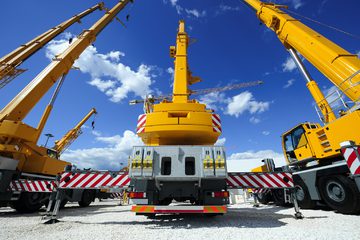
Different construction projects demand fundamentally different lifting strategies. The industry’s evolution is less about finding the biggest machine and more about identifying the equipment that best matches the project’s constraints.
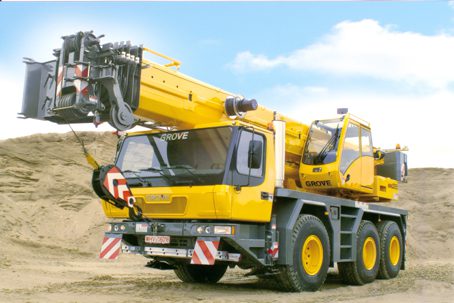
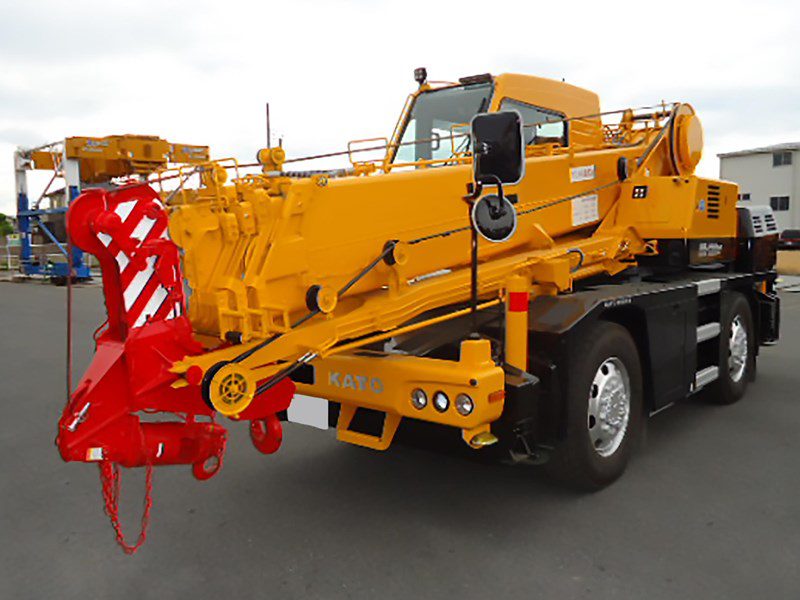
Mobile crane hire continues to play an essential role where flexibility is critical. Infrastructure upgrades, bridge maintenance, utility installations, and industrial works often require equipment capable of moving efficiently between multiple locations without extensive setup times. These cranes provide adaptability for projects where construction activities shift rapidly or occur across dispersed worksites.
High-rise developments tell a different story. Here, tower crane hire remains central to sustained vertical construction. Once installed, tower cranes become part of the project’s rhythm, supporting continuous material movement over many months while operating within tightly coordinated construction schedules. Their efficiency comes not from mobility but from consistency and lifting reach.
Dense urban environments introduce another layer of complexity. Buildings positioned close together leave little room for wide slewing movements, making conventional lifting solutions less practical. In these situations, luffing crane hire offers an effective alternative because the crane’s boom can operate within a more confined radius. That precision allows construction to continue safely despite neighbouring structures, busy streets, or restricted airspace.
The distinction between these crane types reflects a broader industry trend. Rather than standardising equipment across projects, Australian construction increasingly favails itself of specialised lifting solutions tailored to individual site conditions.
Sydney’s Tightest Sites Demand Greater Precision
Nowhere is this evolution more visible than in Northern Sydney, where transport upgrades, mixed-use developments, healthcare facilities, and commercial redevelopment often occur within densely occupied urban corridors.
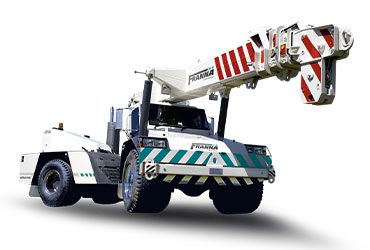
On projects where both accessibility and versatility are essential, franna crane hire northern sydney has become a practical option for moving materials across confined construction zones. Pick-and-carry cranes can transport loads over short distances without requiring separate lifting and transport equipment, making them particularly useful where space restrictions limit traditional site logistics. Their role demonstrates how construction planning increasingly values operational efficiency alongside lifting capacity.
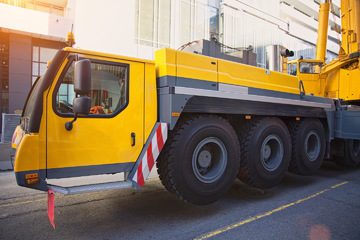
Similarly, an all-terrain crane hire Sydney project may become the preferred solution when work demands substantial lifting capability while also requiring travel across varying road conditions before arriving at site. Infrastructure works on the city’s outskirts frequently benefit from this combination of mobility and lifting performance, particularly where multiple lifting tasks must be completed within compressed schedules.
Neither approach represents a universal solution. Instead, each reflects how equipment selection has become increasingly responsive to local conditions rather than broad assumptions.
Regulation Is Quietly Changing Crane Operations
Much of the crane industry’s transformation has occurred away from public attention.
Australian workplace safety expectations have steadily evolved, with regulators such as WorkSafe authorities and state-based workplace safety agencies placing greater emphasis on planning, operator competency, lift studies, exclusion zones, and risk management. Compliance today extends well beyond equipment certification.
Project documentation has become considerably more detailed. Lift planning frequently incorporates digital modelling, engineering assessments, weather monitoring, and communication protocols before major lifting operations commence.
Technology has reinforced these changes. Many operators now employ GPS fleet tracking, electronic load monitoring, anti-collision systems, and digital maintenance records to improve both operational oversight and equipment reliability. These tools support better decision-making while creating clearer audit trails for increasingly complex projects.
Operator qualifications have also received greater attention. As lifting operations become more technically demanding, ongoing training and competency assessment are viewed less as regulatory obligations and more as practical safeguards against costly project interruptions.
Sustainability Is Becoming Part of Equipment Decisions
Environmental considerations are beginning to influence crane hire in ways that extend beyond emissions alone.
Project teams increasingly seek to reduce unnecessary equipment movements, minimise idle operating time, and improve fuel efficiency through more accurate scheduling. Better planning often delivers both environmental and commercial benefits simultaneously.
Digital scheduling systems allow cranes to remain productive for a greater proportion of each shift while reducing avoidable transport between sites. Preventive maintenance supported by real-time equipment monitoring can also extend machinery lifespan, reducing both operational costs and resource consumption.
Although sustainability discussions often focus on building materials or energy-efficient design, construction logistics—including lifting operations—are gradually becoming part of broader environmental performance assessments.
The Next Phase of Australia’s Building Boom
Australia’s future infrastructure will depend on more than engineering ambition. It will require increasingly sophisticated coordination between planners, contractors, regulators, equipment specialists, and project managers operating within tighter physical and economic constraints.
Crane hire sits at the centre of that coordination more often than many outside the industry realise.
The cranes rising above Sydney are visible markers of development, but the more significant story lies in the planning decisions beneath them. Selecting between mobile lifting solutions, tower installations, specialised urban cranes, or regional transportable equipment increasingly shapes how efficiently projects progress, how safely they operate, and how successfully Australia’s cities adapt to continued growth.
As urban density increases and infrastructure investment continues across the country, crane selection is becoming less about machinery and more about strategy. That quiet evolution may never attract the same attention as the buildings themselves, but it is steadily influencing how Australia’s next generation of cities takes shape.