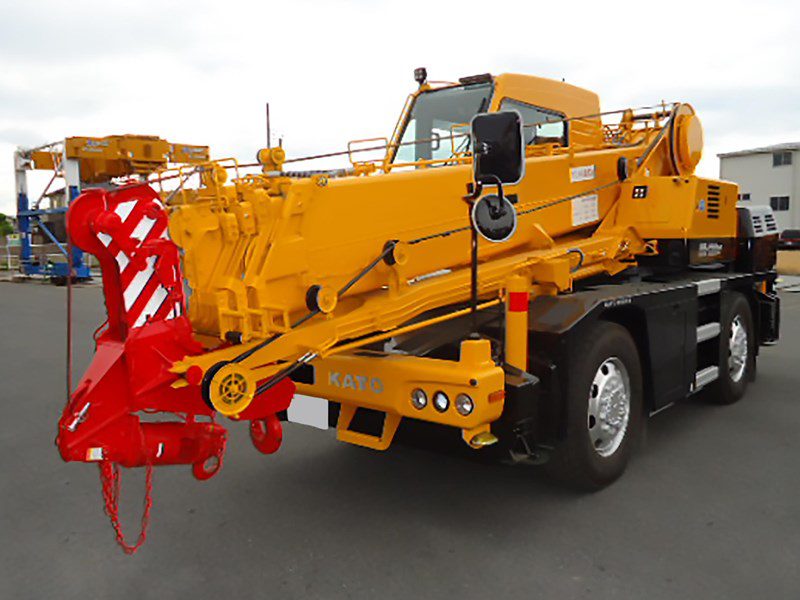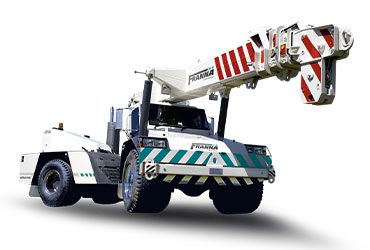
As Sydney’s skyline grows denser and infrastructure projects become increasingly complex, mobile crane hire is no longer just a construction service—it has become a strategic decision that influences safety, efficiency, and the way Australian cities evolve.
Sydney wakes early. Before office workers fill train platforms and cafés open their doors, construction sites are already in motion. Cranes swing into position above apartment towers, hospital expansions, transport corridors, and commercial developments, quietly orchestrating the movement of materials that will shape the city’s next chapter. From street level, they appear to be little more than machinery. For project managers and infrastructure planners, however, every crane represents a carefully calculated decision that affects timelines, budgets, safety, and urban development itself.
That reality explains why mobile crane hire Sydney has become increasingly significant across Australia’s construction sector. Choosing the right lifting equipment is no longer a routine procurement exercise completed shortly before work begins. It has evolved into a strategic process that reflects broader changes across construction, from tightening safety regulations and labour shortages to denser urban environments and rapidly advancing technology.
The conversation surrounding cranes has shifted because the industry itself has changed.
Cities Are Growing More Complex, Not Simply Larger
Australia continues to experience sustained investment in residential housing, transport infrastructure, healthcare facilities, renewable energy, and commercial development. Yet unlike previous construction cycles, much of today’s growth occurs within existing urban environments rather than on undeveloped land.
Sydney illustrates this transformation better than most Australian cities. New projects frequently sit beside operating railway lines, busy motorways, heritage buildings, schools, and occupied office towers. Construction teams are expected to complete increasingly ambitious developments while causing minimal disruption to surrounding communities.
These conditions have fundamentally changed how projects are planned. Site access is often restricted, delivery windows are tightly controlled, and available working space continues to shrink. Every major lifting operation requires detailed coordination long before equipment arrives on site.
In this environment, crane selection has become an integral part of project planning rather than a logistical afterthought. Procurement decisions increasingly influence construction sequencing, engineering design, traffic management, and overall project risk.
Why Flexibility Has Become an Operational Advantage
The growing demand for mobile crane hire Sydney reflects one defining characteristic of modern construction: uncertainty.
Few projects now progress exactly according to their original schedule. Material deliveries change, weather interrupts operations, engineering requirements evolve, and labour availability fluctuates throughout construction. Equipment that can adapt alongside these changes offers significant operational advantages.
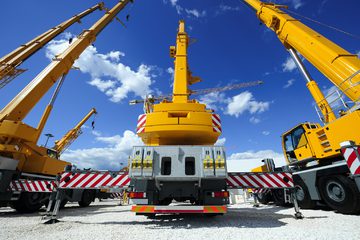
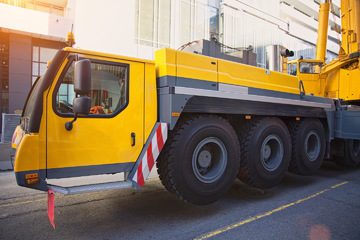
Mobile cranes provide that flexibility because they can move efficiently between multiple locations, reposition throughout different construction phases, and support projects requiring short-term lifting solutions. Infrastructure maintenance, utility installations, industrial shutdowns, bridge repairs, and commercial refurbishments often require heavy lifting for limited periods rather than continuous operation.
Instead of committing to permanent lifting infrastructure, contractors can deploy equipment only when specific construction activities demand it.
This flexibility became particularly valuable during the post-pandemic recovery, when supply chain disruptions demonstrated how rapidly carefully planned construction programs could shift. Many project teams now place greater emphasis on adaptability alongside lifting capacity when evaluating equipment options.
Every Crane Solves a Different Construction Problem
Although mobile cranes have become increasingly important, they remain only one component of Australia’s broader lifting strategy. The industry’s evolution has reinforced a simple principle: different construction challenges require different lifting solutions.
High-rise developments continue to depend on tower crane hire, particularly where projects require continuous lifting over many months. Apartment towers, office developments, and mixed-use precincts rely on tower cranes to move structural steel, concrete components, façade systems, and mechanical equipment efficiently throughout extended construction programs. Their fixed location provides consistent lifting capability while supporting high-volume vertical construction.
Urban density introduces another challenge. As development sites become smaller and neighbouring buildings move closer together, traditional crane movement becomes increasingly restricted. This has contributed to greater demand for luffing crane hire, particularly across Sydney’s inner-city developments. With an adjustable boom designed to operate safely within confined airspace, luffing cranes allow construction teams to complete precision lifting while reducing interference with surrounding structures.
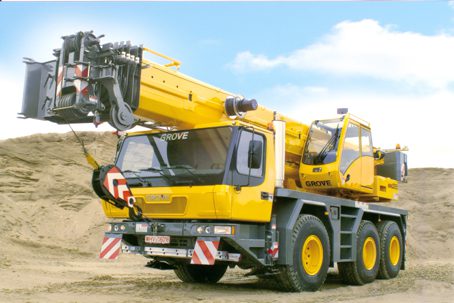
Infrastructure projects present different operational requirements altogether. Road upgrades, bridge construction, renewable energy installations, and industrial developments frequently involve changing terrain and multiple work locations. In these circumstances, all-terrain crane hire Sydney offers a practical solution by combining substantial lifting capacity with the ability to travel efficiently between paved roads and more challenging construction environments.
Rather than competing technologies, these crane types demonstrate how Australia’s construction industry increasingly selects equipment according to project conditions instead of relying on standardised approaches.
Regulation Is Reshaping Planning Culture
The industry’s evolution extends well beyond equipment itself.
Across Australia, workplace safety expectations continue to become more comprehensive. WorkSafe authorities and state regulators increasingly emphasise documented lift planning, operator competency, engineering verification, equipment inspections, and structured risk management throughout construction projects.
These regulatory developments have altered when crane decisions occur.
Many construction teams now integrate lifting specialists into early project planning discussions alongside structural engineers, architects, and construction managers. Lift planning increasingly influences site layout, material storage, construction sequencing, and traffic management before physical work begins.
Comprehensive lift studies, exclusion zones, weather assessments, communication protocols, and engineering approvals have become standard practice across major projects.
This reflects an important shift in industry thinking. Safety is no longer viewed as a compliance exercise completed after design decisions have been made. Instead, it increasingly shapes those decisions from the outset.
Technology Is Quietly Changing Crane Operations
The cranes visible across Sydney’s skyline may appear familiar, but the technology supporting them has changed considerably.
Many operators now utilise GPS fleet tracking, digital maintenance management, electronic inspection records, load monitoring systems, and real-time operational reporting. These technologies improve equipment utilisation while allowing maintenance teams to identify potential issues before they interrupt construction schedules.
Digital planning has become equally influential. Three-dimensional modelling enables project teams to simulate lifting operations before equipment reaches the site, identifying potential conflicts with surrounding buildings, overhead utilities, transport infrastructure, and restricted work areas.
Load management systems provide operators with continuous performance data during complex lifts, improving both precision and operational confidence.
Importantly, these technologies do not replace skilled operators. Instead, they enhance human decision-making while helping construction teams manage increasingly complicated urban environments with greater certainty.
Sustainability Is Influencing Equipment Decisions
Environmental performance has also become part of modern crane strategy.
Developers, infrastructure authorities, and project owners face growing expectations to reduce emissions, improve fuel efficiency, and minimise unnecessary equipment movements. Crane deployment contributes directly to these objectives.
Selecting equipment that closely matches project requirements reduces fuel consumption, avoids unnecessary machine hours, and limits repeated transportation between construction sites. Careful scheduling also helps minimise traffic disruption within busy urban environments while supporting broader sustainability objectives.
For contractors, efficient lifting operations increasingly deliver environmental benefits alongside operational efficiencies, demonstrating how commercial and sustainability priorities can reinforce one another.
What Sydney Reveals About Australia’s Construction Future
The cranes that define Sydney’s skyline represent far more than ongoing development. They reflect an industry adapting to tighter regulations, denser cities, changing workforce dynamics, advancing technology, and rising expectations around environmental performance.
These pressures will not disappear. Australia’s population will continue to grow, infrastructure investment will remain essential, and construction sites will become even more constrained as urban density increases.
Against that backdrop, procurement decisions surrounding lifting equipment will carry greater strategic importance than ever before. Mobile crane hire Sydney has become one example of how construction planning is evolving from operational coordination toward integrated project strategy.
The next generation of Australian infrastructure will not be shaped solely by architectural ambition or engineering capability. It will also depend on thousands of practical decisions made long before buildings rise above the skyline. Among the most significant is choosing the right lifting solution for the right environment. As Sydney continues to redefine its urban landscape, that decision increasingly determines not only how projects are delivered, but how efficiently Australia’s cities continue to grow.