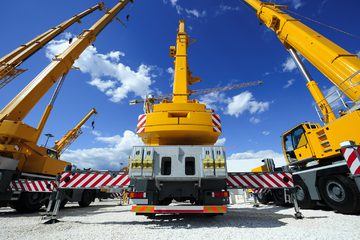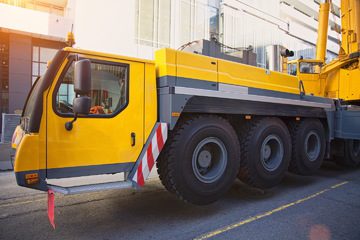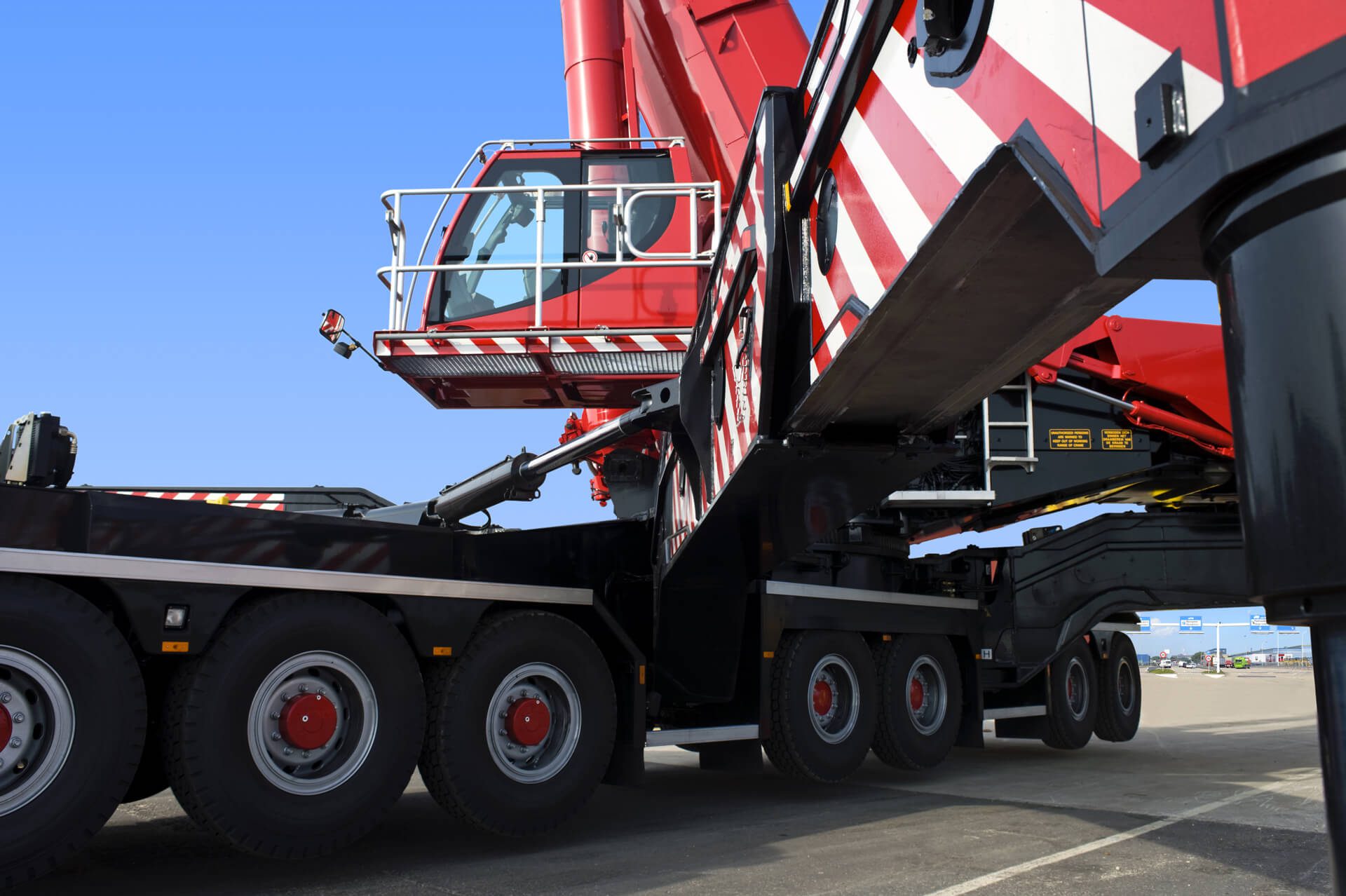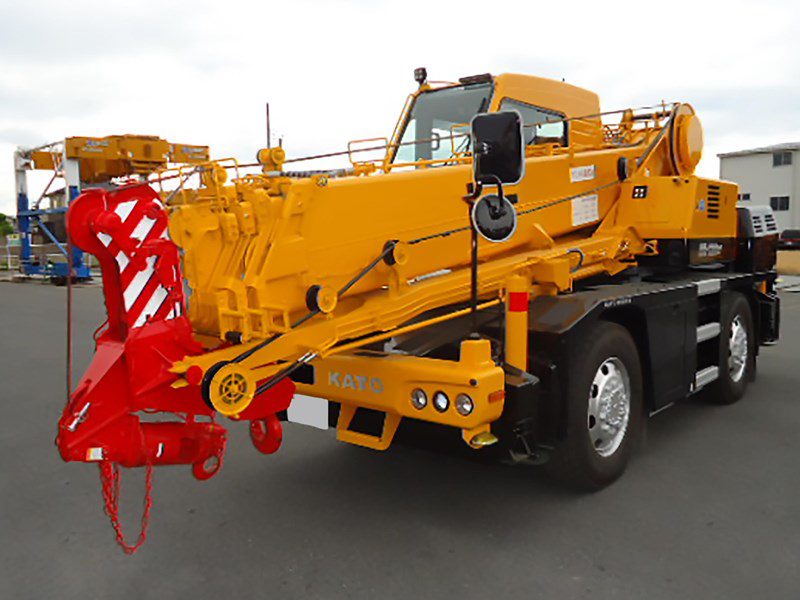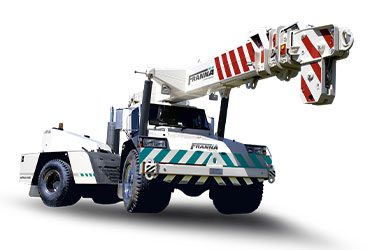
A crane rising above a Sydney construction site is easy to read as a symbol of growth. Look closer, however, and it tells a more complicated story. Behind every lift is a chain of decisions about access, timing, ground conditions, safety, labour and the surrounding city. On a constrained urban site, choosing the right crane can influence not only whether a load reaches its destination, but how efficiently an entire project proceeds.
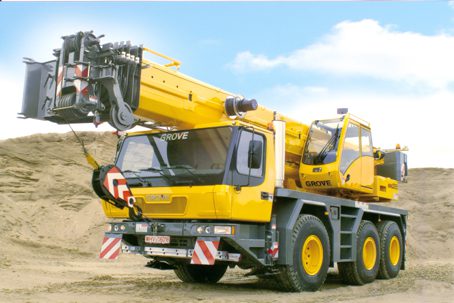
That is why mobile crane hire Sydney is increasingly relevant to a much broader discussion about construction strategy. Mobile cranes are not simply machines that move heavy materials. Their mobility can become an important logistical advantage when work changes from one part of a site to another, when several lifting operations need to be coordinated, or when a project must operate within a tightly controlled urban footprint.
The significance extends beyond Sydney. Across Australia, construction is becoming more constrained by density, infrastructure demands, labour availability and increasingly sophisticated safety expectations. Crane selection is consequently moving away from a narrow equipment calculation and toward a more strategic assessment of how a project will function.
Sydney’s Construction Sites Are Running Out of Spare Space
Sydney’s urban development presents a particular challenge because new construction rarely occurs in isolation.
A high-rise project may sit between occupied buildings. A transport upgrade can operate beside active roads and pedestrian routes. An industrial development may require heavy components to be delivered and installed while other trades continue working nearby. Even projects on comparatively open sites can face restrictions created by services, access roads, neighbouring properties and environmental conditions.
In such circumstances, space becomes a form of infrastructure.
The crane must fit into the construction sequence rather than simply fit the load chart. A machine that has adequate lifting capacity may still be unsuitable if its setup requirements conflict with site access or if repositioning it would create unacceptable disruption.
This is where mobile crane hire can become strategically useful. Because mobile cranes are designed for movement between work areas, they can support projects in which lifting requirements change over time. A contractor may need substantial lifting capacity during one phase and a different positioning arrangement later. Mobility provides another variable with which the construction team can manage that change.
The advantage is not automatic. Ground conditions, setup space, access, load characteristics and traffic controls all remain critical. But the ability to move equipment can make the overall construction plan more adaptable.
Crane Selection Is Really a Question of Project Design
The differences between crane types become clearer when viewed through the problems they are expected to solve.
A mobile crane is generally suited to work where flexibility and repositioning matter. Consider a project involving several heavy installations across a broad site. Rather than maintaining a fixed lifting position throughout the program, the equipment may need to move as the work front develops. In that context, mobility can be more important than maintaining a permanent presence.
Tower cranes answer a different requirement. On a major high-rise project, lifting may occur continuously over an extended period. Materials need to reach different floors repeatedly, and the construction program depends on a consistent vertical lifting system. Tower crane hire can therefore make sense when a fixed, long-duration operation becomes central to the project’s structure.
Luffing cranes address another urban constraint: limited horizontal working space. A conventional crane’s operating radius can create challenges when nearby buildings, roads or property boundaries restrict oversailing. Luffing crane hire can provide an alternative where controlling the jib’s working envelope is a major consideration.
There are also situations where road mobility and lifting capability need to work together. For certain complex metropolitan projects, all-terrain crane hire Sydney may be considered where equipment must travel between locations while also providing substantial lifting performance once positioned.
The important distinction is that these machines are not competing versions of the same solution. They respond to different site conditions.
For project managers and procurement teams, this means crane selection should be considered alongside construction sequencing, logistics and site planning. The equipment decision can affect how materials arrive, where workers operate and how different trades interact.
The Cost of Waiting Is Often Invisible
Construction costs are usually measured in dollars, but some of the most consequential losses appear first as lost time.
A crane that cannot access its planned position can delay a lift. A delivery arriving before the lifting area is prepared can create congestion. Workers waiting for equipment can disrupt the sequence of other trades. A change in crane position can require additional traffic management or alterations to the site plan.
None of these consequences necessarily appears in the initial equipment quote.
This is why mobility can matter economically even when it does not represent the cheapest equipment arrangement on paper. The relevant comparison is often between the total operational effect of a crane strategy and the cost of alternative arrangements.
For Sydney projects, this calculation can become particularly sensitive because construction activity often takes place alongside established communities and infrastructure. The surrounding road network cannot always be treated as an extension of the worksite.
A crane operation can influence delivery windows, pedestrian movement and traffic controls. A decision made during procurement can therefore have consequences well beyond the site boundary.
Safety Has Become Part of the Procurement Decision
The regulatory environment reinforces this wider view.
Australian work health and safety frameworks place responsibilities on businesses to identify hazards and manage risks associated with plant, equipment and construction activities. In New South Wales, SafeWork NSW provides regulatory guidance and oversight relevant to crane operations and other high-risk construction work.
For crane planning, safety considerations begin well before the lift.
Ground stability, crane configuration, load characteristics, exclusion zones, overhead services, power lines, wind conditions and communication procedures all influence whether an operation can proceed safely. Site access and traffic interfaces may also need careful planning when mobile equipment enters or leaves a construction area.
That makes the question of whether a crane can perform a lift different from whether the entire lifting operation can be performed safely under the actual site conditions.
Operator competency is another important element. Australia’s high-risk work licensing system establishes requirements for specified crane-related activities, meaning equipment selection cannot be separated from the qualifications, experience and responsibilities of the people operating and managing the lift.
The result is a more integrated approach. Engineers, safety professionals, project managers and equipment planners increasingly need to consider the same lifting operation from different perspectives.
Technology Is Making Crane Operations More Visible
The machines themselves remain fundamentally mechanical, but the information surrounding them is becoming increasingly digital.
Telematics, positioning systems, load monitoring and electronic safety controls can provide project teams with greater visibility into equipment use and operating conditions. Digital records can also contribute to maintenance planning and help managers understand how equipment is being deployed across a project.
This matters because construction productivity depends heavily on coordination.
A crane does not operate independently of the schedule. Its effectiveness depends on whether materials are ready, access is available, workers are positioned correctly and the next activity can begin without unnecessary delay. Digital planning systems can increasingly connect these elements.
The future may therefore involve less separation between crane management and broader construction management. Lifting operations can become another stream of information within a project’s digital planning environment.
That does not remove the need for engineering judgement. Instead, it gives decision-makers more information with which to apply it.
Sydney’s Cranes Reveal a Larger Construction Shift
The cranes visible across Sydney are more than temporary structures above construction sites. They are indicators of how the economics and logistics of urban development are changing.
As cities become denser, projects have less room to absorb poor planning. As infrastructure programs become more interconnected, lifting activities must fit within increasingly complex schedules. As safety expectations develop, equipment selection must account for more than capacity alone.
This does not mean mobile cranes will replace tower or luffing cranes. The opposite is more likely: construction will increasingly depend on choosing the appropriate equipment for each specific environment.
For Australia’s urban future, that distinction matters. The efficiency of a construction project is shaped not only by the materials being used or the design being built, but by the systems that move those materials into place.
The next stage of Australian construction will therefore require a more strategic understanding of lifting. In Sydney, where every square metre of urban space can carry competing demands, the crane is becoming part of a larger question: how can cities continue to grow while using limited space, time and resources more intelligently?
The answer will not be found in one type of crane. It will be found in better decisions about how each machine fits the city around it.