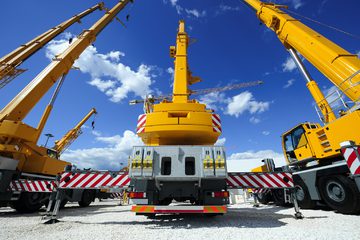
Western Sydney’s skyline tells a story that extends far beyond new apartment towers or expanding industrial estates. At dawn, cranes rise above transport corridors, logistics hubs, hospitals, schools, and mixed-use developments, quietly marking the pace of one of Australia’s fastest-growing urban regions. Yet the most significant decisions shaping these projects are often made long before steel is lifted into place. Increasingly, those decisions revolve around crane strategy.
For years, crane hire was treated largely as a logistical requirement—a necessary piece of construction planning that followed design and procurement. Today, that assumption no longer holds. As projects become more complex, urban sites become more constrained, and delivery schedules become tighter, crane selection has evolved into a strategic decision that influences productivity, safety, costs, and project certainty. The growing importance of mobile crane hire Western Sydney reflects a broader shift in how Australia’s construction industry approaches infrastructure delivery.
A Region Growing Faster Than Traditional Construction Models
Western Sydney has become one of Australia’s most dynamic construction markets. Population growth, major transport investments, industrial expansion, and new residential communities have created an unprecedented pipeline of infrastructure projects. Unlike developments in established CBD locations, however, Western Sydney combines dense urban renewal with expansive greenfield construction, requiring contractors to work across highly varied environments.
This diversity creates unique operational challenges. One week a contractor may be installing structural components at a logistics warehouse near an industrial precinct. The next, they may be lifting heavy mechanical equipment into a hospital extension or positioning prefabricated concrete elements within a busy commercial corridor.
Traditional equipment planning, based on long-term fixed installations, is increasingly giving way to more adaptable lifting solutions. That is one reason mobile crane hire Western Sydney has become a critical consideration for project managers seeking flexibility without sacrificing efficiency.
Why Crane Selection Has Become a Strategic Decision
Construction timelines across Australia continue to face pressure from labour shortages, material scheduling, weather disruptions, and increasingly demanding project deadlines. In this environment, delays caused by equipment availability or inefficient lifting operations can have consequences that ripple across an entire project schedule.
Modern crane selection therefore involves balancing multiple variables rather than simply choosing the largest available machine. Site access, surrounding buildings, traffic management, lifting capacity, ground conditions, environmental constraints, and future construction stages all influence the decision.
A project located within a constrained suburban redevelopment may require entirely different lifting capabilities than an industrial warehouse expansion only a few kilometres away. Matching equipment to project conditions has become an exercise in operational planning rather than equipment procurement.
This evolution explains why crane hire discussions increasingly occur during early project planning instead of immediately before construction begins.
Different Projects Demand Different Crane Solutions
Australia’s construction landscape illustrates that no single crane type fits every project.
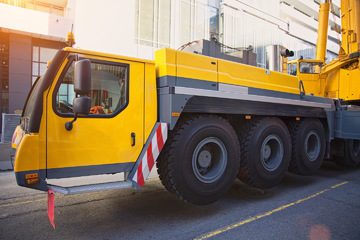
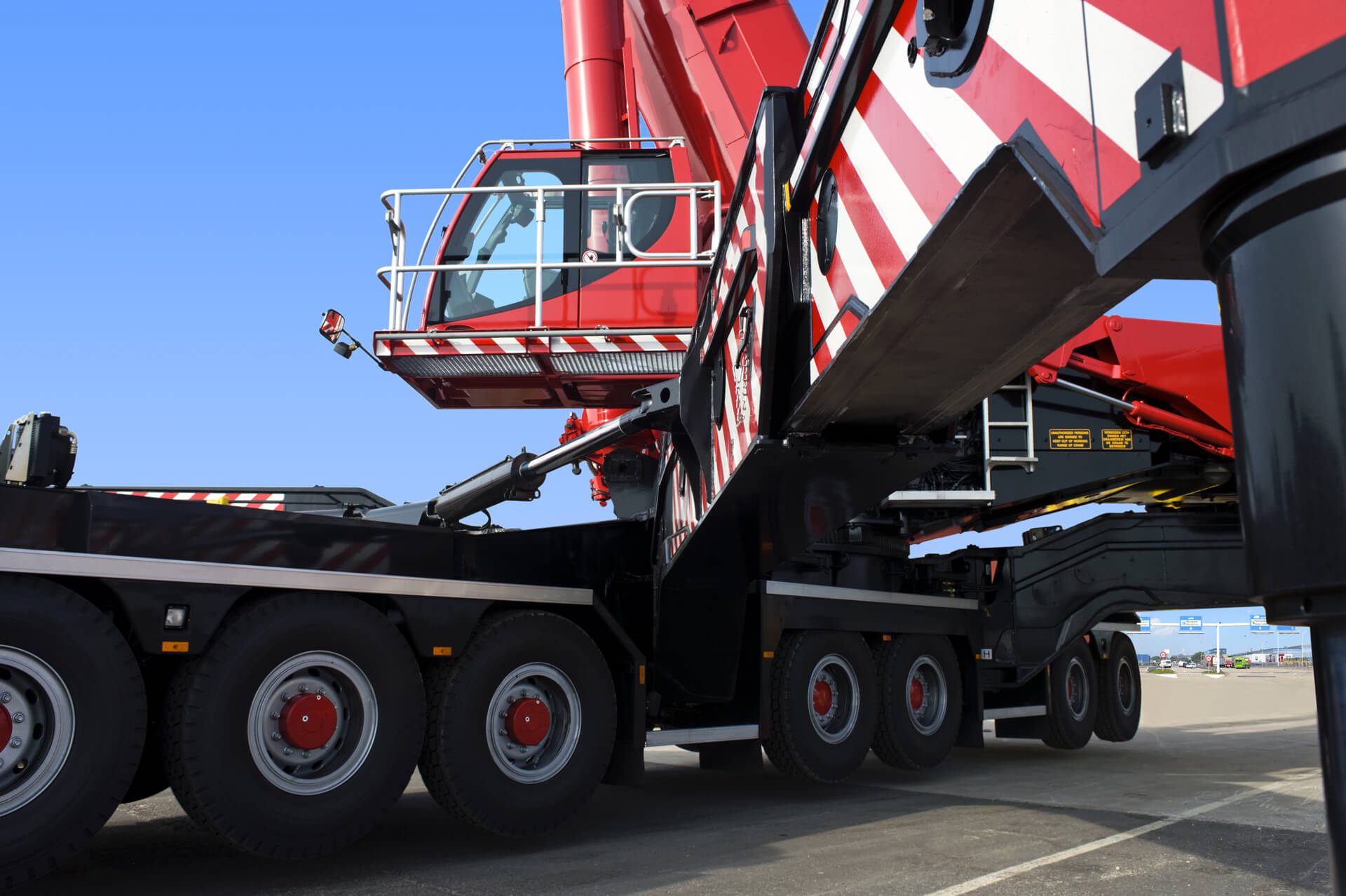
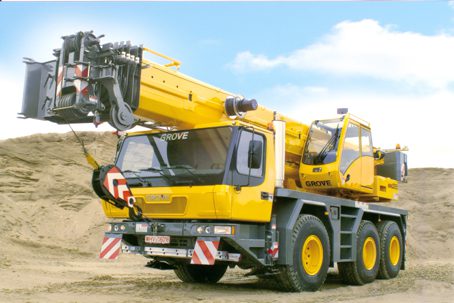
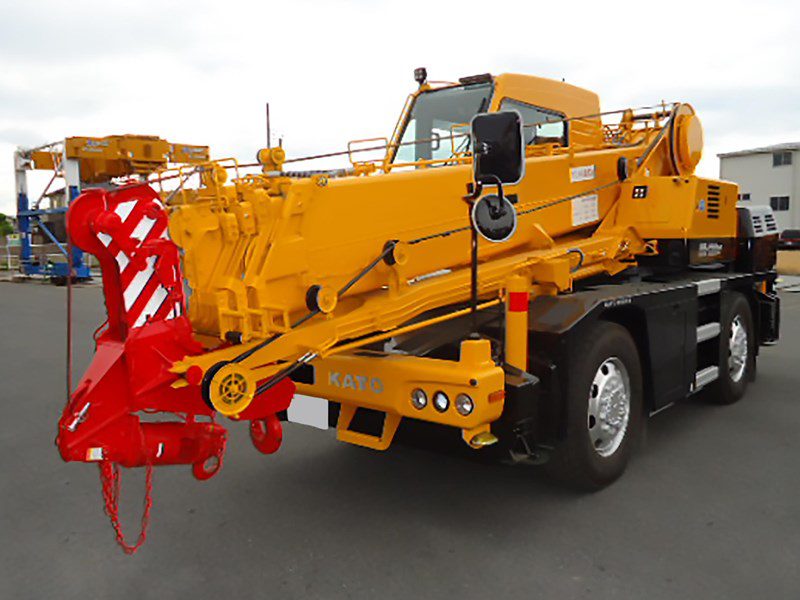
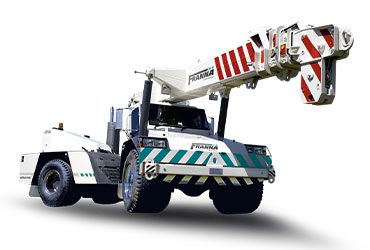
Mobile crane hire has become particularly valuable where flexibility determines project success. Contractors managing multiple locations often need equipment capable of travelling efficiently between sites while maintaining substantial lifting capacity. Utility upgrades, bridge maintenance, infrastructure repairs, commercial developments, and industrial installations all benefit from equipment that can be deployed quickly without lengthy setup periods.
In Western Sydney, where infrastructure projects frequently extend across rapidly developing suburbs, mobility often becomes just as valuable as lifting performance. The ability to reposition equipment efficiently allows construction teams to maintain momentum across changing project requirements.
By contrast, tower crane hire serves an entirely different purpose. High-rise residential developments, commercial towers, and long-duration vertical construction projects require continuous lifting over extended periods. Rather than moving between locations, tower cranes become integrated into the construction process itself, supporting repetitive material movement as buildings rise floor by floor.
Then there are projects where available space becomes the defining constraint. Dense urban developments positioned close to neighbouring buildings often require luffing crane hire because traditional tower crane configurations simply cannot operate safely within restricted airspace. Their ability to adjust boom angles allows lifting operations to continue while minimising oversailing adjacent properties, an increasingly important consideration in Australia’s growing metropolitan centres.
These distinctions demonstrate that successful crane strategy is rarely about choosing the most powerful machine. Instead, it depends on selecting equipment that aligns with the physical realities of each individual project.
Safety Expectations Continue to Rise
Australia’s construction industry has experienced significant regulatory evolution over the past decade. Safety expectations now extend well beyond operator competence to encompass planning, risk assessment, equipment monitoring, documentation, and ongoing compliance throughout project delivery.
State regulators, including SafeWork authorities, have strengthened expectations surrounding lift planning, operator qualifications, site supervision, exclusion zones, and equipment maintenance. These developments reflect a broader recognition that complex lifting operations require systematic management rather than reactive decision-making.
For contractors, this means crane hire decisions increasingly involve evaluating operational processes alongside equipment capabilities. Documentation, inspection regimes, maintenance records, and operator competency have become integral parts of procurement conversations.
Rather than slowing projects, stronger safety frameworks increasingly provide greater predictability by reducing the likelihood of incidents that can halt construction entirely.
Technology Is Quietly Changing Crane Operations
Much of construction’s technological transformation receives attention through drones, digital modelling, or artificial intelligence. Yet crane operations are undergoing equally significant change, often without attracting the same public visibility.
Many operators now utilise GPS tracking, digital maintenance systems, load monitoring technology, and real-time equipment diagnostics that improve operational oversight throughout a project’s duration. Digital lift planning tools enable engineers to assess site constraints before equipment arrives, reducing uncertainty during installation.
Building Information Modelling (BIM) also allows lifting sequences to be coordinated alongside broader construction scheduling, helping contractors identify potential conflicts before work begins.
These technologies do not replace experienced operators or engineers. Instead, they provide better information for making decisions in environments where construction complexity continues to increase.
Sustainability Is Influencing Equipment Choices
Environmental considerations are gradually reshaping construction procurement across Australia. Developers increasingly evaluate projects not only through financial performance but also through operational efficiency and environmental impact.
Crane utilisation contributes to this conversation in practical ways. Efficient lifting strategies reduce idle equipment time, minimise unnecessary transport movements, and improve coordination across construction activities. Selecting appropriately sized equipment can reduce fuel consumption while avoiding delays caused by underpowered machinery.
Although cranes represent only one component of a project’s environmental footprint, they illustrate how operational decisions increasingly intersect with broader sustainability objectives.
As infrastructure investment continues to expand across Western Sydney, these considerations are likely to become more prominent rather than less.
What Western Sydney Reveals About Australia’s Construction Future
The growing importance of mobile crane hire western Sydney reflects more than regional development. It illustrates a wider transformation taking place across Australia’s construction industry.
Infrastructure delivery is becoming more integrated, more regulated, and more dependent on careful planning than ever before. Crane selection now influences project certainty in ways that were less visible a generation ago, connecting engineering decisions with commercial outcomes, safety performance, and urban development.
For construction professionals, this shift requires a broader perspective that recognises equipment strategy as part of overall project planning rather than a separate logistical exercise.
For the wider public, the cranes visible across Western Sydney’s expanding skyline represent more than symbols of growth. They reflect an industry adapting to denser cities, more demanding infrastructure, evolving regulations, and higher expectations around safety and efficiency.
As Australia’s cities continue to expand, the cranes themselves may remain familiar. The thinking behind where, when, and how they are deployed, however, is changing rapidly—and that evolution may prove just as important as the buildings they help create.