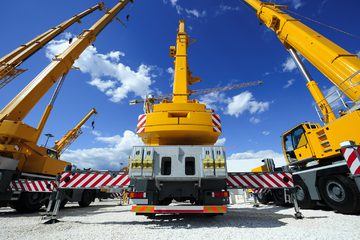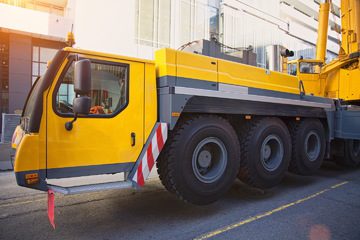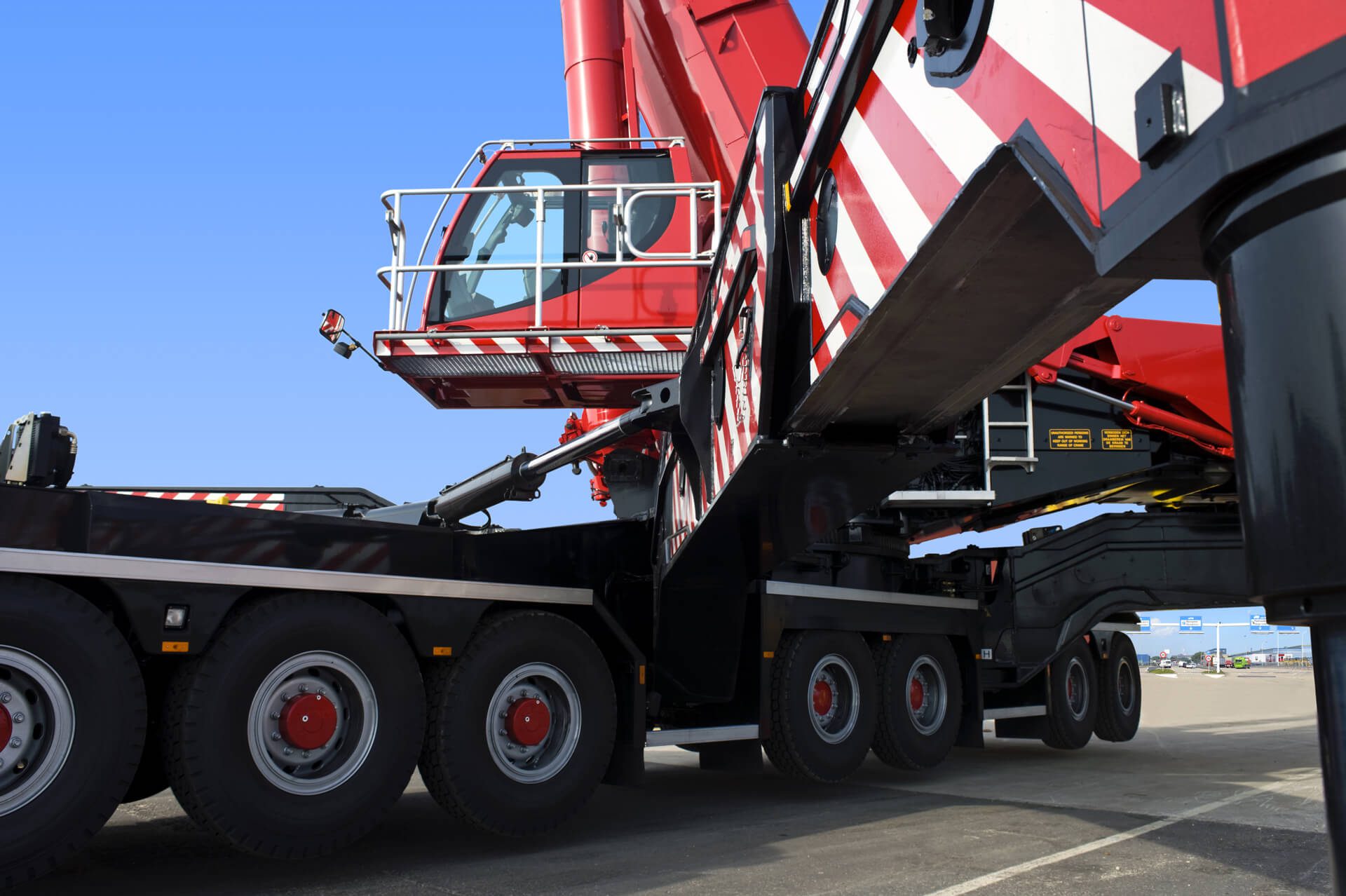
A crane working above a Sydney construction site is easy to overlook. Against the city’s changing skyline, lifting equipment has become almost ordinary. Yet behind each major lift sits a set of decisions that can influence the cost, timing and safety of an entire development. Where should the crane stand? How will it reach the site? Can it move as construction progresses? What happens when the surrounding road, buildings or work areas leave little room for error?
These questions explain why mobile crane hire Sydney is becoming more than an equipment choice. It is increasingly part of the logistical strategy behind urban construction.
Sydney is not unique in facing these pressures. Across Australia, construction projects are becoming more complex as cities become denser, infrastructure programs expand and development takes place alongside existing communities. The result is a construction environment where flexibility has economic value, but where flexibility must operate within strict engineering and safety boundaries.
The crane, in other words, is becoming part of the project’s wider operating system.
Urban Density Changes the Calculation
Construction once had more room to absorb inefficiency. On a large, undeveloped site, moving equipment or adjusting delivery schedules might have been inconvenient but manageable. In a dense city, the same decision can affect traffic, neighbouring properties, pedestrians and other contractors.
Sydney’s development pattern makes this especially visible. New buildings frequently rise beside existing structures, while infrastructure projects must work around established roads, rail corridors, utilities and public spaces. Construction teams cannot assume that the area surrounding a site is available for temporary use.
That changes how lifting equipment is assessed.
A mobile crane can offer a degree of adaptability when lifting requirements shift between stages of a project. It may be used for structural components during one phase, repositioned for plant installation later and then removed when the lifting requirement ends. This does not mean mobility automatically produces savings. Setup conditions, ground bearing capacity, access, transport arrangements and traffic management all have to be considered.
But the underlying advantage is clear: the equipment can be incorporated into a changing construction sequence rather than being tied to a single position.
That can matter when projects have multiple work fronts or when contractors must coordinate lifting operations with other activities taking place simultaneously.
Different Cranes Reflect Different Construction Problems
The debate over crane selection becomes more useful when it moves beyond the machinery itself.
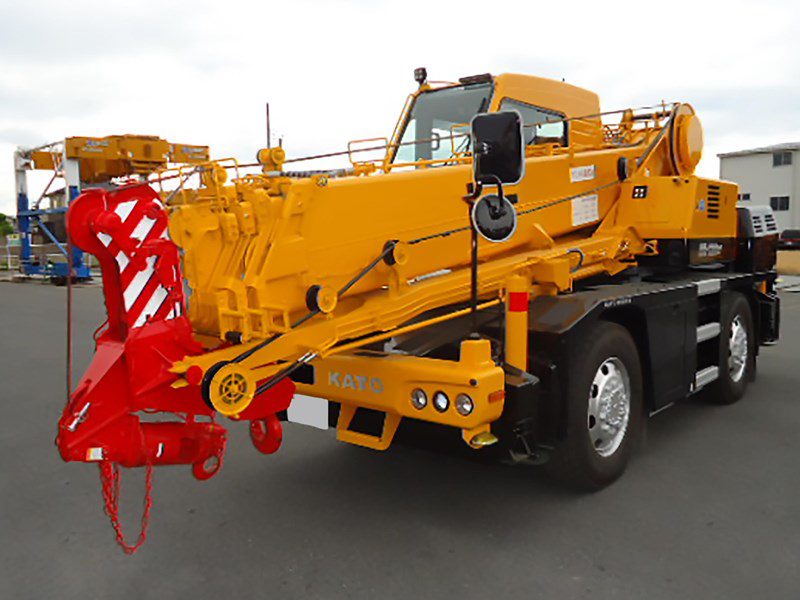
A mobile crane is generally associated with projects where movement and changing access requirements are important. A contractor working across a broad industrial site, for example, may need to lift heavy equipment at several locations. The ability to reposition the crane can become part of the project’s logistics strategy.
A tower crane solves a different problem. On a high-rise development, the construction team may require thousands of lifts over many months. Materials must move vertically and repeatedly between ground level and upper floors. In such a situation, tower crane hire can support a sustained lifting cycle from a relatively fixed location.
Luffing cranes address the particular spatial pressures of dense urban development. A conventional jib operating across a large radius can create conflicts with neighbouring properties or other structures. Luffing crane hire can be relevant when controlling the crane’s horizontal working envelope is an important part of site planning.
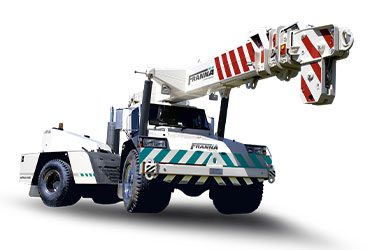
There are also projects where road mobility and lifting capacity need to coexist. In some metropolitan applications, all-terrain crane hire Sydney may be considered where equipment must travel between locations while still providing substantial lifting capability after reaching the worksite.
None of these arrangements represents a universal solution. The appropriate choice depends on the relationship between load, height, reach, duration, access, ground conditions and the surrounding environment.
That is why crane selection increasingly belongs in early project planning. It affects more than lifting. It can influence site layout, delivery schedules, labour coordination and the sequence in which different trades can operate.
Time Is Becoming as Important as Capacity
The financial importance of crane selection is often hidden in the cost of delay.
If a crane cannot reach its planned position, a lifting operation may have to be rescheduled. If workers are ready but the equipment or materials are not, productivity can fall across several trades. If a crane needs to be repositioned unexpectedly, the project may require additional traffic controls or changes to the site layout.
These costs may never appear on the initial equipment quotation.
This makes flexibility valuable, but only when it is planned properly. Mobile crane operations require careful consideration of setup locations, access routes, ground conditions and the sequence of lifts. The ability to move a machine is useful only when the project has been designed around that capability.
Sydney’s roads make the issue even more pronounced. Construction sites operate within a functioning city rather than an isolated industrial environment. Deliveries, pedestrian movement and traffic flows can continue around the worksite. A crane operation therefore has consequences beyond the site’s physical boundary.
For project managers, this means the economics of lifting equipment should be assessed against the entire construction program, not simply the daily or hourly hire rate.
Regulation Makes Planning More Important
Safety requirements add another dimension to the decision.
Australian work health and safety frameworks place responsibilities on businesses to identify hazards and manage risks associated with plant and construction activities. In New South Wales, SafeWork NSW provides regulatory oversight and guidance relevant to high-risk construction work and crane operations.
The practical effect is that crane safety begins long before the machine arrives.
Ground stability, load characteristics, exclusion zones, overhead services, power lines, weather conditions and interaction with other site activities can all affect the feasibility of a lift. For mobile equipment, the route into the site and the conditions at the setup location can be just as important as the crane’s rated capacity.
A machine may be capable of lifting a particular load in theory while still being unsuitable for the actual site conditions.
Operator competency is equally important. Australia’s high-risk work licensing framework establishes requirements for specified crane-related activities, making qualified personnel a fundamental part of any lifting strategy.
The result is a broader shift in responsibility. Procurement, engineering, safety and project management increasingly overlap when decisions about lifting equipment are made.
Technology Is Changing the Information Behind the Crane
The cranes themselves remain mechanical systems, but the data surrounding them is becoming more sophisticated.
Telematics, positioning technologies, digital load monitoring and electronic safety systems can provide project teams with better information about equipment use, operating conditions and maintenance needs. Digital records can also support scheduling and resource planning.
This matters because construction productivity depends on coordination. A crane can only perform efficiently when materials, workers, access and timing are aligned.
As construction management becomes more digital, crane operations can increasingly be connected to wider project planning systems. Equipment availability can be considered alongside delivery schedules, site access and work sequencing. The objective is not to replace engineering judgement but to give decision-makers better information.
For a city dealing with increasingly constrained construction sites, that additional visibility can have practical value.
The Bigger Story Is About How Sydney Builds
The rise of mobile crane hire is therefore part of a larger transformation in Australian construction.
Sydney’s growth is creating projects that must operate within tighter physical and logistical boundaries. Infrastructure, residential development and commercial construction increasingly share the same roads, services and urban spaces. At the same time, safety standards, workforce requirements and expectations around productivity continue to evolve.
The answer is unlikely to be greater reliance on one particular crane type. Instead, the industry is moving toward more deliberate equipment selection based on the specific conditions of each project.
That may ultimately be the most important change.
The cranes visible across Sydney are often viewed as temporary symbols of development. But the more significant story lies in the decisions made before those cranes arrive. The way equipment is selected, positioned, monitored and integrated into construction schedules can determine how efficiently a project interacts with the city around it.
As Australian cities continue to grow, crane strategy will increasingly become a question of urban strategy. The future of construction will depend not simply on building more, but on coordinating machines, people, regulations and limited space with greater precision.
In that sense, the mobile crane is not merely a piece of construction equipment. It is a reminder that the future shape of Australia’s cities will depend as much on the intelligence of construction decisions as on the scale of the buildings those decisions produce.