For much of the twentieth century, Australia’s cities expanded outward. Suburbs stretched further from commercial centres, industrial land was abundant, and major construction projects often unfolded across relatively open space. But modern Australian development tells a different story. Cities like Sydney, Melbourne and Brisbane are increasingly shaped by vertical growth, constrained land availability and the pressure to build more infrastructure within already crowded urban environments.
In that transformation, cranes have become more than construction equipment. They are now central to how Australian cities physically evolve. And among the many machines redefining construction, the rise of luffing crane hire reveals perhaps the clearest picture of how urban density is reshaping the industry itself.
The crane industry rarely attracts public attention unless something goes wrong. Yet cranes influence nearly every major development Australians encounter — apartment towers, hospitals, rail expansions, renewable energy projects and commercial precincts alike. The growing demand for mobile crane hire, tower crane hire and especially luffing crane hire reflects larger economic and social pressures: population growth, housing shortages, infrastructure investment and the increasing complexity of building within dense city environments.
To understand why cranes matter today, it helps to think beyond the machinery itself. Modern crane operations are not simply about lifting steel or concrete. They are about navigating space, safety, logistics and regulation in cities that are becoming more crowded and more vertically ambitious each year.
The Shift Toward Vertical Cities
Australia’s largest cities are confronting a reality familiar to many global urban centres: there is less room to expand horizontally. As governments encourage higher-density living near transport corridors and employment hubs, construction has increasingly moved upward.
This is where tower crane hire remains fundamental. Tower cranes dominate the skylines of large residential and commercial developments because they are designed for sustained, high-volume lifting over long periods. They provide the reach and height necessary to support the construction of high-rise towers, particularly on projects where hundreds of coordinated lifts occur each week.
But the nature of urban development has changed significantly from earlier construction booms. Many new projects now rise within tightly confined sites bordered by occupied office buildings, busy roads, rail infrastructure and neighbouring developments operating simultaneously. Space above the site has become almost as contested as the land below it.
That shift has elevated the importance of luffing crane hire across Australia’s major urban centres.
Unlike conventional tower cranes with long fixed horizontal jibs, luffing cranes operate with a jib that can raise and lower at varying angles. The adjustment may sound technical, but its practical importance is considerable. In dense city environments, a luffing crane can work within restricted airspace while minimising interference with nearby buildings or other cranes operating close by.
In parts of central Sydney, for example, multiple cranes often share the skyline within a few city blocks. Without the flexibility offered by luffing cranes, coordinating these projects safely would become significantly more difficult. The machine itself has effectively become a solution to the spatial pressures created by urban density.
What is striking is how directly crane design now reflects broader urban planning trends. As Australian cities become more vertical and compressed, cranes are evolving in response.
Mobile Cranes and the Expansion Beyond City Centres
While luffing cranes are closely associated with urban density, the broader crane hire sector reflects another major transformation underway across Australia: large-scale infrastructure expansion.
Governments at both state and federal levels have invested heavily in transport networks, renewable energy developments, logistics facilities and public infrastructure. These projects often extend far beyond city centres, requiring equipment that can adapt quickly to changing terrain and operational conditions.
This is where mobile crane hire plays a distinctly different role.
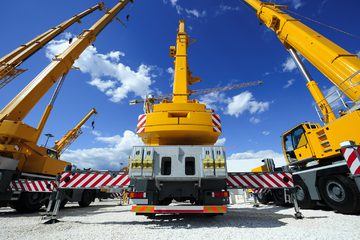
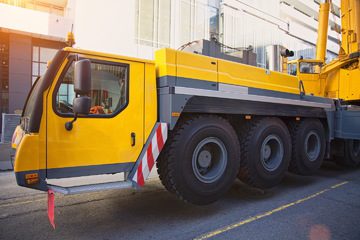
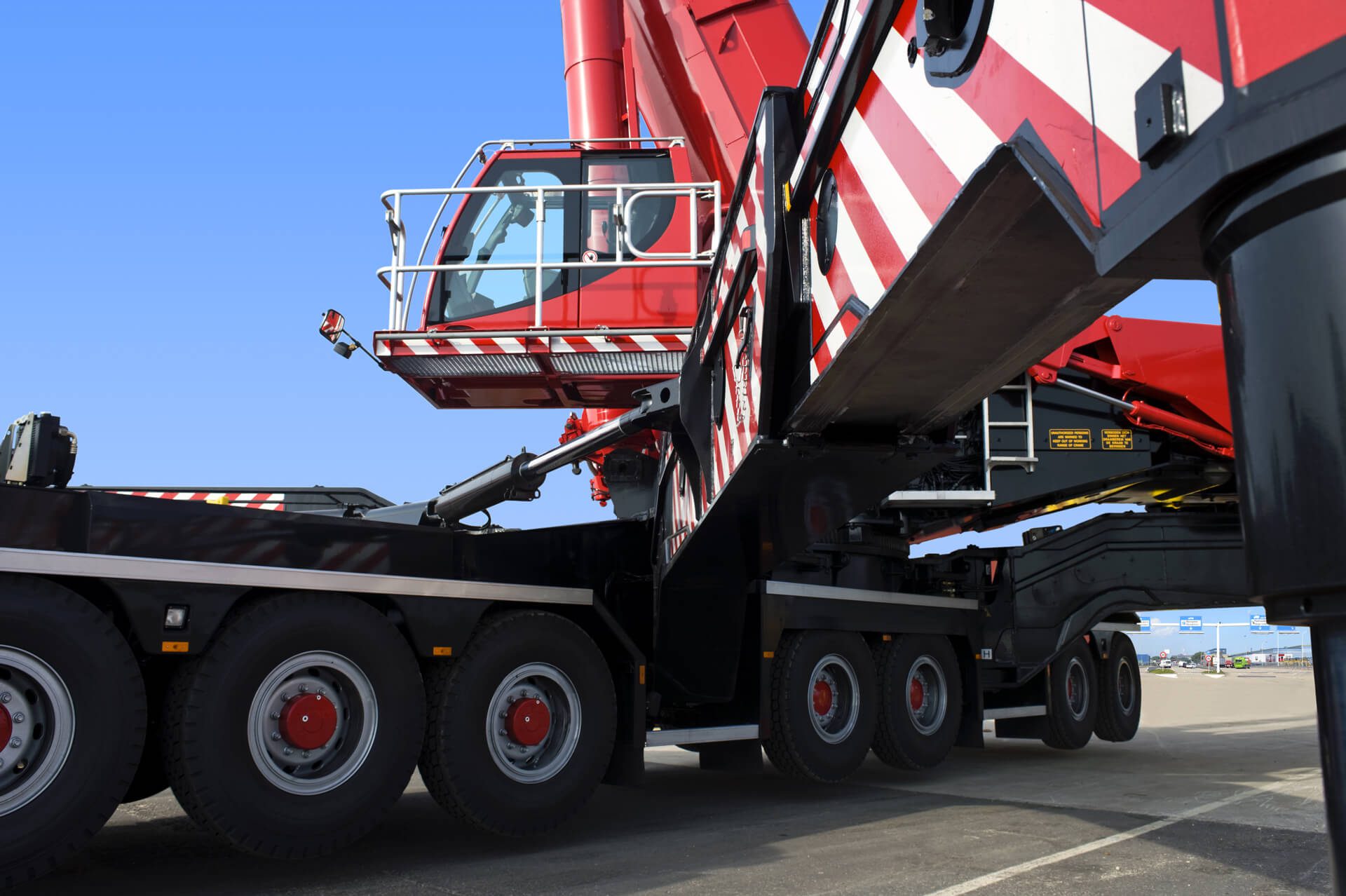
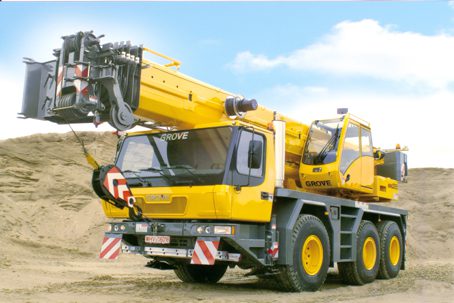
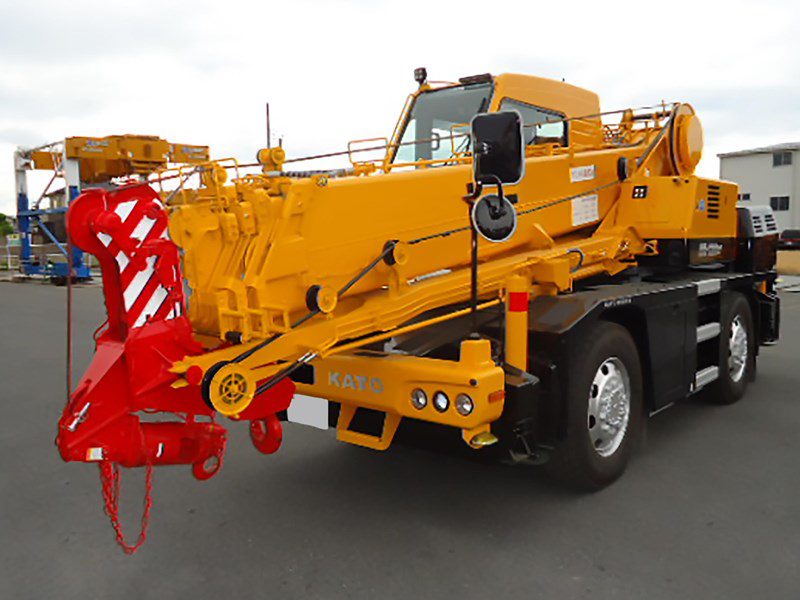
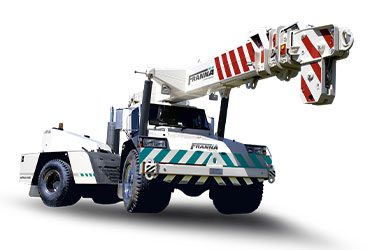
Mobile cranes offer flexibility rather than permanence. Unlike tower cranes, which remain fixed on site for extended periods, mobile cranes can travel between projects and operate across varied environments. Their mobility makes them especially valuable for infrastructure projects where construction activity shifts continuously along transport corridors, industrial sites or regional developments.
Australia’s renewable energy sector offers one of the clearest examples of this shift. Wind farms under construction across regional Victoria, Queensland and New South Wales depend heavily on high-capacity mobile cranes capable of lifting massive turbine components into place under often difficult site conditions. These are not urban projects, yet they reflect the same broader national demand for increasingly specialised lifting solutions.
The same pattern appears in transport infrastructure. Rail upgrades, motorway expansions and bridge construction frequently rely on mobile cranes for rapid installation work conducted during limited overnight possession windows. In active metropolitan corridors, the ability to mobilise quickly and minimise disruption has become essential.
In many ways, mobile crane hire reflects the pace of contemporary infrastructure delivery itself: flexible, fast-moving and closely tied to scheduling efficiency.
Construction Under Greater Scrutiny
The growing complexity of Australian construction has also intensified attention on safety and regulation. Crane operations, particularly in dense urban settings, now exist under far greater public and regulatory scrutiny than they once did.
This evolution has been shaped partly by the sheer scale of modern projects. A crane operating beside occupied apartment towers or active transport corridors carries risks that extend beyond the construction site itself. Safety planning must account not only for workers but for surrounding communities, pedestrians and nearby infrastructure.
Australia’s regulatory environment has responded accordingly. Licensing standards for operators have become more rigorous, while engineering requirements for crane installation, lift planning and maintenance have expanded considerably. Wind monitoring systems, exclusion zones, lift studies and communication protocols are now standard practice across major projects.
The increased use of luffing crane hire has reinforced some of these changes. Because luffing cranes are often deployed in highly constrained urban sites, precision becomes critical. Operators must manage complex lifting sequences while navigating limited airspace and close proximity to neighbouring structures.
Technology has become increasingly important in managing these risks. Modern cranes now incorporate anti-collision systems, digital load monitoring and real-time telemetry capable of tracking operational performance continuously. Some systems can automatically restrict crane movement within predefined zones, reducing the likelihood of collisions or unsafe operation.
What emerges is an industry that has become far more technologically sophisticated than its public image sometimes suggests.
The Digital Transformation of Crane Operations
For many Australians, cranes still evoke a largely mechanical image — towering steel structures controlled by human operators high above the city. But behind that familiar silhouette, construction technology is rapidly changing the nature of crane operations.
Digital planning tools now allow project teams to model crane placement and lifting activity long before machinery arrives on site. Through Building Information Modelling and advanced simulation software, cranes can be integrated directly into broader construction planning systems.
This matters because modern construction schedules leave little room for error. Delays involving crane operations can disrupt entire project timelines, affecting subcontractors, material deliveries and financing costs simultaneously. Increasingly, cranes are not treated as isolated equipment but as interconnected components within larger logistical systems.
The push toward greater efficiency has also intersected with environmental concerns. Construction companies face mounting pressure to reduce emissions and improve sustainability performance, particularly on publicly funded infrastructure projects. Hybrid power systems, lower-emission engines and emerging electric crane technologies are beginning to enter parts of the Australian market, although widespread adoption remains gradual.
At the same time, labour shortages continue to challenge the sector. Skilled crane operators, riggers and lift planners remain in high demand across Australia, particularly as infrastructure activity intensifies. While automation and digital systems can improve operational support, they do not eliminate the need for experienced personnel capable of making complex decisions in dynamic environments.
In fact, the opposite may be true. As technology increases operational complexity, human expertise becomes even more valuable.
More Than Temporary Machinery
It is easy to overlook cranes because they are inherently temporary. They appear during construction, dominate the skyline for a period, then disappear once the project is complete. Yet their influence on Australia’s urban transformation is substantial.
The rise of luffing crane hire illustrates how deeply construction methods are adapting to the realities of denser cities. The continued reliance on tower crane hire reflects the sustained push toward vertical development. The expansion of mobile crane hire mirrors the scale and geographic reach of Australia’s infrastructure ambitions.
Together, these machines tell a broader story about how Australian cities are changing.
They reveal the tension between growth and limited space. They reflect the increasing complexity of balancing urban expansion with safety expectations and regulatory oversight. They demonstrate how technology is reshaping industries that were once viewed primarily through a mechanical lens.
Most importantly, cranes reveal something about the modern city itself. Urban development today is not simply about constructing taller buildings or larger infrastructure projects. It is about coordinating increasingly complicated systems — physical, regulatory, technological and human — within environments that leave very little margin for error.
The cranes above Australia’s skylines may still look familiar from a distance. But the role they play in shaping contemporary urban life has become far more sophisticated than many people realise.