As Western Sydney grows into one of Australia’s most ambitious infrastructure corridors, crane hire decisions have become less about lifting heavy loads and more about solving the practical challenges of density, safety, and project efficiency.
On any given morning, the skyline across Western Sydney tells a story of transition. Residential towers rise alongside transport upgrades, logistics hubs expand on former industrial land, and mixed-use developments steadily reshape suburbs once defined by low-density housing. Yet beneath the visible transformation lies a quieter decision that influences how quickly, safely, and efficiently these projects move forward: selecting the right crane for the right environment.
That choice has become increasingly strategic. As construction sites become tighter, regulations evolve, and delivery schedules compress, developers and contractors are finding that crane selection affects far more than lifting capacity. It influences project sequencing, worker safety, neighbourhood disruption, and ultimately the pace at which Australian cities can continue to grow.
Nowhere is this shift more apparent than in Western Sydney, where rapid urban expansion is colliding with increasingly complex construction environments.
A Different Kind of Construction Challenge
Australia’s construction industry has entered a period where building taller is only part of the equation. Building within constrained urban environments has become equally important.
Western Sydney illustrates this change clearly. Large infrastructure investments, expanding residential precincts, healthcare facilities, education projects, and commercial developments are often taking shape alongside active roads, existing communities, and operational transport corridors. Space is no longer abundant, even outside Sydney’s traditional CBD.
This reality forces project planners to think differently about equipment selection from the earliest stages of development.
Instead of asking which crane can lift the heaviest load, many planning teams begin by asking how lifting operations can coexist with neighbouring buildings, traffic management plans, pedestrian movement, and increasingly strict safety requirements.
That shift reflects a broader evolution across Australian construction. Crane hire has become an operational strategy rather than a procurement exercise.
Why Flexibility Matters More Than Ever
Not every construction project faces the same constraints.
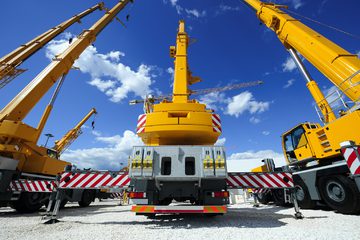
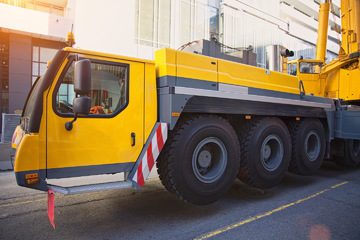
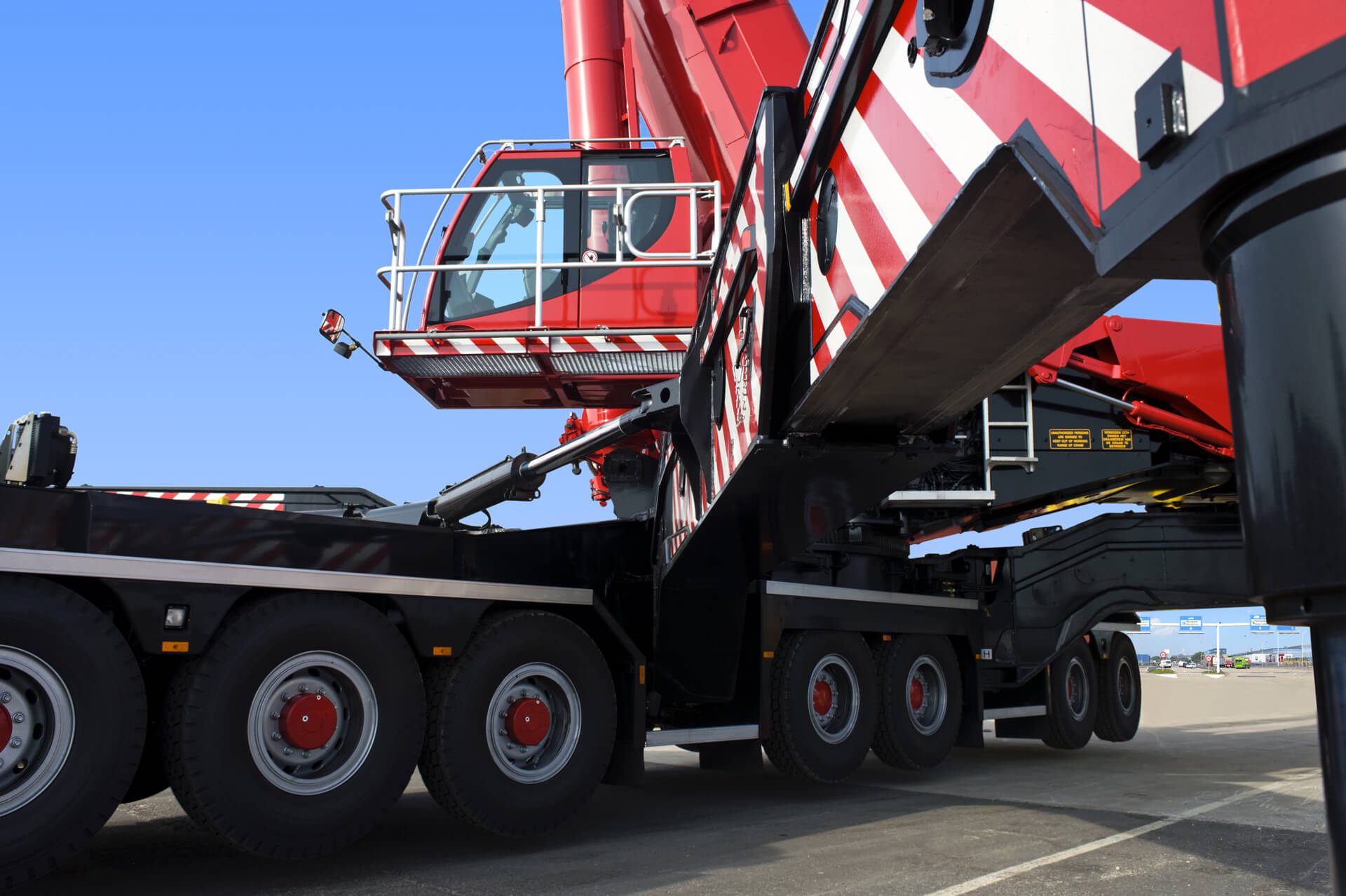
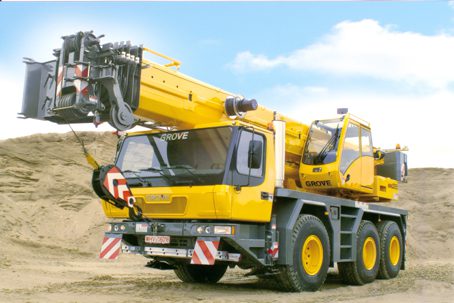
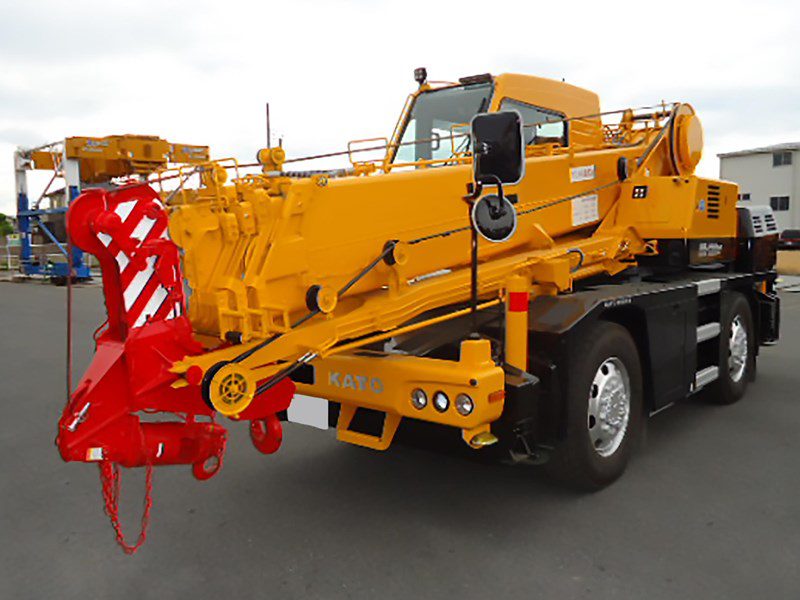
Large infrastructure upgrades spread across multiple locations often require equipment capable of moving quickly between sites. In these environments, mobile crane hire remains an essential solution because mobility reduces downtime and supports changing construction priorities throughout a project’s lifecycle.
A road bridge replacement, for example, may require lifting operations at several locations over a short period. Rather than installing permanent lifting infrastructure, contractors can reposition mobile cranes as work progresses, maintaining flexibility while limiting disruption.
High-rise residential developments present an entirely different challenge.
These projects typically rely on tower crane hire, where continuous lifting over months—or even years—supports the repetitive movement of structural steel, concrete components, façade materials, and mechanical equipment. Because tower cranes remain fixed throughout much of construction, they deliver efficiency where lifting demands remain consistent.
But Australia’s fastest-growing urban precincts increasingly present a third scenario.
Sites surrounded by neighbouring buildings, active streets, rail corridors, or limited property boundaries often leave very little room for traditional crane configurations.
That is where luffing crane hire Western Sydney has become increasingly relevant.
Building Higher Without Building Wider
Unlike conventional tower cranes with long horizontal jibs, luffing cranes raise and lower their jib angle, allowing operators to work efficiently within restricted airspace.
That distinction may appear subtle from street level, but it fundamentally changes how projects can be delivered.
Consider a mixed-use residential development positioned between occupied apartment buildings and busy public roads. A standard crane may require additional swing clearance that simply does not exist. Every unnecessary movement increases planning complexity and potential operational risk.
A luffing crane provides greater control over the working radius, allowing materials to be lifted with precision while minimising interference beyond the project boundary.
As urban density increases across Western Sydney, these advantages become increasingly practical rather than purely technical.
The growing demand for luffing crane hire Western Sydney reflects this changing project profile. It is less about adopting specialised equipment for its own sake and more about matching lifting capability to modern construction constraints.
Local Conditions Shape Equipment Choices
Western Sydney’s construction landscape differs from many other Australian regions.
Large transport corridors intersect with new residential communities. Distribution centres operate around the clock. Hospital expansions often occur beside functioning healthcare facilities. Educational campuses continue daily operations while new buildings rise nearby.
Each environment introduces different logistical pressures.
On one project, maintaining uninterrupted public access may become the primary concern. On another, overhead clearance near neighbouring developments dictates every lifting operation.
Even specialised services such as all-terrain crane hire Sydney illustrate how equipment choices increasingly respond to geography rather than simply project size. Uneven access roads, changing site conditions, and regional infrastructure works often require machines capable of travelling efficiently while maintaining strong lifting performance across varied terrain.
The broader lesson remains consistent: successful crane selection depends less on maximum capability than on contextual suitability.
Regulation Is Driving Smarter Planning
Australia’s construction sector has also experienced significant regulatory evolution over the past decade.
State regulators, including SafeWork authorities, have strengthened expectations around lift planning, operator competency, exclusion zones, and risk assessment. National standards continue to reinforce comprehensive planning before lifting begins rather than relying solely on operational experience once equipment arrives on site.
Many contractors now integrate crane planning into early-stage design coordination instead of treating lifting operations as a later logistical exercise.
This reflects a wider industry understanding that safety outcomes improve when crane positioning, load sequencing, and site access are considered during project planning rather than after construction has commenced.
For increasingly complex urban developments, this proactive approach reduces operational uncertainty while supporting compliance with Australia’s evolving workplace safety framework.
Technology Is Quietly Changing Crane Operations
Technology is reshaping crane operations in ways that are less visible than autonomous vehicles or robotic construction systems but equally significant.
Modern lifting equipment increasingly incorporates GPS positioning, digital load monitoring, electronic safety systems, and remote diagnostics that provide operators and project managers with more accurate operational information.
Rather than replacing experienced operators, these systems support better decision-making.
Digital monitoring helps identify maintenance needs before equipment failures occur. Load management systems reduce operational risk during complex lifts. Telematics allow fleet managers to coordinate equipment usage more efficiently across multiple projects.
Environmental expectations are also influencing fleet investment.
Lower-emission machinery, improved fuel efficiency, and reduced idle times increasingly align with sustainability objectives embedded within major Australian infrastructure projects.
Collectively, these developments are transforming crane hire into a technology-enabled service rather than simply equipment rental.
What Australia’s Skylines Reveal
Construction cranes have long symbolised economic growth, but today’s cranes reveal something more nuanced.
They reflect changing priorities in how Australian cities are built.
Projects must be delivered faster without compromising safety. Urban development must accelerate despite shrinking construction footprints. Infrastructure investment must coexist with established communities rather than replace them.
These competing demands require more thoughtful operational decisions than previous construction cycles demanded.
Whether the solution involves mobile crane hire for adaptable infrastructure work, tower crane hire for sustained vertical construction, or luffing crane hire Western Sydney for space-constrained developments, the underlying principle remains consistent: equipment selection has become a strategic component of project delivery.
As Western Sydney continues its transformation into one of Australia’s most significant growth regions, the cranes rising above construction sites represent more than engineering capability. They illustrate an industry adapting to denser cities, higher expectations, stronger regulation, and increasingly sophisticated project planning.
That evolution may be largely invisible to the public. Yet it will shape how efficiently Australia’s next generation of homes, transport networks, hospitals, and commercial districts comes to life—and, ultimately, how the country’s urban future is built.