As Western Sydney enters a new era of high-density development, crane selection is no longer just a construction decision—it is becoming a strategic factor in how Australia’s cities expand safely, efficiently, and sustainably.
The Changing Logic Behind Australia’s Crane Decisions
On the edge of Western Sydney, where new residential towers rise beside transport corridors and commercial precincts, the presence of a construction crane has become a familiar symbol of transformation. Yet the most important decisions about these projects are often made long before the first lift takes place.
Behind every crane visible on the skyline is a complex calculation involving site limitations, safety requirements, construction timelines, and the surrounding urban environment. The question is no longer simply whether a crane can lift a required load. The more important question is whether the chosen equipment can operate effectively within increasingly demanding conditions.
This shift is changing how Australia’s construction sector approaches crane hire. As cities become denser and projects become more complicated, crane selection has moved from a basic procurement decision to a critical component of project strategy.
Western Sydney provides a clear example of this evolution. Once characterised by expansive development areas, the region is now experiencing a new phase of urban growth where construction sites increasingly operate alongside existing communities, transport networks, and commercial activity.
In this environment, equipment decisions influence far more than productivity. They affect safety planning, neighbourhood impact, project scheduling, and the ability to deliver major developments within increasingly constrained spaces.
Why Urban Density Is Changing Construction Planning
Australia’s infrastructure pipeline has created a unique challenge for the construction industry. The demand for housing, transport infrastructure, healthcare facilities, and commercial developments continues to grow, but available construction space in key areas is becoming increasingly limited.
The result is a more complex operating environment.
Projects that were once built on open sites are now frequently positioned between existing buildings, busy roads, and active public areas. Construction teams must manage limited access, restricted working zones, and stricter requirements around safety and environmental impact.
At the same time, the industry faces broader pressures, including skilled labour shortages, accelerated project timelines, and rising expectations around workplace safety.
These factors have made crane selection more strategic. The wrong choice can create delays, additional coordination challenges, or unnecessary operational restrictions. The right choice allows construction teams to work within the realities of modern urban development.
This is why different crane types continue to serve different purposes rather than competing as universal solutions.
Matching Crane Capability With Project Reality
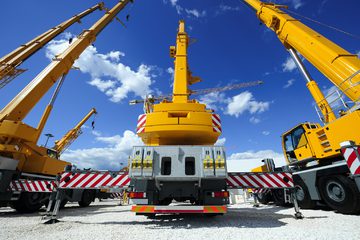
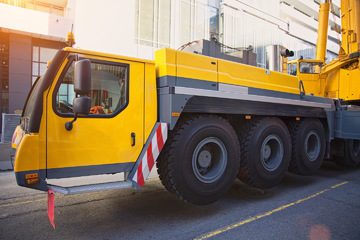
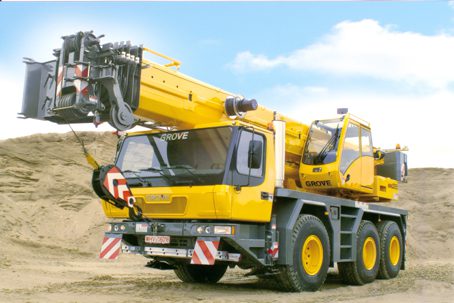
For projects requiring flexibility across multiple locations, mobile crane hire remains an important part of Australia’s construction landscape. Mobile cranes provide the ability to move between sites quickly, making them suitable for infrastructure projects, maintenance work, and developments where lifting requirements change throughout different stages.
A transport upgrade, for example, may require lifting operations at several locations over a short period. In such cases, mobility becomes a valuable advantage because equipment can be repositioned as construction priorities shift.
By contrast, tower crane hire is typically associated with long-duration projects where consistent vertical lifting is required. High-rise residential developments, commercial towers, and large mixed-use precincts often depend on tower cranes because they provide continuous support throughout major phases of construction.
Their fixed position allows contractors to establish predictable lifting patterns, supporting the movement of structural materials, façade components, and mechanical systems over extended periods.
However, the growing complexity of urban sites has increased demand for solutions designed specifically for restricted environments.
This is where luffing crane hire Western Sydney has become increasingly relevant.
Luffing cranes are designed with an adjustable jib that can be raised and lowered, allowing construction teams to operate effectively where traditional crane movements may be restricted. In dense areas, where neighbouring buildings, roads, or airspace limitations affect operations, this flexibility can become a significant planning advantage.
The importance of this capability is particularly clear in Western Sydney, where new developments increasingly need to integrate with existing urban infrastructure rather than expand into undeveloped areas.
Why Western Sydney Highlights This Industry Shift
The transformation of Western Sydney represents one of Australia’s largest urban development stories. New residential communities, transport projects, employment hubs, and commercial facilities are changing the region’s identity.
However, growth at this scale creates practical challenges.
A residential tower built near existing apartments may require careful control of lifting zones to avoid interfering with surrounding properties. A healthcare expansion project may need construction operations to continue while maintaining access for patients and staff. A commercial development near major roads may require precise planning to minimise disruption.
In these scenarios, crane selection becomes closely connected to the broader logistics of city building.
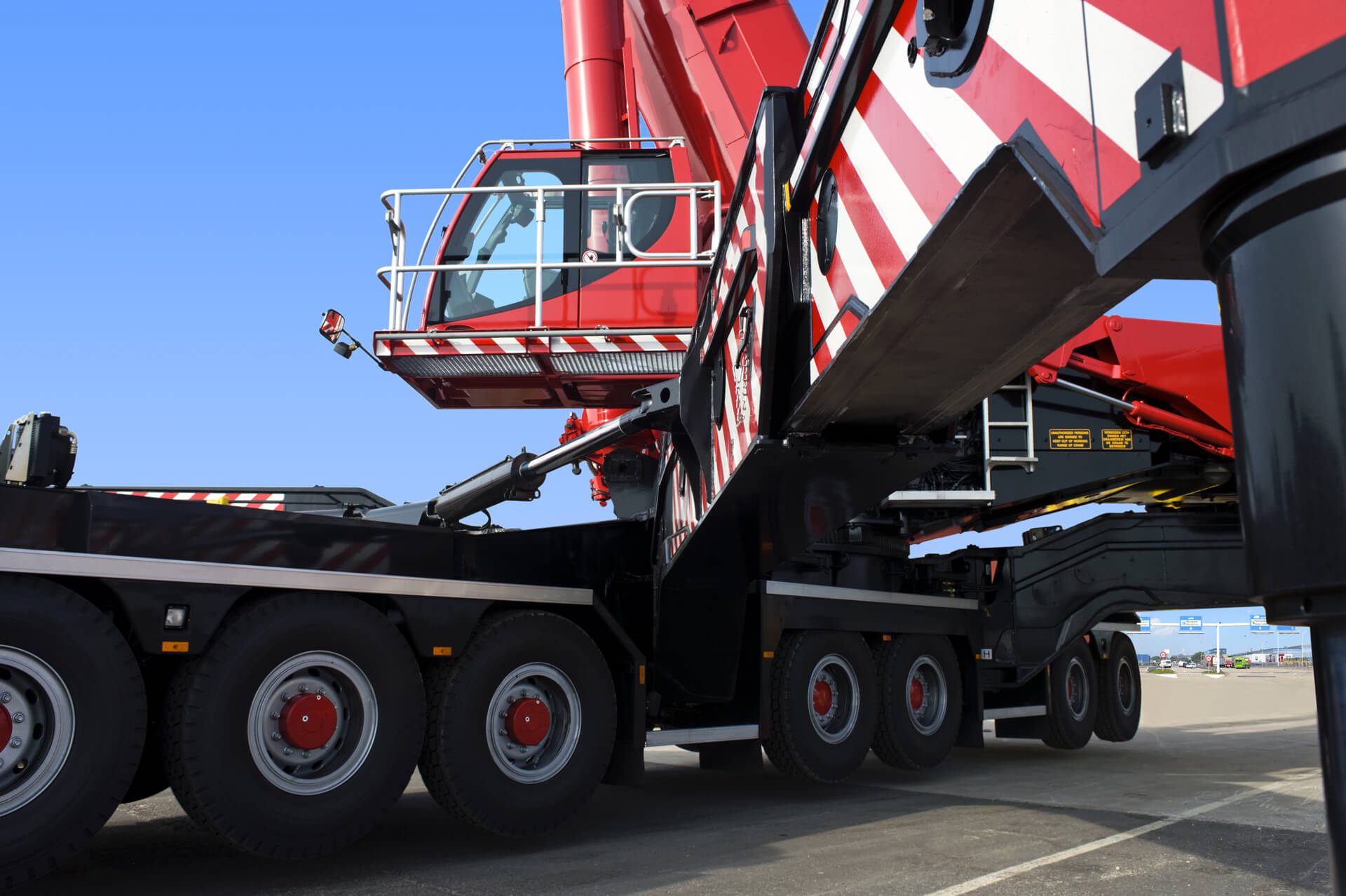
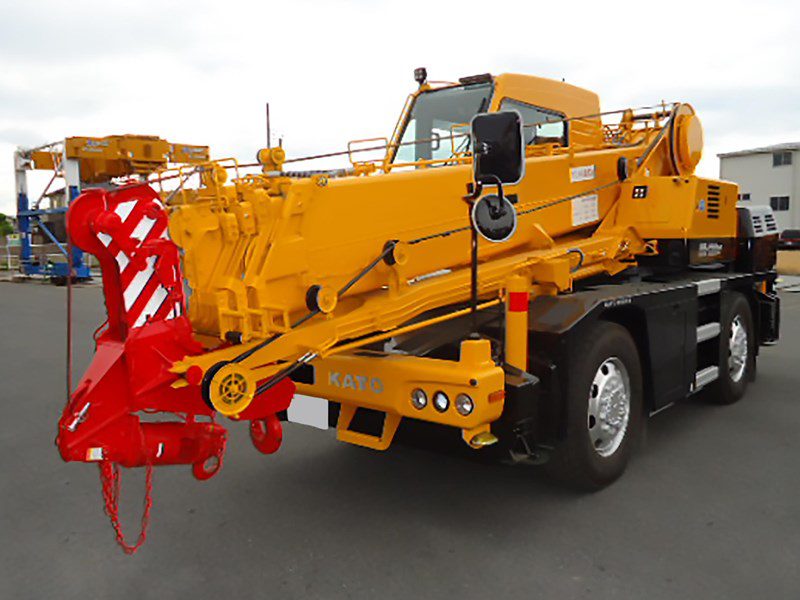
Even specialised equipment choices, such as all-terrain crane hire Sydney for projects requiring strong mobility across varied access conditions, demonstrate how construction teams increasingly select equipment based on site circumstances rather than simply project size.
The underlying principle is becoming clearer across the industry: the most suitable crane is determined by context.
Safety Standards and Regulation Are Reshaping Operations
The evolution of crane hire in Australia is also closely linked to stronger safety expectations.
State workplace safety regulators, including WorkSafe authorities, have continued to emphasise detailed planning, operator competency, equipment inspections, and effective risk management in lifting operations.
Modern construction projects require more than experienced operators. They require coordinated planning between engineers, project managers, safety teams, and equipment providers.
Lift studies, exclusion zones, load calculations, and operational procedures have become central parts of project preparation.
This regulatory environment has encouraged the industry to move toward more proactive decision-making. Rather than treating cranes as equipment brought onto a site after planning is complete, many projects now consider crane requirements during early design and scheduling discussions.
This approach reflects a broader change in construction culture: safety and efficiency are increasingly viewed as connected rather than separate objectives.
Technology Is Adding a New Layer of Precision
Alongside regulatory changes, technology is reshaping how cranes are managed.
Digital monitoring systems, GPS tracking, load management technology, and improved maintenance systems are becoming more common across construction operations. These tools provide project teams with greater visibility into equipment performance and operational conditions.
For complex urban developments, this information can improve coordination. Digital systems can help track equipment movement, identify maintenance requirements, and support safer decision-making during demanding lifting activities.
Technology is also influencing sustainability considerations. As construction companies and developers face increasing pressure to reduce environmental impacts, equipment efficiency, fuel consumption, and operational planning are receiving greater attention.
The result is a construction industry where cranes are no longer viewed simply as machines on a site. They are becoming integrated components of a wider project management system.
The Future of Australian Cities Will Depend on Better Decisions
The cranes shaping Australia’s skylines represent more than construction activity. They reflect the changing priorities of urban development.
As cities expand, the challenge will not only be building more infrastructure. It will be building within increasingly complex environments while maintaining safety, efficiency, and community considerations.
Western Sydney’s growth demonstrates why crane hire decisions have become a strategic issue. Whether a project requires the flexibility of mobile crane hire, the consistency of tower crane hire, or the spatial control offered by luffing crane hire Western Sydney solutions, the decision depends on understanding the relationship between equipment and environment.
The future of Australian construction will be defined not simply by how much can be built, but by how intelligently it can be delivered. The cranes rising above Australia’s growing cities are a visible reminder that successful urban development begins with decisions made long before the first structure reaches the skyline.