Building Higher in Smaller Spaces
Walk through Sydney’s central business district on any weekday morning and the skyline tells a story that extends far beyond architecture. Towering cranes swing carefully above narrow streets, construction teams coordinate deliveries within tight schedules, and new developments emerge in places where available space has become one of the country’s most limited resources. For many observers, cranes simply signal economic activity. For those responsible for delivering Australia’s next generation of infrastructure, however, the choice of crane has become a strategic decision that influences safety, scheduling, project costs, and even how cities continue to evolve.
As Australia’s major cities grow denser, construction is increasingly taking place within confined sites bordered by existing buildings, transport corridors, and active commercial districts. This shift has quietly transformed crane selection from an operational consideration into a broader infrastructure challenge. Among the solutions gaining greater attention is luffing crane hire, reflecting the industry’s response to projects where traditional lifting methods are no longer practical.
Why the Conversation Has Changed
Australia’s construction sector is experiencing multiple pressures simultaneously. Population growth continues to drive demand for residential housing, commercial developments, transport infrastructure, and healthcare facilities. At the same time, urban land has become scarcer, planning requirements have become more demanding, and projects are expected to minimise disruption to surrounding communities.
The result is a construction environment where efficiency is measured not only by how quickly buildings rise but also by how effectively contractors manage increasingly complex sites.
Labour shortages have further intensified this challenge. Project managers are expected to deliver more with smaller workforces while maintaining strict compliance with evolving workplace safety regulations. Digital planning tools, Building Information Modelling (BIM), and real-time project coordination have improved visibility across construction sites, but they have also increased expectations that every major equipment decision will be supported by data rather than habit.
Crane procurement now reflects this wider shift. Instead of selecting equipment based primarily on lifting capacity, project teams increasingly evaluate how a crane fits within the physical limitations, scheduling demands, and safety requirements of each individual project.
Choosing the Right Crane for the Right Environment
The diversity of Australia’s construction projects means there is no universal solution. Each crane type serves a distinct operational purpose, and selecting the appropriate equipment often determines whether a project proceeds efficiently or encounters avoidable delays.
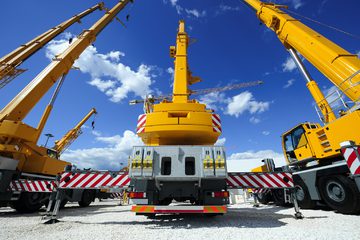
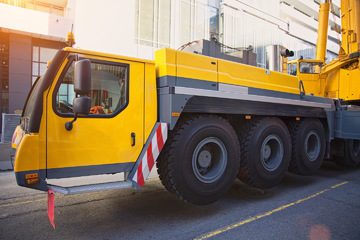
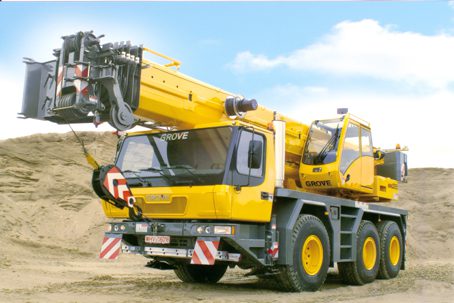
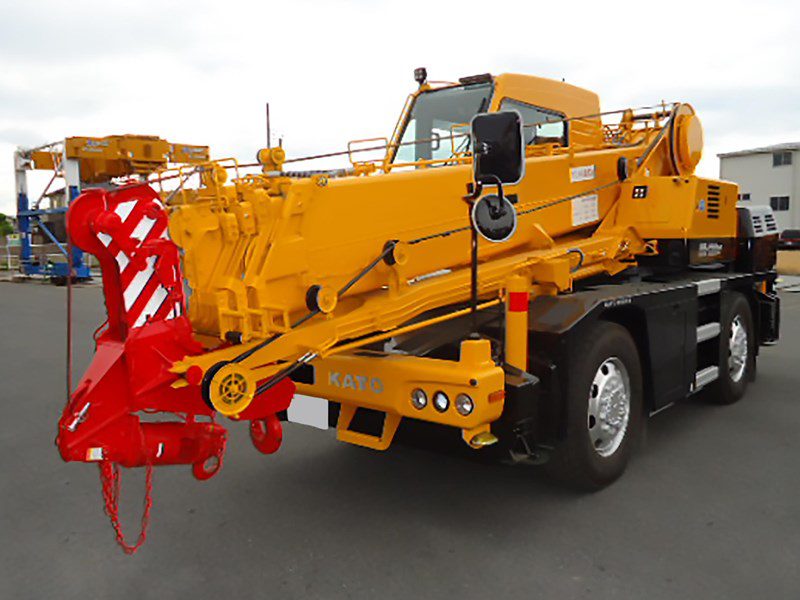
Mobile crane hire continues to play a critical role across infrastructure projects that require flexibility. Road upgrades, utility installations, industrial maintenance, and regional developments frequently benefit from cranes capable of moving between locations without extensive setup periods. Their adaptability allows contractors to respond quickly to changing site conditions while supporting multiple phases of construction across dispersed locations.
By contrast, tower crane hire remains the preferred solution for large-scale commercial and residential developments where continuous lifting operations extend over many months. High-rise projects rely on tower cranes because they provide consistent lifting performance while remaining integrated into the construction process as buildings rise floor by floor.
Urban density, however, introduces a different set of constraints. Projects located between existing towers, adjacent to occupied buildings, or surrounded by narrow streets often leave little room for conventional crane movements. In these situations, luffing crane hire has become increasingly relevant because the crane’s adjustable jib allows operators to work within significantly tighter airspace. Rather than requiring large sweeping movements, the jib raises and lowers with greater precision, helping reduce interference with neighbouring structures and nearby construction activities.
This capability is particularly valuable as Australian cities increasingly favour infill development over expansion into undeveloped land.
Sydney’s Density Is Reshaping Equipment Decisions
Sydney offers one of the clearest examples of this changing landscape. Construction projects are increasingly delivered on sites surrounded by operating businesses, apartment buildings, transport infrastructure, and heritage properties. Every movement of heavy equipment must account for nearby activity, restricted delivery windows, and limited staging areas.
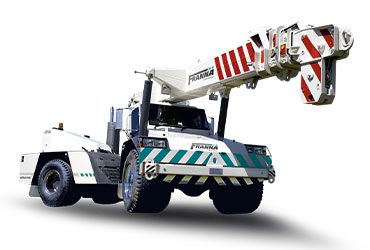
An all-terrain crane hire Sydney project, for example, may support early-stage structural work or heavy component installation where mobility is essential before permanent lifting infrastructure is established. As construction progresses and site constraints intensify, project requirements often shift toward specialised lifting solutions better suited to confined environments.
This evolution reflects a broader industry pattern rather than a preference for any single crane type. Modern construction increasingly requires equipment strategies that evolve alongside the project itself.
Regulation Is Raising the Standard
Australia’s regulatory environment has also become more demanding. Workplace safety authorities, including state regulators operating under Work Health and Safety legislation, continue to strengthen expectations around lifting operations, operator competency, risk assessments, and equipment maintenance.
These changes have encouraged contractors to approach crane selection with greater discipline. Safe lifting is no longer viewed simply as a compliance exercise but as an integral part of project planning.
Many operators now rely on digital monitoring technologies that provide real-time information on load conditions, equipment performance, and operational status. GPS tracking improves fleet coordination, while electronic logging systems create detailed maintenance histories that support both compliance and preventative servicing. Load management systems also help minimise operational risks by providing immediate feedback during lifting activities.
Rather than replacing experienced operators, these technologies complement professional judgement by improving situational awareness and supporting better-informed decisions.
Sustainability Is Influencing Procurement
Environmental considerations are becoming another important factor in equipment selection. Australia’s construction industry faces growing pressure to reduce emissions, minimise unnecessary transport, and improve overall resource efficiency.
Selecting equipment that matches site requirements more accurately can reduce fuel consumption, shorten installation periods, and decrease unnecessary machinery movements throughout the construction lifecycle. Crane hire decisions increasingly form part of broader sustainability discussions alongside material sourcing, logistics planning, and waste reduction.
Developers and infrastructure investors are also paying closer attention to operational efficiency throughout the construction process. Equipment utilisation rates, maintenance scheduling, and project sequencing have become measurable indicators of performance rather than secondary operational details.
This shift reinforces the growing importance of selecting lifting solutions that align closely with project objectives instead of relying on standardised approaches.
A More Strategic Future for Crane Hire
Australia’s skyline will continue to change over the coming decades, but the most significant transformation may remain largely invisible to the public. Behind every major development lies a network of decisions involving engineering, procurement, safety, logistics, and regulatory compliance. Crane selection has become one of those decisions that quietly shapes project outcomes long before the first concrete is poured.
The increasing demand for luffing crane hire reflects more than the popularity of a particular piece of equipment. It illustrates how construction is adapting to cities where available space is shrinking even as expectations continue to grow. As urban development becomes more complex, successful projects will depend not only on ambitious designs but also on carefully considered operational choices that balance efficiency, safety, and long-term resilience.
In that sense, the cranes above Australia’s cities are no longer simply symbols of growth. They are evidence of an industry learning to build smarter within the limits of the environments it is helping to transform.