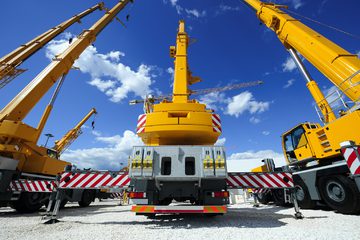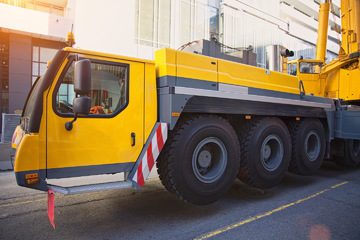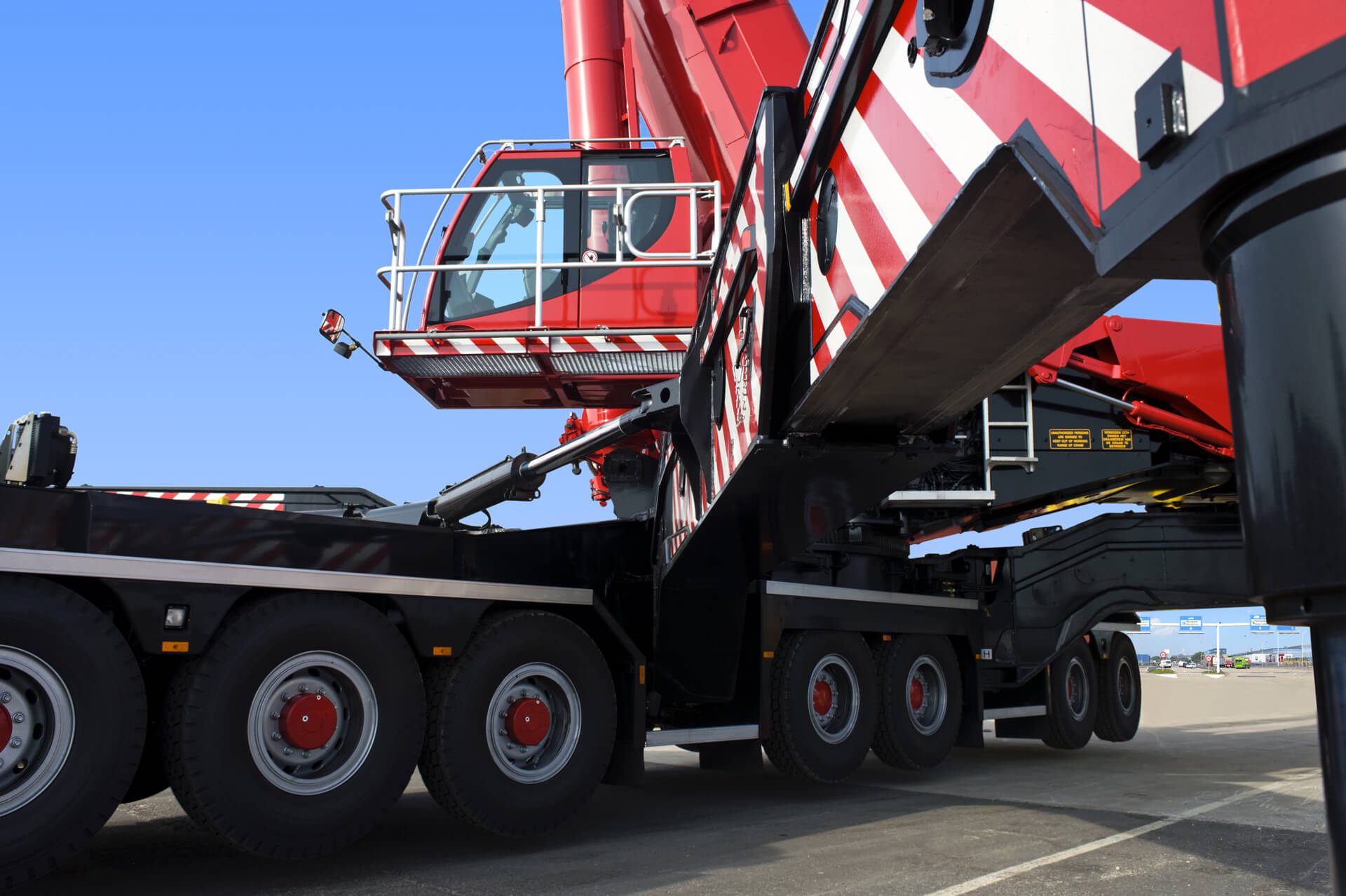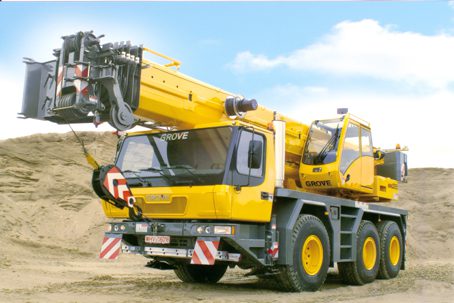
The skyline of Western Sydney tells a story that extends well beyond new buildings and transport corridors. Every construction site represents thousands of logistical decisions made long before concrete is poured or steel is lifted into place. Among the most important of those decisions is selecting the right lifting equipment. In recent years, franna crane hire western Sydney has become an increasingly significant part of that conversation, not because of changing trends alone, but because construction itself has become more demanding, more time-sensitive, and far more dependent on operational flexibility.
Australia’s infrastructure investment has entered a period where efficiency is measured in hours rather than days. Projects now operate under tighter schedules, denser urban conditions, and stronger regulatory oversight. In Western Sydney, where residential communities, industrial estates, transport upgrades, and commercial developments are progressing simultaneously, lifting solutions must respond to constantly changing site conditions. This is precisely where the role of Franna cranes has evolved from being a convenient option to becoming an important strategic choice.
A Different Kind of Construction Environment
Western Sydney has transformed into one of Australia’s busiest development corridors. Population growth, logistics hubs, road expansions, and mixed-use developments have reshaped how contractors approach project planning. Construction sites often face limited access points, active surrounding traffic, nearby businesses, and restricted operating hours.
These realities mean project managers can no longer rely on a one-size-fits-all lifting strategy. Every project requires equipment that matches its environment rather than forcing the environment to accommodate the equipment.
This changing landscape explains why franna crane hire western Sydney is increasingly discussed alongside project scheduling and site logistics rather than simply equipment procurement. The ability to relocate quickly, operate efficiently within confined spaces, and reduce unnecessary downtime has become more valuable as construction timelines continue to tighten.
Why Mobility Has Become a Competitive Advantage
Modern construction rarely follows a perfectly linear schedule. Materials arrive in stages, subcontractors rotate through projects, and unexpected site constraints frequently require rapid adjustments. Equipment capable of adapting to these changes provides more than convenience—it protects productivity.
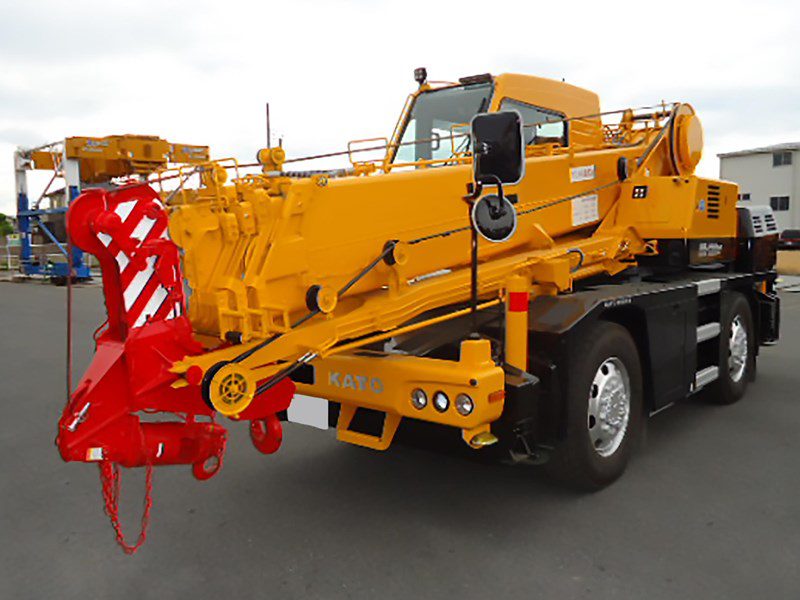
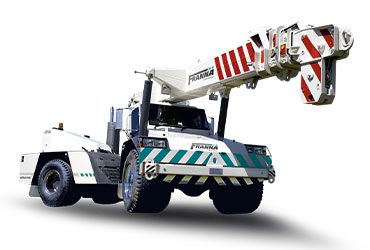
Franna cranes have traditionally been recognised for their pick-and-carry capability, allowing loads to be transported safely across short distances without repeated setup procedures. While larger lifting equipment remains essential for heavy structural operations, many projects increasingly depend on equipment that can support numerous smaller yet critical lifting tasks throughout the construction cycle.
This operational flexibility becomes particularly valuable on commercial developments, warehouse construction, utility installations, and infrastructure upgrades where lifting requirements change repeatedly throughout the working day.
Rather than serving only one phase of construction, Franna cranes often support multiple activities across the entire project lifecycle.
Matching Crane Selection to Project Requirements
Australia’s construction sector increasingly recognises that successful lifting strategies depend on selecting equipment according to project objectives rather than equipment availability.
Large residential towers continue to rely on tower crane hire because continuous vertical lifting remains essential throughout extended construction programs.
Major transport projects frequently utilise mobile crane hire when components must be delivered across multiple locations within tight schedules.
Dense inner-city developments often depend on luffing crane hire, where restricted airspace and neighbouring buildings demand exceptional lifting precision.
Within this broader equipment ecosystem, franna crane hire western Sydney serves a distinct purpose. Many industrial developments, commercial facilities, mechanical installations, and civil infrastructure projects require rapid deployment combined with efficient movement around active worksites. In these situations, mobility becomes as valuable as lifting capacity itself.
The result is a more specialised approach to crane selection, reflecting how Australia’s construction industry has matured over the past decade.
Safety Expectations Continue to Rise
The evolution of crane hire cannot be understood without considering Australia’s increasingly comprehensive safety framework.
Construction regulators continue to strengthen expectations surrounding lifting operations, operator competency, equipment inspections, risk assessments, and site management. Industry participants now place greater emphasis on documented procedures, planning, and communication before lifting begins.
Many operators have adopted digital inspection systems, electronic maintenance records, GPS fleet management, and sophisticated load monitoring technologies to support compliance and improve operational visibility.
These developments represent more than regulatory obligations. They demonstrate how safety has become integrated into project planning rather than treated as a separate administrative process.
In Western Sydney’s increasingly active construction environment, this integration is particularly important. Projects frequently operate alongside public infrastructure, occupied commercial premises, and residential neighbourhoods, making careful planning essential for maintaining safe operations.
Technology Is Quietly Changing Crane Operations
Technology has reshaped many aspects of Australian construction, although much of that transformation happens behind the scenes.
Digital scheduling platforms now coordinate crane availability with project milestones. Fleet management software helps operators optimise travel between worksites. Real-time communication improves coordination between crane operators, supervisors, and subcontractors.
Some lifting operations also benefit from improved load monitoring systems that provide operators with more accurate information throughout the lifting process.
These technological improvements rarely attract public attention, yet they contribute significantly to reducing delays while supporting safer and more efficient construction practices.
For projects involving franna crane hire western Sydney, digital planning tools increasingly help contractors minimise idle equipment time while improving coordination across multiple work areas.
The result is a construction process that feels increasingly interconnected rather than segmented into isolated tasks.
Sustainability Is Influencing Equipment Decisions
Environmental considerations are also beginning to shape lifting strategies.
Construction companies face growing expectations to reduce unnecessary vehicle movements, improve operational efficiency, and minimise fuel consumption wherever practical.
Although crane selection remains driven primarily by technical requirements, equipment capable of completing multiple lifting activities without repeated transportation or extensive setup may contribute to broader project efficiency goals.
These operational improvements align with wider industry efforts to reduce waste, improve resource utilisation, and deliver infrastructure projects more responsibly.
As sustainability becomes embedded within procurement decisions, equipment flexibility will likely become even more valuable.
Looking Beyond Individual Projects
Perhaps the most interesting shift occurring within Australian construction is that crane selection increasingly reflects long-term strategic thinking rather than short-term equipment availability.
Developers, contractors, engineers, and infrastructure planners now recognise that lifting operations influence productivity, safety performance, project sequencing, and financial outcomes simultaneously.
This broader perspective explains why discussions surrounding franna crane hire western Sydney extend beyond machinery specifications alone. The conversation increasingly focuses on how lifting capability supports wider project objectives within an environment characterised by labour shortages, evolving regulations, urban density, and accelerating infrastructure investment.
As Western Sydney continues its transformation into one of Australia’s most significant economic regions, these operational decisions will only become more influential.
The cranes visible above construction sites may appear unchanged to the casual observer, but the thinking behind their deployment has evolved considerably. Today’s lifting strategies reflect a construction industry that values adaptability as highly as capacity, planning as much as execution, and operational intelligence alongside engineering expertise.
That quiet evolution offers an important insight into Australia’s infrastructure future. The cranes themselves may lift steel and concrete, but the decisions surrounding their use increasingly determine how efficiently, safely, and sustainably the nation’s next generation of cities will be built.