The decisions behind crane hire are becoming a defining factor in how Australian cities expand
A crane rising above a Sydney construction site has become almost as familiar as the buildings taking shape beneath it. Yet behind every tower crane, mobile unit, or specialised lifting system visible on the skyline is a series of decisions that increasingly influence the cost, safety, and pace of urban development.
For decades, cranes were viewed largely as construction equipment: essential tools brought in when a project reached a certain stage. Today, they represent something more strategic. The choice of lifting technology reflects broader pressures facing Australia’s construction sector, from increasing urban density and tighter project timelines to changing safety expectations and the need for more precise planning.
As cities grow upward and available construction space becomes more restricted, crane hire decisions are moving from operational considerations into the realm of long-term project strategy.
Australia’s construction landscape is demanding smarter decisions
Australia’s major cities are undergoing a transformation. Sydney, Melbourne, and Brisbane continue to experience pressure for residential development, infrastructure upgrades, and commercial expansion. But building in established urban areas is becoming increasingly complex.
Sites are smaller, surrounding buildings are closer, and construction activity must often take place alongside busy roads, pedestrian zones, and existing communities. These conditions create challenges that did not exist at the same scale when many traditional construction approaches were developed.
At the same time, the industry is dealing with labour shortages, higher expectations around workplace safety, and increased scrutiny over project efficiency. Developers and contractors are no longer simply asking which crane can lift a load. They are considering which equipment can integrate most effectively with the entire construction process.
This shift explains why crane hire has become a strategic discussion rather than a simple procurement decision.
The right crane choice can influence how materials move through a site, how safely workers operate, and how effectively a project manages time constraints.
Different cranes, different answers to Australia’s building challenges
There is no universal solution for modern construction. The increasing complexity of projects has made equipment selection more specialised, with different crane types addressing different operational challenges.
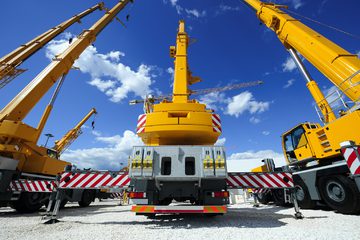
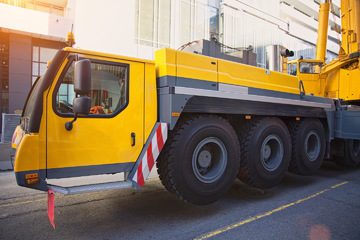
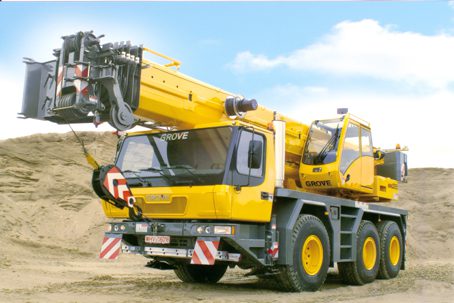
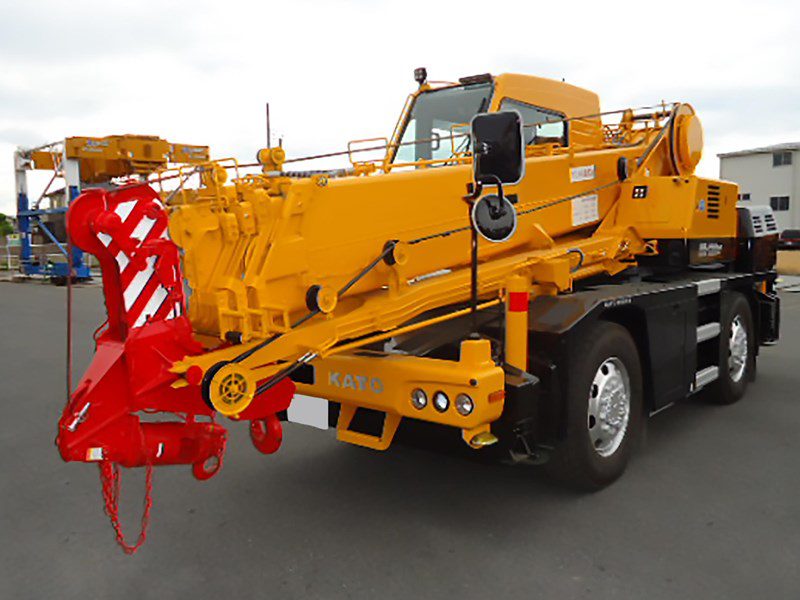
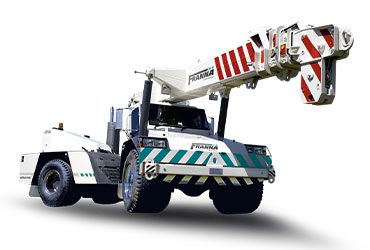
Mobile crane hire remains an important choice for projects requiring flexibility. These cranes can be transported between locations and positioned relatively quickly, making them valuable for infrastructure work, maintenance projects, smaller developments, and construction environments where lifting requirements change frequently.
For projects involving multiple locations or short-duration lifting tasks, mobility becomes a significant advantage. A crane that can adapt quickly to changing site conditions can help reduce delays and improve coordination between different stages of construction.
By contrast, tower crane hire is typically associated with long-term projects where consistent lifting capacity is required over extended periods. High-rise residential developments and commercial buildings often depend on tower cranes because they provide a stable lifting solution throughout multiple phases of construction.
Their ability to operate from a fixed position while reaching across large sections of a site makes them particularly suited to vertical development. As Australian cities continue to build upward, tower cranes remain central to the changing shape of urban skylines.
However, increasing density has introduced another challenge: limited space.
In tightly constrained environments, where buildings are close together and overhead clearance is restricted, specialised equipment becomes increasingly important. This is where luffing cranes have gained attention. Their ability to operate with a reduced horizontal footprint makes them suitable for projects where traditional tower crane configurations may create conflicts with neighbouring structures or surrounding airspace.
The growing demand for solutions in regional growth areas and constrained developments has also increased interest in services such as luffing crane hire Southern Highlands, where project conditions require careful consideration of terrain, access, and surrounding environments.
The important point is not that one crane type replaces another. Instead, modern construction increasingly depends on matching equipment capabilities with the specific challenges of each site.
Safety, regulation, and technology are changing crane operations
The evolution of crane hire in Australia is closely connected to changes in safety expectations and regulatory oversight.
State-based workplace safety authorities, including WorkSafe organisations across Australia, have continued to strengthen requirements around crane operation, maintenance, worker competency, and risk management. These changes reflect a broader industry shift: lifting operations are no longer viewed as isolated construction activities but as part of a wider safety system.
Operators must consider factors such as ground conditions, wind conditions, load management, communication procedures, and the interaction between cranes and surrounding infrastructure.
Technology has accelerated this transformation. Many modern crane systems now incorporate digital monitoring tools, GPS positioning, advanced load management systems, and improved data collection capabilities. These technologies provide operators and project managers with greater visibility into equipment performance and operational conditions.
Digital systems also support better planning before construction begins. Project teams can increasingly model lifting requirements, analyse site constraints, and identify potential conflicts before equipment arrives on site.
This movement toward data-driven decision-making reflects a broader trend across construction. Just as buildings are becoming smarter, the processes used to create them are becoming more connected and precise.
The hidden complexity behind urban development
For the public, a crane often represents progress: a visible sign that a new building, transport project, or urban renewal initiative is underway. But the machinery itself tells only part of the story.
Behind every crane operating above a city is a complex balance between engineering requirements, regulatory obligations, environmental considerations, and commercial realities.
A construction project in central Sydney faces different challenges from one in a growing regional area. A high-rise development surrounded by existing buildings requires different planning from a large infrastructure project with open access.
This is why crane selection has become increasingly linked to strategic thinking. The decision affects not only how materials are lifted but also how efficiently a project moves from planning to completion.
The future of Australian construction will depend less on using more equipment and more on making better decisions about the equipment already available.
A new era of construction planning
Australia’s infrastructure ambitions will require continued adaptation. Population growth, urban redevelopment, and investment in major projects will place further pressure on construction teams to deliver efficiently while maintaining high safety standards.
The cranes shaping Australian skylines are therefore more than symbols of construction activity. They represent a shift in how cities are planned and built.
As urban environments become denser and project challenges become more complex, crane hire strategy will increasingly become part of the broader conversation about infrastructure resilience, productivity, and city growth.
The future skyline of Australia will not only be defined by what gets built, but by the decisions made before construction begins. In that sense, the crane has become more than a machine above the city. It has become a reflection of how intelligently Australia builds its future.