The growing importance of precision lifting decisions from Sydney’s skyline to regional development corridors
A crane standing above a Sydney construction site is easy to overlook. It blends into the city’s changing horizon, becoming another feature of an urban landscape defined by constant redevelopment. Yet behind every crane operating above a building project is a series of decisions that influence far more than the movement of materials.
The choice of lifting equipment affects construction timelines, safety outcomes, site efficiency, and the ability to build within increasingly difficult environments. As Australian cities become denser and construction sites become more constrained, crane hire has evolved from a practical requirement into a strategic decision that shapes how urban growth is delivered.
The changing role of cranes reflects a wider transformation taking place across Australia’s construction industry. Projects are becoming more complex, regulations are becoming more demanding, and developers are operating in environments where there is little room for inefficiency.
The question is no longer simply whether a crane can complete a lift. The more important consideration is whether the chosen equipment aligns with the unique challenges of the project.
Australia’s building boom is creating new construction pressures
Australia’s major cities are experiencing a period of significant urban adjustment. Population growth, housing demand, infrastructure investment, and commercial development are pushing construction activity into areas where space is limited and expectations are high.
Sydney provides a clear example of this challenge. Many new developments are taking place within established neighbourhoods where construction teams must work alongside existing buildings, transport networks, businesses, and residential communities. The available footprint for construction is often smaller than in previous decades, requiring more careful planning before equipment arrives on site.
At the same time, the industry continues to navigate workforce pressures, increasing compliance requirements, and the need to deliver projects more efficiently. These factors have changed the way contractors and project managers evaluate equipment decisions.
Crane selection now involves considering access limitations, surrounding structures, project duration, environmental conditions, and regulatory obligations. The equipment chosen at the beginning of a project can influence how effectively the entire construction process operates.
This shift explains why crane hire decisions are attracting greater attention among construction professionals and infrastructure planners.
Different projects require different lifting strategies
Modern construction does not rely on a single approach. Different crane types serve different purposes, and the most suitable choice depends on the environment in which the project is taking place.
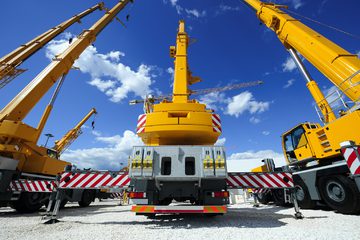
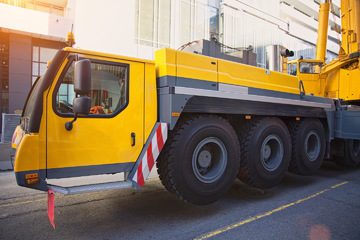
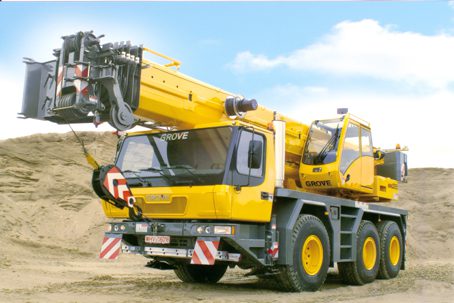
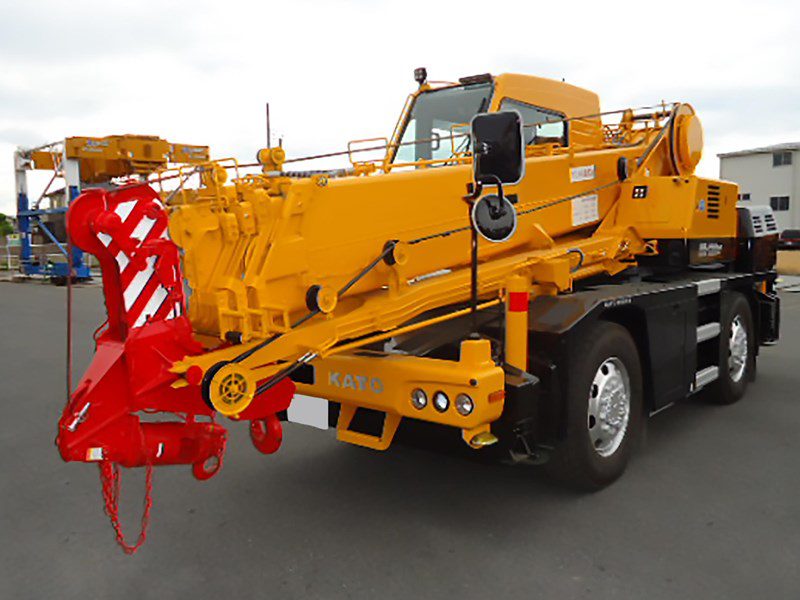
For projects where flexibility and movement are important, mobile crane hire continues to play a significant role. Mobile cranes can be transported between locations and repositioned as requirements change, making them valuable for infrastructure work, maintenance projects, road upgrades, and developments involving multiple lifting locations.
Their adaptability allows construction teams to respond to changing site conditions without committing to a fixed installation for the entire project duration. In fast-moving construction environments, that flexibility can be a critical factor.
Tower crane hire serves a different purpose. These cranes are commonly associated with long-duration construction projects where consistent lifting capacity is required throughout multiple stages of development. High-rise residential buildings, commercial towers, and major urban projects often depend on tower cranes because they provide reliable vertical lifting capability over extended periods.
As Australian cities continue to grow upward, tower cranes remain an important part of the construction landscape. Their presence reflects the increasing complexity of building in dense urban environments where efficient material movement is essential.
However, some locations present challenges that require more specialised solutions. In areas where buildings are close together, where airspace restrictions exist, or where construction footprints are limited, traditional crane configurations may not always provide the required flexibility.
This is where luffing crane hire becomes relevant. Luffing cranes are designed for environments where controlled movement and reduced operating space are important considerations. Their ability to adjust the angle of the jib allows them to operate effectively in areas where neighbouring structures or restricted airspace create additional challenges.
The demand for specialised lifting solutions is not limited to major metropolitan areas. Growing development regions also face unique site conditions. For example, projects requiring luffing crane hire Southern Highlands may involve different considerations from inner-city construction, including terrain, access planning, and surrounding land use.
The decision is ultimately about matching equipment capability with project requirements rather than selecting one crane type as a universal solution.
Safety standards and technology are redefining crane operations
The evolution of crane hire in Australia is closely connected to changing safety expectations. Workplace safety regulators, including WorkSafe authorities across different states, have continued to strengthen requirements around crane operation, maintenance procedures, risk assessment, and operator competency.
These changes reflect a broader understanding that lifting operations are interconnected with the wider construction environment. A crane does not operate independently from the project around it. Ground conditions, weather, communication systems, worker coordination, and surrounding infrastructure all influence safe operation.
Many operators have responded by increasing their focus on planning, training, and technology integration. Digital systems are becoming increasingly common across construction sites, providing better visibility into equipment performance and operating conditions.
GPS tracking, digital load monitoring, and automated safety systems are changing how teams manage lifting activities. These tools allow project managers to make more informed decisions and identify potential risks before they affect construction progress.
Technology is also influencing sustainability considerations. More efficient planning can reduce unnecessary equipment movement, improve resource management, and support broader efforts to reduce construction waste and operational inefficiencies.
The result is a construction environment where cranes are no longer viewed simply as machines but as connected components within a larger project management system.
Crane decisions reveal the future direction of Australian construction
The increasing complexity of Australian construction highlights a broader trend: successful projects depend on decisions made long before the first building materials arrive on site.
A crane visible above a city skyline represents the final stage of a much larger process involving engineering analysis, procurement planning, regulatory compliance, and risk management. The equipment choice reflects an understanding of the challenges surrounding the project and the conditions under which construction must take place.
As urban areas continue to become denser, the relationship between infrastructure planning and construction technology will become even more important. Sydney’s development challenges demonstrate that building higher and faster is not simply a matter of adding more equipment. It requires better coordination between design, regulation, technology, and operational strategy.
The future of Australian construction will likely be defined not by the number of cranes appearing across skylines, but by how intelligently those cranes are selected and managed.
From mobile crane hire supporting flexible operations to tower crane hire enabling long-term urban development and luffing crane hire supporting complex environments, each choice reflects a larger conversation about how Australia builds.
The cranes shaping the country’s cities are therefore more than construction tools. They are indicators of how effectively Australia can adapt to the demands of a changing urban future.