A crane working on a construction site in the Southern Highlands can appear deceptively ordinary. From a distance, it is simply another piece of machinery lifting steel, concrete or equipment into position. Yet the decisions behind that operation increasingly reveal something larger about Australian construction: projects are becoming more dependent on equipment that can adapt to complex sites without compromising safety, scheduling or efficiency.
That shift matters in regions such as the Southern Highlands, where construction sites can differ substantially from the tightly controlled environments of major metropolitan developments. Residential projects, commercial buildings, infrastructure works and industrial facilities may involve uneven terrain, changing access conditions and considerable distances between work areas. The crane, consequently, is not merely a lifting device. It becomes part of the project’s logistical architecture.
This is where all terrain crane hire southern highlands enters a broader discussion about how Australian construction is changing. The important question is not simply how much a crane can lift. It is how well its capabilities correspond with the physical realities of the site, the sequence of work and the risks that must be managed.
Construction Is Becoming a More Complicated Operating Environment
Australia’s construction sector is under pressure to deliver projects while managing labour constraints, rising expectations around safety and increasingly complex sites. At the same time, developers and contractors are expected to coordinate more activities within tighter programmes.
These pressures make equipment selection more consequential.
A crane that requires extensive preparation before every movement may be appropriate for a project with predictable, repetitive lifting. On another site, that same operating model could introduce unnecessary delays. The reverse can also be true: equipment chosen primarily for mobility may not be suitable where continuous lifting over a fixed area is the central requirement.
The distinction is important because crane selection has traditionally been treated as a relatively technical procurement decision. Increasingly, it is becoming a project-management decision.
Access roads, ground conditions, lifting radius, load characteristics, nearby structures, overhead services and the sequence of construction activities can all influence the appropriate choice. In regional areas, these factors may be especially pronounced because a site’s physical characteristics cannot always be separated from its location.
For project managers and engineers, the result is a more integrated approach to crane planning. The equipment has to work with the site, rather than forcing the site to work around the equipment.
Different Cranes Solve Different Problems
The evolution is easier to understand by looking at the different roles cranes play.
Mobile crane hire is fundamentally about flexibility. A mobile crane can be brought to a site for a defined lifting operation and repositioned as the work progresses. That can be valuable for projects involving multiple lifting areas or contractors working across several locations.
Imagine a regional development where structural components need to be installed at different points of a large site. A mobile crane may provide the mobility required to respond to that changing sequence. The value is not simply the crane’s lifting capacity but the reduction in logistical friction.
A tower crane hire arrangement represents a different proposition. Tower cranes are suited to sustained operations where lifting is required repeatedly across a defined work zone. On major multi-storey developments, the ability to move materials continuously between ground level and elevated floors can make a fixed lifting system integral to the construction process.
Then there are projects where the main challenge is restricted space. Luffing crane hire can become relevant when a development is surrounded by neighbouring buildings, roads or other structures and the crane’s working radius must be carefully controlled. In dense Sydney construction, for example, the geometry of the surrounding environment can be as important as the dimensions of the building itself.
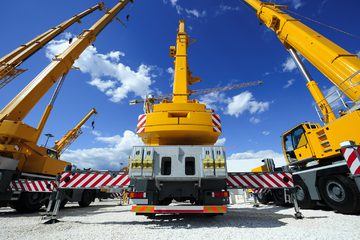
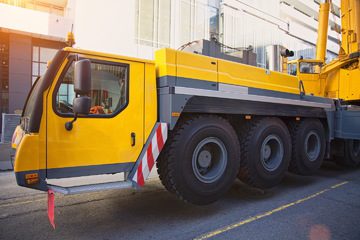
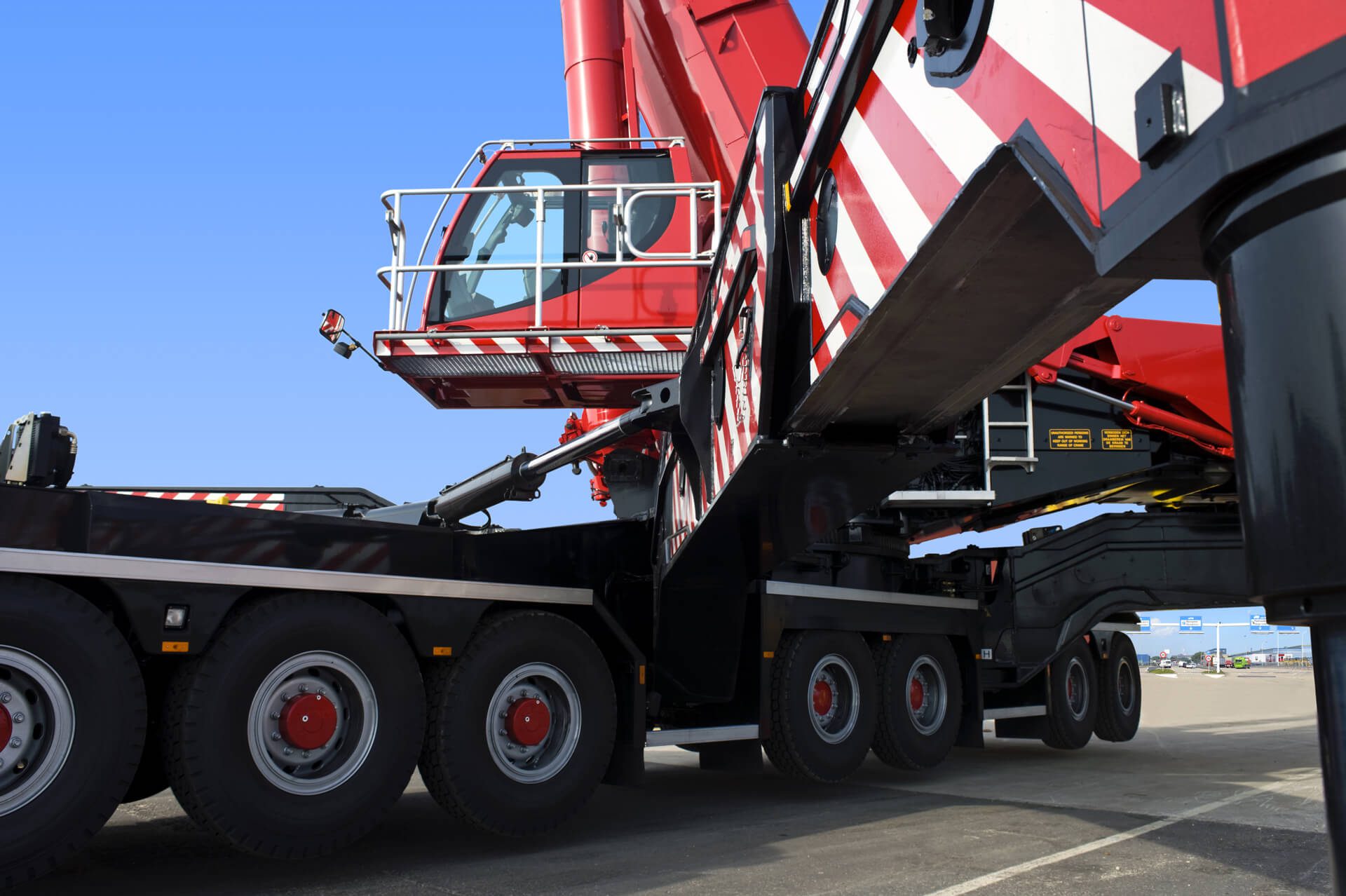
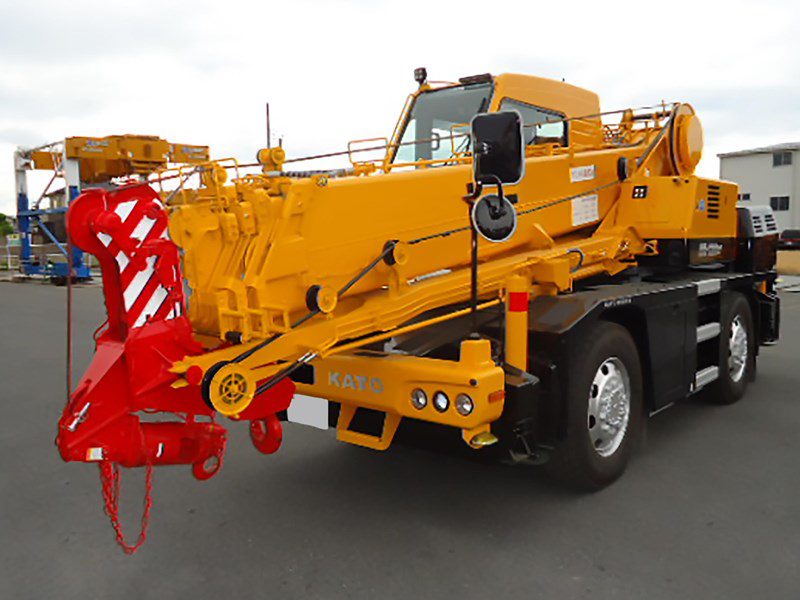
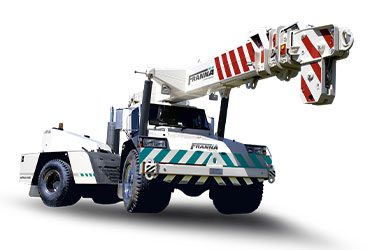
All-terrain cranes occupy a different position. They are designed for mobility across roads while also providing lifting capabilities suited to demanding work environments. That combination can become useful where construction requires movement between work zones or where access conditions are less uniform than those found on a conventional urban site.
A Southern Highlands project involving structural steel installation, mechanical equipment or precast components may therefore present a different crane-selection problem from a high-rise development in central Sydney. Neither location necessarily demands a particular crane simply because of geography. The equipment must fit the actual operating conditions.
Flexibility Still Depends on Discipline
There is a temptation to equate greater mobility with easier construction. That would miss the more important issue.
Cranes remain high-risk plant, and mobility does not remove the need for careful planning. Safe Work Australia identifies risks including structural failure, overturning, collisions and falling objects, while noting that many crane operations require high risk work licensing and that some cranes require registration.
Ground conditions are particularly significant. A crane’s theoretical lifting capability does not exist independently of the surface beneath it. Ground bearing capacity, slope, drainage, access and outrigger positioning can all affect whether a planned lift is practical.
This is why crane procurement increasingly intersects with engineering and risk management. A project team needs to understand not only the weight of the load but also where the crane will stand, how the load will travel and what could happen if site conditions change.
SafeWork NSW similarly identifies risks associated with mobile crane operations, including rollovers, falling loads and contact with structures or powerlines. Its guidance places emphasis on planning, consultation, hazard identification, equipment maintenance and appropriate licensing.
In other words, the crane cannot be separated from the environment in which it operates.
Regulation Is Influencing Procurement
Australia’s crane industry is also operating within a regulatory framework that continues to evolve.
Safe Work Australia’s model WHS regulations recognise high risk work licensing requirements for several crane categories. The organisation has also been reviewing crane licensing arrangements to ensure they remain relevant to contemporary equipment and working practices. In December 2025, amendments to the model regulations changed aspects of how certain crane-related high risk work is encompassed by licensing requirements, while further reforms are being assessed during 2026.
For construction businesses, this evolution has a practical implication: equipment selection increasingly involves checking the entire operating system rather than simply hiring a machine.
That includes considering the relevant licence class, operator competency, inspection requirements, maintenance records and the conditions under which the crane will work. Safe Work Australia states that some cranes and crane components require registration and that competent persons must undertake specified inspection and testing activities.
SafeWork NSW also advises businesses hiring mobile cranes to consider documentation, inspection records, manuals, load charts and the competence and licensing of operators.
The effect is subtle but important. Compliance is no longer something that can sensibly be added at the end of a crane-hire decision. It forms part of the decision itself.
Technology Is Making Crane Planning More Data-Driven
Technology is adding another layer to this transformation.
Modern crane operations increasingly intersect with digital planning, positioning systems, load monitoring and equipment-management tools. These technologies can provide project teams with more information about equipment use and operating conditions.
Their significance is not that they replace human judgment. Rather, they can make that judgment more informed.
For example, digital monitoring can help managers understand equipment utilisation, while positioning and load-management technologies can support safer and more precise lifting operations when properly integrated into a project’s control systems. The broader trend is toward connecting machinery with the information systems already used to coordinate construction.
That matters because delays in lifting operations rarely remain isolated. A crane waiting for access can delay steel installation. A delayed structural installation can affect following trades. A poorly planned mobilisation can create costs that extend far beyond the equipment itself.
The better the project understands these relationships, the more strategically it can approach crane hire.
What Southern Highlands Projects Reveal About Australian Construction
The Southern Highlands provides a useful lens through which to understand a wider national change.
Construction is no longer simply a matter of acquiring equipment with sufficient capacity and sending it to a site. Increasingly, contractors must match equipment characteristics to terrain, access, project sequence, regulation, labour capability and safety requirements.
That does not make one crane type inherently better than another. It makes the decision more contextual.
A tower crane can be logical for sustained vertical construction. A luffing crane can address restricted urban airspace. Mobile equipment can offer useful flexibility across changing work zones. An all-terrain machine can make sense when mobility and lifting capability need to coexist within a demanding site environment.
The significance of all terrain crane hire Southern Highlands therefore extends beyond a particular category of equipment. It reflects a broader shift in how Australian construction thinks about machinery.
The crane on the skyline may remain one of the most recognisable symbols of development. But the more consequential change is happening behind the scenes: equipment decisions are becoming increasingly connected to engineering, regulation, technology and urban or regional planning.
As Australia’s construction landscape becomes more complex, the successful project will not necessarily be the one with the largest crane. It will be the one that understands precisely what its site demands—and chooses its lifting strategy accordingly.