A crane standing above a construction site can make a project look deceptively straightforward. From a distance, the machine appears to have one obvious purpose: lift heavy materials into position. On the ground, however, the decision behind that crane can influence access, scheduling, safety, labour coordination and ultimately the economics of the entire project.
That is becoming increasingly important across Australia. Construction is taking place in environments that are more constrained, more closely regulated and more dependent on careful coordination than in previous decades. In Sydney, limited space and neighbouring structures can dictate the type of crane required. In regional areas such as the Southern Highlands, terrain, access and the distance between work zones can create a different set of problems.
This is why crane hire is increasingly becoming a strategic decision rather than a straightforward equipment purchase. A project does not simply need a crane with enough lifting capacity. It needs equipment that fits the site, the work sequence and the risks surrounding the lift.
For regional projects, all terrain crane hire southern highlands illustrates this changing approach particularly well.
The Site Now Determines More Than the Building
Modern construction planning increasingly begins with the physical realities of the site.
A project may have ambitious architectural plans and a carefully managed schedule, but the practical question remains: how will materials move from where they arrive to where they are needed?
On a large regional site, the answer may involve several lifting locations. Access routes may be narrow, surfaces may vary, and the ground conditions at one part of the site may differ from another. Weather can also affect conditions and scheduling.
In metropolitan construction, the problem is often the opposite. Space is scarce. A crane may have to operate beside an existing building, above a busy road or within a site surrounded by other developments.
These differences make standardised crane selection increasingly difficult.
Project managers therefore have to consider the complete operating environment. The crane’s capacity matters, but so do its mobility, configuration, reach, setup requirements and interaction with other site activities.
The consequences can be significant. If a crane cannot be positioned efficiently, other trades may have to wait. If mobilisation takes longer than expected, the construction programme can be affected. A decision made during procurement can therefore create consequences months later on the worksite.
Different Cranes Reflect Different Needs
The continuing use of several crane types is not evidence of an industry lacking direction. It reflects the fact that construction problems vary.
Mobile crane hire is particularly relevant where flexibility is central to the work. A mobile crane can be transported to a project, configured for a particular lift and repositioned as the construction sequence changes. That can suit projects where lifting requirements are spread across different areas or where equipment is needed for specific stages rather than continuously.
Consider a regional commercial development where structural steel is installed in one section before mechanical equipment and other large components are positioned elsewhere. The ability to move lifting equipment can become a practical advantage because the construction sequence does not have to remain tied to a single lifting position.
Tower crane hire, by contrast, is generally associated with sustained operations. A multi-storey building may require materials to be lifted repeatedly throughout the project. A tower crane can provide a consistent lifting system across a defined area, making its fixed nature an important part of the construction strategy.
The calculation changes again on a tightly constrained urban site.
Luffing crane hire can be relevant where the crane’s operating radius must be carefully controlled because neighbouring buildings, roads or other cranes limit available airspace. Sydney’s increasingly dense development environment provides numerous examples of why the geometry around a construction site can matter almost as much as the building being constructed.
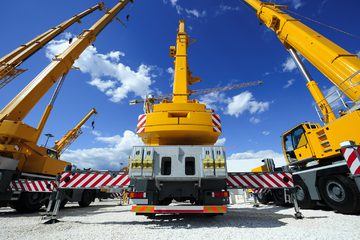
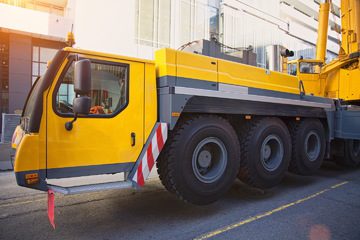
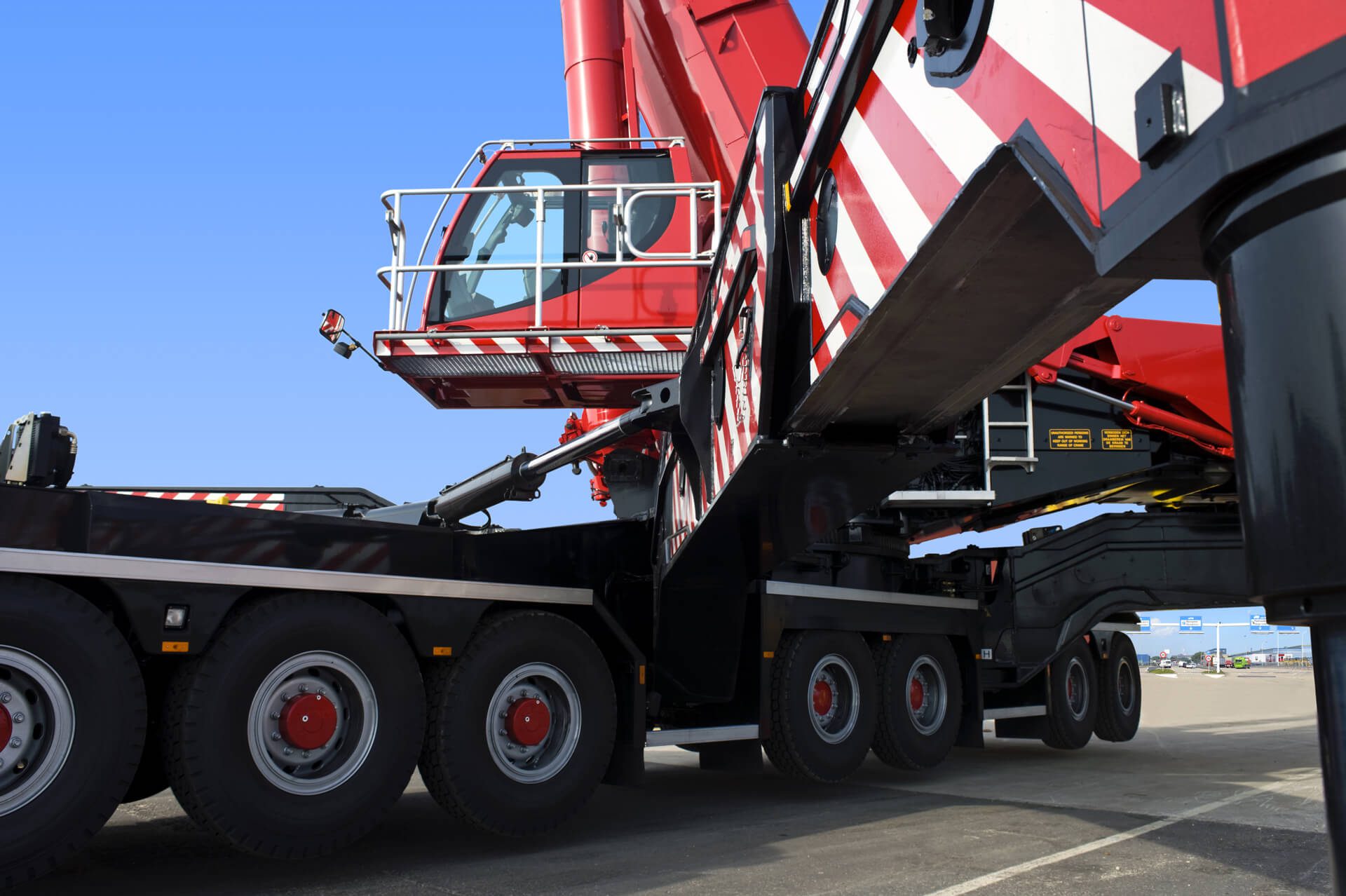
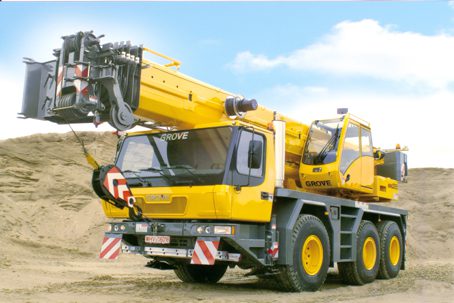
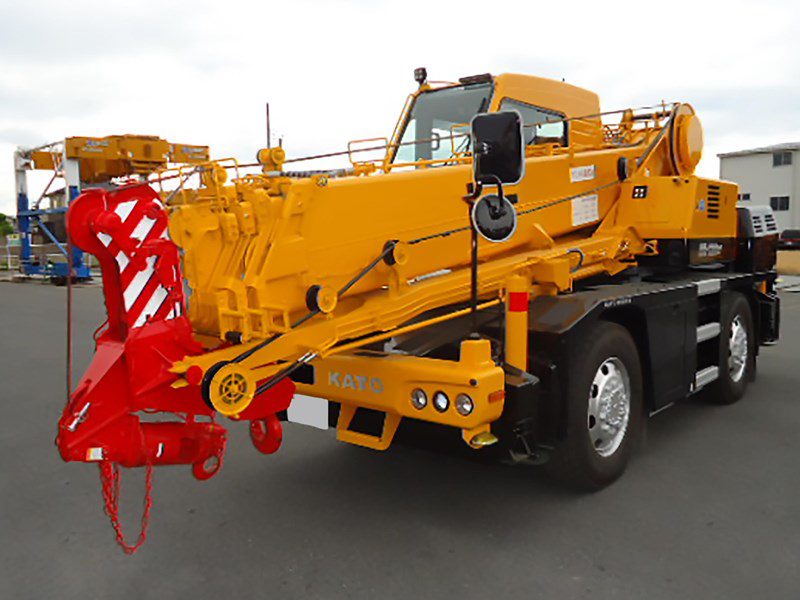
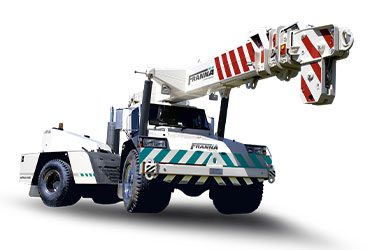
All-terrain cranes address a different combination of requirements. Their ability to travel between locations while also providing substantial lifting capability can be useful when a project involves variable access or multiple working positions.
The point is not that one category is superior. The more sophisticated approach is to determine which machine corresponds most closely with the project’s physical and operational requirements.
Mobility Does Not Mean Simplicity
The attraction of flexible equipment can create a misleading impression that mobility makes lifting operations easier.
In reality, moving a crane between locations introduces its own planning requirements. Ground conditions, slopes, underground services, overhead powerlines, exclusion zones and the presence of other plant can all influence how and where a crane operates.
SafeWork NSW identifies responsibilities for businesses, crane suppliers and operators involved in mobile crane work. Its guidance states that the workplace must be adequately prepared for the crane’s required configuration and that relevant documentation, licensing, inspection and maintenance information should be available. It also emphasises coordination between the people involved in the lifting operation.
This has an important implication for procurement. Hiring a crane is not simply about reserving machinery for a particular date.
The project team must understand what is being lifted, where the lift will occur and what site conditions the crane will encounter. SafeWork NSW specifically advises businesses to provide suppliers with information about the load and lifting location so the appropriate crane can be supplied.
That makes early site assessment increasingly valuable. The cost of identifying a constraint before mobilisation is generally easier to manage than discovering it after a large machine has arrived.
Safety Regulation Is Becoming More Specific
Crane hire is also being shaped by changes to Australia’s high-risk work framework.
Safe Work Australia’s model WHS regulations were amended in December 2025 to change aspects of crane licensing. The amendments removed certain encompassment provisions between crane licence classes and introduced a dogging qualification prerequisite for most crane licence classes. Safe Work Australia is also undertaking further work on possible changes to crane licensing during 2026.
These are not merely administrative developments. They reflect a broader attempt to ensure licensing remains aligned with contemporary equipment and work practices.
The national framework also places responsibilities on multiple parties involved in crane operations. Safe Work Australia notes that PCBUs, principal contractors, suppliers, owners, operators and others with management or control can have WHS duties. Certain cranes require high risk work licences, while some plant requires registration and inspection by competent persons.
For businesses hiring equipment, this means compliance increasingly forms part of the commercial decision.
A crane may have the right capacity, but the project still needs appropriate operators, documentation, inspections and procedures. The equipment, people and site controls have to work together.
That is particularly relevant for projects operating away from major metropolitan centres, where mobilisation can involve more planning and where changing site conditions may have a greater effect on operations.
Technology Is Moving Into the Planning Process
The crane industry is also becoming more connected to digital construction management.
Load-management systems, positioning technology, equipment monitoring and digital records can provide project teams with greater visibility over lifting operations. These tools can support more precise planning and make it easier to monitor equipment use and maintenance.
The important point is that technology does not eliminate professional judgment. It gives engineers, supervisors and operators more information with which to make decisions.
This distinction matters because construction sites remain unpredictable. Weather can change. Access can be blocked. Another contractor may alter the sequence of work. Ground conditions can differ from initial assumptions.
Digital systems can help identify and communicate some of these changes, but experienced people remain responsible for interpreting them.
The result is a gradual shift from equipment being treated as an isolated machine toward equipment becoming part of a broader information system.
Regional Construction Offers a Useful Test
The Southern Highlands provides an instructive example of why these changes matter.
Regional construction does not necessarily face the same spatial constraints as central Sydney, but it can present its own combination of terrain, access and logistical challenges. A crane may need to operate across a larger footprint, reach areas with different conditions or support a construction sequence that cannot easily be organised around a single permanent lifting position.
That makes all terrain crane hire Southern Highlands relevant not merely as an equipment category but as an example of a wider industry question: how closely can lifting strategy be matched to the realities of a project?
The answer will differ from one site to another.
In Sydney, a luffing crane may be appropriate because surrounding structures constrain the available operating radius. A tower crane may make more sense for a long-duration high-rise project. A mobile crane may suit a sequence of defined lifting operations. In the Southern Highlands, an all-terrain configuration may be considered where mobility and lifting capability need to work together.
The broader lesson is that Australia’s construction future will depend increasingly on fit rather than scale.
The largest crane is not automatically the most useful. The newest technology is not automatically the most appropriate. And mobility alone does not solve a project’s logistical problems.
What matters is the relationship between equipment, site, people, regulation and timing.
As Australia’s cities expand and regional construction becomes more complex, crane hire decisions will increasingly sit at the intersection of engineering and strategy. The cranes will remain highly visible symbols of development. The more important transformation, however, will happen behind the site fences, where decisions about access, safety, technology and equipment determine how efficiently Australia can build what it needs next.