From Sydney’s expanding skyline to the growing infrastructure pipeline across regional New South Wales, crane hire decisions have become a strategic factor in how projects are delivered—revealing broader shifts in construction, regulation, and urban planning.
Just after sunrise, construction sites across New South Wales begin moving almost in unison. In Sydney, tower cranes dominate the skyline above dense commercial precincts. Several hours southwest, projects in the Southern Highlands rely on an entirely different rhythm, where mobility, site access, and changing terrain influence every lifting decision. The cranes may differ, but the challenge is increasingly the same: matching the right equipment to increasingly complex projects.
For many outside the construction industry, cranes symbolize progress. They represent buildings rising, roads expanding, and communities growing. Yet the decisions behind those machines have become far more strategic than they once were. Across Australia, project managers are no longer selecting lifting equipment based solely on capacity or availability. Instead, crane hire has become a question of logistics, safety, regulation, workforce efficiency, and long-term project performance.
That shift reflects broader changes occurring throughout Australia’s construction sector.
Why Crane Hire Has Become More Complex
Australia’s construction industry is working through a period of simultaneous opportunity and constraint. Governments continue investing in transport infrastructure, housing, healthcare, and education, while private developers pursue higher-density projects in metropolitan centres. At the same time, builders face tighter project schedules, labour shortages, rising costs, and increasingly demanding regulatory expectations.
These pressures have elevated equipment planning from an operational task to a strategic decision.
In Sydney, where available construction space continues to shrink, every square metre of a site carries greater value. Temporary road closures, neighbouring buildings, overhead utilities, and restricted access mean lifting operations must be planned with exceptional precision. Similar planning challenges increasingly appear in regional growth corridors, where terrain, travel distances, and limited site infrastructure require different solutions rather than simpler ones.
This changing environment explains why city crane hire is no longer viewed merely as equipment procurement. It has become part of broader project risk management.
Construction leaders increasingly evaluate how lifting strategies affect productivity throughout the life of a project rather than focusing only on daily operational requirements.
Different Projects Demand Different Crane Strategies
The diversity of Australian construction means no single crane configuration suits every project.
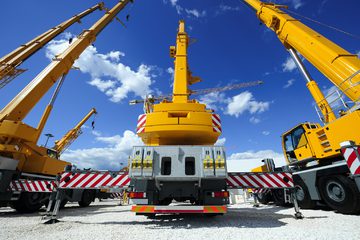
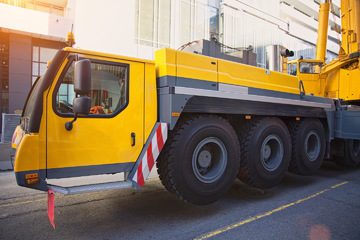
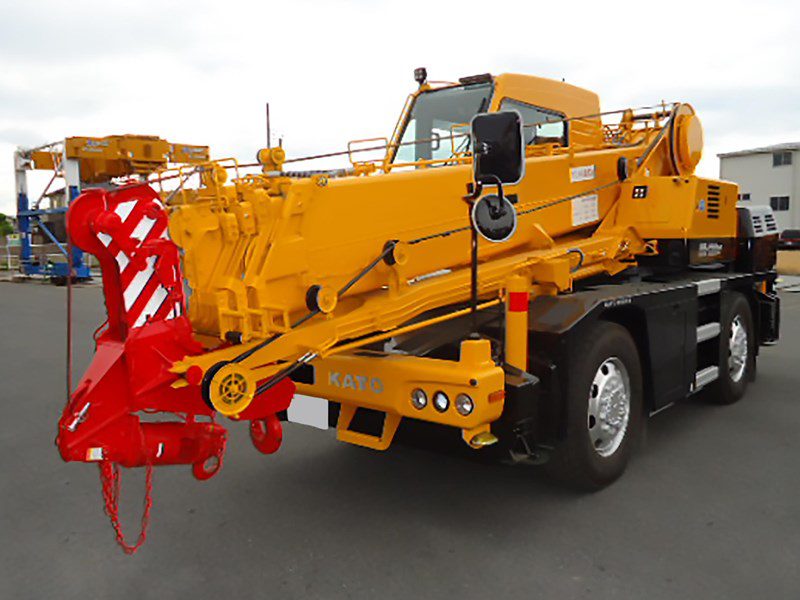
A contractor managing several infrastructure upgrades across metropolitan suburbs may prioritise mobile crane hire because mobility reduces downtime between locations. Mobile cranes allow teams to relocate quickly, support shorter project phases, and respond to changing construction priorities without significant assembly requirements.
The equation changes dramatically on high-rise developments.
For commercial towers, residential apartments, and mixed-use developments that extend over many months, tower crane hire provides continuous lifting capacity throughout construction. Rather than repeatedly repositioning equipment, tower cranes become part of the project’s long-term operating system, efficiently moving materials as structures rise floor by floor.
Yet Australia’s increasingly dense cities have introduced another challenge.
Modern developments often occupy narrow sites surrounded by existing buildings, busy streets, or active transport corridors. Traditional crane configurations may lack sufficient operating clearance. In these situations, luffing crane hire has become increasingly relevant because its adjustable jib allows materials to be lifted safely within restricted airspace while minimising interference with neighbouring properties.
The decision is less about choosing the most powerful crane than selecting equipment whose operating characteristics align with the physical realities of the project.
Beyond Sydney: Regional Growth Requires Different Thinking
While Sydney attracts attention for its skyline, substantial construction activity continues throughout regional New South Wales.
Infrastructure investment, industrial development, healthcare expansion, and residential growth are creating new demands outside metropolitan centres. These projects frequently involve longer travel distances, variable ground conditions, and limited supporting infrastructure.
A road upgrade near the Southern Highlands, for example, presents very different logistical considerations than an apartment development in Sydney’s inner suburbs. Equipment may need to travel significant distances between work zones while operating on uneven terrain and adapting to changing site conditions throughout the project lifecycle.
This is one reason city crane hire Southern Highlands has become an increasingly relevant consideration for contractors managing projects that connect metropolitan expertise with regional delivery. The objective is not simply transporting equipment beyond city boundaries but ensuring lifting capability remains efficient despite differing geographic and operational constraints.
Regional construction increasingly demands flexibility without compromising safety or productivity.
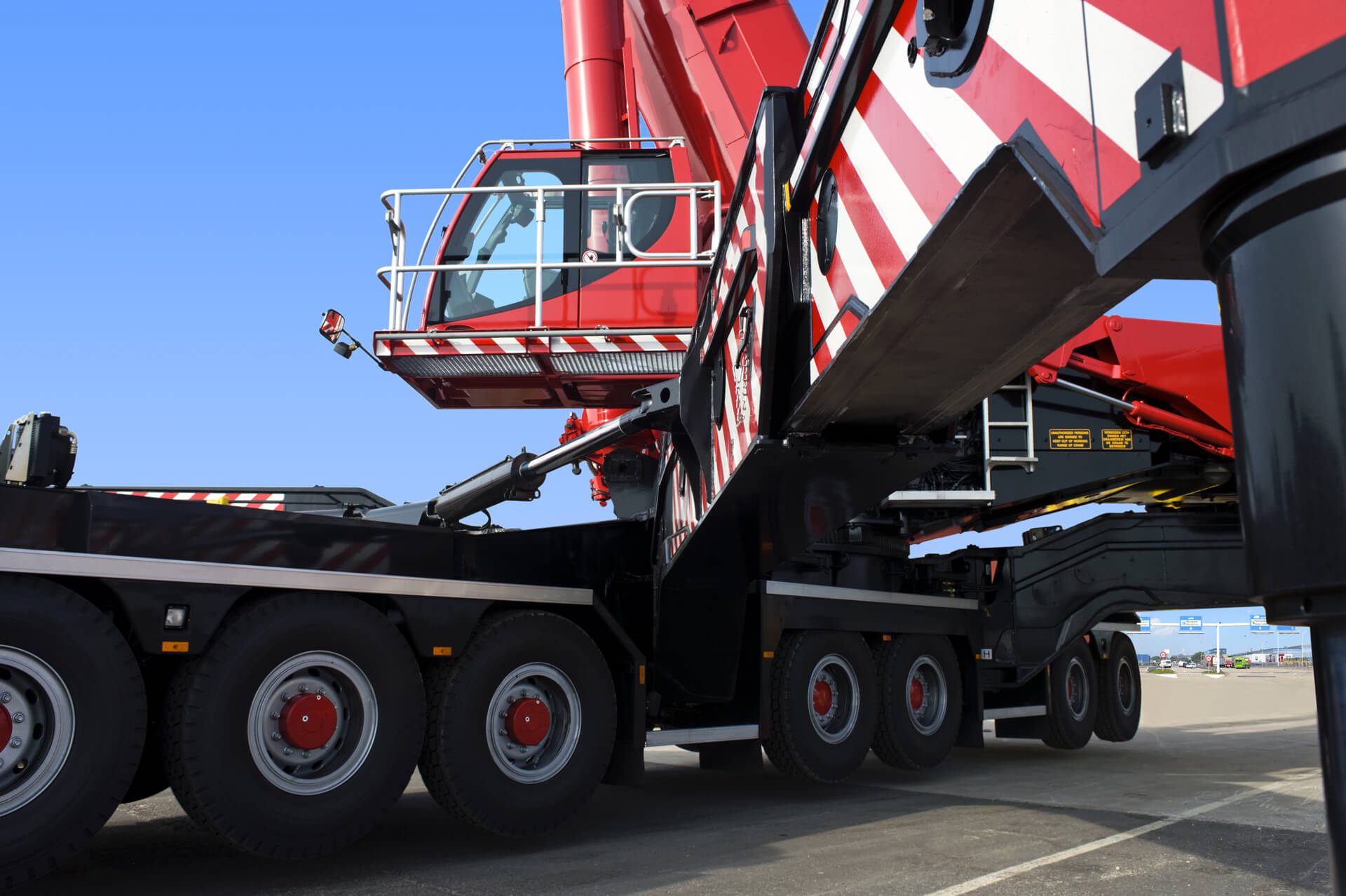
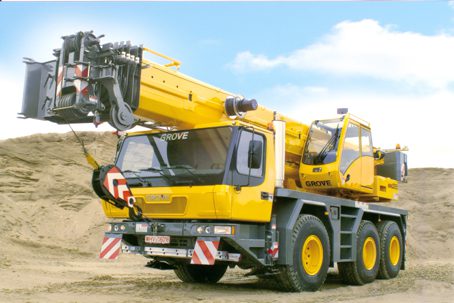
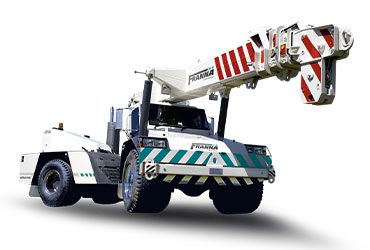
Similarly, projects requiring all-terrain crane hire Sydney often illustrate how equipment designed for diverse operating environments can bridge the gap between urban infrastructure and projects extending into surrounding regions where road access and variable surfaces become part of everyday operations.
Regulation Is Quietly Changing the Industry
Much of Australia’s construction transformation has occurred away from public attention.
State regulators and workplace safety authorities have steadily strengthened expectations surrounding lifting operations, operator competency, inspection procedures, and site planning. Organisations such as WorkSafe agencies across Australian jurisdictions have placed greater emphasis on documented risk assessment, equipment maintenance, exclusion zones, and operator qualifications.
Rather than viewing compliance as a final checklist, many contractors now integrate safety planning during the earliest stages of project development.
Digital documentation has also changed how lifting operations are managed. Equipment inspections, maintenance records, operator certifications, and lift planning can increasingly be monitored electronically, improving both transparency and accountability throughout complex projects.
The result is an industry where successful crane operations depend as much on planning systems as mechanical capability.
Technology Is Making Better Decisions Possible
Technology is reshaping crane operations in ways that extend beyond automation.
Many lifting operations now incorporate GPS fleet management, digital load monitoring, real-time equipment diagnostics, and telematics capable of providing continuous operational data. Project managers can better understand utilisation rates, maintenance requirements, and scheduling efficiency before problems affect construction timelines.
These technologies support better decision-making rather than replacing experienced operators.
Predictive maintenance helps reduce unexpected downtime. Digital load management assists with safer lifting practices. Data collected across multiple projects enables contractors to identify patterns that improve future planning while reducing operational uncertainty.
Importantly, these advances complement—not replace—the expertise required to manage increasingly complicated construction environments.
What Crane Strategy Reveals About Australia’s Construction Future
Australia’s skylines tell only part of the construction story.
The more significant transformation is occurring behind the scenes, where procurement decisions increasingly shape project certainty, workforce productivity, regulatory compliance, and long-term infrastructure performance. Crane hire has evolved from a logistical necessity into an indicator of how sophisticated modern construction has become.
As cities continue growing vertically and regional communities expand through new infrastructure investment, lifting strategies will remain closely connected to broader questions about urban planning, sustainability, and economic development.
Whether overlooking Sydney’s evolving skyline or supporting projects across the Southern Highlands, cranes represent more than engineering capability. They reveal an industry adapting to tighter spaces, higher expectations, smarter technology, and increasingly complex delivery models.
The cranes visible above Australia’s construction sites may capture public attention, but the decisions determining which cranes arrive—and why—offer the clearer insight into where Australian construction is heading next.