As Australia’s cities become denser and infrastructure projects grow more complex, crane hire decisions are evolving from routine logistics into strategic choices that influence safety, productivity, and the future of urban development.
On any weekday morning in Sydney, the skyline tells a story long before construction crews arrive. Tower cranes hover above apartment developments, mobile cranes navigate congested streets before traffic peaks, and specialised lifting equipment quietly supports projects hidden behind temporary barriers. To many residents, these machines blend into the background. To planners, engineers, and project managers, however, they represent a deeper shift in how Australian cities are being built.
The conversation surrounding city crane hire has become less about simply securing equipment and more about selecting the right lifting strategy for increasingly demanding environments. As Australia’s urban centres continue to grow vertically while available space shrinks, crane selection has emerged as a critical factor influencing project schedules, workforce efficiency, regulatory compliance, and even long-term city planning.
Building in Tighter Spaces Changes Every Decision
Australia’s construction sector is experiencing a period of significant transformation. Population growth, urban renewal programs, transport infrastructure investments, and the continued demand for higher-density housing are placing unprecedented pressure on construction sites—particularly in metropolitan areas such as Sydney.
Unlike previous decades, many new developments are no longer built on expansive greenfield sites. Instead, projects are squeezed between occupied buildings, active roads, rail corridors, and essential public infrastructure. Every delivery, lift, and movement must be carefully coordinated to minimise disruption while maintaining strict safety standards.
In this environment, city crane hire has become a strategic planning exercise rather than a procurement task. Crane capabilities must be evaluated alongside site access, surrounding structures, lifting capacity, environmental conditions, and project sequencing. A crane that performs well on one project may be entirely unsuitable only a few blocks away.
The result is an industry increasingly focused on matching equipment to highly specific urban constraints rather than relying on one-size-fits-all solutions.
Different Projects Demand Different Lifting Strategies
Modern Australian construction demonstrates that no single crane type can meet every challenge.
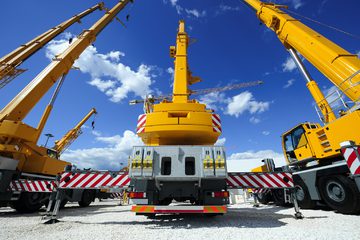
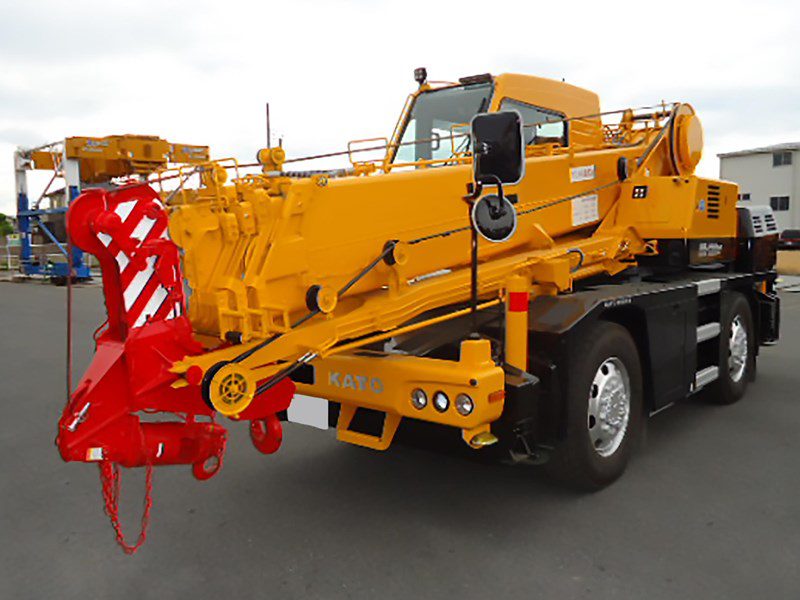
For projects spread across multiple locations or involving short-term lifting requirements, mobile crane hire offers flexibility that permanent installations cannot match. Mobile cranes can relocate quickly, reducing downtime between projects and supporting everything from infrastructure maintenance to commercial developments where lifting needs change daily. Their ability to move efficiently across metropolitan worksites makes them particularly valuable during staged construction programs.
Long-duration developments present an entirely different challenge. High-rise residential towers, commercial precincts, and mixed-use developments typically depend on tower crane hire because these cranes provide continuous lifting capacity throughout extended construction schedules. Once installed, tower cranes become part of the site’s operational rhythm, enabling materials to be delivered vertically with consistency while reducing unnecessary movement at ground level.
Dense urban environments often require an even more specialised approach. When neighbouring buildings, narrow property boundaries, or restricted airspace limit traditional crane operations, luffing crane hire offers a practical solution. By operating with a luffing jib that can be raised or lowered within confined areas, these cranes reduce oversailing and improve lifting precision where every metre matters.
Rather than competing technologies, these crane types increasingly complement one another. Successful projects often combine multiple lifting strategies as construction progresses through different stages.
Sydney Reflects a Broader National Trend
Sydney illustrates these changing dynamics particularly well.
A redevelopment project within the city’s established commercial districts faces challenges very different from those encountered on suburban developments. Limited laydown space, continuous pedestrian movement, nearby public transport, and strict delivery schedules require equipment capable of operating efficiently without disrupting surrounding activity.
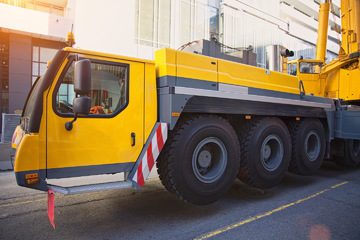
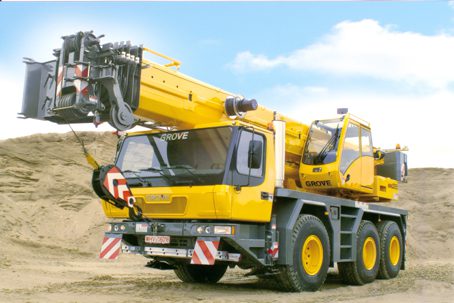
An example is all-terrain crane hire Sydney, which is frequently chosen for projects requiring both road mobility and substantial lifting performance. These cranes can travel efficiently between sites while adapting to varying ground conditions, making them suitable for infrastructure upgrades, bridge works, and complex commercial developments across the metropolitan area.
The growing reliance on specialised lifting solutions reflects a broader reality. Australian cities are becoming more interconnected, leaving construction teams with fewer opportunities to isolate work zones. Instead, projects must coexist with functioning neighbourhoods, active businesses, and critical public services.
Regulation Is Driving More Than Compliance
Changing regulations have also influenced how crane hire decisions are made.
Australian workplace safety expectations have continued to evolve, supported by guidance from organisations such as WorkSafe authorities and state-based regulators. The emphasis has shifted beyond equipment certification alone toward comprehensive planning, operator competency, risk management, and documented lifting procedures.
For project managers, compliance is increasingly integrated into procurement decisions from the earliest planning stages. Selecting the appropriate crane now involves evaluating operator qualifications, maintenance records, inspection regimes, site-specific risk assessments, and operational limitations before work begins.
This regulatory evolution has encouraged greater collaboration between construction planners, crane providers, engineers, and safety professionals. Rather than reacting to site conditions as they arise, many projects now prioritise lifting strategies during the design phase, reducing uncertainty once construction begins.
Technology Is Quietly Changing Crane Operations
Technology is reshaping crane operations in ways that are often invisible to the public.
Digital load monitoring systems, GPS fleet tracking, remote diagnostics, telematics, and predictive maintenance tools are becoming increasingly common throughout Australia’s crane sector. These systems help operators monitor equipment performance, improve scheduling accuracy, and identify maintenance requirements before they interrupt project timelines.
Digital planning has also transformed lift preparation. Three-dimensional site modelling enables teams to simulate crane positions, lifting paths, and potential conflicts long before equipment arrives on site. This approach reduces unexpected delays while improving coordination among contractors working simultaneously within confined urban environments.
Sustainability considerations are adding another layer to these decisions. As developers seek to reduce emissions and improve operational efficiency, equipment utilisation has become more closely scrutinised. Better planning means fewer unnecessary machine movements, reduced fuel consumption, and more efficient allocation of lifting resources across multiple projects.
The Future of Australia’s Cities Depends on Smarter Decisions
The cranes that define Australia’s skylines remain highly visible symbols of economic activity, but the decisions behind them are becoming far more sophisticated.
Choosing the right equipment now requires balancing engineering requirements, regulatory expectations, technological capability, environmental considerations, and the practical realities of constructing buildings within increasingly constrained urban landscapes. The growing importance of city crane hire reflects a broader shift across the construction industry—one where logistics, planning, and infrastructure strategy are becoming inseparable.
As Australian cities continue to expand upward rather than outward, crane hire will increasingly influence how efficiently projects are delivered, how safely construction sites operate, and how successfully urban development integrates with existing communities.
The cranes themselves may remain familiar features of the skyline, but the thinking behind their deployment is changing. That evolution suggests Australia’s next generation of infrastructure will depend not only on ambitious design or engineering excellence, but also on quieter decisions about choosing the right equipment for the right place at precisely the right time.