As Australia’s construction industry adapts to denser cities, evolving regulations, and tighter project schedules, crane hire has become a strategic decision that influences how infrastructure is delivered—not simply how buildings are constructed.
At sunrise, the skyline of Northern Sydney begins another day of transformation. Tower cranes stand motionless above commercial developments before workers arrive. Mobile cranes weave through narrow streets toward infrastructure projects scheduled down to the minute. Behind temporary fencing, engineers, planners, and construction managers prepare for another carefully coordinated sequence of lifts that most commuters will never notice.
Yet those cranes represent far more than construction equipment. They reflect a fundamental shift in the way Australian cities are built.
Across the country, construction projects are becoming denser, timelines are growing tighter, and expectations around safety, sustainability, and efficiency continue to rise. In that environment, decisions surrounding city crane hire northern Sydney have evolved from operational necessities into strategic planning choices that shape budgets, schedules, public safety, and ultimately the pace of urban development.
The cranes visible across Sydney’s northern corridor tell a larger story about Australia’s infrastructure future.
Urban Density Is Changing the Construction Equation
Australian cities are expanding while available construction space continues to shrink. Rather than building on large, undeveloped parcels of land, developers increasingly work within established urban environments where surrounding buildings, transport corridors, utilities, and pedestrian traffic create constant constraints.
Northern Sydney offers a clear example of this reality. Commercial precincts continue to evolve alongside existing office towers. Residential developments are integrated into mature neighbourhoods. Healthcare facilities, schools, transport upgrades, and mixed-use projects frequently take shape while daily life continues uninterrupted around them.
Building in these environments demands more than engineering expertise. It requires logistical precision.
Every delivery vehicle, lifting operation, road closure, and construction sequence must fit into an increasingly crowded urban landscape. That reality has elevated crane planning into one of the earliest and most important conversations during project delivery.
Choosing the wrong lifting solution can create delays that affect multiple trades simultaneously, while selecting equipment suited to the site’s physical limitations can significantly improve construction efficiency.
Why Crane Hire Has Become a Strategic Business Decision
Several forces are reshaping Australia’s construction industry at the same time.
Labour shortages continue to pressure project schedules. Material costs remain volatile. Governments are accelerating infrastructure investment while urban populations continue growing. At the same time, clients expect shorter delivery programs without compromising safety or quality.
These combined pressures leave little room for inefficient site operations.
Crane hire therefore becomes more than equipment procurement. It influences workforce productivity, delivery sequencing, subcontractor coordination, and overall project risk management.
Increasingly, project managers evaluate lifting solutions alongside engineering design rather than after it. Crane capabilities affect where materials are stored, how structural elements are assembled, and when different trades can safely begin work.
In many respects, cranes have become operational hubs around which modern construction sites are organised.
Different Projects Require Different Crane Strategies
Australia’s construction sector encompasses everything from bridge maintenance and hospital expansions to residential towers and transport infrastructure. Each project presents unique physical and operational challenges, making crane selection highly dependent on context.
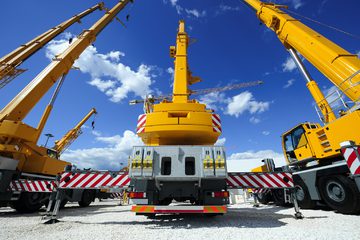
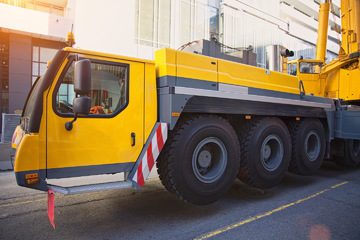
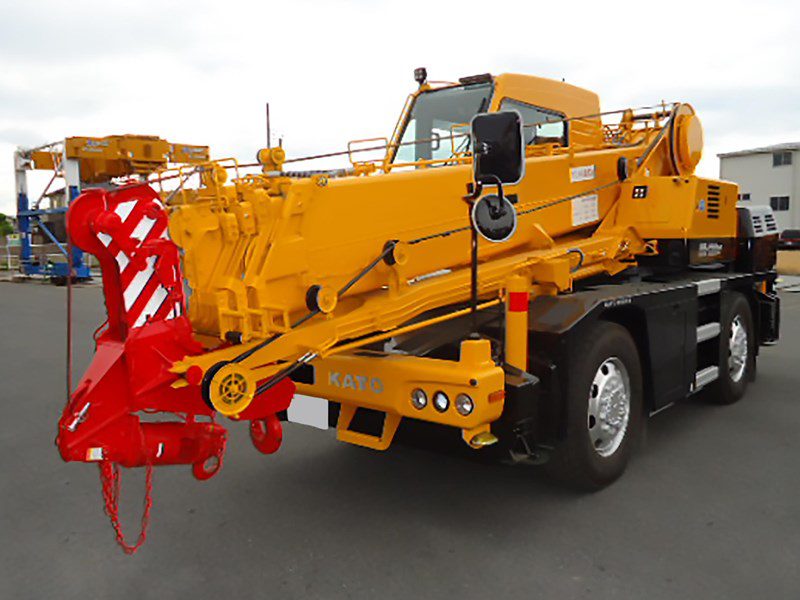
Projects spread across multiple locations often benefit from mobile crane hire, particularly where lifting requirements change throughout the construction program. Mobile cranes can relocate quickly between sites, reducing downtime while supporting maintenance works, industrial installations, utility upgrades, and shorter commercial projects.
By contrast, high-rise developments require consistency over extended construction periods. This is where tower crane hire plays a central role. Once installed, tower cranes become part of the project’s daily rhythm, continuously moving structural steel, concrete components, mechanical equipment, and building materials throughout months—or even years—of construction.
The challenge becomes even greater within highly constrained urban environments.
Many sites in Northern Sydney leave little room for traditional crane movements because neighbouring buildings, overhead services, and property boundaries restrict available operating space. Under these circumstances, luffing crane hire offers practical advantages by allowing the jib angle to change during operation, significantly reducing swing radius while maintaining lifting precision.
Rather than competing solutions, these crane types represent different responses to increasingly specialised construction challenges.
Northern Sydney Reflects Australia’s Broader Infrastructure Evolution
The demand for city crane hire Northern Sydney mirrors trends emerging across Australia’s major metropolitan centres.
Infrastructure upgrades often take place beside active transport networks where construction windows are limited to overnight possessions. Commercial redevelopments occur within busy business districts where maintaining pedestrian movement is essential. Residential projects frequently share boundaries with occupied buildings, requiring carefully planned lifting operations that minimise disruption.
A hospital expansion, for example, may require precision lifting near operating healthcare facilities where noise, vibration, and safety controls become critical. A transport interchange upgrade may involve overnight installation of bridge components before morning commuter services resume.
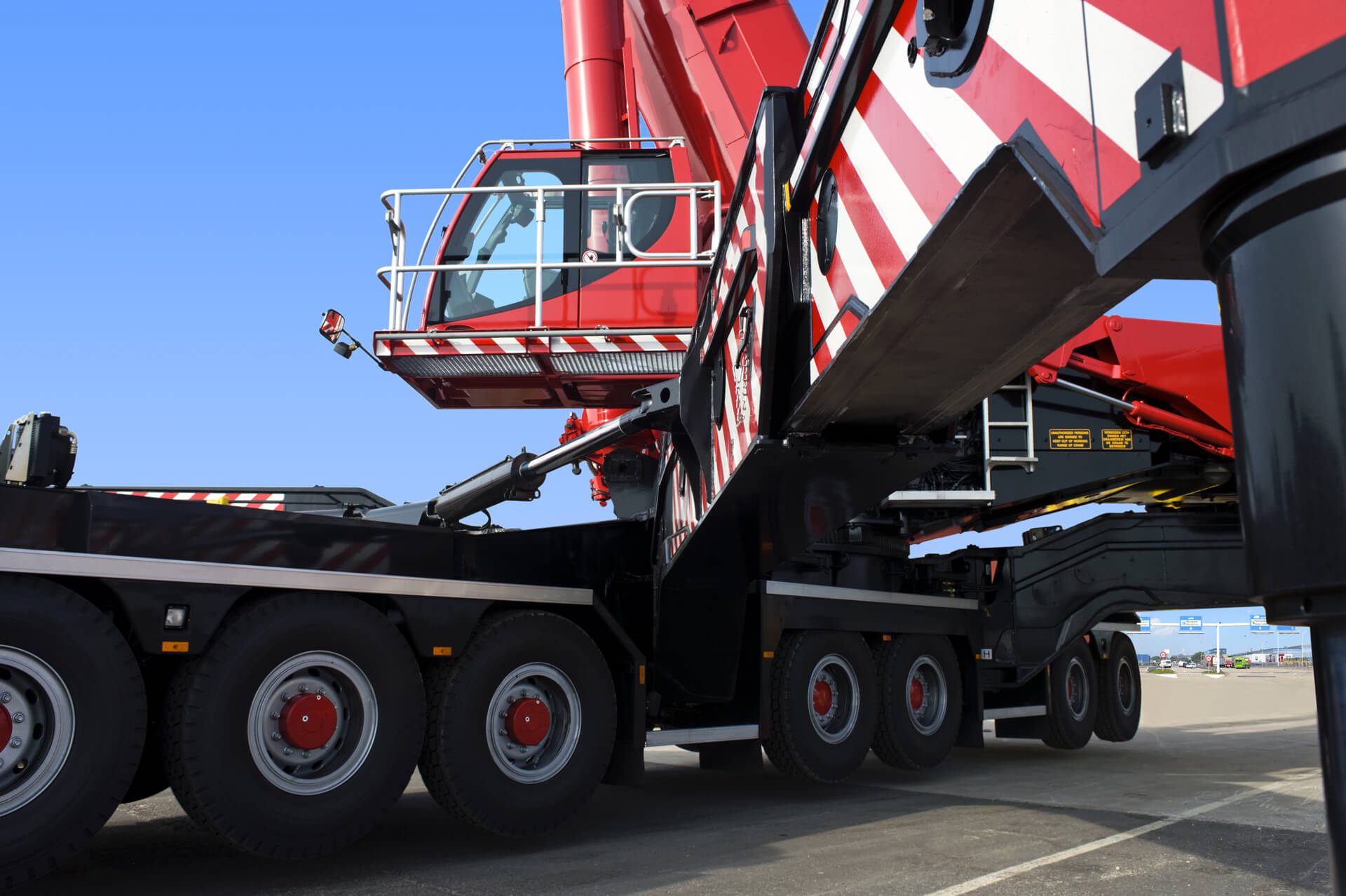
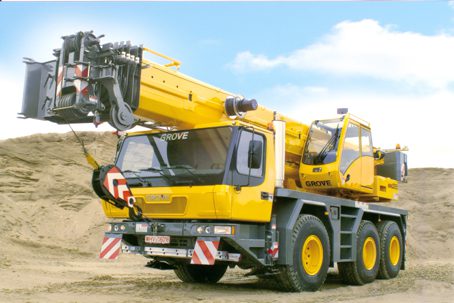
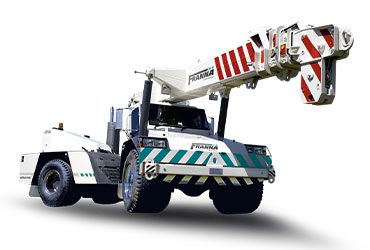
For larger infrastructure projects that extend across varied terrain, planners may occasionally specify all-terrain crane hire Sydney because these cranes combine strong lifting capability with the mobility required to travel efficiently between metropolitan worksites.
In every case, crane selection reflects site conditions rather than equipment preference.
That represents one of the industry’s most significant changes: lifting strategy now begins with project constraints rather than available machinery.
Regulation and Safety Expectations Continue to Evolve
Australia’s crane industry has experienced significant regulatory development over the past decade.
WorkSafe authorities across Australian states, together with Safe Work Australia guidance, continue strengthening expectations surrounding operator competency, lift planning, equipment inspections, exclusion zones, and risk management procedures.
These changes acknowledge a simple reality. Modern construction sites involve multiple interconnected activities occurring simultaneously. Crane operations influence nearly every aspect of site safety.
Consequently, many operators now invest heavily in digital maintenance systems, operator training, documented lift plans, and comprehensive inspection processes that extend well beyond minimum compliance requirements.
For developers and contractors, effective crane planning increasingly reduces both operational risk and financial uncertainty.
Technology Is Making Crane Operations More Predictable
The industry’s evolution extends well beyond mechanical improvements.
Digital technologies now influence nearly every stage of crane operations, from planning through execution.
GPS fleet monitoring helps coordinate equipment movements across multiple projects. Load management systems provide operators with real-time performance data during complex lifts. Wind monitoring equipment enables more informed operational decisions under changing weather conditions. Digital maintenance records improve equipment reliability while simplifying compliance documentation.
Many construction teams also integrate crane planning into broader Building Information Modelling (BIM) environments, allowing engineers to simulate lifting sequences before equipment even arrives on site.
These technologies do not replace experienced operators or project managers. Instead, they provide better information, allowing experienced professionals to make more informed decisions in increasingly demanding environments.
As Australian projects become larger and more technically complex, access to accurate operational data becomes as valuable as lifting capacity itself.
Crane Strategy Will Continue Shaping Australia’s Cities
The cranes visible across Northern Sydney may appear to symbolise construction activity alone, but they increasingly represent something more important: the growing complexity of urban development.
Australia’s future infrastructure projects will face tighter sites, stricter safety expectations, greater environmental scrutiny, and increasing pressure to deliver faster without compromising quality.
Meeting those expectations will require more than larger machinery or bigger construction budgets.
It will depend upon careful planning, informed procurement decisions, evolving technology, and lifting strategies designed around the realities of modern cities.
That is why crane hire has become a strategic discipline rather than a logistical afterthought.
As Australia’s skylines continue to evolve, the cranes that shape them will remain visible reminders that successful infrastructure begins long before concrete is poured or steel is lifted. It begins with decisions that are increasingly measured not by the size of the equipment on site, but by how intelligently it supports the future of Australia’s growing cities.