As Australia’s cities become denser and infrastructure projects grow more complex, crane hire decisions are emerging as one of the least visible—but most influential—factors behind successful construction delivery.
Walk through Sydney’s CBD early on a weekday morning and the skyline tells only part of the story. Tower cranes rise above commercial developments, mobile cranes navigate narrow streets before commuters arrive, and specialized lifting equipment appears briefly before disappearing to the next project. To most people, these machines simply signal that another building is underway. For project managers, engineers, and urban planners, they represent something far more significant: a series of strategic decisions that increasingly determine whether Australia’s infrastructure ambitions stay on schedule.
The conversation surrounding city crane hire has changed dramatically over the past decade. Once viewed primarily as an operational necessity, crane selection has become intertwined with procurement strategy, workforce planning, regulatory compliance, and the realities of building in increasingly constrained urban environments. Australia’s growing cities are demanding more sophisticated approaches to construction, and crane hire has quietly become one of the industry’s most consequential decisions.
Building More While Working Within Tighter Limits
Australia’s construction sector faces an unusual challenge. Population growth continues to drive demand for housing, transport infrastructure, hospitals, and commercial developments, yet the land available for major projects—particularly in Sydney—is becoming increasingly limited.
Rather than expanding outward, cities are growing upward and inward. Redevelopment projects often take place between occupied buildings, alongside operating transport networks, or within busy commercial districts where access is limited and disruption must be minimized. These constraints have fundamentally altered how construction projects are planned.
In this environment, city crane hire extends well beyond choosing equipment capable of lifting heavy materials. Contractors must consider road access, surrounding structures, overhead services, pedestrian safety, delivery schedules, and environmental restrictions before selecting the appropriate lifting solution. Every decision has implications for productivity, safety, and project costs.
The crane has become part of a much broader logistical system rather than a standalone piece of machinery.
Why Crane Hire Has Become a Strategic Procurement Decision
Several forces are converging to make crane hire more important than ever.
Australia continues to experience skilled labour shortages across construction trades, increasing pressure on project timelines. Delays caused by equipment availability or unsuitable lifting strategies can quickly affect multiple contractors working on the same development.
At the same time, infrastructure investment remains strong across transport, healthcare, renewable energy, and residential construction. Many projects are competing for similar resources within overlapping delivery windows, making efficient planning increasingly valuable.
Post-pandemic supply chain disruptions also changed how construction teams approach scheduling. Rather than reacting to changing site conditions, project managers increasingly build flexibility into procurement strategies from the earliest planning stages.
As a result, crane hire decisions are no longer isolated procurement exercises. They influence sequencing, logistics, workforce coordination, material deliveries, and project risk from the outset.
Different Projects Demand Different Crane Solutions
One reason city crane hire requires careful planning is that Australia’s construction portfolio is remarkably diverse.
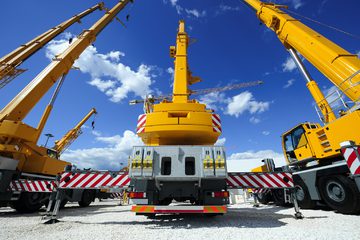
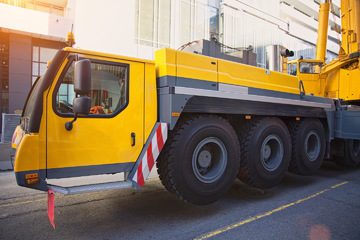
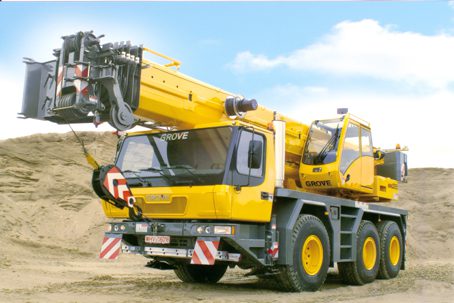
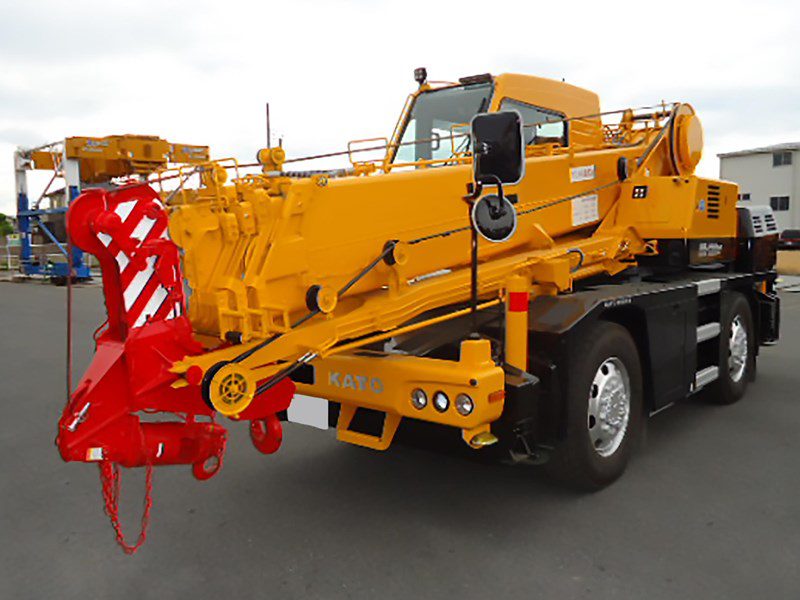
Projects involving industrial maintenance, bridge upgrades, utility installations, or multiple job sites often benefit from mobile crane hire. These cranes provide the flexibility to relocate quickly between locations, allowing contractors to respond efficiently as project priorities change. Their versatility makes them particularly valuable when lifting requirements vary throughout the construction schedule.
High-rise developments present an entirely different operational challenge. Residential towers, office buildings, and mixed-use developments require continuous vertical movement of materials over many months. In these environments, tower crane hire provides the sustained lifting capacity needed to support complex structural work while maintaining efficient site operations throughout extended construction programs.
Urban redevelopment introduces yet another level of complexity. Construction sites squeezed between existing buildings frequently leave little room for conventional crane movement. In these situations, luffing crane hire allows operators to work within restricted airspace while maintaining the precision necessary for lifting materials safely around neighbouring structures.
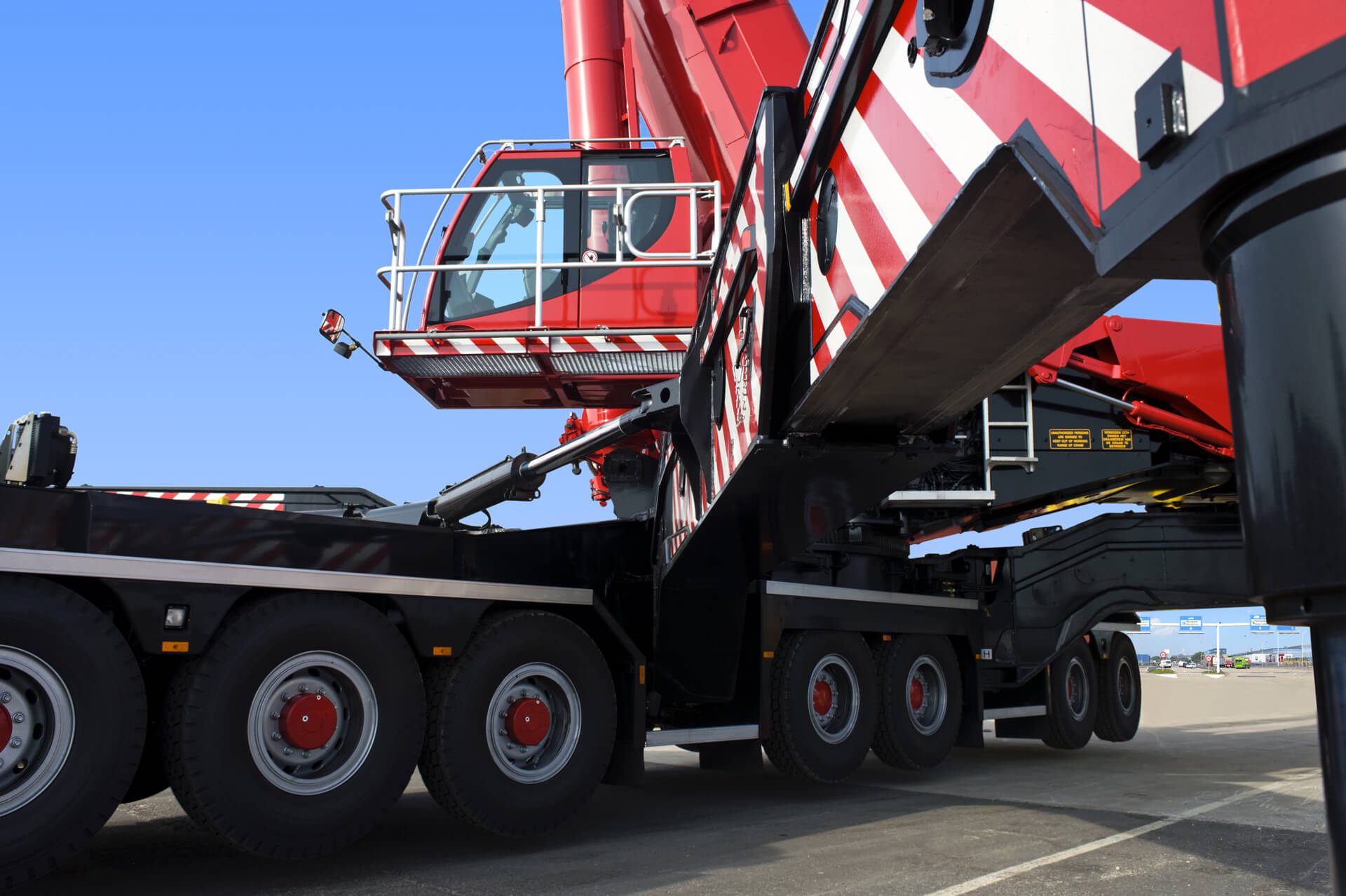
Sydney provides numerous examples of these changing demands. During major infrastructure upgrades or large equipment installations, contractors may also rely on all-terrain crane hire Sydney projects require for temporary heavy lifting where road access, uneven ground, or rapidly changing site conditions make fixed equipment impractical.
None of these solutions represents a universal answer. Each reflects the industry’s growing emphasis on selecting equipment that fits the realities of individual projects rather than applying standard approaches across every construction site.
Safety Standards Are Raising the Bar
Crane technology has evolved, but perhaps the most significant changes have occurred in safety expectations.
Australian construction now operates within increasingly rigorous regulatory frameworks supported by WorkSafe authorities and state-based workplace safety regulators. Lift planning, operator competency, engineering assessments, exclusion zones, and equipment inspections have become central components of modern project management.
This evolution reflects lessons learned across the broader construction industry. Rather than treating safety as something managed only during lifting operations, project teams increasingly integrate risk assessment into the earliest phases of planning.
For contractors, city crane hire now involves evaluating not only equipment performance but also documentation, operator qualifications, maintenance histories, and site-specific compliance requirements. These considerations influence procurement decisions long before machinery arrives on site.
The industry’s emphasis has shifted from responding to operational risks toward preventing them through better planning and coordination.
Technology Is Making Crane Operations More Predictable
Digital transformation is reshaping construction in subtle but meaningful ways.
Many crane operators now incorporate GPS tracking, electronic maintenance records, remote diagnostics, digital lift planning, and load monitoring technologies into daily operations. These systems provide greater visibility into equipment performance while helping identify maintenance requirements before they disrupt projects.
Project management software has also strengthened coordination between engineers, contractors, suppliers, and lifting specialists. Material deliveries can be synchronized more accurately with crane availability, reducing downtime and improving site productivity.
Automation has not replaced experienced operators, nor is it likely to in the foreseeable future. Instead, technology increasingly supports human decision-making by providing more reliable operational data.
For an industry working under tighter schedules and increasing regulatory scrutiny, better information often proves just as valuable as more powerful machinery.
Sustainability Is Becoming Part of Procurement Conversations
Environmental performance is influencing construction decisions in ways that extend beyond building materials.
Developers and public infrastructure agencies increasingly measure project efficiency through reduced emissions, improved resource utilization, and minimized unnecessary transport movements. Equipment selection contributes directly to these objectives.
Well-planned city crane hire helps reduce unnecessary mobilization, limits idle operating hours, and ensures lifting capacity closely matches project requirements. Efficient scheduling can also reduce congestion around busy construction sites by coordinating deliveries more effectively.
Although cranes may not immediately come to mind when discussing sustainability, their role within broader project logistics has become increasingly important as environmental reporting gains prominence across Australia’s construction sector.
What This Signals for Australia’s Construction Future
Australia’s skylines will continue to evolve as cities respond to population growth, infrastructure investment, and changing patterns of urban development. Cranes will remain among the most visible symbols of that transformation.
Yet the real story lies beneath the skyline. The future of construction depends not only on engineering ambition but also on thousands of carefully considered operational decisions that determine whether projects are delivered safely, efficiently, and responsibly.
The growing importance of city crane hire reflects a broader shift across Australian construction. Procurement is becoming more strategic. Regulation is becoming more sophisticated. Technology is improving coordination rather than replacing expertise. Sustainability is influencing everyday operational choices alongside cost and productivity.
These changes may attract little public attention compared with the buildings eventually completed. Nevertheless, they shape how Australia’s cities are built—and how resilient those cities will be in the decades ahead.
As urban density increases and infrastructure expectations continue to rise, crane hire will remain far more than a logistical requirement. It has become an essential part of the planning decisions that quietly define the future of Australia’s built environment.