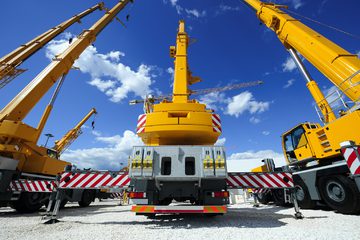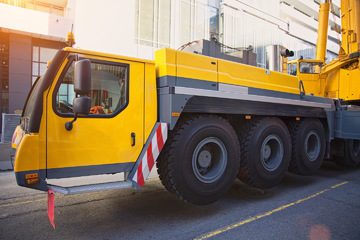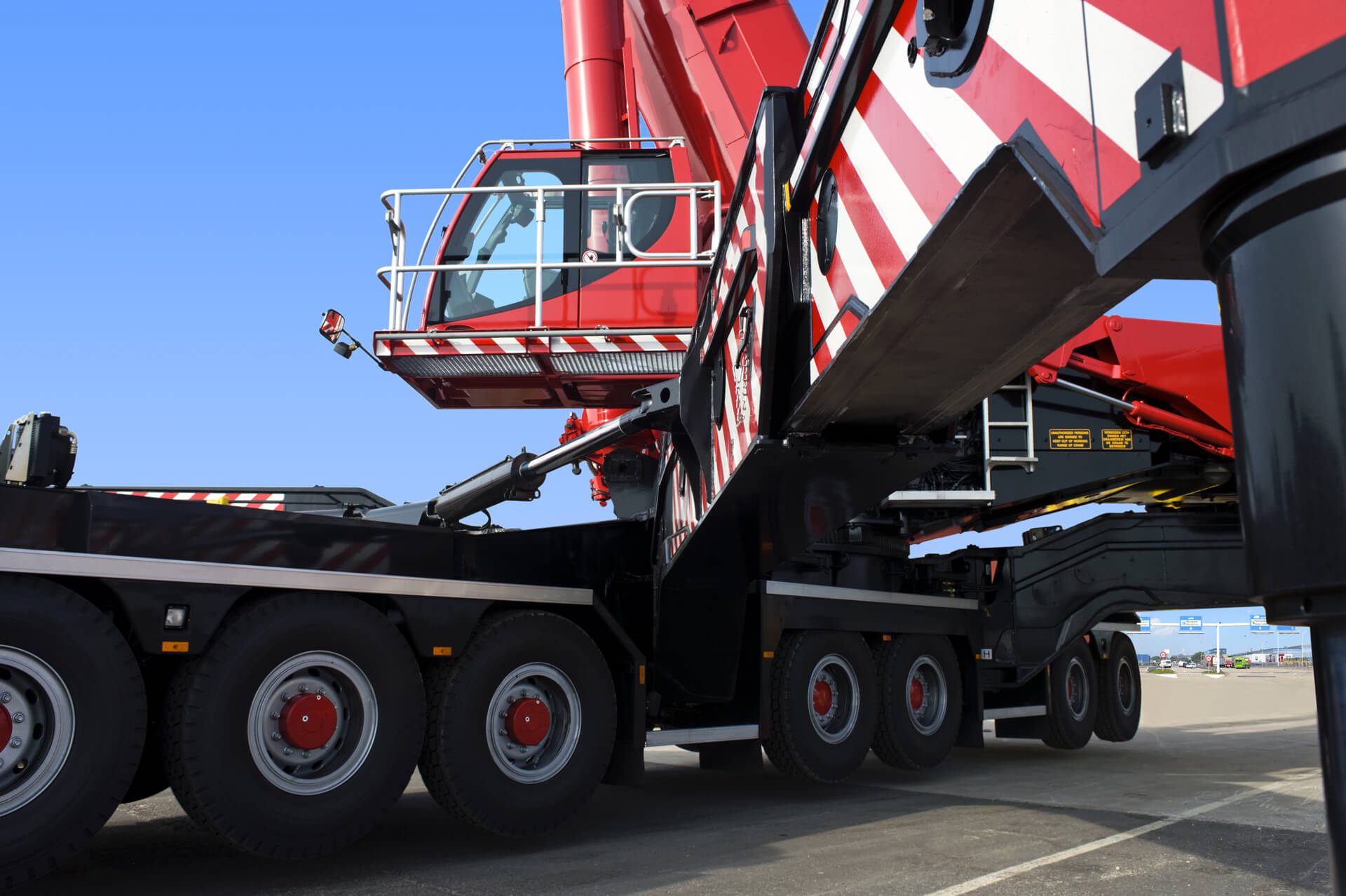
As Australia’s urban landscape grows denser, crane hire choices are influencing project timelines, safety standards, and the future of construction more than ever before.
The skyline of Northern Sydney tells a story that extends well beyond new office towers and residential developments. On any given morning, cranes rise above transport upgrades, commercial precincts, healthcare expansions, and mixed-use developments, quietly shaping one of Australia’s fastest-evolving urban regions. Yet the machinery itself is only part of the story. Increasingly, the real challenge lies in deciding which lifting solution belongs on which site—and when.
That shift reflects a broader transformation across Australian construction. Crane selection was once viewed primarily as a logistical necessity. Today, it has become a strategic decision influenced by urban density, regulatory expectations, workforce availability, sustainability goals, and project economics. As development intensifies across Sydney’s northern corridor, the conversation around city crane hire northern Sydney has become less about equipment availability and more about delivering infrastructure efficiently within increasingly complex environments.
Building in Tighter Cities Requires Smarter Decisions
Australia’s major cities continue to experience sustained population growth, while available construction space becomes more constrained. Projects that once occupied expansive worksites are now delivered within narrow streets, surrounded by existing buildings, active transport corridors, and busy commercial districts.
Northern Sydney illustrates this evolution particularly well. Redevelopment frequently occurs alongside functioning hospitals, schools, office buildings, and transport infrastructure, leaving little room for error. Construction teams must maintain public safety while minimizing disruption to surrounding communities.
Under these conditions, crane hire decisions have become closely tied to project planning rather than simple procurement. The right equipment can reduce site congestion, shorten lifting operations, improve sequencing, and help projects remain on schedule despite physical limitations.
As construction complexity grows, choosing lifting equipment increasingly resembles risk management rather than equipment rental.
Why Crane Selection Now Influences Project Performance
Australian construction continues to face pressure from skilled labour shortages, rising material costs, compressed delivery schedules, and evolving regulatory oversight. These factors leave little margin for inefficient site operations.
A crane no longer serves simply as a machine that lifts heavy materials. It functions as a central component within the project’s operational strategy. Every lift influences multiple trades, delivery schedules, traffic management plans, and workplace safety protocols.
This changing environment explains why procurement teams now evaluate crane capabilities alongside broader construction objectives. Questions increasingly focus on site access, lift planning, operational flexibility, environmental impact, and long-term productivity rather than lifting capacity alone.
The industry’s growing reliance on digital scheduling, Building Information Modelling (BIM), and coordinated logistics further reinforces this integrated approach.
Different Projects Demand Different Crane Strategies
The diversity of Australian construction means there is rarely a universal lifting solution. Each project presents its own physical constraints, operational priorities, and timeline requirements.
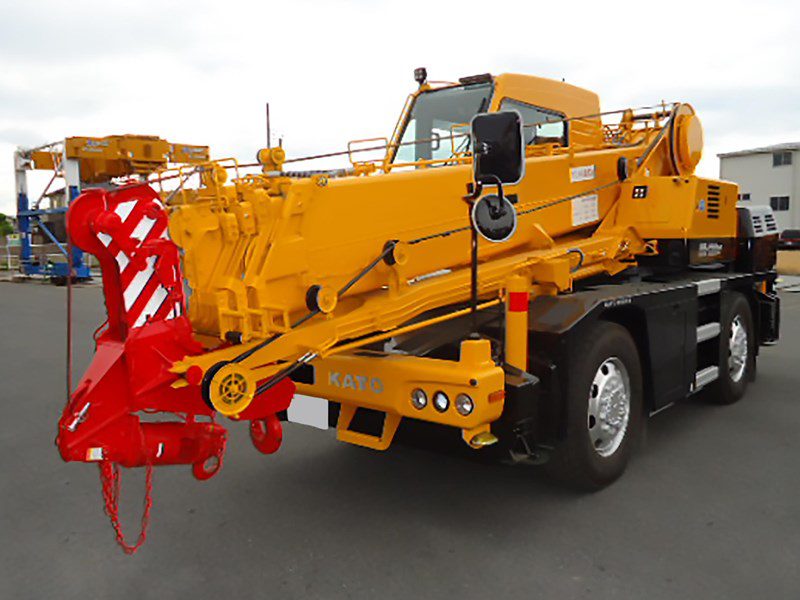
For projects involving infrastructure maintenance, commercial refurbishments, or multiple job sites across metropolitan areas, mobile crane hire offers flexibility that permanent installations cannot. Mobile cranes can relocate quickly, adapt to changing work locations, and support shorter project durations where speed matters more than continuous operation.
High-rise residential and commercial developments create an entirely different set of requirements. In these environments, tower crane hire provides sustained lifting capacity throughout lengthy construction programs. Tower cranes become an integral part of the building process, enabling continuous vertical movement of materials while supporting multiple trades simultaneously.
Dense urban developments introduce another layer of complexity. Sites positioned between neighbouring buildings often have limited swing radius and restricted airspace. Here, luffing crane hire becomes particularly valuable because its adjustable jib reduces the space required during lifting operations. That precision allows construction to continue safely even where surrounding structures leave minimal clearance.
The important point is not that one crane type is inherently better than another. Rather, each addresses a distinct operational challenge, reflecting how construction has become increasingly specialised.
Northern Sydney Demonstrates the Shift
The changing nature of city crane hire Northern Sydney illustrates these broader industry trends.
Many developments occur within established suburbs where maintaining pedestrian access, protecting nearby businesses, and complying with local traffic management requirements are just as important as lifting structural steel or concrete panels.
A transport interchange upgrade, for example, may require carefully timed overnight lifts to minimise disruption to commuters. A healthcare expansion may demand highly controlled lifting activities adjacent to operational medical facilities. Meanwhile, commercial redevelopments often proceed within confined CBD environments where neighbouring buildings significantly restrict crane movement.
In these situations, planners may occasionally utilise all-terrain crane hire Sydney for projects requiring both road mobility and strong lifting performance across varied ground conditions. The ability to travel efficiently between locations while handling demanding lifting operations provides practical advantages for infrastructure works spread across metropolitan areas.
Such decisions increasingly demonstrate how lifting strategy has become closely connected to overall project delivery rather than isolated equipment selection.
Regulation Is Raising Expectations Across the Industry
Australia’s regulatory environment has continued to evolve alongside increasing project complexity.
Authorities including WorkSafe agencies across various states, together with Safe Work Australia guidance, have strengthened expectations surrounding lift planning, operator competency, risk assessments, exclusion zones, and ongoing equipment maintenance.
These developments reflect a broader recognition that modern construction sites involve interconnected systems rather than isolated activities. Crane operations now require comprehensive coordination with structural engineers, site supervisors, logistics teams, and traffic management specialists.
Documentation, communication, and operational planning have therefore become as important as mechanical capability.
For project stakeholders, compliance is no longer viewed simply as avoiding regulatory breaches. It has become a critical component of maintaining productivity, protecting workers, and reducing costly project interruptions.
Technology Is Quietly Reshaping Crane Operations
Much of the industry’s transformation is occurring through technologies that remain largely invisible to the public.
Modern lifting operations increasingly incorporate GPS positioning, digital maintenance records, load monitoring systems, wind-speed sensors, telematics, and remote diagnostics. These technologies provide operators with more accurate information while helping fleet managers monitor equipment performance across multiple sites.
Digital lift planning software allows teams to simulate operations before work begins, identifying potential conflicts between cranes, surrounding structures, and underground infrastructure.
Rather than replacing experienced operators, these technologies enhance decision-making by providing better data in increasingly demanding construction environments.
The result is greater predictability, improved safety, and more efficient coordination across large-scale developments.
The Future of Australian Construction Will Depend on Smarter Planning
Australia’s cities will continue to grow upward as available urban land becomes increasingly limited. That reality will place greater emphasis on construction methods capable of delivering complex projects safely within constrained environments.
The cranes visible across Northern Sydney are symbols of this transformation, but they also represent something less obvious. Behind every successful lift lies a series of strategic decisions involving engineering, regulation, logistics, technology, and urban planning.
As infrastructure investment continues across Australia’s major metropolitan regions, crane hire will become even more closely integrated with project strategy rather than remaining a standalone procurement exercise.
For construction leaders, urban planners, and policymakers alike, the future of Australian development may depend less on building bigger machinery than on making smarter decisions about where, when, and how it is used. In that sense, the evolution of crane hire reflects a broader shift in how modern cities are being built—carefully, collaboratively, and with growing recognition that successful infrastructure begins long before the first beam leaves the ground.