As Australia’s cities become denser and infrastructure projects more demanding, crane hire decisions have evolved from routine logistics into a strategic consideration shaping how urban development moves forward.
The Sydney skyline rarely stands still. On any given morning, tower cranes stretch above commercial precincts, mobile cranes navigate busy suburban roads before sunrise, and construction teams work within sites where every square metre is contested. To most passersby, these machines are simply symbols of growth. To those responsible for delivering Australia’s infrastructure, they represent something more significant: a series of decisions that increasingly determine whether ambitious projects remain on schedule, within budget, and compliant with evolving safety expectations.
That shift has become particularly visible in Sydney, where rapid population growth, urban renewal, transport investment, and mixed-use developments have compressed construction activity into tighter spaces. As available land becomes scarcer and project complexity increases, selecting the right lifting solution is no longer merely an operational task. It has become an exercise in balancing engineering requirements, regulatory obligations, neighbourhood impacts, and long-term project efficiency.
Building More Within Less Space
Australian construction is entering a different phase of urban development. Instead of expanding endlessly outward, many cities are focusing on higher-density precincts, transport-oriented developments, hospital expansions, and commercial redevelopments within already established communities.
This trend fundamentally changes how projects are planned. Construction managers must consider restricted site access, surrounding buildings, traffic management plans, utility corridors, and increasingly stringent environmental expectations before the first piece of equipment even arrives.
Within this environment, city crane hire Sydney has become a reflection of broader urban planning challenges rather than simply equipment procurement. Every lifting strategy must account for how machinery enters and exits constrained sites, how operations minimise disruption to nearby businesses and residents, and how construction can continue despite limited working space.
The crane itself has become part of a wider logistical ecosystem rather than an isolated asset.
Why Crane Selection Has Become More Strategic
A decade ago, selecting lifting equipment often centred on lifting capacity and availability. Those considerations remain essential, but today’s decision-makers evaluate far more variables.
Labour shortages continue to influence scheduling flexibility. Material deliveries require increasingly precise coordination. Weather interruptions have greater financial consequences on compressed project timelines. Digital planning tools now allow contractors to simulate lifting operations before equipment reaches site, making procurement decisions more data-driven than ever before.
As projects become more integrated, crane selection influences everything from sequencing trades to reducing unnecessary site congestion.
The result is that different project environments increasingly demand different crane solutions rather than one versatile option attempting to satisfy every requirement.
Matching Equipment to the Realities of Modern Construction
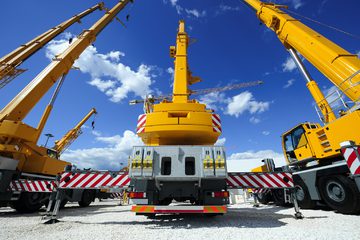
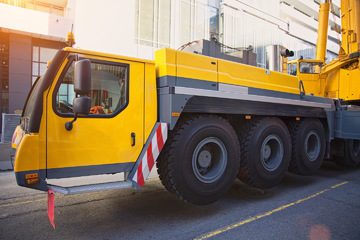
This evolution explains why mobile crane hire remains indispensable across infrastructure and commercial projects that require flexibility.
Transport upgrades, bridge maintenance, utility installations, and industrial shutdowns frequently involve multiple locations within short periods. Mobile cranes provide the ability to relocate quickly while maintaining substantial lifting capacity, allowing contractors to minimise downtime between operations.
Consider a regional transport corridor undergoing staged upgrades across several intersections. Permanent lifting infrastructure would be impractical, yet heavy structural components must still be positioned accurately within limited road closure windows. Mobile cranes allow construction teams to move efficiently between work zones without disrupting broader project sequencing.
Different pressures emerge on high-rise developments.
Long-duration commercial towers, apartment complexes, and major institutional buildings require continuous vertical movement of materials throughout construction. In these situations, tower crane hire supports ongoing operations by providing dedicated lifting capability over many months. Rather than relocating between sites, tower cranes become integrated into the project’s daily rhythm, enabling structural work, façade installation, mechanical services, and finishing trades to progress in carefully coordinated stages.
The distinction is less about one crane being superior than about matching equipment to the operational realities each project presents.
The Challenge of Building in Australia’s Densest Precincts
Urban density introduces another layer of complexity.
Many Sydney developments occur immediately beside occupied office towers, heritage buildings, rail corridors, or active commercial centres where unrestricted crane movement is impossible.
These environments increasingly favour luffing crane hire, whose articulated jib design allows lifting operations within significantly tighter airspace than conventional tower cranes. Rather than swinging large counter-jibs across neighbouring properties, luffing cranes operate with greater precision where overhead clearance is limited.
Imagine a residential development positioned between existing apartment buildings in Sydney’s inner suburbs. The project cannot afford excessive crane overswing across adjacent properties, yet construction still requires efficient movement of structural steel, concrete components, and building materials. Under these conditions, luffing cranes provide a practical response to spatial constraints created by modern urban density.
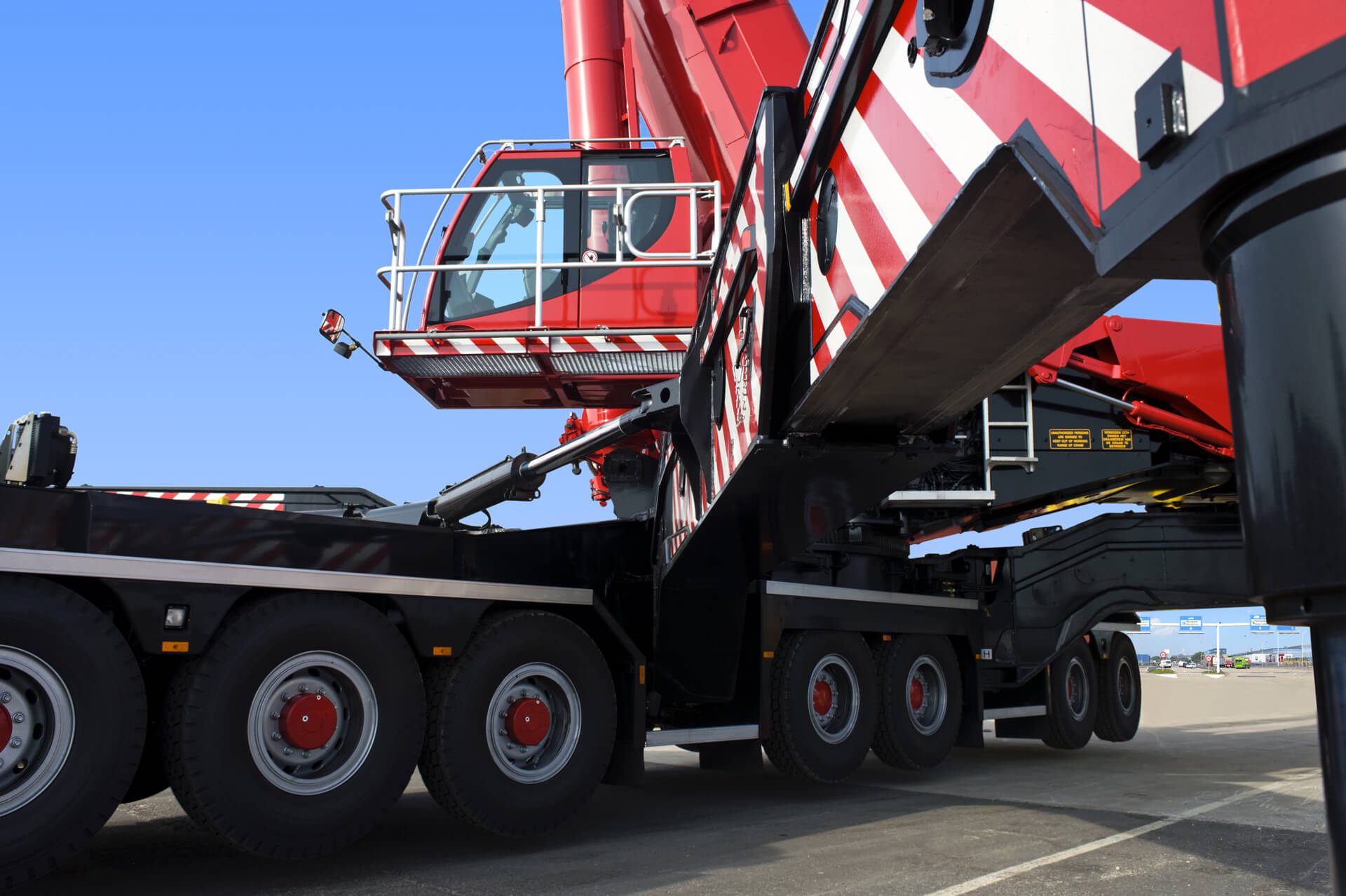
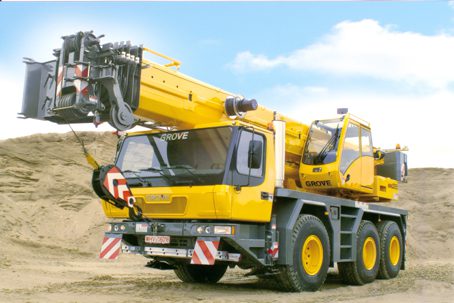
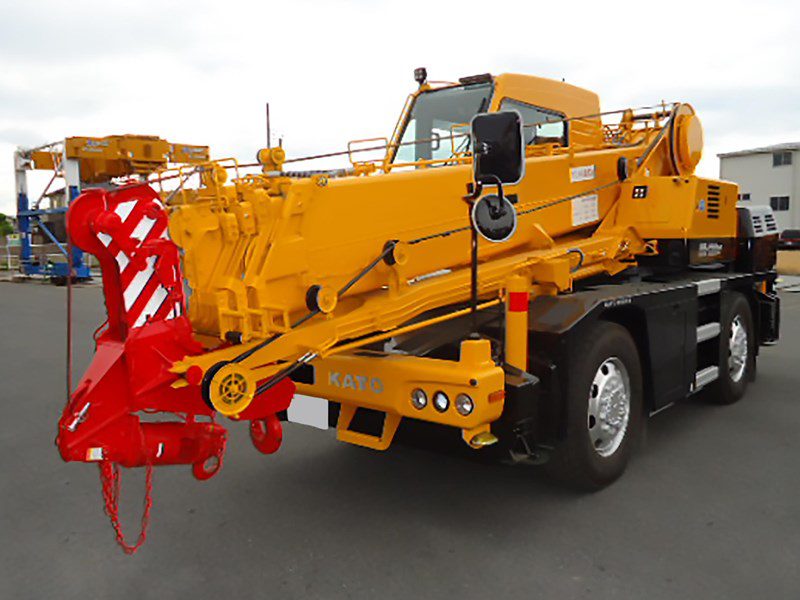
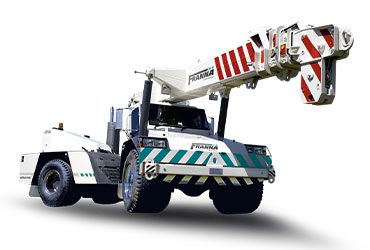
Even specialised requirements occasionally demand highly adaptable equipment. During infrastructure upgrades requiring both highway travel and off-road site access, all-terrain crane hire Sydney offers contractors the ability to transition between public roads and challenging construction environments without extensive transport logistics. Such situations remain relatively specialised but illustrate how lifting strategies increasingly respond to project-specific constraints rather than standardised equipment preferences.
Regulation Is Quietly Reshaping Procurement
The growing complexity of crane selection also reflects changes occurring outside construction sites.
Australian workplace safety regulation has steadily evolved, placing greater emphasis on documented risk assessments, operator competency, maintenance records, and lift planning. Guidance from state regulators such as SafeWork NSW, together with nationally recognised standards governing crane operations, has encouraged a more systematic approach to lifting activities.
Today’s procurement decisions therefore extend beyond machinery specifications.
Project teams increasingly evaluate inspection histories, operator qualifications, maintenance documentation, digital reporting capabilities, and compliance procedures before equipment mobilisation. Crane hire has become intertwined with broader project governance rather than existing solely within site operations.
For developers, contractors, and public-sector clients alike, risk management now begins well before lifting commences.
Technology Is Changing What Happens Above the Ground
Digital technology is also reshaping crane operations in ways that remain largely invisible to the public.
Many operators now utilise GPS fleet monitoring, telematics, electronic maintenance scheduling, load monitoring systems, and remote diagnostics to improve operational oversight. These technologies allow maintenance issues to be identified earlier, equipment utilisation to be measured more accurately, and lifting operations to generate increasingly detailed operational data.
Automation has not removed human expertise from crane operations. Instead, technology has enhanced planning, monitoring, and decision-making while experienced operators continue to manage complex lifts requiring judgement developed through years of practical experience.
At the same time, sustainability expectations are influencing procurement decisions. Contractors are paying closer attention to fuel efficiency, transport logistics, idle-time reduction, and project sequencing that minimises unnecessary equipment movements. While cranes themselves may not dominate sustainability discussions, their deployment contributes meaningfully to broader project efficiency.
Reading Australia’s Skyline Differently
The cranes shaping Sydney’s skyline tell a larger story than construction activity alone.
They reveal how Australian cities are adapting to population growth without unlimited space, how infrastructure delivery has become increasingly interconnected, and how engineering decisions now reflect broader economic, environmental, and regulatory pressures.
For construction professionals, choosing the appropriate crane has become an exercise in anticipating future constraints rather than simply responding to today’s lifting requirements. For policymakers and urban planners, those same decisions demonstrate how infrastructure delivery depends as much on strategic coordination as engineering capability.
As Australia’s cities continue to build upward, inward, and around existing communities, crane hire will remain an understated but essential indicator of how successfully urban development adapts to changing realities. The machines dominating today’s skylines are not merely lifting steel and concrete. They are quietly reflecting the evolving priorities of Australia’s next generation of city building.