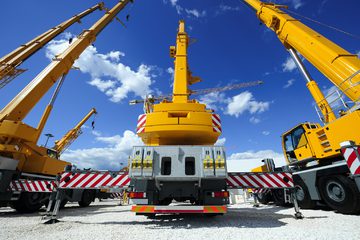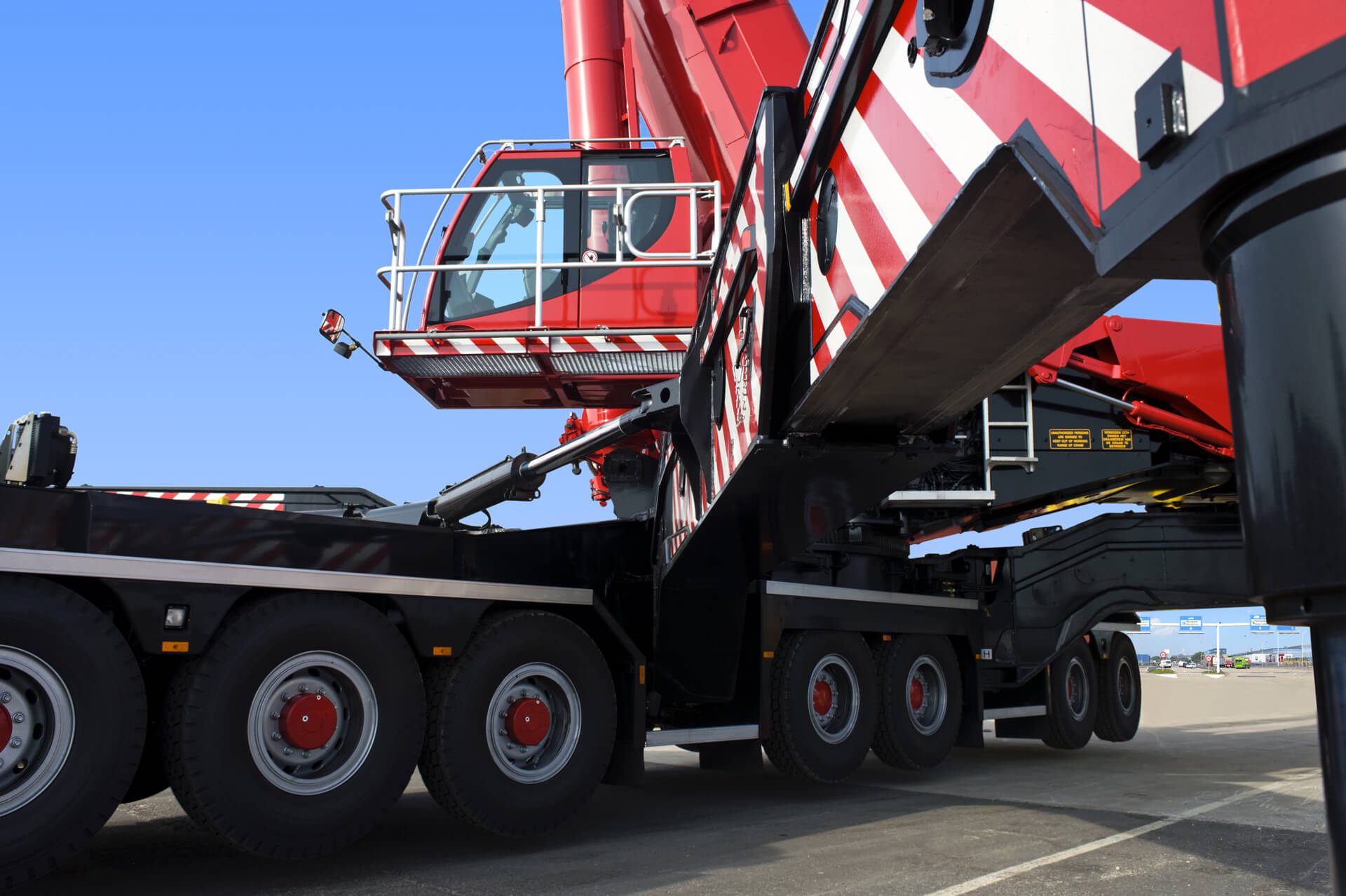
From the edge of Sydney Harbour to the expanding commercial districts of Northern Sydney, cranes have become more than temporary features of the skyline. They are visible indicators of a city adapting to population growth, tighter development regulations, and rising expectations around efficiency and safety. Yet the conversation surrounding construction often focuses on architectural ambition or investment figures while overlooking one of the most consequential decisions made long before steel reaches the sky: choosing the right lifting solution.
That decision increasingly shapes how quickly projects move, how safely they operate, and how effectively limited urban space is used. In Australia, where infrastructure spending continues to reshape metropolitan areas, crane hire has evolved from a logistical necessity into a strategic component of project planning.
A Different Construction Environment Demands Different Decisions
Australia’s construction industry is operating under conditions that look markedly different from those of a decade ago. Urban density has intensified, major infrastructure projects frequently overlap, and redevelopment often occurs within functioning commercial precincts rather than on open land. These pressures leave little room for operational inefficiency.
Construction teams today must coordinate around restricted site access, tighter delivery schedules, evolving environmental expectations, and increasingly rigorous safety obligations. Labor shortages across specialised trades have added another layer of complexity, placing greater emphasis on equipment that can maximise productivity while reducing unnecessary downtime.
In this environment, crane selection has become closely connected to broader project outcomes. Procurement decisions are now influenced not only by lifting capacity but also by transport logistics, setup time, digital monitoring capabilities, and how equipment integrates with increasingly sophisticated project management systems.
The result is an industry where choosing a crane is no longer simply about lifting heavy materials. It is about supporting the entire rhythm of construction.
Matching Equipment to Urban Reality
The diversity of Australia’s construction landscape explains why no single crane solution fits every project.
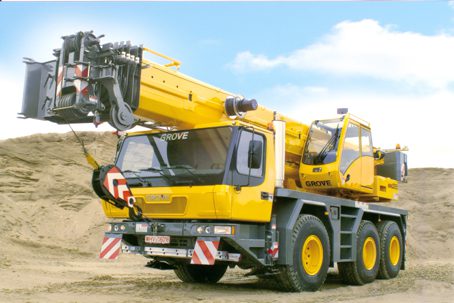
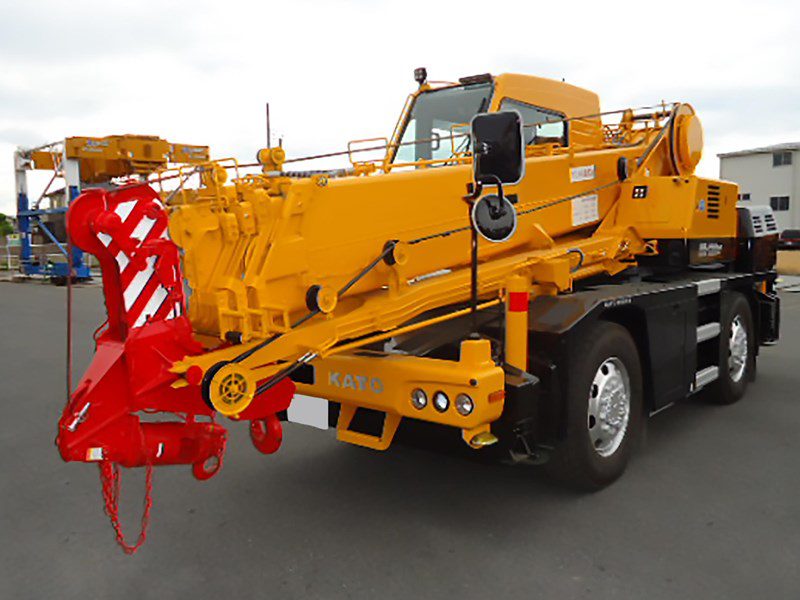
Mobile crane hire remains essential for developments requiring flexibility across multiple locations. Civil infrastructure upgrades, utility maintenance, bridge repairs, and industrial projects often depend on cranes capable of moving efficiently between sites without lengthy installation periods. Their ability to respond quickly makes them particularly valuable for projects operating under compressed schedules.
High-rise residential and commercial developments present an entirely different challenge. Here, tower crane hire provides the sustained lifting capacity necessary for months—or sometimes years—of continuous operation. These cranes become an integral part of the construction process itself, supporting the vertical growth that increasingly defines Australia’s largest cities.
Space, however, has become one of the industry’s most valuable resources. As development shifts toward infill sites surrounded by existing buildings, traditional lifting approaches are not always practical. This is where luffing crane hire has become increasingly important. With a reduced swing radius and greater precision in confined environments, these cranes enable construction to continue safely where conventional tower cranes may face operational constraints.
The growing complexity of urban development means that project teams are evaluating crane capabilities in relation to surrounding buildings, transport corridors, pedestrian movement, and local planning requirements rather than considering lifting specifications alone.
Northern Sydney Reflects a Broader National Trend
Northern Sydney offers a useful example of these changing dynamics. The region combines commercial redevelopment, transport infrastructure, healthcare expansion, education projects, and residential construction within a relatively dense urban environment. Each project presents different access conditions, varying site footprints, and distinct engineering requirements.
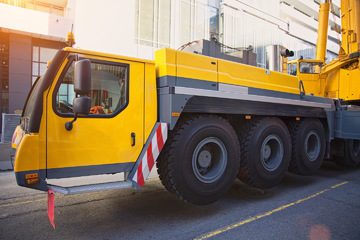
These realities explain why demand for all terrain crane hire northern Sydney has steadily increased across many project categories. All-terrain cranes combine road mobility with strong off-road capability, allowing operators to move efficiently between urban streets and challenging construction environments without sacrificing lifting performance. On projects where weather conditions, uneven ground, or restricted access complicate operations, this flexibility supports more predictable scheduling and improved site coordination.
Importantly, this is not simply a regional phenomenon. Similar challenges are emerging across Melbourne, Brisbane, Perth, and other growing Australian cities where redevelopment increasingly occurs within existing urban frameworks rather than undeveloped land.
Technology Is Quietly Reshaping Crane Operations
The public often notices cranes because of their size, but much of the industry’s transformation is taking place through technology that remains largely invisible from the street.
Modern crane fleets increasingly incorporate GPS tracking, digital fleet management platforms, real-time load monitoring, telematics, and predictive maintenance systems. These technologies allow project managers to monitor equipment utilisation, improve scheduling accuracy, reduce mechanical downtime, and strengthen overall operational safety.
Digital planning tools are also changing how lifts are prepared before machinery even reaches site. Three-dimensional modelling enables engineers to simulate lifting operations, identify potential conflicts with surrounding structures, and refine crane positioning well before work begins. These advances reduce uncertainty while improving coordination between contractors, engineers, and safety personnel.
Rather than replacing operator expertise, technology increasingly complements it by providing better information for complex decision-making.
Regulation Is Driving Better Planning
Australia’s regulatory environment has also evolved significantly. State safety authorities, including WorkSafe agencies and Safe Work Australia, continue to strengthen expectations surrounding high-risk construction activities, operator competency, equipment inspection, and lift planning.
These developments reflect a broader shift in industry thinking. Compliance is no longer viewed solely as a legal obligation but as an operational discipline that influences productivity, insurance outcomes, and project certainty.
Many operators now invest heavily in documented maintenance programs, operator training, digital inspection records, and comprehensive risk assessments before work begins. For developers and project managers, these considerations have become inseparable from procurement decisions.
The emphasis on planning reflects an understanding that preventing disruption is often more valuable than responding to it. In complex urban construction, delays created by equipment failures or safety incidents can affect multiple contractors simultaneously, creating financial consequences well beyond the immediate project.
Building Cities Means Planning Systems, Not Just Structures
Perhaps the most important shift is philosophical rather than technological.
Construction has traditionally measured success through completed buildings, finished roads, or new transport infrastructure. Increasingly, however, success depends on the systems that allow those projects to proceed efficiently. Crane hire sits within that broader ecosystem alongside logistics, digital planning, workforce capability, environmental management, and regulatory compliance.
As Australian cities continue to grow upward and outward, these interconnected decisions will become even more significant. Population growth, housing demand, renewable energy projects, transport expansion, and urban renewal will require construction methods capable of delivering greater productivity within tighter physical and regulatory constraints.
Cranes will remain among the most visible symbols of that transformation. Yet the real story is less about the machines themselves than the increasingly sophisticated decisions behind where they operate, how they are managed, and why they are chosen.
Australia’s skyline is changing because its approach to infrastructure is changing. Understanding crane hire today is therefore not simply about understanding construction equipment. It is about recognising how thoughtful planning, technological evolution, and strategic procurement quietly shape the cities Australians will live and work in for decades to come.