On a Western Sydney construction site, the most consequential decisions are often made before the first major lift begins. A crane must reach the site, operate within its available footprint, work around other trades and remain compatible with the sequence in which the project is being built. In a region experiencing sustained residential, commercial, industrial and infrastructure development, those considerations are becoming harder to separate from the wider economics of construction.
This is why all terrain crane hire western Sydney has become relevant to a broader conversation about how Australian projects are delivered. The issue is not simply whether a crane can lift a particular load. It is whether the equipment can respond to the access, mobility, ground and scheduling constraints that increasingly define modern construction sites.
Western Sydney Is Changing the Logic of Construction
Western Sydney contains a diverse mixture of established industrial precincts, expanding residential communities, commercial developments and major infrastructure corridors. Each creates a different operating environment for lifting equipment.
A crane working on an open industrial site may have relatively straightforward access and substantial room for positioning. A project surrounded by existing buildings, active roads or other construction activities can present a very different challenge. Available space can shrink as a project progresses, while delivery routes and working areas may need to be shared with multiple contractors.
This makes crane selection part of project planning rather than a decision based solely on lifting capacity.
For engineers, project managers and procurement specialists, the relevant questions increasingly include how equipment will arrive, where it can be positioned, how far it needs to reach, how frequently it must move and how its operation will interact with the surrounding worksite.
The distinction matters because a technically capable crane is not necessarily the right crane for every environment.
Mobility Has Become Part of the Equation
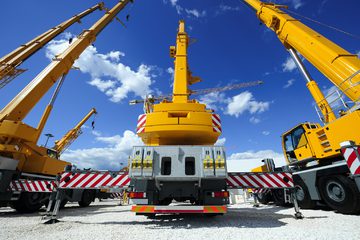
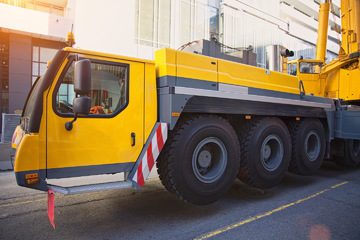
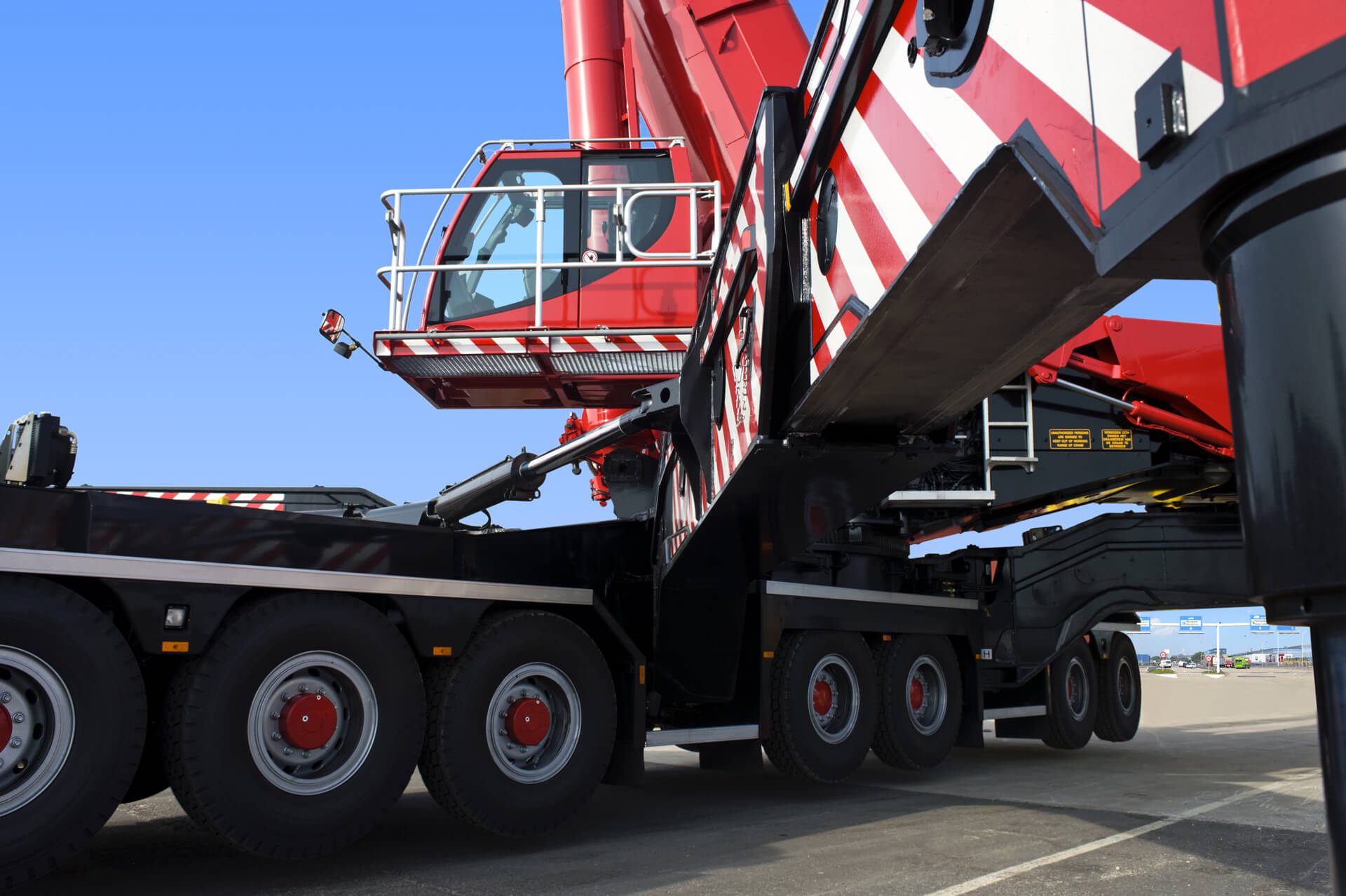
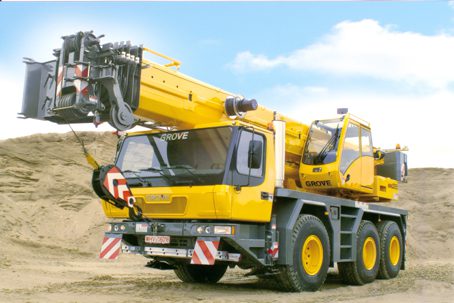
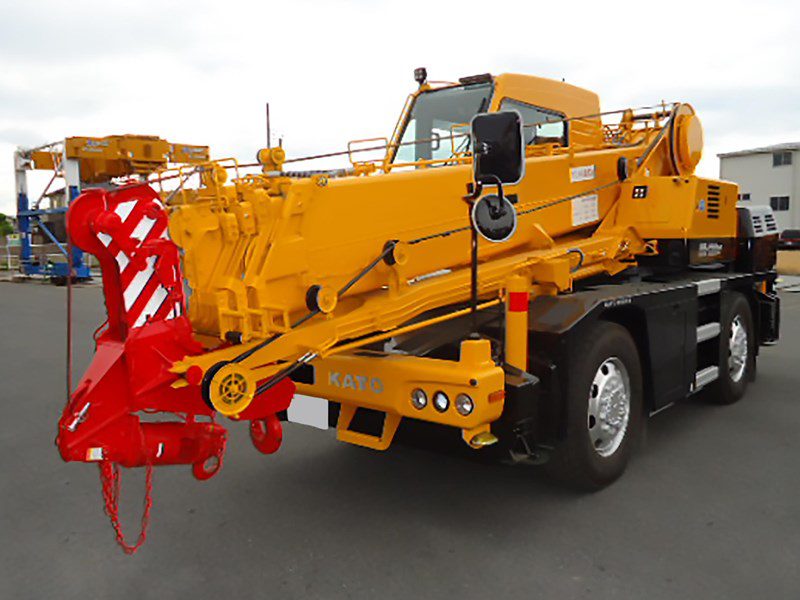
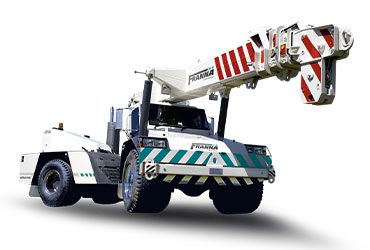
All-terrain cranes occupy an important position within this changing landscape because their design combines road-going mobility with the ability to operate in demanding site environments.
That combination can be useful where a project requires lifting equipment to move between locations or reposition as construction progresses. Instead of treating access and lifting performance as separate issues, project teams can consider them as parts of the same logistical problem.
Consider a commercial development where structural materials need to be lifted at different points of the site as the building takes shape. The most useful equipment may not simply be the machine with the highest capacity. Its ability to access the work area and reposition according to the construction sequence may be equally important.
This does not make all-terrain equipment universally preferable. A crane’s suitability remains dependent on load characteristics, reach, site conditions, duration and the requirements of the lifting plan. The more meaningful question is whether its capabilities correspond with the project’s constraints.
That fit-for-purpose principle is becoming increasingly important as construction schedules become more tightly coordinated.
Different Crane Types Reflect Different Problems
The broader crane-hire market demonstrates why equipment decisions cannot be reduced to a simple hierarchy.
Mobile crane hire can be appropriate when flexibility and rapid repositioning are important. A project involving several lifting locations, shorter operations or changing work areas may place greater value on mobility than on the continuous lifting capability associated with permanently positioned equipment.
Tower crane hire addresses a different requirement. High-rise and large-scale building projects may need sustained lifting over an extended period, particularly when materials have to be moved repeatedly between ground level and elevated work areas.
Luffing crane hire can become relevant where the working envelope is restricted. In dense urban environments, neighbouring buildings, property boundaries and other cranes can limit the available airspace, making controlled jib movement an important consideration.
An all-terrain crane sits within this wider ecosystem of equipment choices. Its value depends on the balance between mobility, access and lifting requirements rather than on a claim that one category is inherently superior to another.
The Access Problem Often Begins Outside the Site
One of the less visible challenges in crane operations is getting the equipment to the place where the lift will occur.
A site may appear spacious from a project drawing but have a complicated physical approach. Roads, temporary barriers, neighbouring properties, overhead restrictions and other construction activities can all influence how heavy equipment reaches its operating position.
For teams assessing all terrain crane hire western Sydney, this means site access needs to be considered alongside the lifting requirement.
The surrounding environment can also influence planning. A project located near an active road may require coordination around traffic movements. A development in an established commercial area may have limited tolerance for disruption. An industrial site may offer more room but still present ground or access constraints.
As Western Sydney becomes more densely developed, the boundary between a construction site’s internal logistics and the surrounding urban environment is becoming increasingly important.
Safety Is Becoming a Planning Discipline
Crane safety is not simply a matter of operating machinery correctly. It begins with understanding the conditions under which the lift will take place.
Load characteristics, ground stability, weather, exclusion zones, overhead hazards and interaction with other site activities can all influence risk. The construction sequence matters as well. A lifting area that is accessible at the beginning of a project may become restricted later.
Australian workplace safety frameworks place significant emphasis on competent personnel, risk management and appropriate planning. For crane operations, this means equipment selection and site preparation form part of a wider safety process.
The change is important because it moves crane hire away from being treated as an isolated procurement exercise. The crane becomes part of the project’s overall risk profile.
For decision-makers, this creates a stronger connection between engineering assessments, logistics planning and equipment selection.
Technology Is Adding Another Layer of Visibility
The evolution of crane operations is also being influenced by technology.
Modern lifting equipment can incorporate systems that provide information about positioning, load conditions and machine performance. GPS-based monitoring, digital load-management systems and other forms of equipment data can give operators and project teams greater visibility during complex operations.
Technology does not eliminate the need for skilled personnel or careful planning. Instead, its value lies in helping people make better-informed decisions.
This becomes particularly relevant when projects involve multiple lifting operations or changing site conditions. Information about equipment position and operating status can contribute to coordination between crane activities and other construction work.
The broader development is therefore less about automation replacing experience and more about information becoming an increasingly important part of construction management.
The Economics Extend Beyond the Crane Rate
There is another reason crane selection deserves closer attention: the cost of lifting equipment is rarely limited to the headline hire rate.
Transport, mobilisation, operator requirements, site preparation, traffic management and potential delays can all influence the total cost of an operation.
An unsuitable crane can create indirect costs by requiring additional repositioning or creating conflicts with other work. A delay in placing structural components, for example, can affect trades that depend on that stage being completed.
Yet choosing the largest or most capable crane is not necessarily economical either. Overspecification can increase transport requirements, operating costs and logistical complexity.
The objective is to establish a practical relationship between the machine and the project. Capacity matters, but so do access, mobility, reach, ground conditions, timing and safety.
This is particularly relevant in a construction environment where project margins and delivery schedules are under continuing pressure.
What Western Sydney Says About Australia’s Construction Future
Western Sydney offers a useful example of a broader change occurring across Australian construction. As cities expand, construction sites are often becoming more constrained rather than less.
Projects must operate alongside existing communities, transport networks, businesses and infrastructure. At the same time, expectations around safety, productivity, environmental responsibility and project coordination continue to evolve.
These pressures are changing the meaning of crane hire. Equipment selection is increasingly connected to procurement strategy, site logistics, risk management and the wider sequence of construction.
For projects where access and mobility are central concerns, all terrain crane hire western Sydney represents one part of that larger shift. Its relevance comes not from the equipment category alone, but from the way its characteristics can correspond with a project’s physical environment and operational requirements.
The future of Australian construction will not be determined simply by how much machinery is available. It will depend increasingly on how intelligently that machinery is integrated into complex projects.
The cranes rising above Western Sydney may remain symbols of physical growth. The more significant transformation, however, is happening at ground level—in the decisions about which equipment is selected, where it operates and how it fits into the increasingly complicated process of building Australia’s cities.