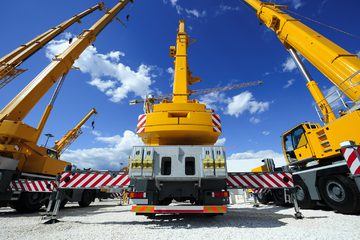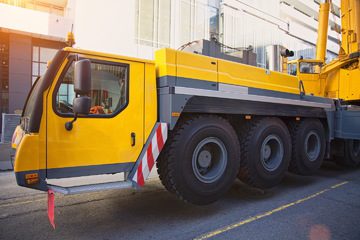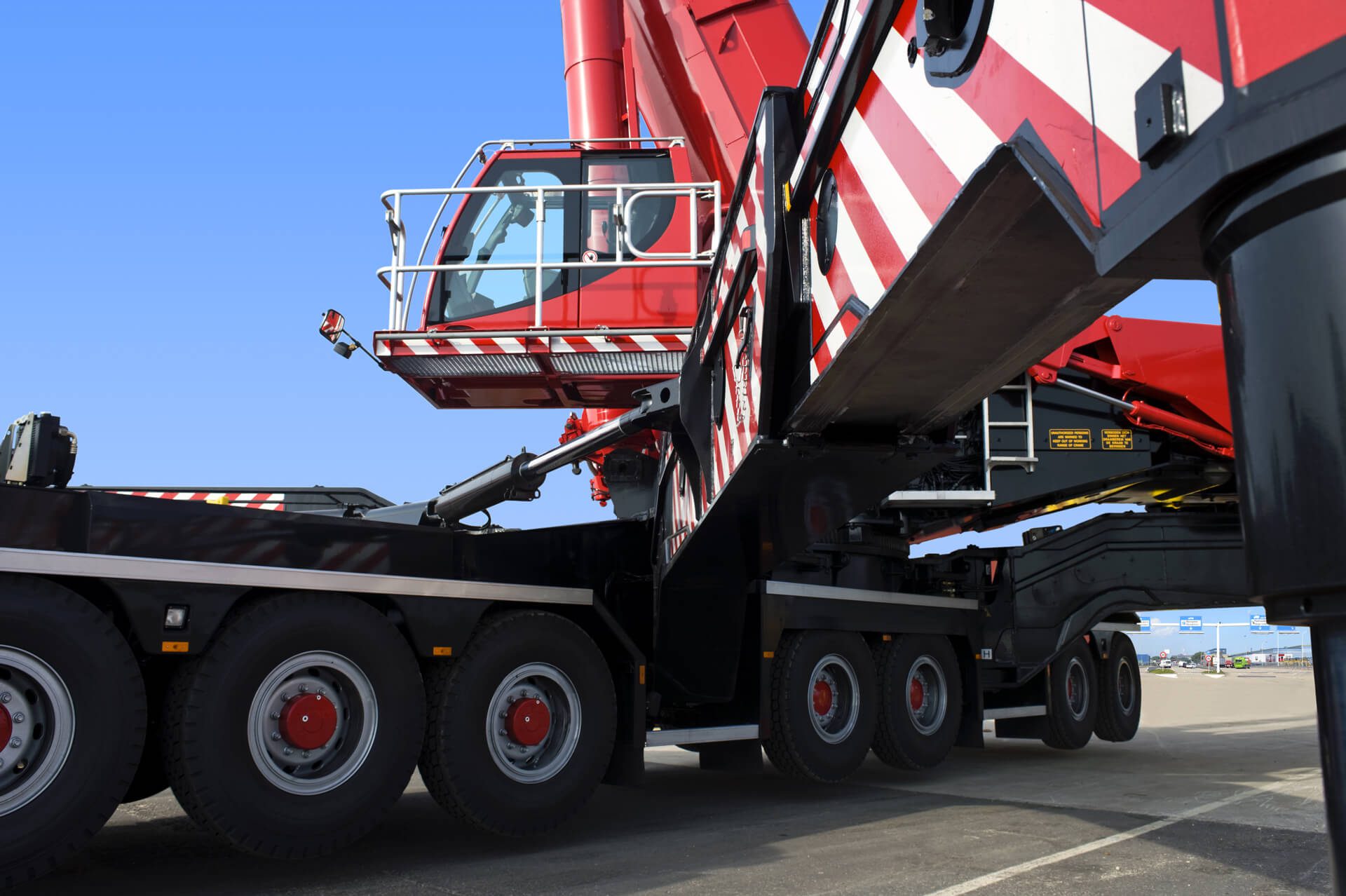
Look up in almost any Australian city and you’ll see it: a slow, deliberate sweep across the skyline, a steel arm tracing arcs above half-finished buildings. Cranes have become such a familiar presence that they risk blending into the background, their significance dulled by repetition. Yet these machines—hired, positioned, and operated with increasing precision—have become central to how Australia is building its future. To understand modern construction is, in many ways, to understand the evolving role of crane hire.
This is not simply a story about equipment. It is about how cities grow under pressure, how infrastructure extends into new regions, and how the practical act of lifting materials has become a strategic decision shaping urban form.
Cities Growing Up, Not Out
Australia’s major cities are changing character. Where suburban sprawl once dominated, a different logic is taking hold. Population growth, land scarcity, and policy shifts are pushing development upward, concentrating activity in smaller footprints. High-rise living, once a niche preference, has become a necessity in many urban centres.
Tower crane hire sits at the heart of this transformation. These cranes are designed for permanence within a project’s life cycle, anchored to the ground or integrated into the building as it rises. Their ability to lift heavy loads repeatedly to great heights makes them indispensable in vertical construction. Without tower cranes, the steady, almost rhythmic assembly of multi-storey structures would slow to a crawl.
But their significance extends beyond efficiency. Tower cranes make density possible. They allow developers to maximize limited land, enabling the kind of vertical expansion that defines modern skylines. In this sense, they are not just tools of construction; they are instruments of urban policy, responding to the need for more housing and commercial space within constrained environments.
The Expanding Periphery
While cities are building upward, they are also stretching outward in more subtle ways. Growth is no longer confined to central business districts or inner suburbs. Regional areas and peri-urban zones are experiencing their own forms of development, often at a different scale but with equal importance.
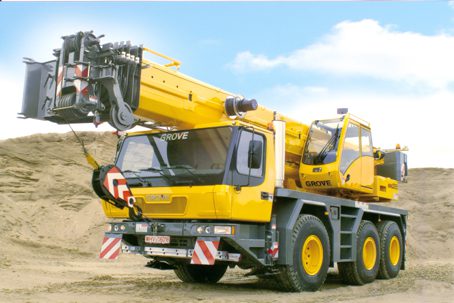
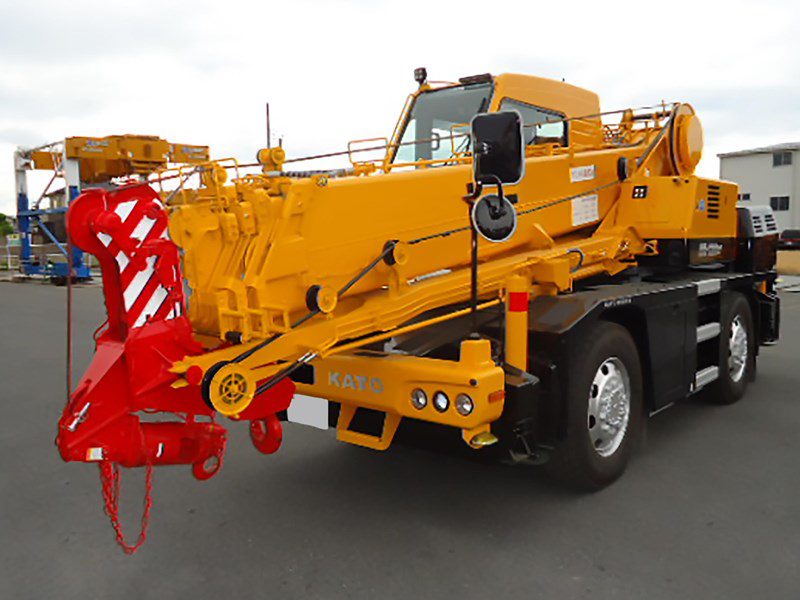
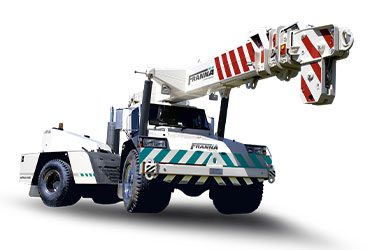
In places like the Southern Highlands of New South Wales, construction activity reflects a blend of residential expansion and infrastructure improvement. Here, the role of mobile crane hire becomes particularly clear. Unlike tower cranes, mobile cranes are designed for movement. They can be transported between sites, set up quickly, and adapted to a wide range of tasks.
The phrase “mobile crane hire Southern Highlands” captures more than a service offering; it reflects a pattern of development that depends on flexibility. Projects in these regions are rarely uniform. A single contractor might move from a housing development to a bridge upgrade to a commercial build within a short period. Mobile cranes enable that fluidity, ensuring that progress is not stalled by logistical constraints.
This adaptability connects regional growth to the broader national picture. As infrastructure extends and communities expand, mobile crane hire acts as a bridge—linking dispersed projects into a cohesive trajectory of development.
Building in Tight Corners
If regional construction is defined by space and movement, urban construction is increasingly defined by limitation. In Australia’s densest areas, building sites are often squeezed between existing structures, with little room for error. Airspace is regulated, neighboring properties impose constraints, and community expectations add another layer of complexity.
Luffing crane hire has emerged as a response to these challenges. Unlike traditional tower cranes with fixed horizontal jibs, luffing cranes can adjust the angle of their arms, allowing them to operate within tighter boundaries. This capability is particularly valuable in crowded city centres, where the ability to control a crane’s reach can determine whether a project proceeds smoothly or faces delays.
The rise of luffing cranes reflects a broader shift in how construction interacts with the city. Projects are no longer isolated endeavors; they must coexist with their surroundings. Noise, safety, and visual impact all influence how work is carried out. In this environment, the choice of crane becomes a negotiation between engineering requirements and urban realities.
Matching Machines to Purpose
The distinctions between mobile crane hire, tower crane hire, and luffing crane hire are best understood through the projects they serve. Large infrastructure developments—highways, rail systems, energy facilities—often rely on mobile cranes. These projects demand versatility, as conditions change and equipment must adapt quickly. Mobile cranes provide the ability to move heavy components across varied terrain, responding to shifting requirements without the need for permanent installation.
High-rise construction, by contrast, depends on the stability and reach of tower cranes. Their fixed position allows for a continuous flow of materials, supporting the structured progression of vertical building. They become a constant presence on site, rising alongside the structure they help create.
In tightly constrained urban environments, luffing cranes offer a hybrid solution. They combine the height and capacity of tower cranes with the flexibility needed to operate within limited space. As cities grow denser, their role is becoming increasingly prominent.
These differences are not merely technical. They shape how projects are planned, how timelines are managed, and how risks are mitigated. The choice of crane is, in many ways, a reflection of the project itself—its scale, its environment, and its ambitions.
Safety in an Era of Complexity
As crane operations have become more integral to construction, the expectations around safety have intensified. Australia’s regulatory framework for crane hire is among the most comprehensive in the world, shaped by decades of experience and a commitment to minimizing risk.
Today, safety is embedded in every aspect of crane operation. Operators undergo rigorous training and certification, equipment is subject to strict maintenance standards, and site planning must account for a wide range of variables. Wind conditions, ground stability, and proximity to hazards are all carefully assessed before lifting begins.
The evolution of these standards reflects a broader shift in the industry. Safety is no longer reactive; it is proactive. Construction teams are expected to anticipate risks and address them before they materialize. This approach has been reinforced by technological advancements that provide real-time data on crane performance and environmental conditions.
Modern cranes are equipped with sensors that monitor load weights, wind speeds, and structural stress. These systems enhance decision-making, allowing operators to adjust their actions based on current conditions. At the same time, digital tools such as Building Information Modeling enable teams to simulate crane operations during the planning phase, reducing the likelihood of unexpected challenges.
Innovation and the Changing Landscape
The pressures facing Australia’s construction sector—rising costs, labor shortages, environmental concerns—are driving a wave of innovation in crane technology. Electrification is gaining traction, with new models designed to reduce emissions and operate more quietly, particularly in urban areas where community impact is a growing concern.
Automation is also beginning to influence crane operations. While fully autonomous systems remain on the horizon, incremental advances such as assisted lifting and collision avoidance are already improving safety and efficiency. Remote operation, which allows cranes to be controlled from a distance, offers the potential to reduce risk and enhance working conditions.
These developments are reshaping the role of crane hire. What was once a matter of selecting the right machine is becoming a more complex decision involving technology, sustainability, and long-term planning.
The Invisible Influence
For all their visibility, cranes exert a subtle influence on the cities they help build. The availability and capability of crane hire can determine whether a project proceeds, how quickly it is completed, and what form it ultimately takes. In high-density areas, the choice of a luffing crane may make the difference between feasibility and delay. In regional settings, access to mobile crane hire can accelerate infrastructure development and support community growth.
These decisions accumulate over time, shaping the character of urban and regional landscapes alike. They influence housing supply, economic activity, and the pace of development. In this sense, cranes are not just responding to demand; they are helping to create it.
Looking Up with New Eyes
It is easy to overlook the significance of cranes, to see them as temporary fixtures that disappear once a project is complete. But their impact lingers in the buildings and infrastructure they help bring into existence.
In Australia, where the balance between urban density and regional expansion continues to evolve, crane hire occupies a pivotal role. From the adaptability of mobile crane hire in places like the Southern Highlands to the precision of luffing cranes in crowded city centres, these machines are quietly shaping the possibilities of the built environment.
The next time you notice a crane against the sky, it may be worth considering not just what it is lifting, but what it represents: the weight of progress, measured not only in tonnes of steel and concrete, but in the ambitions of a country still defining the contours of its future.