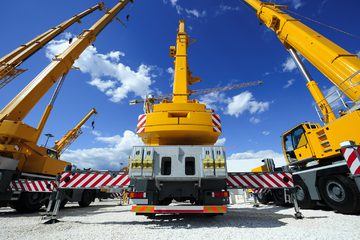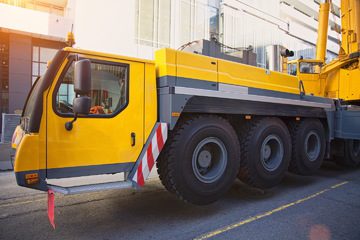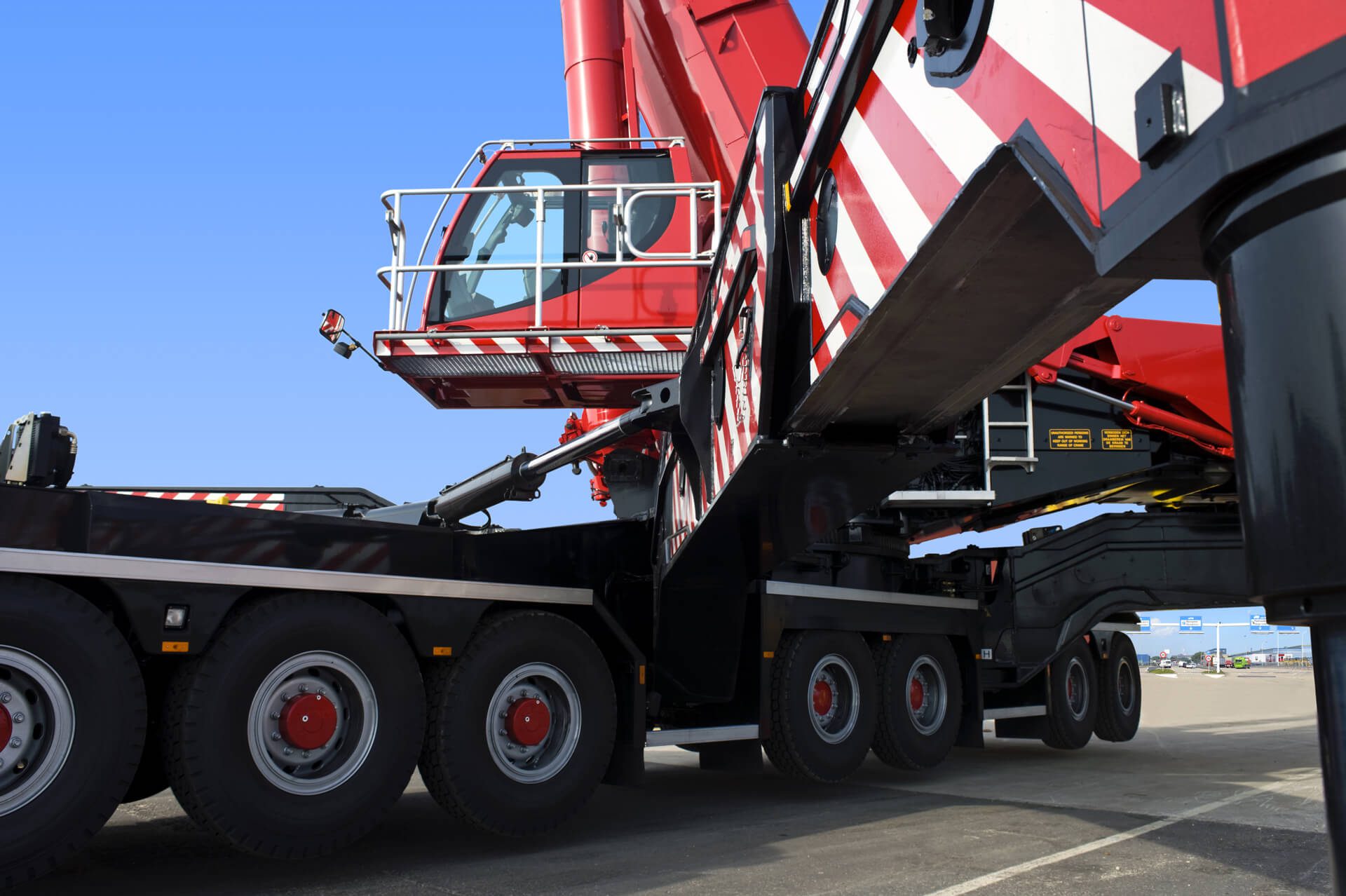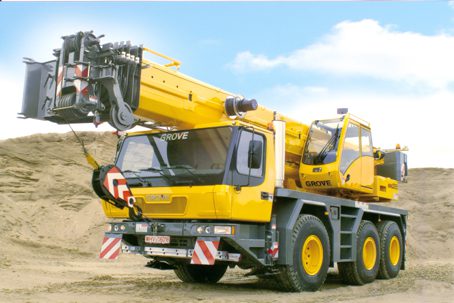
Spend a few minutes watching a construction site in Sydney and a certain rhythm reveals itself. Steel beams rise slowly into the air, guided with quiet precision. Concrete panels hover, pivot, and settle into place. Above it all, cranes move with an almost deliberate calm, as if the pace of the city itself depends on their measured turns. It is easy to see them as background machinery—necessary, perhaps, but incidental. In reality, they are central to how Australia is building its future.
Over the past two decades, the role of crane hire has shifted from a practical convenience to a defining feature of modern construction. Whether through mobile crane hire, tower crane hire, or luffing crane hire, these machines now sit at the intersection of urban density, infrastructure growth, and technological change. To understand their significance is to understand something fundamental about how Australian cities are evolving.
A City That Builds Upward
Sydney, more than any other Australian city, illustrates the pressures and possibilities of contemporary urban development. Geography imposes limits—harbour, coastline, protected land—and those limits have pushed the city toward vertical expansion. High-rise residential towers, commercial complexes, and mixed-use developments are no longer exceptions; they are the norm.
This is where tower crane hire Sydney becomes more than a technical choice. It becomes a structural necessity. Tower cranes are designed for endurance and height, capable of operating for months or even years on a single site. They do not simply lift materials; they define how a building grows.
On a dense inner-city block, the placement of a tower crane shapes everything that follows. It determines how materials are delivered, how floors are assembled, and how different trades coordinate their work. In effect, the crane becomes the spine of the construction process, around which all other activity is organized.
This is not just about efficiency. It is about making vertical growth possible in a city where space is increasingly scarce.
Flexibility on the Ground
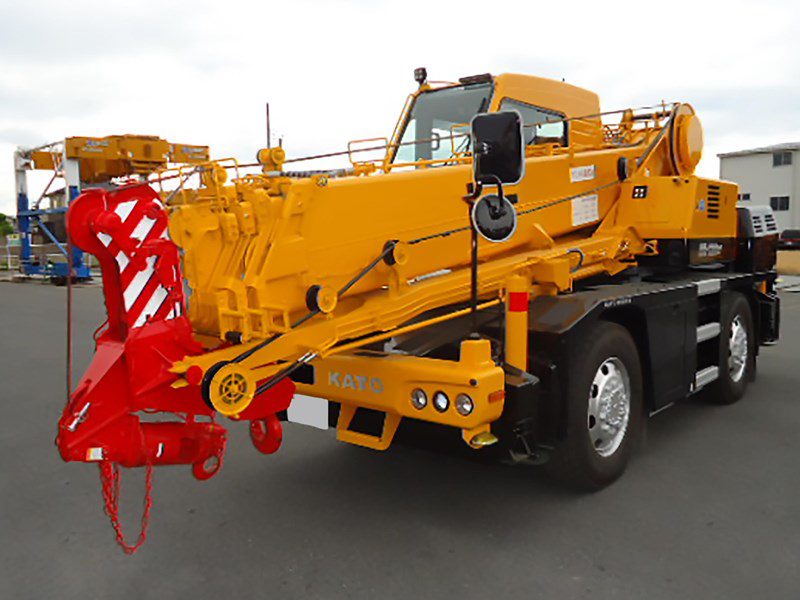
While tower cranes dominate the skyline, much of the real work of construction begins at ground level. This is where mobile crane hire plays its part, often less visible but no less essential.
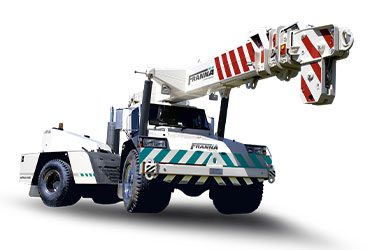
Mobile cranes are defined by their adaptability. Mounted on trucks or wheeled platforms, they can move quickly between sites, making them ideal for projects that unfold across multiple locations. In infrastructure work—road upgrades, rail expansions, bridge construction—they provide the flexibility needed to operate in changing conditions.
Australia’s scale makes this flexibility particularly valuable. Projects often extend beyond city centers into suburban and regional areas, where fixed equipment is impractical. Mobile cranes fill this gap, offering a way to handle heavy lifting without the permanence of installation.
They also play a crucial supporting role in urban projects. Even on high-rise developments, mobile cranes are often used in the early stages, preparing the site before tower cranes take over, and again in the final phases when permanent structures limit access.
In this sense, mobile crane hire represents the connective tissue of construction, linking different stages and locations into a cohesive whole.
Precision in a Crowded Sky
As cities like Sydney grow denser, the challenges of construction become less about scale and more about precision. Buildings rise closer together, streets narrow, and the airspace above a site becomes a shared and carefully managed resource.
Luffing crane hire has emerged as a response to these constraints. Unlike traditional tower cranes, which extend their jibs horizontally, luffing cranes can raise and lower their arms. This allows them to operate within tighter spaces, avoiding interference with nearby structures and other cranes.
In parts of Sydney, it is not uncommon for multiple cranes to operate simultaneously within a single block. Without the controlled movement offered by luffing cranes, such coordination would be difficult, if not impossible. Their growing use reflects a broader shift in construction thinking: a move toward specialization as a way of managing complexity.
What is striking is how this specialization mirrors the evolution of the city itself. As urban environments become more intricate, the tools used to build them must become more refined.
Safety as a Shared Responsibility
With greater density and complexity comes a heightened focus on safety. Crane operations have always involved risk, but in Australia, the framework governing that risk has grown increasingly rigorous. Regulatory bodies enforce strict standards, and public expectations have risen in tandem.
What has changed most noticeably is when safety enters the conversation. It is no longer something addressed primarily on site; it is embedded in the planning stages of a project. Decisions about crane hire—whether to use a tower crane, a mobile crane, or a luffing crane—are made with a detailed understanding of potential hazards.
Technology has reinforced this shift. Modern cranes are equipped with sensors that monitor load weights, wind speeds, and operational limits in real time. Digital modeling tools allow engineers to simulate crane movements before installation, identifying conflicts and refining positioning.
In a city like Sydney, where wind conditions can vary significantly across different elevations, these tools are particularly important. High-rise construction introduces variables that are not always visible from the ground, and the ability to anticipate them has become a cornerstone of safe practice.
The result is a more integrated approach, where safety is not an add-on but a fundamental aspect of how projects are conceived and executed.
The Economics of Adaptation
Behind the visible machinery lies a quieter but equally important story about economics. Construction in Australia operates under persistent pressures: rising costs, labor shortages, and the demand for faster delivery. In this environment, crane hire offers a form of adaptability that ownership cannot easily match.
By relying on hired equipment, companies can align their resources with the specific needs of each project phase. A development might depend heavily on tower crane hire during its structural build, then transition to mobile crane hire as it nears completion. This phased approach reduces idle time and allows for more precise allocation of capital.
It also opens the door for smaller contractors to access advanced equipment, contributing to a more competitive industry. Crane hire, in this sense, is not just a logistical solution; it is a mechanism that shapes how the construction market functions.
At the same time, the companies providing these services are evolving. Investment in newer, more efficient cranes, along with the integration of digital management systems, is raising the overall standard of equipment available. This, in turn, enables more ambitious projects, creating a cycle of innovation and demand.
Technology and the Changing Nature of Work
The cranes that define today’s skylines are not the same machines that operated a generation ago. Advances in technology have transformed their capabilities and, with them, the nature of work on construction sites.
Automation remains limited, but digital tools are increasingly influential. Operators rely on real-time data to make decisions, while project managers use software to coordinate crane movements with other aspects of construction. Predictive maintenance systems help identify potential issues before they lead to downtime, improving reliability.
These changes are subtle but significant. They shift the role of crane operation from purely mechanical skill to a blend of technical expertise and data interpretation. Training requirements are evolving accordingly, as the industry adapts to a more technologically integrated future.
A Quiet Force in Urban Transformation
For all their size and visibility, cranes are rarely the focus of public attention. They are seen as temporary fixtures, present during construction and gone once a building is complete. Yet their influence extends far beyond their physical presence.
Without the flexibility of mobile crane hire, infrastructure projects would face greater logistical challenges. Without tower crane hire Sydney, the city’s vertical expansion would slow dramatically. Without luffing crane hire, many developments in dense urban areas would simply not be feasible.
In this way, cranes are not just tools; they are enablers of possibility. They allow cities to grow in ways that respond to economic, social, and environmental pressures. They make it possible to build upward when outward expansion is limited, and to do so with a level of precision that modern urban life demands.
Looking Ahead
As Australia continues to invest in infrastructure and urban development, the role of crane hire is likely to deepen. Sustainability concerns are beginning to shape equipment choices, with greater attention to energy efficiency and emissions. Digitalization will continue to influence how cranes are managed and integrated into projects.
What seems unlikely to change is their fundamental importance. The cranes that move across Australia’s skylines are not just markers of construction; they are indicators of a broader transformation. They reflect a shift toward flexibility, specialization, and technological integration—trends that are redefining how cities are built.
The next time you find yourself beneath one of these machines, it may be worth looking a little more closely. In its slow, deliberate movement is a story about how a city grows, adapts, and imagines its future. And in that story, crane hire occupies a place that is both central and quietly indispensable.