Look up in Sydney and you’ll see more than steel against sky. You’ll see a system at work—measured, deliberate, and deeply intertwined with the way the city is evolving. Cranes move slowly, almost cautiously, yet their impact is anything but subtle. They determine how buildings rise, how infrastructure takes shape, and, increasingly, how urban space is negotiated in an era defined by density.
The story of crane hire in Australia is not simply about equipment. It is about adaptation. As cities become more compact and complex, the machinery that builds them must respond in kind. The growing prominence of mobile crane hire, tower crane hire, and luffing crane hire reflects this shift, revealing how construction practices are evolving to meet new demands.
A City That Builds Up, Not Out
For decades, Australian cities expanded outward, shaped by the availability of land and the relative ease of horizontal development. That pattern has changed. In Sydney, where geography and population pressures converge, growth has turned vertical. High-rise apartments, mixed-use developments, and major infrastructure projects now define the urban landscape.
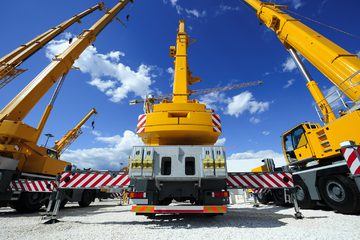
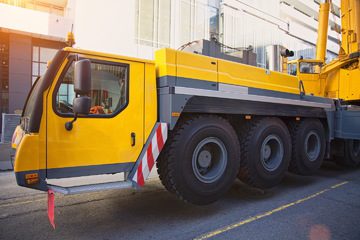
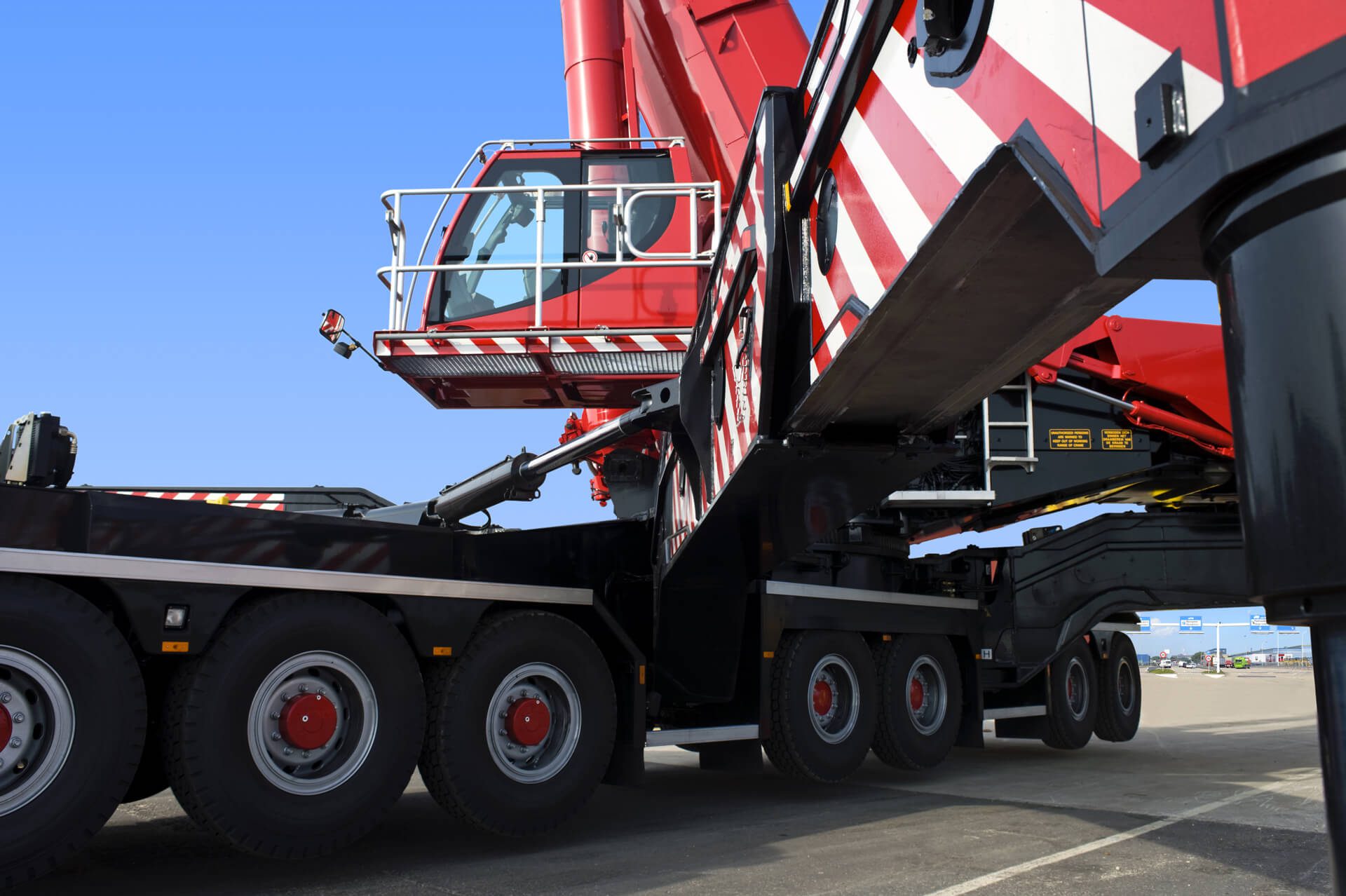
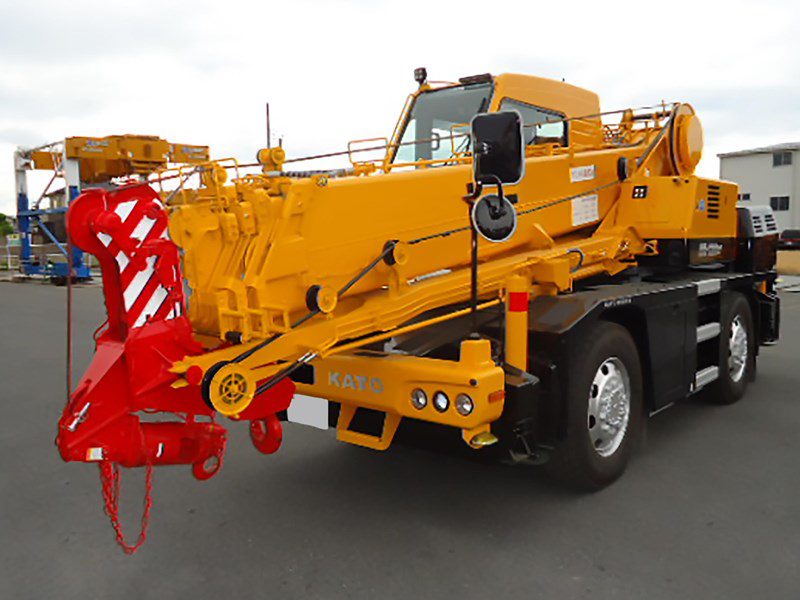
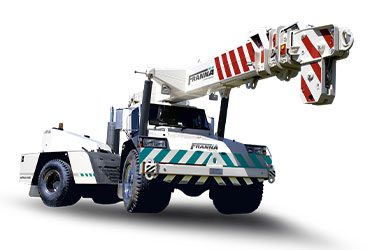
This transition has altered the role of cranes in fundamental ways. Mobile crane hire remains essential, but its function has become more focused. These cranes are valued for their flexibility, moving between sites to handle specific lifting tasks—installing structural elements, supporting infrastructure works, or completing short-term operations that do not require permanent equipment. Their strength lies in their adaptability, particularly in projects that span large areas or require rapid deployment.
Tower crane hire, by contrast, embodies permanence. These cranes are assembled on-site and remain for the duration of a project, often becoming as familiar as the buildings they help construct. They are integral to high-rise development, providing the consistent lifting capacity needed to move materials vertically with precision.
Yet as urban environments grow more constrained, even tower cranes face limitations. Space—both on the ground and in the air—has become a defining factor in construction planning. It is within this context that a more specialised form of crane has gained prominence.
The Rise of Luffing Cranes in a Crowded Skyline
In dense urban areas, where construction sites are hemmed in by existing buildings and infrastructure, traditional approaches are often insufficient. The challenge is not simply to build higher, but to do so without encroaching on surrounding spaces.
This is where luffing crane hire Sydney has become increasingly significant. Unlike conventional tower cranes with fixed horizontal jibs, luffing cranes can raise and lower their arms, allowing them to operate within a reduced radius. This flexibility enables them to function in tight environments where space is limited and regulations are strict.
The importance of this capability becomes clear when considering how modern cities are organised. Airspace is no longer an abstract concept; it is a regulated domain. Cranes must operate within defined boundaries, avoiding oversailing neighbouring properties and adhering to safety requirements that are more stringent than ever.
Luffing cranes offer a solution that aligns with these constraints. They allow construction to proceed efficiently without extending beyond permitted limits. In doing so, they make possible a level of urban density that would otherwise be difficult to achieve.
Their growing use across Sydney is not merely a technical trend. It reflects a broader shift in how cities manage growth—balancing the need for development with the realities of limited space.
Different Tools for Different Terrains
The diversity of crane hire options speaks to the diversity of construction challenges. Each type of crane is suited to a particular context, and understanding these distinctions helps illuminate how modern projects come together.
On large infrastructure projects—highways, rail networks, and energy developments—mobile crane hire remains indispensable. These projects often extend across wide areas, requiring equipment that can be repositioned quickly. Mobile cranes provide the flexibility needed to adapt to changing conditions, supporting multiple phases of construction without becoming fixed to a single location.
In high-rise developments, tower crane hire plays a central role. These cranes are designed for sustained use, lifting heavy materials to significant heights over extended periods. Their presence is a defining feature of vertical construction, marking the gradual rise of buildings that reshape the skyline.
In tightly constrained urban environments, however, the equation changes. Here, luffing crane hire offers a solution tailored to the specific challenges of density. By limiting their reach and operating within controlled parameters, these cranes enable construction to proceed without disrupting the surrounding environment.
What emerges is a system of complementary capabilities rather than competing technologies. Each type of crane contributes to a broader framework that supports modern construction, responding to the unique demands of each project.
Safety in an Era of Precision
As construction becomes more complex, the expectations around safety have evolved accordingly. Australia’s regulatory framework has grown more robust, reflecting both technological advancements and a heightened awareness of risk.
Crane operations are governed by detailed standards that address everything from operator certification to equipment maintenance and lift planning. These regulations are not static; they continue to evolve as new challenges emerge and lessons are learned.
In dense urban environments, the stakes are particularly high. Construction sites are often located near occupied buildings, active transport corridors, and public spaces. The margin for error is small, and the consequences of mistakes can be significant.
Technology has become an essential component of modern safety practices. Sensors and monitoring systems provide real-time data on load weights, wind conditions, and structural performance. Digital modelling tools allow construction teams to simulate crane movements before they occur, identifying potential conflicts and refining strategies to avoid them.
This shift toward proactive safety reflects a broader change in the industry. It is no longer enough to respond to risks; the goal is to anticipate and mitigate them before they arise.
Innovation and the Changing Construction Landscape
The integration of technology into crane hire is reshaping how construction projects are planned and executed. Remote monitoring systems enable site managers to oversee multiple operations simultaneously, while advanced modelling software allows for precise coordination across complex sites.
There is also a growing focus on sustainability. As Australia seeks to reduce the environmental impact of construction, the industry is exploring new approaches to energy use and emissions. This includes the introduction of hybrid and electric cranes, as well as more efficient operational practices.
These innovations are subtle but significant. They change not only how cranes operate but how projects are conceived, introducing new possibilities for efficiency and control.
The Enduring Role of Human Expertise
Despite these technological advancements, the human element remains central to crane operations. Operators, riggers, and engineers bring a level of experience and judgment that cannot be fully replicated by machines. Their ability to interpret conditions, respond to unexpected challenges, and coordinate with broader teams is essential to the success of any project.
In Australia, the demand for skilled labour in this field continues to grow. Training programs have expanded, but the increasing complexity of construction means that expertise is more valuable than ever.
This interplay between technology and human skill defines the current state of crane hire. It is not a question of replacement, but of integration—how tools and experience come together to meet the demands of modern construction.
A Quiet Force Behind Urban Transformation
Cranes rarely command attention outside the construction industry. They are part of the background, a constant presence that blends into the urban landscape. Yet their influence is profound.
The rise of mobile crane hire, tower crane hire, and luffing crane hire reflects a deeper transformation in how Australian cities are built. These machines enable construction within constraints, allowing development to proceed in environments that are increasingly dense and regulated.
In Sydney, the growing importance of luffing crane hire highlights how infrastructure growth and urban density are intertwined. These cranes do more than lift materials; they make possible a form of development that balances ambition with limitation.
Looking Ahead
As Australia’s cities continue to evolve, the role of crane hire will become even more integral. Projects will demand greater precision, stricter compliance, and more sophisticated coordination. The pressures of density and sustainability will shape not only what is built, but how it is built.
In this changing landscape, cranes will remain a defining presence—quietly orchestrating the transformation of urban space. Their movements may appear slow, almost methodical, but they reflect a process that is constantly adapting to the needs of a growing city.
To watch a crane at work is to see more than construction. It is to witness the careful negotiation between possibility and constraint—the steady, deliberate shaping of the urban future.