Stand at a busy intersection in Australia—in Sydney’s inner west, Melbourne’s Docklands, or Brisbane’s fast-changing riverfront—and you’ll notice something that feels both ordinary and quietly revealing. Above the noise of traffic and the churn of construction sites, cranes move with deliberate precision, threading steel and concrete into place. They are so familiar that they risk fading into the background. But if you look closely, the variety of cranes—and the reasons they are chosen—tell a more intricate story about how Australian cities are evolving.
Crane hire, once a largely logistical consideration, has become a strategic decision that shapes the rhythm and feasibility of construction. The distinctions between mobile crane hire, tower crane hire, and luffing crane hire are no longer just technical preferences. They reflect a deeper recalibration of how space is used, how projects are sequenced, and how cities grow under pressure.
From Expansion to Compression
For much of its modern history, Australia built outward. Suburbs stretched, infrastructure followed, and construction sites had the luxury of space. That model is increasingly strained. Population growth, housing affordability, and the economic gravity of urban centers have pushed development inward, toward denser and more vertical forms.
This compression changes everything about construction. Sites are smaller, boundaries tighter, and the proximity between projects often measured in meters rather than blocks. In such conditions, the choice of crane is not incidental; it becomes central to whether a project can proceed at all.
Tower crane hire has long been the default for high-rise construction, and it remains indispensable. These cranes offer the height and lifting capacity required for skyscrapers and large residential towers. Their fixed position and wide reach make them efficient for projects where space is available and the skyline is relatively open.
But as density increases, that openness disappears. The wide, sweeping arc of a traditional tower crane can become a liability when neighboring developments are close enough to compete for the same airspace. What once seemed like an advantage—reach—can become a constraint.
Luffing Cranes and the Value of Airspace
This is where luffing crane hire has emerged as a defining feature of contemporary urban construction. Luffing cranes are designed with a jib that can be raised and lowered, allowing operators to control not just how far the crane reaches, but how it occupies the sky.
In dense city environments, this capability is transformative. Multiple cranes can operate in close proximity without interfering with one another, each adjusting its profile to avoid overlap. In practical terms, this means that projects can proceed simultaneously on adjacent sites, a necessity in cities where demand for space is relentless.
The implications extend beyond efficiency. By enabling construction in constrained environments, luffing cranes make certain developments viable that might otherwise be too complex or risky. They allow architects and planners to push the boundaries of what can be built within existing urban footprints.
There is also a subtler shift at play. As cities become more sensitive to noise, disruption, and visual impact, the controlled movements of luffing cranes can help mitigate some of these concerns. Their ability to operate within tighter parameters aligns with a broader expectation that construction should coexist more harmoniously with daily urban life.
Mobility Across a Vast Continent
While luffing cranes speak to the challenges of density, mobile crane hire reflects Australia’s geographic scale and diversity. Beyond the urban core, construction often unfolds across vast distances, from regional infrastructure projects to resource-sector developments.
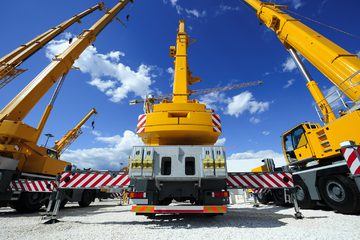
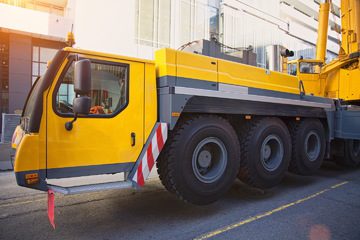
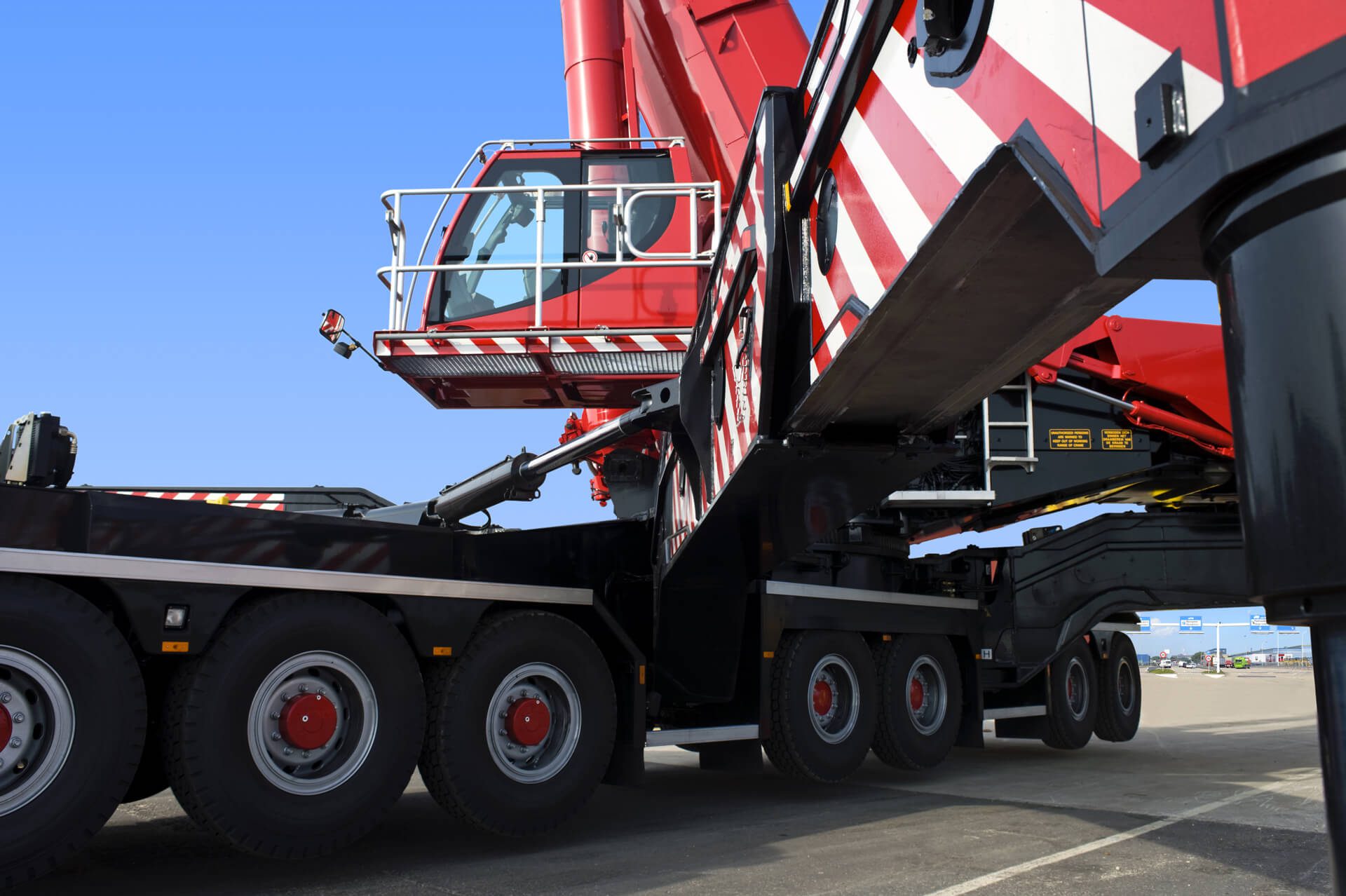
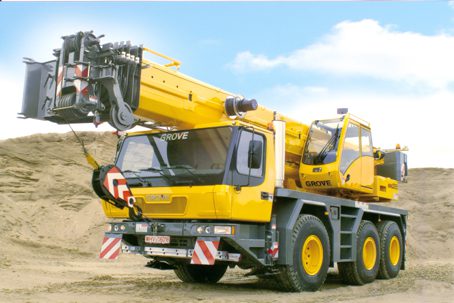
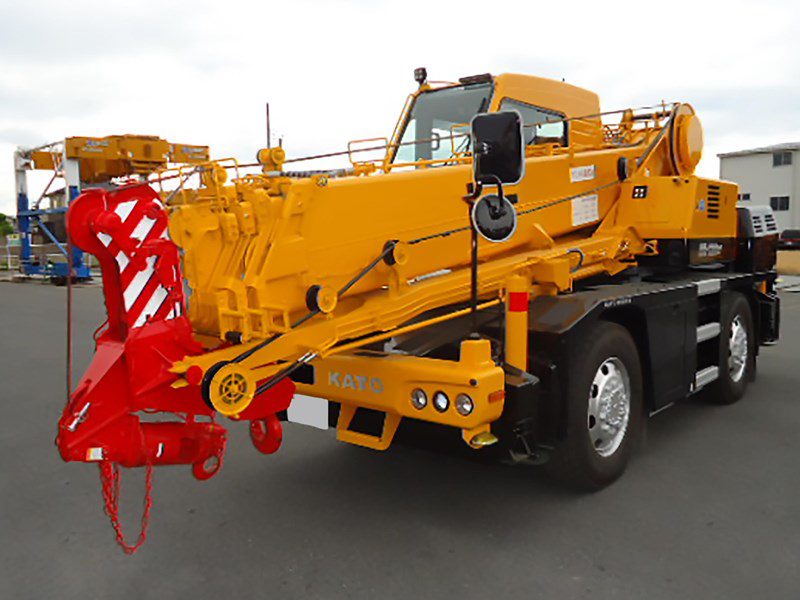
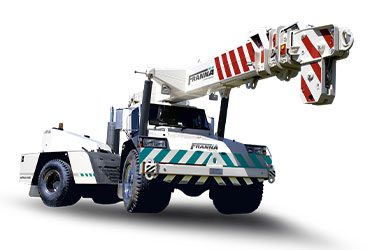
Mobile cranes bring a different kind of adaptability. Mounted on trucks or crawler tracks, they can be transported quickly and deployed for specific tasks. In infrastructure projects—bridge construction, highway upgrades, or energy installations—their flexibility is essential. They can be on-site when needed and gone when the job is done, minimizing the need for permanent installations.
Even within cities, mobile crane hire plays a growing role. As construction methods shift toward prefabrication, with components assembled off-site and delivered ready for installation, mobile cranes are often used to lift these elements into place. This approach can reduce construction time and limit disruption, an increasingly important consideration in densely populated areas.
The contrast between mobile and fixed cranes illustrates a broader trend: construction is becoming more modular, more responsive, and more dependent on precise coordination.
Safety in a More Complex Landscape
As crane operations become more varied and more tightly integrated into urban environments, safety has taken on a heightened significance. Australia’s regulatory framework, guided by bodies such as Safe Work Australia, has evolved alongside these changes.
Safety today is not just about preventing accidents; it is about managing complexity. On a typical urban construction site, multiple cranes may operate simultaneously, each with overlapping zones of movement. Workers, materials, and machinery must be coordinated within confined spaces, often under significant time pressure.
To address these challenges, the industry has adopted a combination of stricter standards and advanced technologies. Anti-collision systems, for example, are increasingly common in tower and luffing cranes, ensuring that their movements are synchronized and do not conflict. Load monitoring systems provide real-time feedback, helping operators maintain control under varying conditions.
Training has also become more rigorous. Crane operators are required to understand not only the mechanics of their equipment but also the dynamics of the sites on which they work. The role has evolved into one that demands both technical skill and situational awareness.
Technology and the Quiet Digital Shift
Beyond safety, technology is reshaping the crane hire industry in ways that are less visible but no less significant. Digital modeling tools, such as Building Information Modeling, allow construction teams to plan crane operations in advance, simulating movements and identifying potential conflicts before they occur.
Telematics systems have become standard in many crane fleets, tracking performance, maintenance needs, and usage patterns. For companies offering mobile crane hire or tower crane hire, this data-driven approach enables more efficient operations and better resource allocation.
There is also growing interest in automation. While fully autonomous cranes remain largely theoretical, semi-automated features are already being introduced. These systems can assist with precision tasks, reducing the margin for error and easing the burden on operators.
At the same time, these technological advances raise questions about the future of work. As cranes become more sophisticated, the skills required to operate them are changing. Training programs must adapt, blending traditional expertise with digital literacy.
Pressures and Possibilities
The crane hire industry does not operate in isolation. It is shaped by broader economic and social forces, from fluctuations in construction demand to supply chain disruptions and the rising cost of equipment.
Sustainability is another growing concern. As construction faces increasing scrutiny for its environmental impact, attention is turning to the machinery that makes it possible. Electric and hybrid cranes, while still emerging, point toward a future in which emissions and energy use are more carefully managed.
These pressures create both challenges and opportunities. They require the industry to adapt, to innovate, and to rethink long-standing practices. In doing so, they reinforce the idea that crane hire is not a static service but a dynamic part of the construction ecosystem.
The Invisible Framework of Cities
It is easy to overlook cranes, to see them as temporary fixtures that disappear once a project is complete. But their influence is more enduring than it might appear. The availability and capability of crane hire shape what can be built, how quickly it can rise, and how efficiently it can be delivered.
Mobile crane hire supports the reach of infrastructure across a vast and varied landscape. Tower crane hire enables the vertical expansion of cities striving to accommodate growing populations. Luffing crane hire, perhaps most emblematic of the present moment, allows construction to navigate the constraints of density with precision and adaptability.
Together, they form an invisible framework underpinning Australia’s urban transformation. They do not define the skyline in the way finished buildings do, but they determine its possibilities.
To watch a crane in motion is to see more than a machine at work. It is to glimpse the careful coordination, planning, and negotiation that goes into building a city. And in the steady, deliberate movements of these machines, you can trace the outlines of a broader story—one of a nation adapting to new realities, balancing growth with constraint, and finding ways to build not just more, but smarter.