Australia’s skylines are evolving at an unprecedented pace. From Melbourne’s dense inner suburbs to Sydney’s waterfront high-rises, cranes have become more than mere machinery; they are strategic tools in shaping the nation’s urban future. Among these, the luffing crane has emerged as a vital component in navigating the unique challenges of modern construction, complementing the enduring utility of mobile and tower cranes. Understanding the distinct roles of these machines offers insight into how Australia balances efficiency, safety, and innovation in its urban development projects.
Luffing Crane Hire: Precision in Confined Spaces
Luffing cranes, identifiable by their ability to pivot the jib at varying angles, are particularly valuable in tight urban environments. Unlike conventional tower cranes, which operate with a fixed horizontal jib, luffing cranes can “luff” their arms, allowing them to lift and place heavy loads without requiring a wide swing radius. This design is ideal for construction sites in densely populated city centers, where space constraints and proximity to neighboring structures pose logistical challenges.
In high-rise developments, luffing crane hire enables contractors to position materials directly onto upper floors without interfering with street traffic below. The compact operational footprint reduces risk and enhances site efficiency, a consideration increasingly critical as Australian cities densify. Additionally, the ability to adjust the jib angle dynamically allows for safer load handling in variable wind conditions, a key factor in the country’s often coastal urban landscapes.
Mobile Crane Hire: Flexibility Across Projects
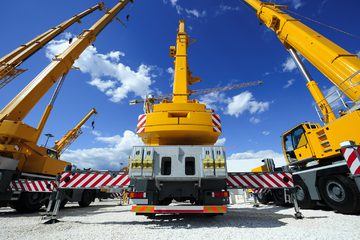
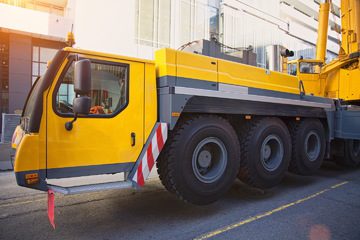
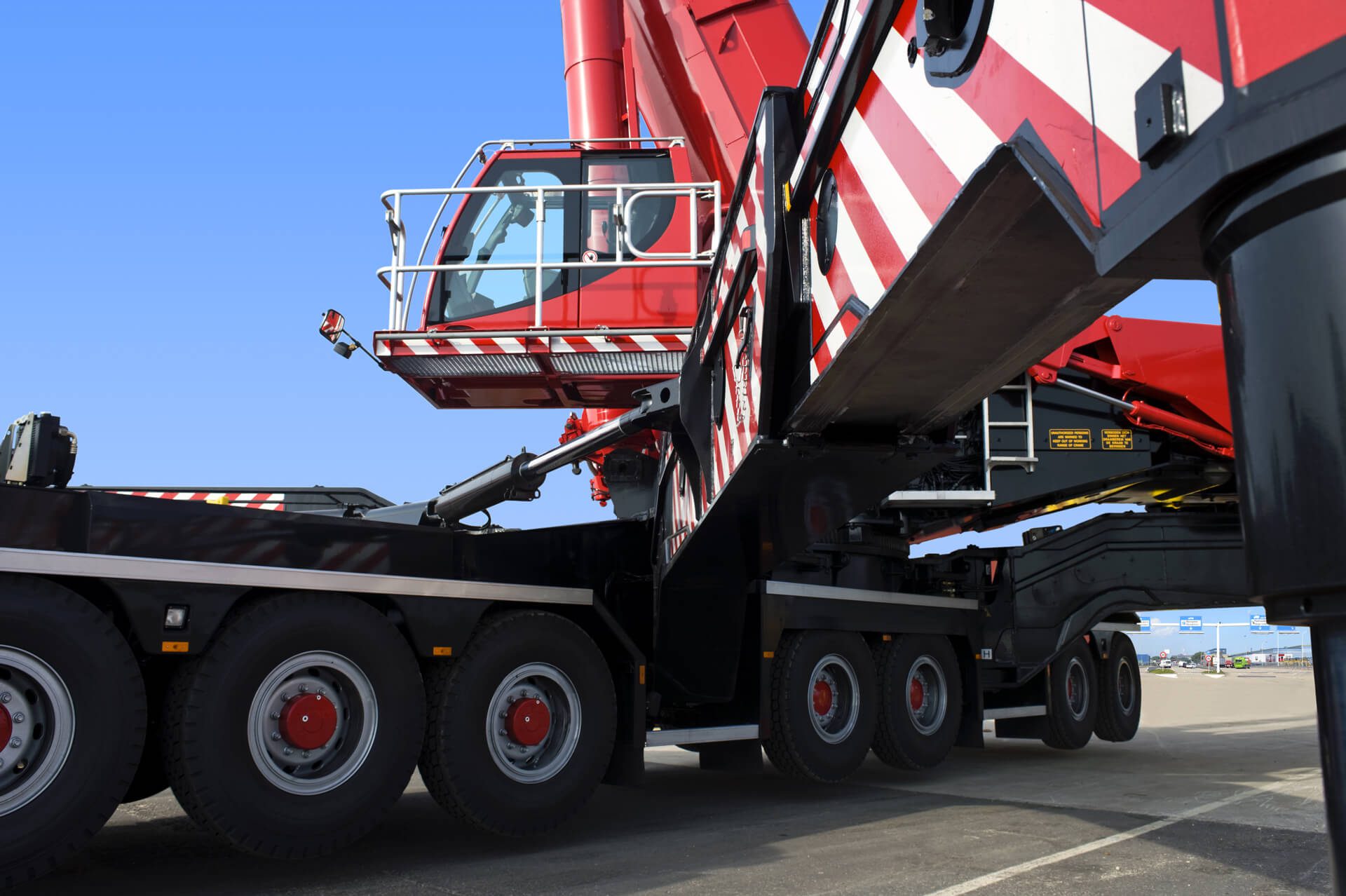
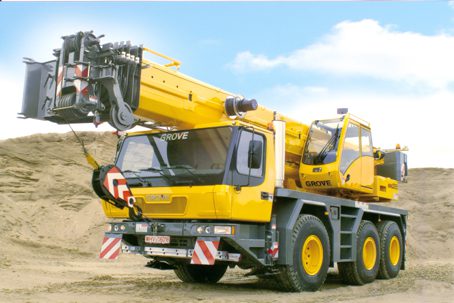
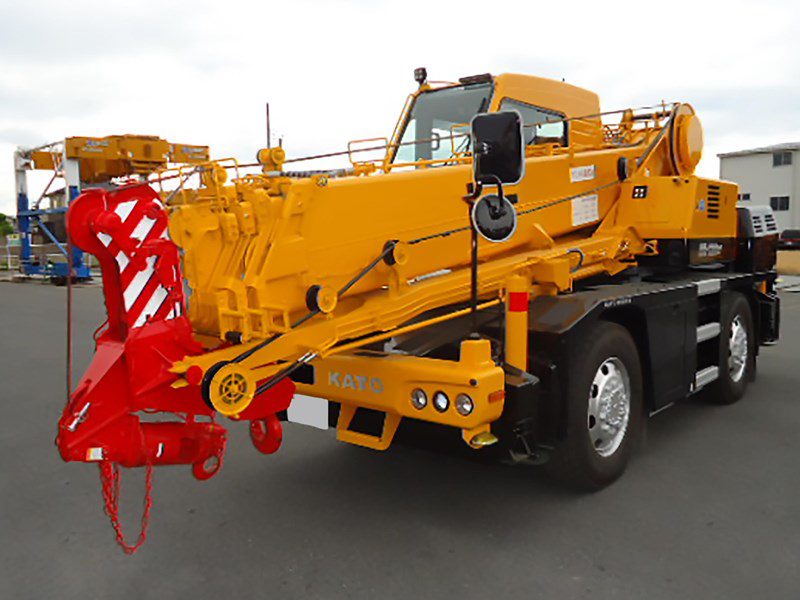
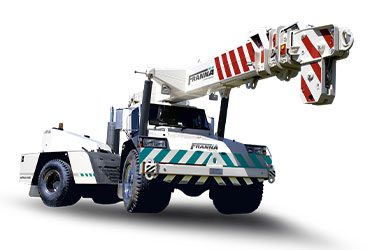
Mobile cranes continue to play a versatile role across Australia’s infrastructure and construction sectors. These cranes, mounted on wheeled or tracked vehicles, provide rapid deployment and repositioning capabilities that are invaluable for projects spanning multiple sites or phases. From bridges and highways to temporary industrial facilities, mobile crane hire allows operators to move heavy materials without the need for permanent installations.
In contrast to tower or luffing cranes, mobile cranes excel in versatility rather than height. They are often the preferred choice for short-term projects or sites where terrain variability makes fixed installations impractical. Their mobility supports both urban and regional projects, allowing construction teams to adapt quickly to evolving logistical demands while maintaining adherence to stringent safety protocols mandated under Australian workplace standards.
Tower Crane Hire: Anchoring the Skyline
Tower cranes remain the backbone of vertical construction, particularly in high-rise residential and commercial developments. Their design allows for significant lifting height and load capacity, making them indispensable for constructing buildings that define modern Australian skylines. Tower crane hire is typically associated with long-term projects due to the complexity of installation and dismantling, but the benefits in terms of reach and stability often outweigh these logistical considerations.
In dense urban zones, tower cranes are sometimes complemented by luffing cranes to navigate tight streets and restricted airspace. While tower cranes excel in lifting heavy prefabricated modules or structural steel over long distances, luffing cranes offer the precision required to safely place these materials in confined spaces. Together, these cranes demonstrate the nuanced interplay of engineering choices that underpin contemporary urban development.
Safety Standards and Regulatory Oversight
The operation of cranes in Australia is governed by rigorous safety standards, reflecting both national legislation and state-specific regulations. Operators must adhere to codes established by Safe Work Australia, including detailed protocols on load limits, site setup, and operator certification. Luffing crane hire, in particular, demands specialized training due to the technical complexity of adjusting jib angles under variable conditions. Ensuring compliance with these regulations mitigates risks associated with wind gusts, shifting loads, and urban congestion.
Advancements in crane technology have further enhanced safety. Modern cranes are often equipped with automated load monitoring, anti-collision systems, and real-time wind sensors. These technologies provide construction teams with precise operational data, reducing the likelihood of human error and enabling safer coordination of multiple cranes on complex urban sites. In Australia, regulatory authorities closely monitor such innovations to ensure that adoption enhances rather than circumvents safety protocols.
Technological Innovation and Operational Efficiency
Beyond safety, technological advancements have increased operational efficiency across crane types. Luffing cranes, for instance, now integrate computer-controlled systems that allow for precise positioning of materials, even at extreme heights. Similarly, mobile cranes leverage GPS and hydraulic controls to optimize reach and lifting power, reducing setup time and enhancing site productivity. Tower cranes benefit from modular design improvements, enabling faster assembly and adaptability to varying construction phases.
These innovations align with Australia’s broader urban planning objectives, which emphasize minimizing disruption, maximizing resource efficiency, and adhering to environmental standards. Efficient crane operation reduces the need for extended on-site storage of materials, lowers fuel consumption, and supports tighter construction schedules—factors critical in densely populated metropolitan areas.
Strategic Considerations in Urban Development
Selecting the appropriate crane type is both an engineering and strategic decision. Luffing crane hire is increasingly favored in projects where space constraints and precision requirements dominate, while tower cranes anchor major high-rise developments. Mobile cranes fill a complementary role, offering flexibility for infrastructure and temporary installations. For developers and city planners, understanding these distinctions is essential in balancing cost, safety, and operational efficiency.
The strategic use of cranes also reflects the broader transformation of Australia’s urban landscape. As cities grow vertically and density intensifies, the ability to deliver materials safely and efficiently directly influences project timelines and budget management. Cranes, therefore, are not merely mechanical tools—they are integral to shaping the urban form, from residential towers to bridges and civic infrastructure.
The Future of Crane Operations in Australia
Looking ahead, the role of cranes in Australia’s construction sector is set to evolve further. Automation, remote operation, and integration with digital construction management platforms are likely to enhance precision and reduce onsite risks. Luffing crane hire, with its adaptability in restricted environments, will remain pivotal in urban centers where space and safety are paramount. Meanwhile, mobile and tower cranes will continue to underpin large-scale infrastructure projects, balancing height, reach, and mobility requirements.
Urban development in Australia is increasingly defined by complexity, density, and the demand for rapid yet safe construction. The nuanced deployment of cranes—mobile, tower, and luffing—illustrates how engineering innovation intersects with practical urban planning. By leveraging the strengths of each crane type while adhering to rigorous safety and regulatory standards, the construction industry can meet the nation’s growth demands while shaping skylines that are both functional and resilient.
Conclusion
Cranes have long symbolized the ambition of cities, yet in Australia, their role transcends symbolism. Mobile, tower, and luffing cranes form a triad of operational capabilities that support infrastructure development, high-rise construction, and urban densification. Luffing cranes, in particular, offer strategic advantages in precision and spatial efficiency, demonstrating their essential place in the modern construction toolkit. As technology and regulation continue to advance, these machines will remain central to Australia’s urban transformation, ensuring that safety, efficiency, and architectural ambition progress hand in hand.