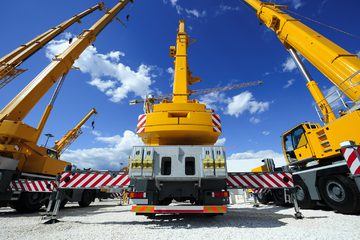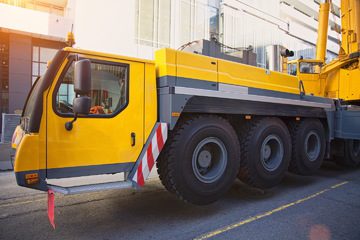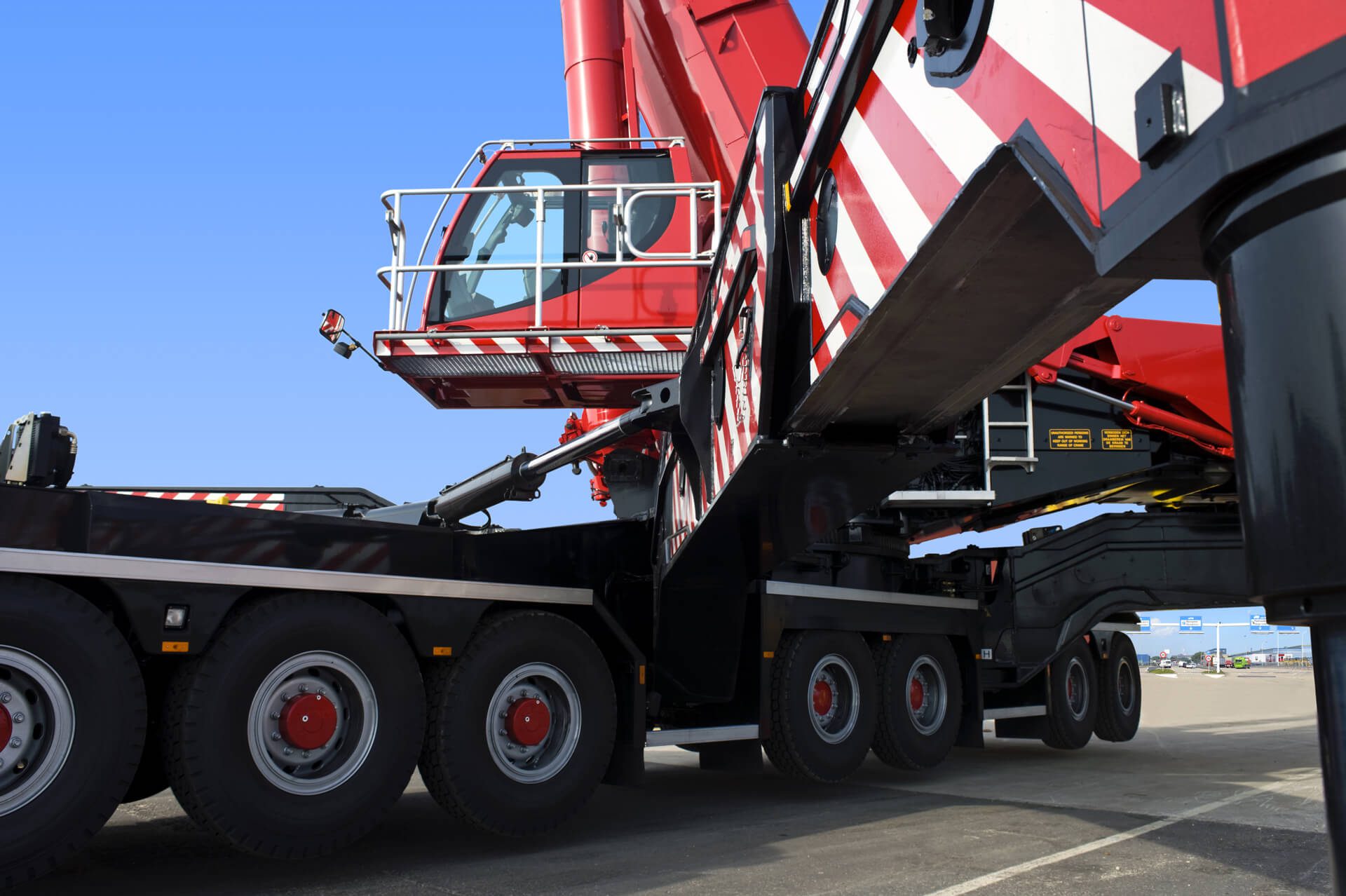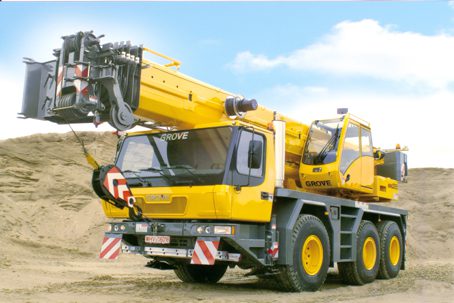
Stand in almost any growing Australian city today and look up. The skyline tells a story not just of ambition, but of coordination—of forces carefully balanced, movements precisely timed, and materials lifted into place with quiet authority. In Sydney, Melbourne, and Brisbane, cranes have become so familiar they risk fading into the background. Yet their presence signals something profound: a transformation in how cities are built, and in the role that crane hire now plays within that process.
Crane hire in Australia has evolved well beyond a logistical afterthought. It has become an integral, strategic layer in construction and urban development—one that reflects the pressures of density, the demands of infrastructure, and the steady advance of technology.
Cities Growing Up, Not Out
Australia’s urban story has shifted in recent decades. Where expansion once meant pushing outward, growth is now increasingly vertical. Population increases, housing shortages, and planning constraints have encouraged cities to build upward, compressing more activity into less space.
This shift has had a direct impact on how construction unfolds. The generous building sites of the past have given way to constrained urban footprints, where every meter matters and timing is critical. In this context, city crane hire is no longer simply about lifting heavy materials; it is about enabling construction to occur at all within tight, complex environments.
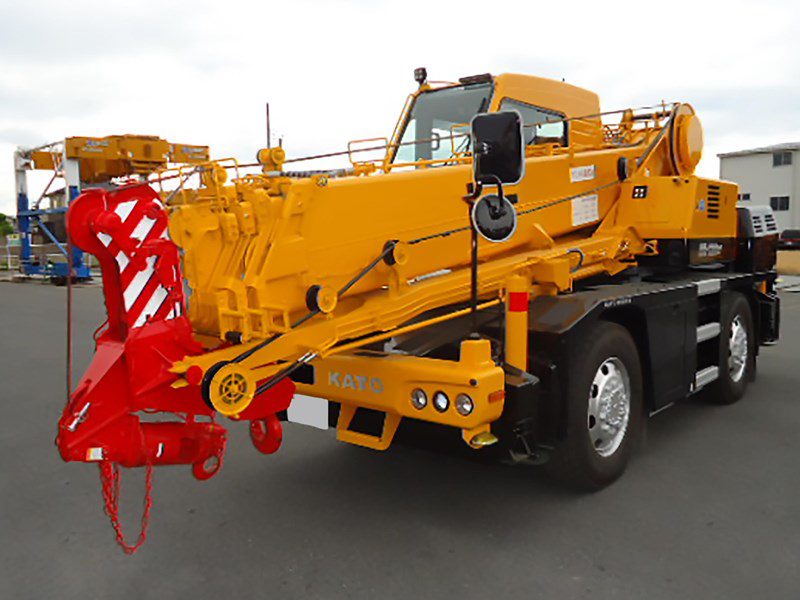
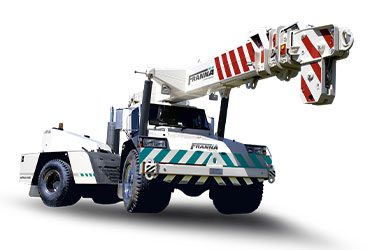
Mobile crane hire, for instance, has found renewed importance in this landscape. Its flexibility allows it to serve short-term, high-intensity needs—installing structural elements, supporting infrastructure upgrades, or handling lifts that demand quick deployment. In a city environment where road closures must be brief and disruption minimized, that mobility becomes a defining advantage.
At the same time, tower crane hire has become almost synonymous with high-rise development. These cranes rise alongside the buildings they help create, anchoring the pace of construction. Their ability to operate at height, repeatedly and reliably, makes them indispensable for projects that stretch skyward over months or years.
Then there is luffing crane hire, a quieter but increasingly critical presence. In dense urban precincts, where buildings press closely together and airspace is contested, luffing cranes offer a solution through controlled movement. Their adjustable jibs allow them to operate within confined envelopes, avoiding interference with neighboring structures or other cranes. It is a technical adaptation to a spatial problem—and a sign of how construction methods are evolving alongside urban form.
Matching Machines to Modern Demands
Different cranes do more than lift; they shape the rhythm and feasibility of entire projects. Large infrastructure works—highways, rail corridors, and bridges—often depend on mobile crane hire for its combination of strength and adaptability. These projects unfold across varied terrain and shifting conditions, requiring equipment that can move as the work progresses.
High-rise construction, by contrast, is defined by continuity. Tower crane hire provides that continuity, establishing a fixed presence that supports the steady accumulation of floors. Each lift contributes to a larger sequence, a vertical assembly line that depends on precision and reliability.
In the most constrained environments, the role of luffing crane hire becomes especially clear. Inner-city developments, often surrounded by existing buildings and active streets, leave little room for error. Here, the ability to control a crane’s movement with fine precision is not merely beneficial; it is essential. Without it, many projects would be impractical, if not impossible.
These distinctions are not simply technical. They reflect the diversity of modern construction itself—an industry that must respond to a wide range of conditions, from sprawling infrastructure corridors to tightly packed urban blocks.
Safety as a Public Expectation
As crane operations have become more complex, so too have the expectations surrounding safety. In Australia, these expectations are shaped by a robust regulatory framework, guided in part by organizations such as Safe Work Australia. The standards governing crane use are stringent, and for good reason.
Construction today often takes place in close proximity to everyday life. Office workers pass beneath active sites, traffic flows alongside them, and residential buildings rise within meters of ongoing work. In such environments, the consequences of failure are magnified.
This reality has led to a culture where planning is as important as execution. Detailed lift plans, rigorous inspections, and strict licensing requirements are standard practice. Technology has reinforced these measures, with systems designed to monitor loads, prevent collisions, and provide real-time data to operators and site managers.
Yet safety is not solely a matter of systems and regulations. It is also a matter of expertise. The skill of crane operators, the judgment of engineers, and the coordination of construction teams all play a role in ensuring that operations proceed without incident. In many ways, the human element remains the most critical safeguard.
Technology and the Changing Nature of Construction
If safety has driven one wave of change, technology has driven another. The integration of digital tools into construction has altered how crane hire is planned and managed. Building Information Modeling, for example, allows teams to simulate crane placement and movement before work begins, identifying potential conflicts and optimizing efficiency.
This shift toward digital planning reflects a broader trend in the industry: a move from reactive problem-solving to proactive design. Cranes are no longer simply brought onto a site as needed; they are incorporated into the project from the outset, their capabilities and limitations shaping the construction process itself.
Advances in equipment have also played a role. Modern cranes are more efficient, more precise, and more adaptable than their predecessors. Features such as automated controls and remote monitoring systems have improved both performance and safety, while also changing the nature of the operator’s role.
In a country as geographically vast as Australia, these innovations carry particular weight. Projects often span long distances and diverse conditions, making coordination a significant challenge. Technology offers a way to bridge these gaps, ensuring consistency across sites and improving overall efficiency.
Pressures Beneath the Surface
The evolution of crane hire does not occur in isolation. It is influenced by broader pressures affecting the construction industry, from economic fluctuations to labor shortages and supply chain disruptions. These factors shape how projects are planned, funded, and executed—and by extension, how cranes are deployed.
Sustainability has also emerged as a key concern. As cities grapple with the environmental impact of development, the construction sector faces increasing scrutiny. While cranes themselves are only one part of the equation, their operation contributes to energy use and emissions. Efforts to improve efficiency, explore alternative fuels, and reduce idle time are beginning to address these concerns, though progress remains uneven.
Urban density, meanwhile, continues to act as both a constraint and a catalyst. It complicates construction, but it also drives innovation, encouraging the development of new techniques and technologies that can operate within limited space.
The Unseen Framework of Urban Growth
For all their visibility, cranes remain curiously overlooked in discussions of urban development. Attention tends to focus on the finished product—the building, the bridge, the skyline—rather than the processes that made it possible.
Yet crane hire sits at the center of those processes. Through mobile crane hire, tower crane hire, and luffing crane hire, these machines enable the physical realization of plans and designs. They translate architectural vision into built form, lifting materials into place with a precision that belies their scale.
In Australia’s rapidly evolving cities, this role has become more pronounced. The challenges of density, the demands of infrastructure, and the expectations of safety have all elevated the importance of crane operations. What was once a supporting function has become a defining element of construction itself.
To watch a crane in motion is to glimpse the underlying mechanics of urban growth. It is a reminder that cities are not only designed and financed, but also assembled—piece by piece, lift by lift. And as Australia continues to build upward and inward, the quiet power of crane hire will remain an essential force, shaping the skylines that define the nation’s future.