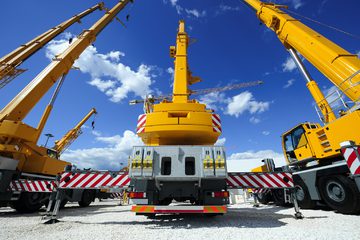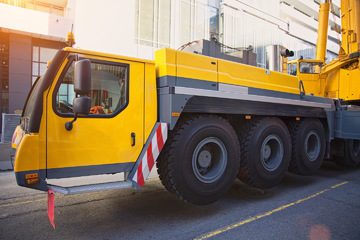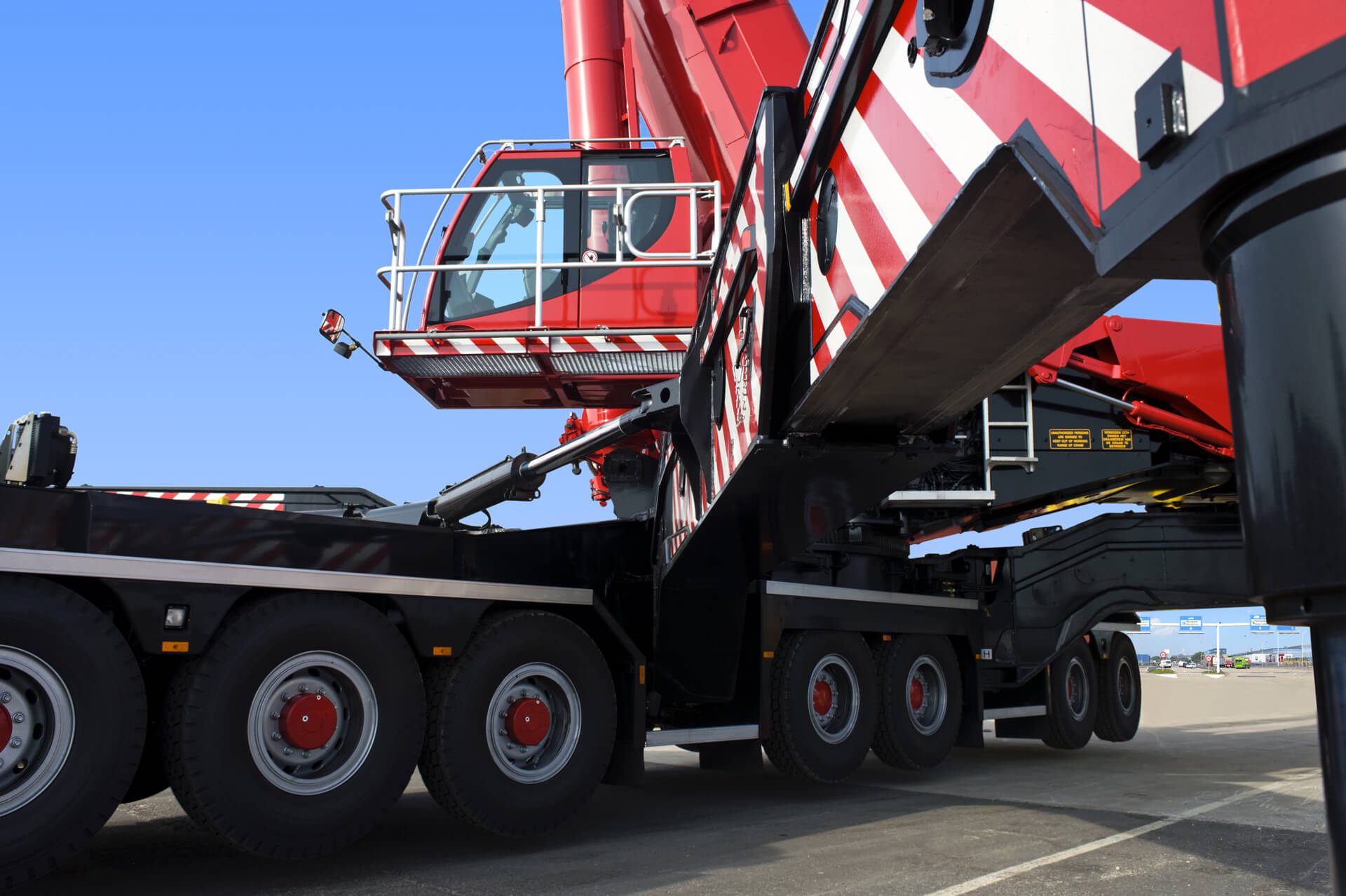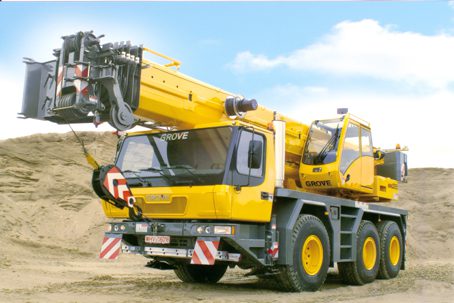
A few years ago, the sight of a crane moving across a Sydney construction site rarely attracted much attention beyond the engineers and operators responsible for it. Today, that same movement tells a larger story. It reflects how Australia’s construction industry is adapting to denser cities, tighter delivery schedules, evolving safety expectations, and a growing reliance on digital technology.
Behind every visible tower crane that defines Sydney’s skyline are dozens of less conspicuous lifting operations that keep projects moving from one phase to the next. Increasingly, those operations rely on equipment selected not simply for lifting capacity but for mobility, efficiency, and the ability to fit into increasingly constrained urban environments. That shift has elevated the strategic importance of franna crane hire Sydney, transforming what was once viewed as a routine procurement decision into a broader question about productivity, risk management, and infrastructure resilience.
The change is not driven by a single technological breakthrough or regulatory reform. Instead, it is the result of several trends converging at once. Australia’s population continues to grow, major cities are becoming denser, infrastructure investment remains strong, and builders face persistent labour shortages alongside rising project costs. Every decision that improves operational efficiency now carries greater significance than it did a decade ago.
Sydney illustrates these pressures particularly well. Construction rarely takes place on open land. Instead, projects are inserted into established commercial districts, residential neighbourhoods, transport corridors, and industrial precincts where every square metre of available space must be carefully managed. Roads remain open, neighbouring businesses continue operating, and pedestrian access cannot simply disappear because a building is under construction.
These realities have fundamentally changed how project teams think about lifting equipment.
Rather than asking which crane can lift the greatest load, engineers and procurement specialists increasingly ask which crane best suits the constraints of a specific site. Mobility, setup time, operating footprint, and scheduling flexibility have become as important as lifting charts.
That evolution explains why different crane types continue to occupy distinct roles across Australia’s construction sector.
Projects that span multiple locations often depend on mobile crane hire because mobility is central to their success. Civil infrastructure upgrades, utility maintenance, bridge repairs, and industrial shutdowns frequently require cranes to relocate several times during a single project. Rapid mobilisation allows work crews to maintain momentum while reducing downtime between lifting operations.
Long-duration developments present an entirely different challenge. High-rise residential towers, commercial office buildings, and major mixed-use precincts rely on tower crane hire because those cranes provide continuous vertical lifting over extended construction programmes. Their ability to operate consistently throughout months of structural work makes them indispensable for projects where materials must move efficiently between ground level and upper floors.
Urban construction, however, increasingly presents situations where neither solution alone provides the ideal answer.
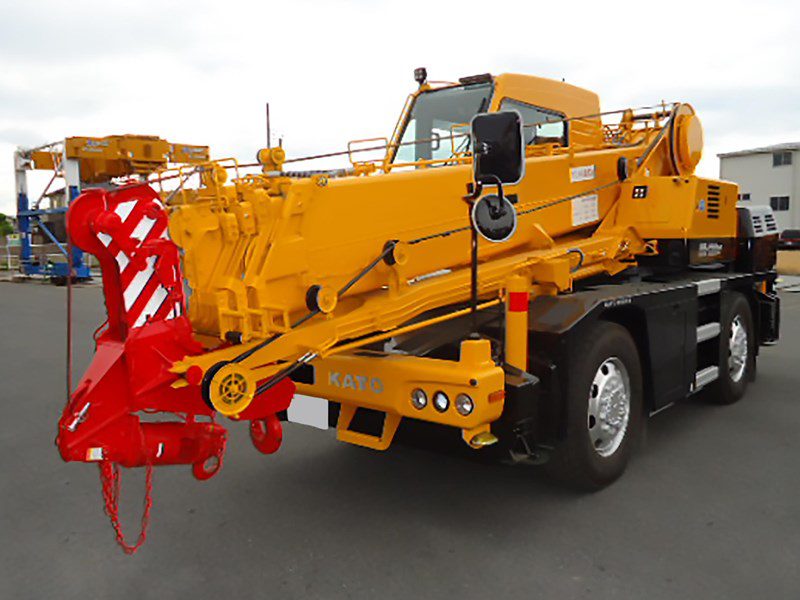
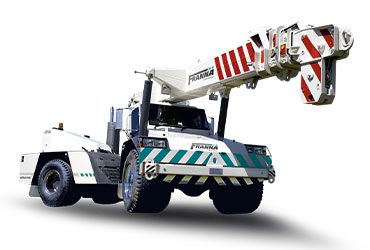
Within active industrial facilities, commercial redevelopments, logistics centres, and infrastructure maintenance sites, lifting tasks often occur repeatedly across relatively compact areas. Equipment must move quickly without extensive dismantling or transport between individual lifts. In these environments, franna crane hire Sydney has become increasingly relevant because it combines lifting capability with exceptional on-site mobility.
This distinction is subtle but important. Rather than replacing larger cranes, Franna cranes fill a specific operational niche where adaptability matters more than maximum lifting height. They allow contractors to complete multiple lifting activities efficiently while reducing interruptions to surrounding work.
The industry’s growing reliance on this type of equipment reflects a broader change in construction philosophy. Flexibility has become a measurable asset.
Technology has accelerated that transition.
Across Australia, many crane operators now incorporate GPS fleet tracking, digital maintenance records, electronic lift planning, and real-time load monitoring into everyday operations. These systems provide project managers with greater visibility over equipment utilisation while helping maintenance teams identify issues before they become operational disruptions.
Digital lift planning has become particularly valuable on constrained urban sites. Engineers can model lifting paths, identify overhead hazards, evaluate exclusion zones, and coordinate equipment movement before machinery even arrives. Instead of reacting to site challenges during construction, teams increasingly resolve them during planning.
Automation has not replaced skilled operators, nor is it likely to do so in the foreseeable future. Rather, technology serves as an additional decision-making tool, allowing experienced personnel to work with more accurate information while improving operational consistency across complex projects.
This technological evolution has coincided with an equally significant shift in regulation.
Australian construction has steadily strengthened its emphasis on safety governance. State regulators, including SafeWork agencies and WorkSafe authorities, now place greater importance on comprehensive lift planning, documented risk assessments, operator competency, equipment maintenance, and ongoing compliance monitoring.
The result is an industry where crane selection influences far more than productivity.
A crane that fits comfortably within a site’s physical constraints can simplify exclusion zones, reduce unnecessary movements, improve scheduling reliability, and assist contractors in meeting increasingly detailed compliance obligations. Conversely, equipment poorly matched to a project’s operational realities can introduce additional complexity throughout construction.
These regulatory expectations have encouraged a more integrated approach to procurement. Crane hire is no longer viewed as a standalone logistical decision but as part of broader project governance involving engineering, scheduling, safety management, and environmental planning.
Environmental considerations are also shaping the conversation.
Although cranes represent only one component of a construction project’s overall carbon footprint, efficient equipment deployment contributes to broader sustainability objectives. Better fleet utilisation, reduced unnecessary transport, improved maintenance scheduling, and shorter project durations all support efforts to minimise operational waste while improving resource efficiency.
None of these changes are particularly dramatic in isolation. Collectively, however, they signal a construction sector that is becoming increasingly data-driven and strategically coordinated.
Sydney provides perhaps the clearest illustration of this transition because its growth leaves little room for inefficiency. Every infrastructure upgrade, residential tower, hospital expansion, logistics facility, or commercial redevelopment competes for limited urban space while operating under growing public expectations around safety, environmental performance, and delivery timelines.
Within that environment, crane selection has become less about equipment availability and more about operational fit.
The growing role of franna crane hire Sydney reflects this broader transformation. It demonstrates how construction is moving beyond traditional measures of lifting capacity toward a more sophisticated understanding of mobility, planning, technology, and risk management.
Looking ahead, Australia’s infrastructure ambitions will depend not only on engineering expertise or financial investment but also on countless operational decisions made long before concrete is poured or steel is erected. Many of those decisions will remain invisible to the public, yet they will shape how efficiently projects are delivered and how cities continue to evolve.
The cranes themselves may remain temporary fixtures on the skyline. The strategic thinking behind their deployment is becoming a permanent feature of Australia’s construction future.