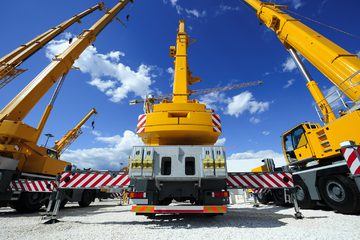
Look up in almost any major Australian city and you will see them—long steel arms cutting across the sky, moving with a patience that feels almost deliberate. In Sydney, Melbourne, and Brisbane, cranes have become so familiar that they risk fading into the background. Yet their presence is not incidental. It signals something deeper about how cities are growing, how construction is evolving, and how the economics of building have shifted.
What has changed in recent years is not simply the number of cranes, but the role they play. Crane hire—whether mobile crane hire, tower crane hire, or luffing crane hire—has moved from a logistical necessity to a central organizing principle in modern construction. It shapes timelines, influences design, and reflects the constraints and ambitions of Australia’s urban future.
Building Up, Not Out
Australia’s cities are no longer expanding in the same way they once did. As populations concentrate and land becomes more constrained, growth is increasingly vertical. High-rise residential towers, mixed-use developments, and commercial precincts are redefining city centres, and with them, the tools required to build.
This is where tower crane hire becomes essential. A tower crane is not simply a larger or taller version of other cranes; it is a machine designed for a specific kind of urban logic. It allows construction teams to lift heavy materials efficiently to great heights, all while occupying a relatively small footprint at ground level. In dense city environments, that efficiency is not optional—it is the difference between a feasible project and an impractical one.
But the importance of tower crane hire goes beyond lifting capacity. It has become embedded in the planning of developments themselves. Architects and engineers often design projects with a particular crane configuration in mind, considering how materials will be moved, where the crane will be positioned, and how long it will remain on site. In this way, the crane is not just serving the building; it is quietly shaping it.
The Versatility of Movement
While tower cranes dominate the skyline, much of Australia’s construction activity happens away from the city centre—in infrastructure corridors, industrial zones, and regional developments. Here, the demands are different, and so too are the solutions.
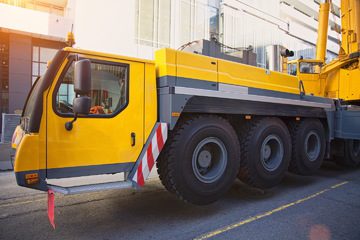
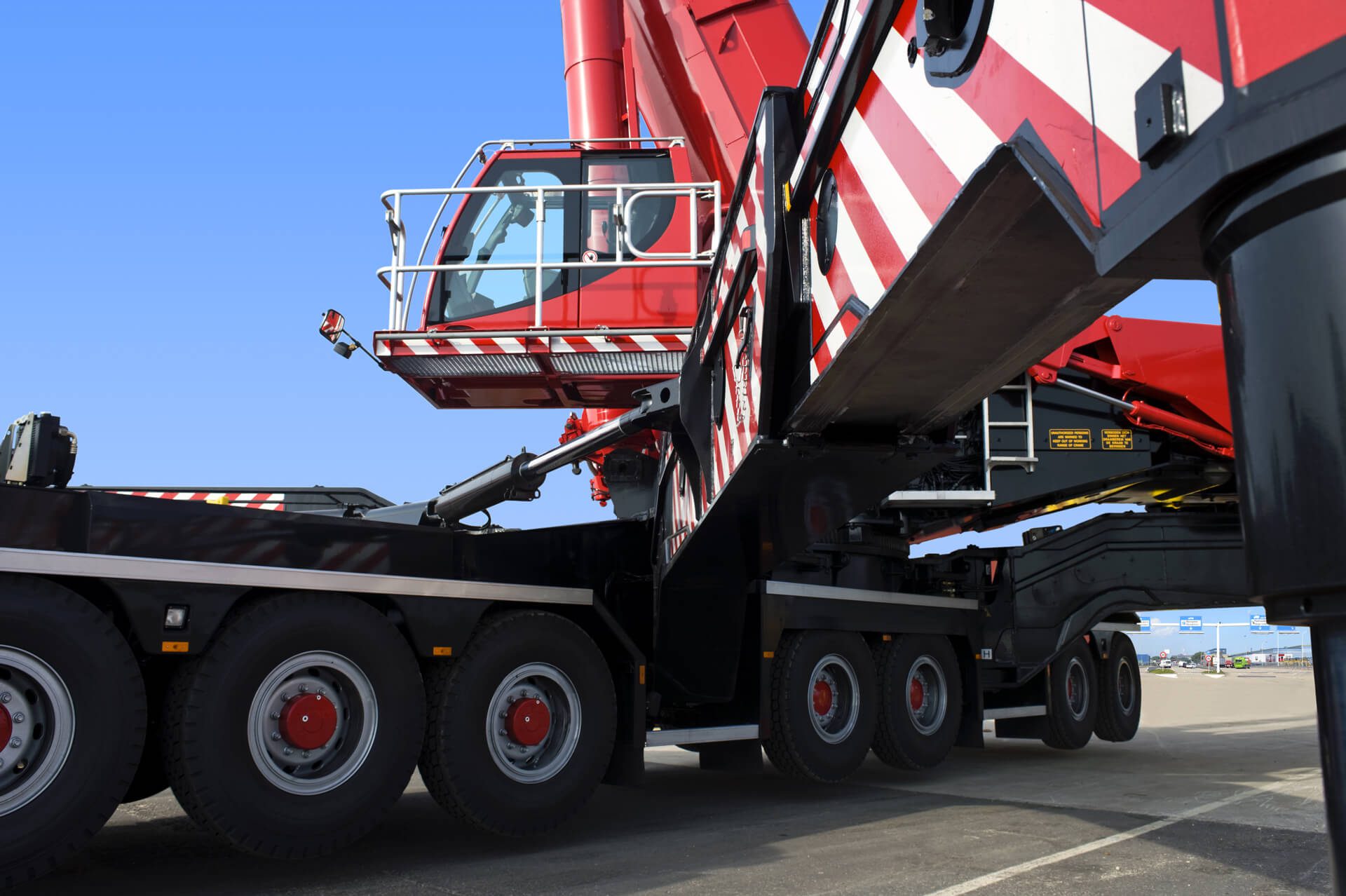
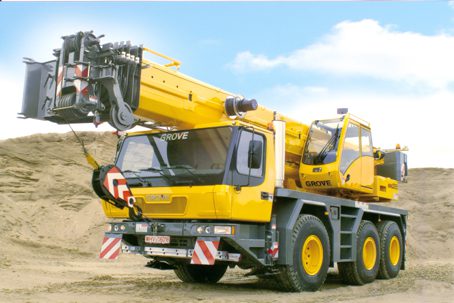
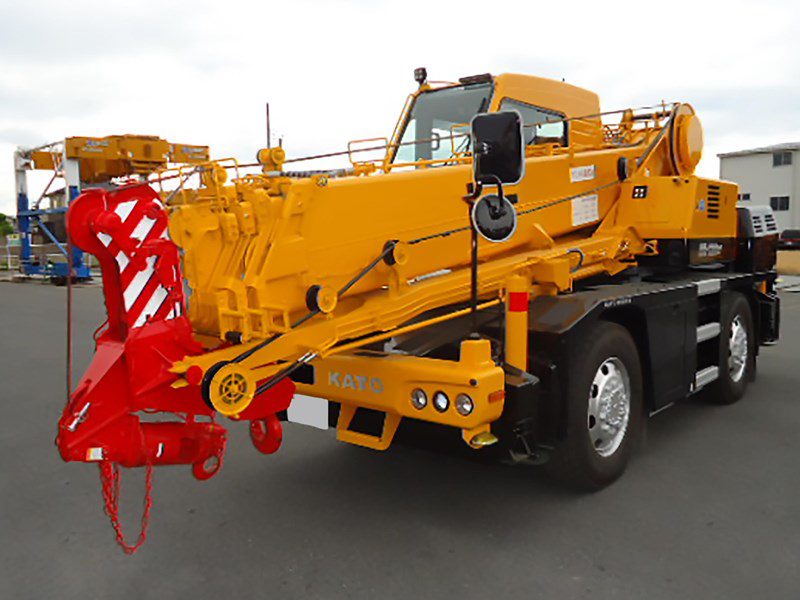
Mobile crane hire plays a crucial role in these environments. Unlike tower cranes, which are fixed in place for extended periods, mobile cranes can be transported between sites and deployed quickly. This flexibility makes them invaluable for projects that unfold over large areas or require frequent repositioning.
Consider the construction of highways, bridges, or renewable energy installations. These projects often involve heavy components that must be lifted into place under varying conditions. A mobile crane can adapt to these changes, moving where it is needed and adjusting to the specific demands of each task.
Even within urban settings, mobile cranes remain indispensable. They often handle the early stages of construction, before a tower crane is installed, and the final stages, after it has been removed. In this sense, they provide continuity, ensuring that the rhythm of construction is maintained from beginning to end.
Navigating the Tight Spaces of Modern Cities
As cities become denser, construction sites are increasingly constrained. Buildings rise close together, streets are narrower, and airspace is more tightly regulated. In these conditions, traditional approaches can fall short.
Luffing crane hire has emerged as a response to this challenge. A luffing crane differs from a standard tower crane in one key respect: its jib can be raised or lowered, allowing it to operate within a confined radius. This makes it particularly suited to tight urban environments, where space is limited and precision is paramount.
In areas where multiple cranes operate simultaneously, or where neighbouring buildings restrict movement, the ability to control the crane’s reach becomes critical. Luffing cranes allow construction to proceed without overextending into adjacent spaces, reducing both risk and disruption.
This adaptability reflects a broader shift in how cities are built. Development is no longer happening on open land but within existing urban fabric. Projects must coexist with surrounding structures, infrastructure, and communities. The tools used in construction—luffing cranes among them—are evolving to meet these demands.
Safety as a Dynamic Standard
With cranes playing such a central role in construction, safety has become an increasingly complex and dynamic concern. Australia has long maintained high standards in this area, guided by institutions such as Safe Work Australia. But as projects grow more intricate, those standards are continually being tested and refined.
Modern crane operations involve a web of considerations: load weights, wind conditions, ground stability, and the proximity of other structures. In dense urban environments, the margin for error is slim. A miscalculation can have consequences not only for workers on site but for people and property nearby.
Technology has become an important ally in managing these risks. Many cranes are now equipped with sensors and monitoring systems that provide real-time data on operating conditions. These systems can alert operators to potential hazards or even prevent certain movements if conditions fall outside safe parameters.
Yet technology does not replace human judgment. Instead, it complements it, creating a layered approach to safety. Operators must interpret data, respond to changing conditions, and make decisions that balance efficiency with caution. Training has evolved accordingly, emphasizing not just technical skill but situational awareness and adaptability.
The Economics of Access Over Ownership
Underlying these operational changes is a shift in how construction companies think about equipment. Owning cranes outright has always required significant capital, but in today’s environment, it can also limit flexibility.
Crane hire offers an alternative. By accessing equipment as needed, companies can tailor their resources to the specific demands of each project. This is particularly valuable in a market where project timelines can shift and economic conditions can change rapidly.
Mobile crane hire, tower crane hire, and luffing crane hire each provide different forms of flexibility, allowing companies to match the right equipment to the right task. But this approach also requires careful coordination. Scheduling, logistics, and availability become critical factors, and delays can ripple through entire projects.
As a result, crane hire providers have taken on a more integrated role. They are not simply suppliers but collaborators, working with construction teams to plan operations, manage risk, and optimize performance. Their expertise can influence decisions that extend far beyond the machinery itself.
Technology and the Changing Nature of Work
The integration of digital tools into construction has also reshaped the role of cranes. Building Information Modelling, for instance, allows project teams to simulate crane operations before construction begins, identifying potential conflicts and refining plans.
Remote monitoring systems provide ongoing insights into crane performance, enabling more efficient use of equipment and quicker responses to issues. Data collected from these systems can inform future projects, creating a cycle of continuous improvement.
For workers, these changes are redefining skill sets. Crane operators are increasingly expected to engage with digital systems, interpret data, and adapt to new technologies. Training programs have evolved to reflect this shift, blending traditional expertise with technological literacy.
There is also growing interest in automation, though it remains in its early stages. While some aspects of crane operation can be automated, the complexity of real-world construction sites means that human oversight is still essential. For now, technology enhances rather than replaces human capability.
Reading the Signals Above
Cranes are often seen as symbols of growth, but they are also indicators of constraint. Their presence reflects not only what is being built, but how it must be built—within limits of space, time, safety, and cost.
In Australia, the increasing reliance on tower crane hire signals a commitment to vertical development and efficient land use. The continued importance of mobile crane hire highlights the scale and diversity of infrastructure projects across the country. The rise of luffing crane hire points to the challenges of building in dense, established urban environments.
Together, these trends reveal a construction industry that is adapting to a changing landscape. It is becoming more flexible, more technologically integrated, and more responsive to the complexities of modern cities.
If you watch a crane closely, its movements begin to feel less mechanical and more deliberate, almost like a form of choreography. Each lift, each turn, each pause is part of a larger sequence—one that extends beyond the construction site to the city itself.
In that sense, crane hire is not just about machinery. It is about enabling a vision of urban life, one that balances growth with constraint, ambition with practicality. And as Australia’s cities continue to evolve, those quiet, persistent movements above the skyline will remain an essential part of the story.