There is a particular moment, just before dawn, when construction sites feel suspended between intention and action. Steel frames stand incomplete, concrete shells await their next layer, and above it all, cranes rest like poised instruments. By mid-morning, they are in motion again—lifting, pivoting, placing—performing a choreography that has become essential to how Australia builds its cities.
It is easy to see cranes as background machinery, tools that do the heavy lifting and little else. But that view misses something more fundamental. In contemporary Australia, crane hire has evolved into a critical mechanism that shapes not just how buildings rise, but how entire urban environments are planned, paced, and delivered. The choices between mobile crane hire, tower crane hire, and luffing crane hire are no longer purely operational decisions; they are reflections of broader economic, spatial, and regulatory realities.
Building a City in Motion
To understand this shift, it helps to start not with the cranes themselves, but with the conditions they operate in. Australia’s cities are growing, but not in the expansive way they once did. Land is finite, infrastructure is under pressure, and the demand for housing and connectivity continues to rise. Growth, in other words, is increasingly concentrated.
Western Sydney offers a telling example. Long associated with suburban expansion, it is now a focal point for infrastructure investment, from transport corridors to logistics hubs and mixed-use developments. In such a landscape, the phrase “mobile crane hire western Sydney” begins to carry more weight than it might suggest at first glance. It points to a mode of construction that must remain adaptable—capable of responding to projects that stretch across large, often fragmented areas.
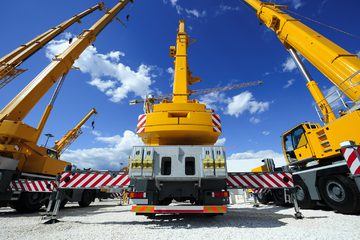
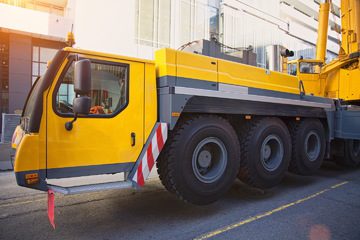
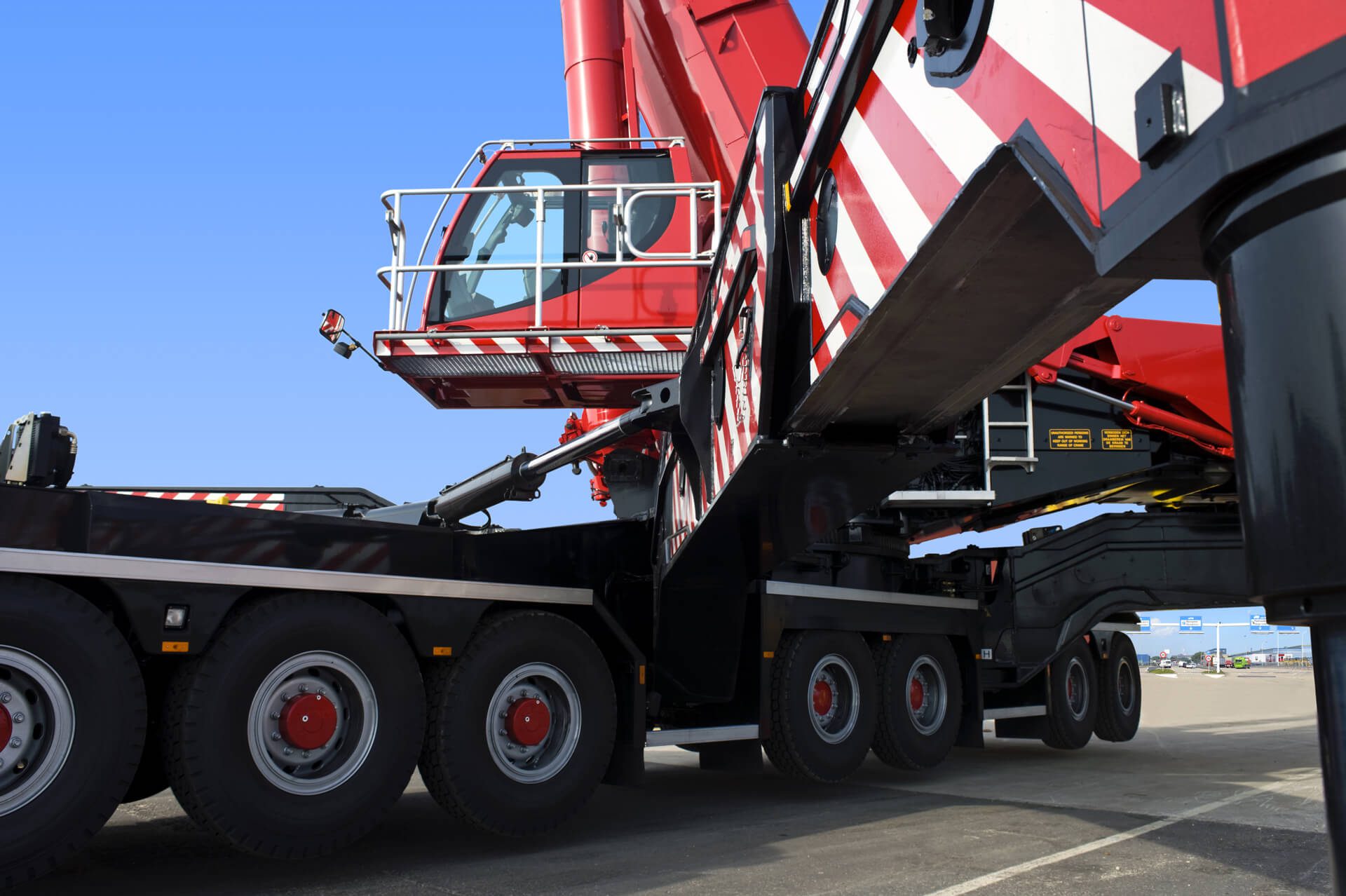
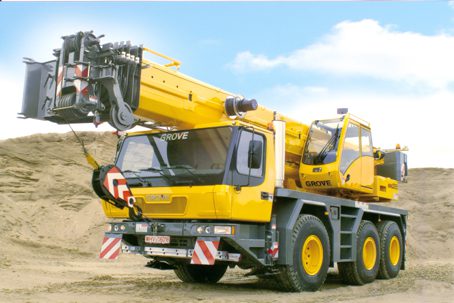
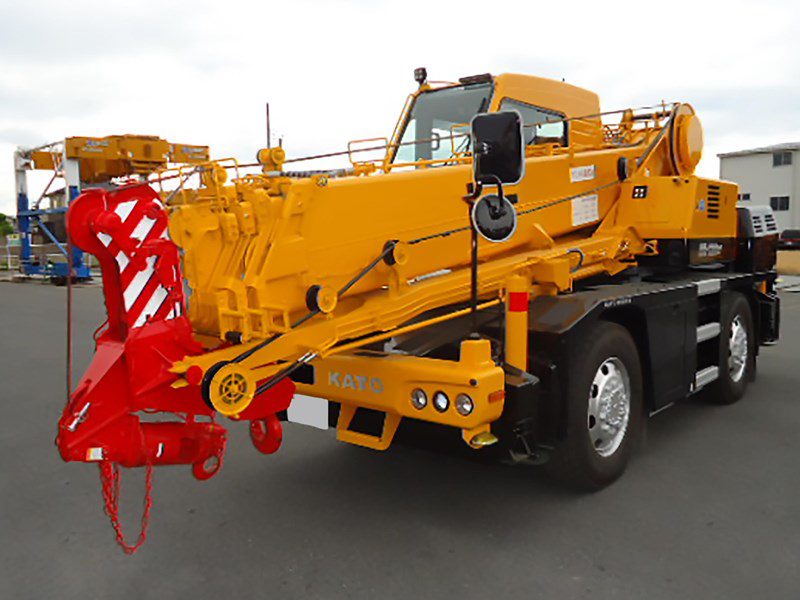
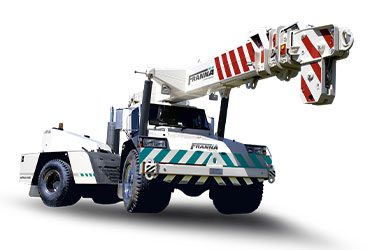
Mobile cranes are, in many ways, the most versatile actors on these sites. Mounted on vehicles, they can move between locations with relative ease, making them well suited to infrastructure projects that unfold in stages or across shifting work zones. Road upgrades, rail expansions, and utility installations rarely offer the neat boundaries of a single site. They demand equipment that can follow the work as it progresses.
This mobility has practical consequences. It reduces the need for multiple setups, shortens project timelines, and allows construction to proceed with fewer interruptions. In a region where development must often coexist with existing communities and active transport networks, that flexibility becomes part of a broader social equation. The faster and more efficiently a project moves, the less it disrupts the rhythms of daily life.
The Vertical Turn
If mobile cranes reflect the spread of infrastructure, tower cranes reflect the compression of urban space. Across Australia’s major cities, the skyline has become a site of intense activity. Residential towers, commercial complexes, and mixed-use developments are rising in response to both population growth and changing patterns of land use.
Tower crane hire sits at the center of this vertical expansion. Unlike mobile cranes, tower cranes are fixed installations, anchored to the ground or integrated into the structure they are helping to build. Their strength lies in their ability to lift heavy loads to significant heights with precision and consistency over long periods.
On a high-rise construction site, the tower crane is not just a piece of equipment; it is an organizing principle. Materials arrive, are lifted, and are distributed according to a carefully planned sequence. The crane dictates the rhythm of the build, coordinating trades and ensuring that each stage follows logically from the last. In this sense, it becomes a kind of central nervous system for the project.
But as buildings rise closer together, even tower cranes encounter limitations. The horizontal reach that makes them effective can also become a constraint in dense urban environments, where space is limited and the risk of encroaching on neighboring properties is a constant concern.
Working Within Constraints
This is where luffing crane hire has found its niche. Luffing cranes are designed with a different kind of movement in mind. Instead of a fixed horizontal jib, they can raise and lower their arm, allowing them to operate within tighter radii. This makes them particularly valuable on constrained sites, where traditional tower cranes might struggle.
In dense parts of cities like Sydney or Melbourne, construction often takes place on narrow plots surrounded by existing buildings. The margin for error is small, and the need to avoid oversailing adjacent properties is not just a technical issue but a legal and regulatory one. Luffing cranes address this challenge by offering greater control over where and how loads are moved.
Their growing presence reflects a broader trend: the increasing complexity of urban construction. As cities become denser, the space available for building shrinks, even as the demand for new structures grows. The equipment used must adapt accordingly, becoming more precise, more controlled, and more responsive to its surroundings.
Decisions That Shape Outcomes
What emerges from this landscape is a more strategic approach to crane hire. The choice between mobile, tower, and luffing cranes is not made in isolation. It is influenced by site conditions, project scale, regulatory requirements, and even the surrounding urban fabric.
A large infrastructure project might rely heavily on mobile crane hire for its flexibility, while a high-rise development depends on tower crane hire for sustained vertical lifting. In a tightly constrained urban site, luffing crane hire may be the only viable option. Each decision carries implications for scheduling, cost, and risk management.
These choices also feed back into the design process. Architects and engineers must consider how a building will be constructed as much as how it will look or function. The logistics of crane operations—where they will be positioned, how they will move, what they can lift—become part of the planning from an early stage.
Safety in a High-Stakes Environment
As the role of cranes has expanded, so too have expectations around their safe operation. Australia has developed a robust regulatory framework governing construction activities, with a strong emphasis on risk assessment, operator training, and site-specific planning.
This framework has evolved over time, shaped by both technological change and hard-learned lessons. Crane operations involve inherent risks: heavy loads, complex movements, and often unpredictable environmental conditions. Managing these risks requires a combination of regulation, expertise, and increasingly, technology.
Modern cranes are equipped with advanced monitoring systems that track load weights, wind conditions, and operational limits in real time. These systems provide operators with critical information, helping to prevent overloads or unsafe movements. At the same time, digital tools allow site managers to plan lifts with greater precision, reducing uncertainty before work even begins.
Training has also become more sophisticated. Operators are expected to understand not just the mechanics of the crane, but the data it generates and the systems that support it. This shift reflects a broader trend in construction, where traditional skills are being augmented by technological literacy.
Innovation and Its Discontents
Technology is reshaping crane hire in other ways as well. Telematics systems enable remote monitoring of equipment, allowing companies to track usage, predict maintenance needs, and optimize deployment. Automation, while still limited, is beginning to appear in the form of assisted controls and collision avoidance systems.
These innovations promise greater efficiency and safety, but they also introduce new challenges. The integration of digital systems requires investment, training, and ongoing adaptation. Smaller operators may find it difficult to keep pace, raising questions about how the industry will evolve over time.
Environmental concerns add another layer of complexity. As Australia grapples with the need to reduce emissions, the construction sector faces increasing scrutiny. Crane manufacturers and hire companies are beginning to explore more sustainable options, including hybrid and electric models. While these technologies are still emerging, they signal a shift toward a more environmentally conscious approach to construction.
The Unseen Architecture of Progress
Cranes rarely feature in architectural renderings or urban planning debates, yet their influence is everywhere. They determine how quickly a project can be completed, how safely it can be executed, and, in some cases, whether it is feasible at all.
In Australia’s rapidly evolving cities, crane hire has become an essential, if often overlooked, component of urban development. It sits at the intersection of engineering, logistics, and regulation, translating abstract plans into physical structures.
To watch a crane in operation is to witness a kind of quiet precision. There is no spectacle in its movements, no flourish. Yet in those measured rotations and carefully controlled lifts lies the process by which cities are made and remade.
As Australia continues to grow—upward, outward, and inward—the role of crane hire will only become more significant. It is not just about lifting materials into place. It is about enabling a form of construction that can keep pace with the demands of modern urban life, balancing ambition with constraint, and innovation with responsibility.
In the end, the cranes that dot the skyline are more than tools. They are indicators of a city in transition, markers of change that, piece by piece, are shaping the built environment of the future.