There is a moment, if you spend enough time watching a construction site, when the rhythm reveals itself. Steel rises, concrete settles, workers move with quiet coordination—and above it all, a crane pivots with deliberate calm. It is easy to see the structure taking shape and miss the system enabling it. Yet in modern Australia, that system increasingly depends on a sophisticated, evolving approach to crane hire.
What was once a largely transactional service—renting equipment to lift heavy materials—has become something more integral. In cities grappling with density, infrastructure demand, and environmental constraints, crane hire now shapes not just how buildings are constructed, but whether they can be built at all.
Cities Growing Upward, Not Outward
Australia’s major urban centers are confronting a familiar dilemma: how to accommodate growth without expanding endlessly outward. In cities like Sydney, geography and policy have combined to limit sprawl, pushing development into vertical space and underutilized urban pockets.
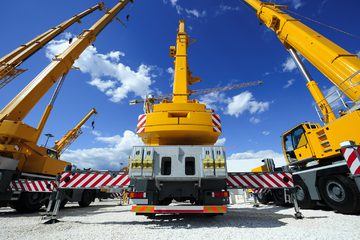
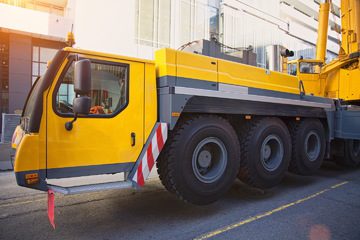
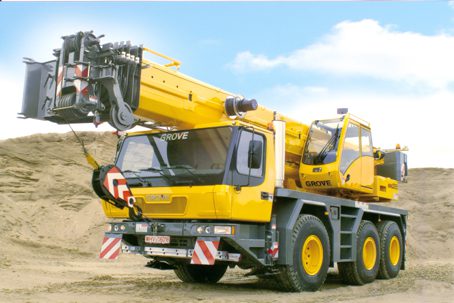
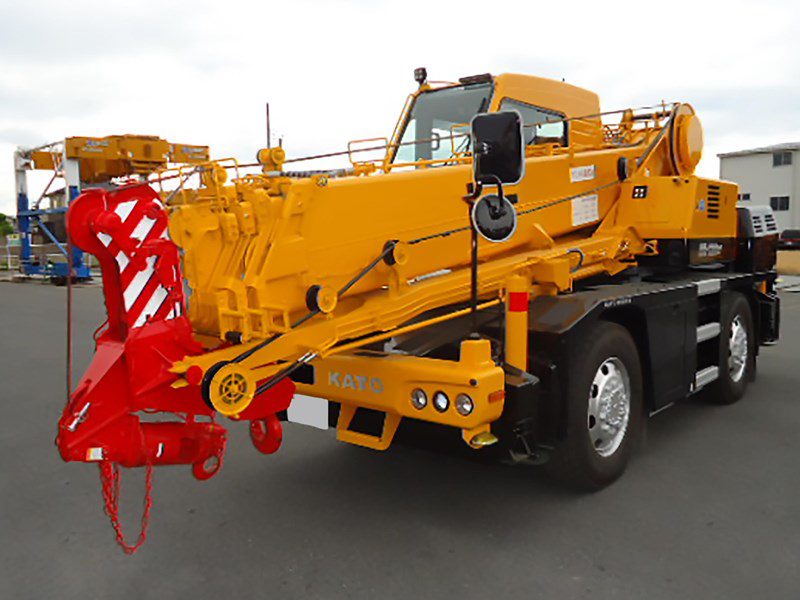
This is where mobile crane hire sydney begins to take on a broader meaning. It is not simply about convenience or cost; it is about adaptability within a constrained environment. Mobile cranes, capable of being transported and set up with relative speed, allow construction teams to respond to the fragmented, often unpredictable nature of urban sites.
A redevelopment project tucked between existing buildings, a transport upgrade requiring intermittent lifting across multiple locations, a commercial build operating under tight scheduling pressures—all of these scenarios benefit from the flexibility that mobile crane hire provides. In this sense, these machines act as connectors, linking disparate phases of construction into a coherent whole.
They also reflect a shift in how projects are managed. Rather than relying on fixed, long-term installations alone, developers are increasingly incorporating mobile solutions that can adjust as conditions change. This mirrors the broader dynamics of city growth itself: fluid, responsive, and rarely linear.
The Anchors of the Skyline
While mobile cranes offer flexibility, tower crane hire represents a different kind of commitment. These are the machines that define the skyline during periods of intense construction, their silhouettes becoming temporary landmarks in their own right.
Tower cranes are typically installed for the life of a project, and their presence signals scale and ambition. They are designed to lift heavy materials to significant heights with precision, making them indispensable for high-rise developments that have become a hallmark of Australia’s urban evolution.
Yet their importance goes beyond raw capability. The placement and configuration of a tower crane can influence the entire workflow of a site. Materials must be delivered, staged, and lifted in ways that align with the crane’s reach. Timing becomes critical, as multiple trades depend on its availability.
In effect, tower cranes impose a kind of order on complex projects. They create a central axis around which activity is organized, ensuring that the vertical expansion of a building proceeds with consistency. Without them, the rapid proliferation of high-density housing and commercial towers would be far more difficult to sustain.
Building in Tight Spaces
As urban environments become more crowded, the challenges of construction shift from scale to precision. In densely built areas, where buildings stand close together and airspace is limited, traditional crane configurations can become impractical.
This is where luffing crane hire has gained prominence. Unlike conventional tower cranes, which operate with fixed horizontal jibs, luffing cranes can adjust the angle of their arms. This allows them to work within confined spaces, reducing the risk of encroaching on neighboring properties or infrastructure.
The growing use of luffing cranes highlights a subtle but important change in construction priorities. It is no longer enough to build efficiently; projects must also minimize disruption and navigate a web of regulatory and community expectations.
In cities like Sydney and Melbourne, where construction often occurs alongside occupied buildings and active streets, this capability is invaluable. It enables developers to pursue ambitious projects without overstepping the physical and social boundaries of their surroundings.
Infrastructure and the National Scale
Beyond the urban core, crane hire plays a crucial role in Australia’s broader infrastructure ambitions. From transport networks to energy projects, the need for reliable lifting solutions extends across vast and varied landscapes.
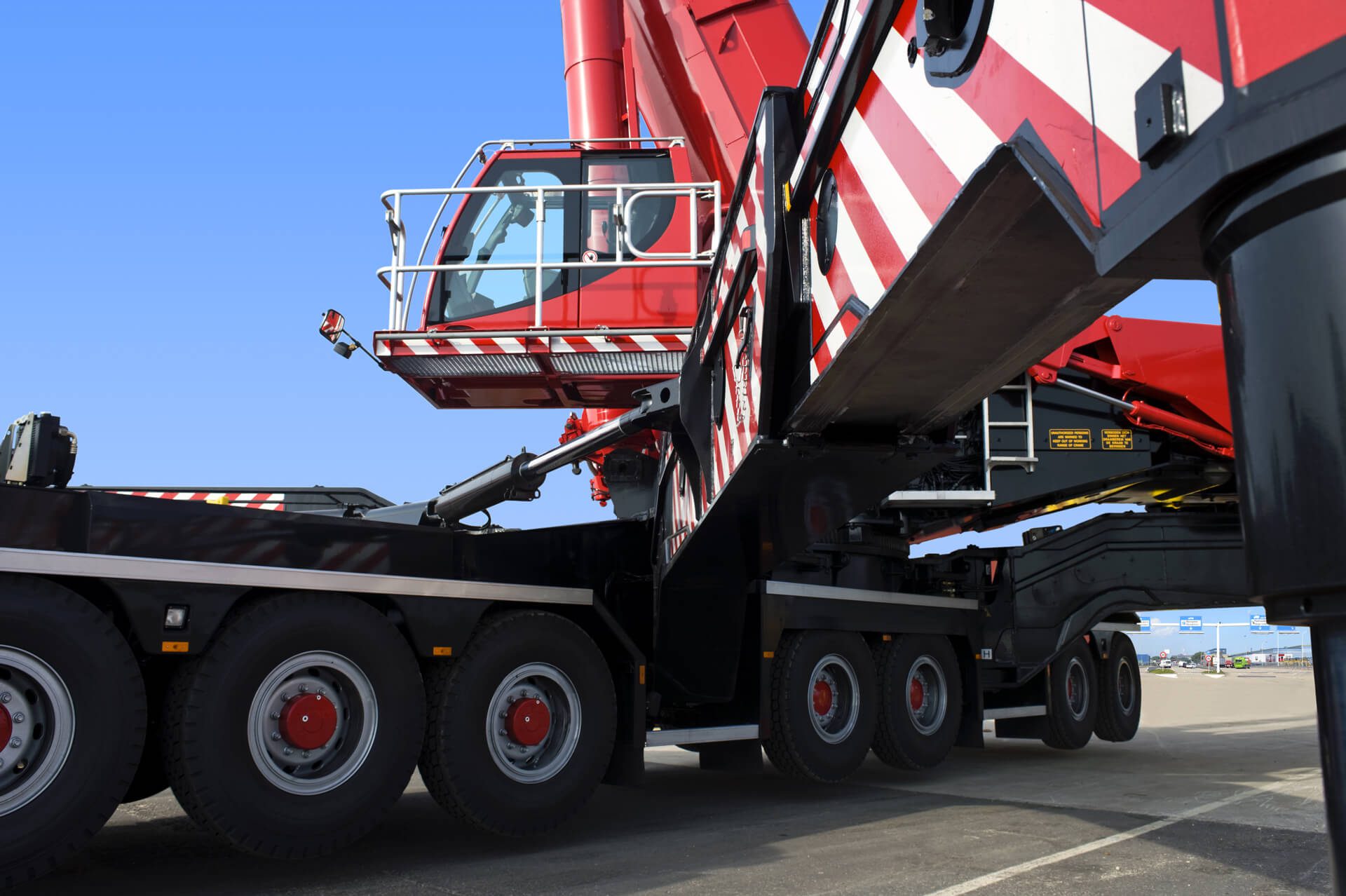
In these contexts, mobile crane hire once again proves its versatility. Large mobile cranes can handle substantial loads, making them suitable for tasks such as bridge construction, rail upgrades, and the installation of renewable energy components. Their ability to move between sites and adapt to different phases of a project makes them particularly effective in environments where flexibility is essential.
At the same time, infrastructure projects often require a combination of crane types, each contributing to a specific aspect of the build. Tower cranes may be used for sustained lifting in fixed locations, while mobile cranes handle tasks that require mobility and speed. Luffing cranes may be deployed in constrained sections of a project, where space limitations demand greater precision.
This interplay underscores how crane hire has evolved into a strategic discipline. Choosing the right equipment is no longer a secondary consideration; it is a fundamental part of project planning, influencing timelines, costs, and outcomes.
Safety, Regulation, and Responsibility
With this increased complexity comes a heightened focus on safety. Australia’s construction industry operates under strict regulatory frameworks, reflecting both the risks associated with heavy machinery and the expectations of a safety-conscious society.
Over time, these standards have become more comprehensive, encompassing everything from operator training to equipment maintenance and site management. Compliance is not optional, and the consequences of failure can be severe.
For crane hire providers, this has meant taking on a more active role in ensuring safe operations. It is no longer sufficient to supply equipment; companies are expected to provide expertise, support, and oversight. They must work closely with contractors to assess site conditions, identify potential hazards, and implement appropriate controls.
Technology has played a significant role in this evolution. Modern cranes are equipped with sensors and monitoring systems that provide real-time data on load weights, wind conditions, and operational performance. These tools help operators make informed decisions, reducing the likelihood of accidents and improving overall efficiency.
Innovation on the Worksite
The integration of digital technology into construction is reshaping how cranes are used. Data analytics, remote monitoring, and automation are gradually becoming part of everyday operations, offering new ways to enhance productivity and safety.
Remote-controlled cranes, for example, allow operators to manage lifts from safer vantage points, reducing exposure to hazardous conditions. Predictive maintenance systems can identify potential issues before they lead to equipment failure, minimizing downtime and extending the lifespan of machinery.
These innovations are part of a broader transformation toward smarter construction sites, where information flows seamlessly between different components of a project. In this environment, cranes are not isolated tools but integral elements of a connected system.
Pressures and the Path Forward
Despite its importance, the crane hire industry faces a range of challenges. Labor shortages have made it more difficult to find skilled operators, while rising costs—driven by fuel, maintenance, and compliance requirements—have placed pressure on both providers and contractors.
Environmental concerns are also becoming more prominent. As Australia seeks to reduce emissions and promote sustainability, the construction sector is under increasing scrutiny. This has led to growing interest in electric and hybrid cranes, which offer the potential to reduce environmental impact while maintaining performance.
At the same time, public expectations are evolving. Communities are more aware of the disruptions caused by construction and are demanding greater accountability. This has implications for how cranes are used, from operating hours to noise management and visual impact.
The Invisible Framework of Modern Cities
Cranes are, by their nature, temporary. They arrive, perform their function, and disappear. But their influence is anything but fleeting. They shape the pace and possibility of construction, enabling projects that define the character of modern cities.
In Australia, the evolving role of crane hire reflects a broader shift in how urban development is conceived and executed. Mobile crane hire supports the flexibility needed in dynamic environments. tower crane hire underpins the rise of high-density developments. Luffing crane hire allows construction to proceed within the tight constraints of contemporary urban life.
Together, they form an invisible framework that supports the visible transformation of the built environment. To understand how cities are changing, it is worth looking not just at what is being built, but at the systems that make it possible. In that story, crane hire occupies a central, if often overlooked, place—quietly lifting the ambitions of a nation into reality.