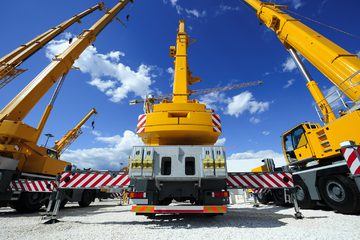
Look closely at the skyline of any growing Australian city and you begin to notice a pattern. Not just the towers rising or the glass catching light, but the choreography behind it all—the cranes, poised and patient, marking time as much as progress. They are so constant a presence that it’s easy to overlook what they represent. Yet without them—and more specifically, without the evolving system of crane hire that supports them—much of modern urban development would simply stall.
To understand how Australian cities are being reshaped, it helps to step back from the finished buildings and examine the machinery that makes them possible. Crane hire, in its various forms, has become less about lifting materials and more about enabling an entire mode of construction that responds to density, regulation, and the pressures of a rapidly urbanizing population.
From Equipment to Ecosystem
There was a time when construction companies owned most of their heavy machinery outright. That model, while still present, has gradually given way to a more flexible approach. Today, mobile crane hire, tower crane hire, and luffing crane hire are not just services—they are part of a broader ecosystem that allows builders to adapt quickly to different project demands.
This shift reflects a deeper economic logic. Construction in Australia is no longer uniform. A mining project in Western Australia, a transport upgrade in regional Queensland, and a high-rise development in Sydney’s CBD each present entirely different logistical challenges. Owning a fixed fleet of cranes is less practical in such a varied landscape. Hiring, by contrast, allows contractors to select highly specialized equipment tailored to each project’s needs.
But flexibility is only part of the story. The rise of crane hire also signals a move toward efficiency, where time, space, and safety are tightly interwoven constraints rather than separate considerations.
The Geography of Lifting
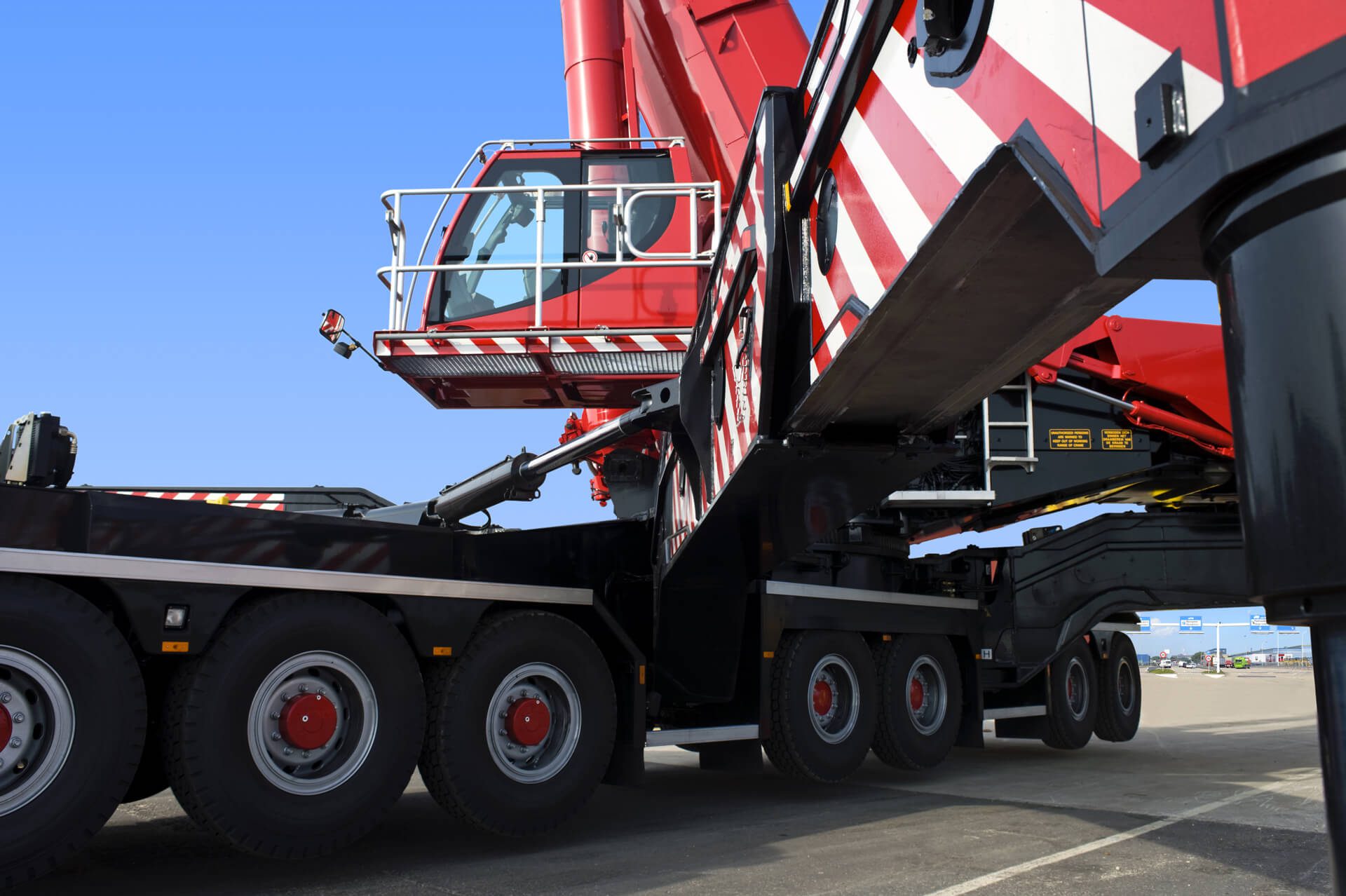
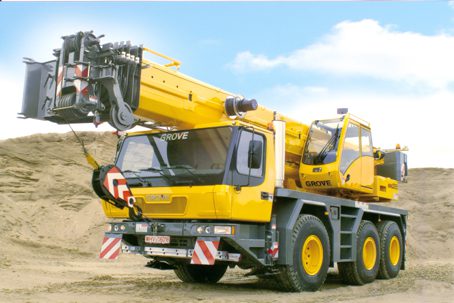
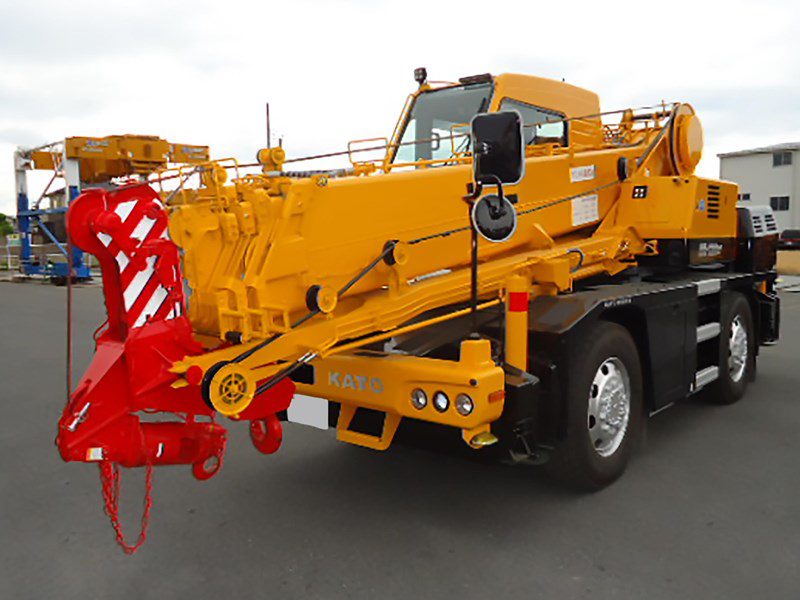
Australia’s physical and urban geography plays a decisive role in how cranes are used. On large infrastructure projects—highways stretching across states, rail corridors cutting through varied terrain—mobile crane hire is often the backbone of operations. These cranes, mounted on wheeled carriers, are designed to move. They can travel long distances, set up quickly, and handle a range of lifting tasks without requiring permanent installation.
Their importance becomes even clearer when considering the scale of Australia itself. Projects frequently unfold across vast, sometimes remote areas where adaptability is essential. A mobile crane that can be repositioned with relative ease is not just efficient; it is indispensable.
In contrast, urban construction—particularly in cities like Sydney and Melbourne—demands a different approach. Here, the challenge is not distance but constraint. Space is limited, land values are high, and developments are increasingly vertical. This is where tower crane hire comes into its own.
Tower cranes are, in many ways, the defining feature of modern skylines. Anchored to the ground or integrated into the structure they are helping to build, they rise in tandem with the building itself. Their ability to lift heavy loads to significant heights makes them essential for high-rise construction. Yet their presence also requires careful coordination. Installing a tower crane in a dense urban area involves navigating road closures, airspace considerations, and the proximity of neighboring buildings.
Then there are projects where even the reach of a standard tower crane becomes a limitation. In tightly packed inner-city environments, where buildings sit close together and regulations restrict how far a crane can swing, luffing crane hire offers a solution. With a jib that can be raised and lowered, luffing cranes operate within a smaller footprint, reducing the risk of encroaching on adjacent properties.
Each of these crane types reflects a response to a specific set of conditions. Together, they form a kind of mechanical vocabulary through which construction adapts to its surroundings.
Sydney and the Rise of Hybrid Solutions
Nowhere is this interplay more visible than in Sydney. The city’s growth is shaped by competing pressures: a rising population, limited available land, and stringent planning regulations. In such an environment, construction becomes an exercise in precision.
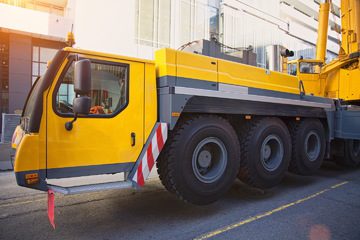
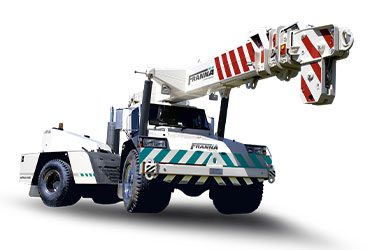
This is where all terrain crane hire Sydney services find their relevance. These cranes occupy a middle ground between the mobility of smaller cranes and the lifting capacity of larger, fixed machines. Designed to travel on public roads while still handling substantial loads, they are particularly suited to projects that fall between large-scale infrastructure and high-rise development.
Consider a mid-rise commercial project or a complex urban retrofit. The site may not justify the installation of a tower crane, yet it still requires heavy lifting in a confined area. An all-terrain crane can navigate city streets, set up within limited space, and complete lifts that would otherwise be difficult to manage.
What makes these cranes significant is not just their versatility, but what they represent: a shift toward hybrid solutions that blur the boundaries between traditional categories. As cities become more complex, the tools used to build them are evolving in kind.
Safety in a Denser World
As cranes become more integral to urban construction, the expectations surrounding their operation have grown more stringent. Australia’s regulatory environment, shaped by frameworks such as those developed by Safe Work Australia, sets a high bar for safety standards. But regulation alone does not capture the full picture.
In dense urban environments, safety is not static. It is a constantly shifting equation that takes into account weather conditions, site constraints, human factors, and the interaction between multiple moving elements. A crane operating in isolation presents one set of risks; a crane operating above a busy street, alongside other cranes, introduces a far more complex scenario.
Technological advancements are playing a crucial role in addressing these challenges. Modern cranes are equipped with load sensors, anti-collision systems, and real-time monitoring tools that provide operators with immediate feedback. These systems do not eliminate risk, but they help manage it in more precise ways.
At the same time, the human element remains central. Skilled operators, rigorous training, and clear communication between teams are essential components of safe crane operations. In this sense, safety is less about compliance with rules and more about the integration of technology, expertise, and situational awareness.
The Influence of Technology
Beyond safety, technology is reshaping how crane hire functions on a day-to-day level. Digital planning tools allow construction teams to simulate crane placement and movement before work begins. These simulations can identify potential conflicts—between cranes, buildings, or surrounding infrastructure—well in advance.
Remote monitoring is also changing the relationship between equipment and operator. Fleet managers can track performance, anticipate maintenance needs, and respond to issues in real time. For companies providing mobile crane hire, this translates into greater reliability and more efficient use of resources.
There is also a growing interest in automation. While fully autonomous cranes remain largely experimental, semi-automated systems are beginning to appear. These systems can assist with repetitive tasks or enhance precision in complex lifts. Their adoption raises important questions about the future of work in the industry, particularly in a country where skilled labor is already in high demand.
Building Within Limits
Underlying all these developments is a simple reality: Australian cities are running out of space. As outward expansion becomes more constrained, the focus shifts inward and upward. This intensifies the demands placed on construction, requiring projects to be completed within tighter physical and regulatory limits.
Crane hire is central to meeting these demands. Without tower crane hire, the vertical expansion of cities would be significantly more difficult. Without luffing crane hire, many inner-city developments would face insurmountable logistical barriers. Without mobile crane hire, the infrastructure that supports urban life—roads, bridges, utilities—would be far harder to deliver.
In this context, cranes are not just tools; they are enablers of a particular kind of urban future. They make it possible to build higher, closer, and more efficiently, shaping the physical form of cities in the process.
A Subtle but Defining Presence
For all their visibility, cranes remain a largely invisible part of the public conversation about urban development. Attention tends to focus on the finished structures, the architectural statements, or the economic implications of growth. The machinery that makes these outcomes possible is often treated as background.
Yet the evolution of crane hire tells a more nuanced story. It reflects how construction has adapted to changing conditions—economic, spatial, and technological. It reveals an industry that is becoming more specialized, more flexible, and more integrated into the broader dynamics of urban life.
As Australia continues to grapple with population growth and the need for sustainable development, the role of crane hire is likely to expand further. Not in a way that draws headlines, but in a manner that steadily shapes the possibilities of what can be built, and where.
The next time you look at a skyline punctuated by cranes, it may be worth considering not just the buildings they are helping to create, but the system that allows them to be there at all. In their quiet, methodical movements lies a story of adaptation—one that is, in many ways, defining the future of Australian cities.