Australia’s urban landscape has transformed dramatically over the past two decades. From expanding transport corridors to soaring residential towers and sprawling renewable energy projects, the country’s infrastructure ambitions have reshaped skylines from Sydney to Perth. Yet behind the glass façades and new rail lines lies a less visible but indispensable element of construction: cranes.
While cranes themselves are not new, the modern construction economy increasingly relies on specialized hire services rather than permanent ownership. The growing use of mobile crane hire, tower crane hire, and luffing crane hire reflects how Australia’s construction sector has adapted to complex urban development, fluctuating project timelines, and evolving safety regulations.
For contractors and developers navigating dense city centers and large-scale infrastructure projects, access to the right lifting equipment at the right time has become a strategic necessity.
The Strategic Role of Mobile Crane Hire in Modern Construction
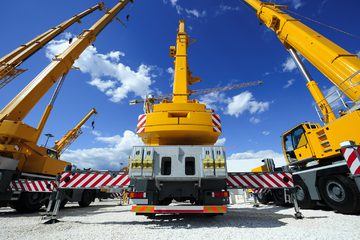
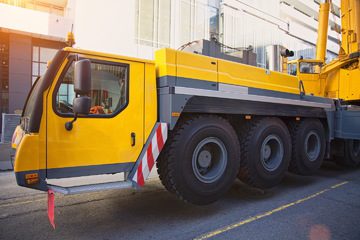
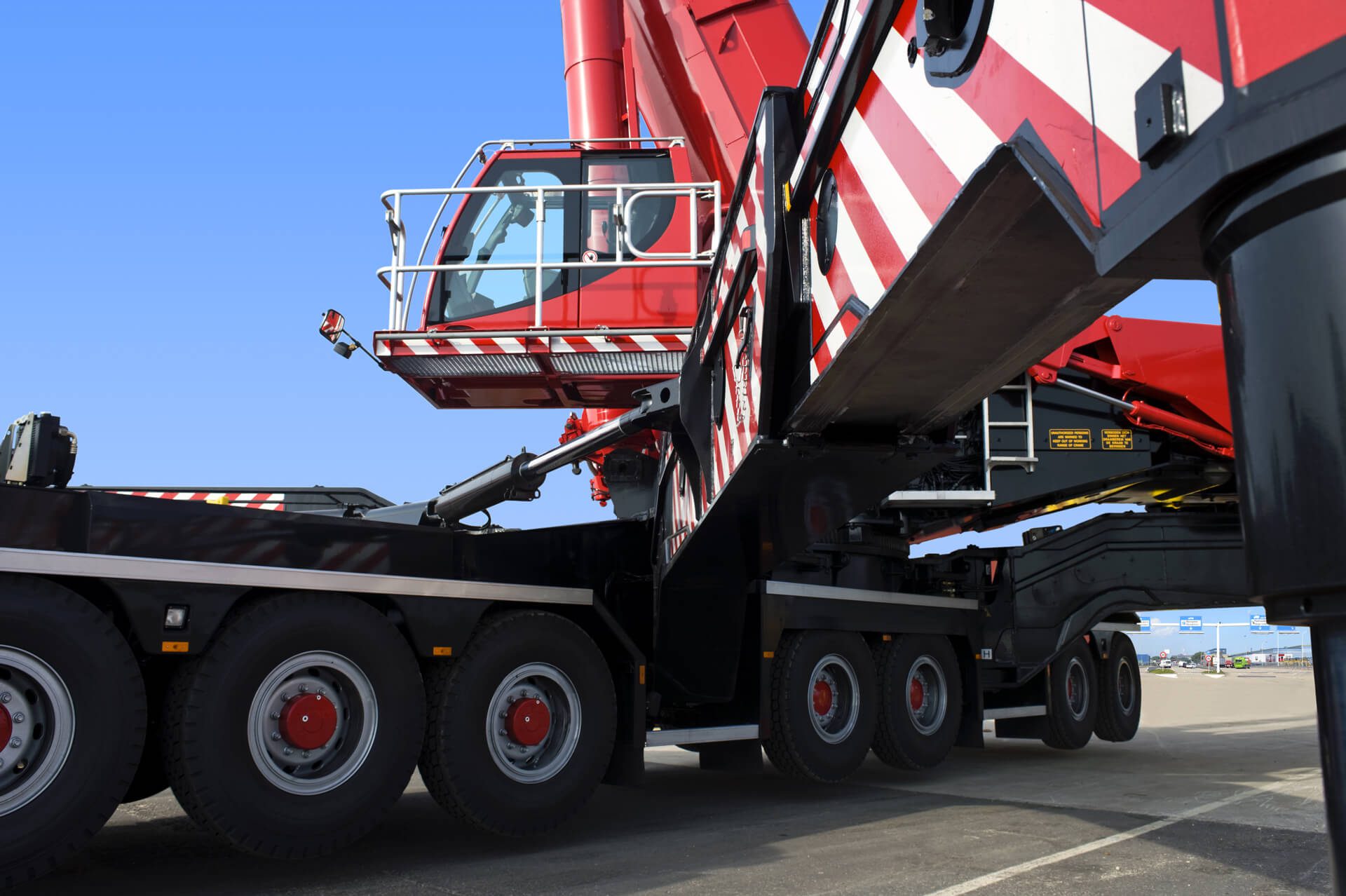
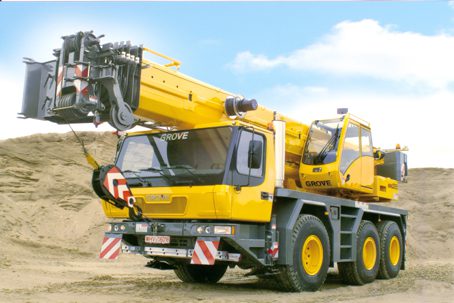
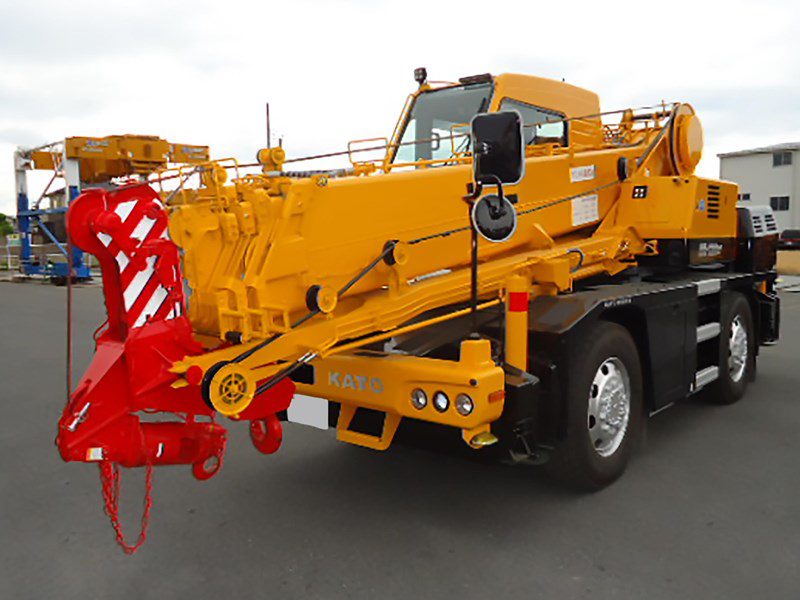
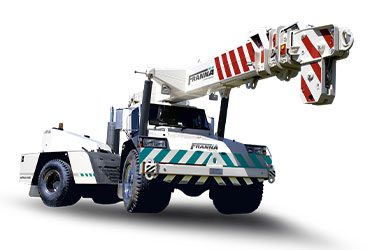
Among the various lifting solutions used across the country, mobile cranes remain one of the most versatile tools in Australian construction. Mounted on trucks or specialized carriers, these cranes can be transported directly to job sites and deployed quickly, making mobile crane hire particularly valuable for projects that require flexibility and rapid setup.
Infrastructure construction frequently relies on mobile cranes for tasks ranging from bridge component placement to utility installation and roadworks. Their mobility allows contractors to move equipment between multiple sites without extensive disassembly, reducing downtime and logistical complexity.
In Australia, where infrastructure projects often span vast geographic areas, this adaptability is especially significant. Regional road upgrades, wind farm construction, and rail expansions frequently occur in remote locations where fixed lifting solutions are impractical.
Urban construction also benefits from mobile cranes. Short-term lifting operations—such as installing prefabricated structural elements, positioning mechanical equipment, or supporting façade installation—often rely on temporary lifting capacity rather than long-term tower crane installations.
Industry analysts note that the popularity of crane hire services reflects the cyclical nature of construction. Contractors can scale equipment needs according to project demands without carrying the long-term costs associated with ownership, maintenance, and operator training.
Tower Cranes and the Rise of Australia’s High-Density Cities
While mobile cranes provide flexibility, high-rise construction across Australia’s largest cities increasingly depends on tower crane hire.
Tower cranes are designed for vertical construction. Anchored to a building’s core or mounted on a foundation base, they can lift heavy materials to considerable heights while maintaining stability. As residential towers and mixed-use developments grow taller, these cranes have become defining features of urban skylines.
Cities such as Sydney and Melbourne regularly rank among the most crane-dense urban areas in the world during peak development cycles. Tower cranes enable the steady flow of materials—steel reinforcement, concrete formwork, façade panels, and mechanical equipment—required to construct high-rise structures efficiently.
Unlike mobile cranes, tower cranes remain fixed for the duration of a project. Their reach and lifting capacity allow contractors to service large portions of a construction site simultaneously. For large residential towers or commercial developments, tower crane hire often becomes central to the project’s logistical planning.
The planning process can be complex. Engineers must calculate lifting loads, wind exposure, structural anchoring points, and the sequencing of construction stages. In dense urban districts, tower crane positioning must also account for surrounding buildings, airspace restrictions, and safety zones.
The result is a carefully choreographed system in which cranes function almost like vertical supply chains, moving materials from ground level to workers hundreds of meters above.
Luffing Cranes and the Challenges of Dense Urban Environments
As Australian cities become more crowded, the space available for construction equipment has diminished. In response, developers increasingly rely on luffing crane hire for projects located in tightly constrained urban areas.
Luffing cranes differ from conventional tower cranes in one key respect: their jib can move vertically rather than rotating horizontally across a wide arc. This “luffing” motion allows operators to raise or lower the jib angle, limiting the crane’s swing radius.
In dense urban neighborhoods where construction sites are surrounded by existing buildings, this feature can significantly reduce the risk of crane components passing over adjacent properties.
Such precision has made luffing cranes common on inner-city developments, particularly in high-rise construction zones where multiple cranes operate in close proximity. Contractors can coordinate crane movements while minimizing interference with nearby structures or airspace.
The growing use of luffing cranes reflects broader urban planning trends in Australia. As land values rise and available space shrinks, construction increasingly takes place on narrow or irregularly shaped sites. Equipment capable of operating within tight boundaries has therefore become essential.
Safety Standards and Regulatory Oversight
Cranes are among the most powerful—and potentially hazardous—machines on construction sites. In Australia, strict safety standards govern their design, operation, and maintenance.
Regulatory oversight primarily falls under the authority of Safe Work Australia, which establishes national workplace safety frameworks, while individual states enforce their own regulations through agencies such as SafeWork NSW and WorkSafe Victoria.
These agencies require licensed operators, routine equipment inspections, and detailed lifting plans for complex operations. Contractors must also conduct risk assessments addressing factors such as load stability, weather conditions, and proximity to power lines or public areas.
In urban environments, crane safety planning often extends beyond the construction site. Exclusion zones, traffic management strategies, and communication protocols help ensure that lifting operations do not endanger surrounding communities.
Technological monitoring systems are also becoming standard. Load-moment indicators, anti-collision sensors, and wind-speed monitoring equipment provide operators with real-time data to prevent accidents.
While serious incidents remain rare, regulatory agencies continue to emphasize training and compliance as development activity intensifies across the country.
Technology Reshaping Crane Operations
Technological innovation is gradually reshaping the way cranes are deployed and operated in Australia.
Digital planning tools allow engineers to simulate lifting operations before equipment arrives on site. These simulations can identify potential conflicts with nearby buildings or infrastructure, enabling adjustments to crane placement and lifting sequences.
Telematics systems installed in modern cranes collect data on equipment performance, fuel consumption, and operating conditions. For companies offering mobile crane hire or tower crane hire, this information helps optimize fleet management and maintenance schedules.
Automation is also beginning to influence crane operations. Remote monitoring platforms allow supervisors to track crane activity from centralized control rooms, improving coordination on large construction projects.
Meanwhile, advances in materials engineering have produced lighter yet stronger crane components, increasing lifting capacities without significantly increasing equipment weight.
Together, these innovations are helping construction firms manage complex projects more efficiently while maintaining stringent safety standards.
Infrastructure Growth and the Future of Crane Hire
Australia’s long-term infrastructure pipeline suggests that demand for crane services will remain strong in the years ahead.
Major transport investments, including rail expansions and highway upgrades, continue to drive heavy lifting requirements across multiple states. At the same time, population growth is fueling demand for housing and commercial development in metropolitan areas.
Projects such as new metro lines, airport upgrades, and renewable energy installations require specialized lifting solutions at different stages of construction. Mobile cranes support early groundwork and component installation, while tower and luffing cranes facilitate vertical construction in urban centers.
This diversity of project types explains why crane hire services have become a central feature of the industry. By providing access to specialized equipment tailored to specific construction environments, crane hire companies enable developers to adapt to shifting project requirements without committing to permanent fleets.
Industry experts suggest that sustainability considerations may also influence future crane technology. Hybrid power systems, lower-emission engines, and improved energy efficiency are gradually being incorporated into newer models.
As Australia continues to expand its infrastructure and urban housing stock, cranes will remain a defining presence across construction sites. Their silhouettes against the skyline may signal disruption and change in the short term, but they also represent the machinery of growth.
Behind every new bridge, tower, or transit line, the careful orchestration of lifting technology—whether through mobile crane hire, tower crane hire, or luffing crane hire—quietly enables the transformation of cities and the infrastructure that sustains them.