Australia’s urban skyline has transformed dramatically over the past two decades. From the soaring residential towers of Sydney to large-scale infrastructure projects in Melbourne and Brisbane, cranes have become one of the most visible symbols of the country’s construction economy. Yet behind those silhouettes lies a sophisticated industry built around specialised equipment, strict safety protocols, and strategic project planning.
In particular, the growing reliance on mobile crane hire, tower crane hire, and luffing crane hire reflects how construction firms increasingly prefer flexible access to heavy lifting equipment rather than permanent ownership. The crane hire sector now plays a critical operational role in enabling Australia’s infrastructure expansion, dense urban development, and complex engineering projects.
As cities grow vertically and infrastructure becomes more ambitious, cranes have become not just tools of construction but central components of project logistics and planning.
The Strategic Importance of Tower Cranes in Urban Development
Few machines are as closely associated with urban construction as tower cranes. Rising above construction sites, they provide the height, reach, and lifting capacity required to assemble modern high-rise buildings.
In Australia’s largest city, the strategic role of tower crane hire Sydney has become particularly significant. Sydney’s dense urban environment and strict land-use constraints have driven developers to build upward rather than outward. Tower cranes enable builders to lift heavy materials—steel beams, prefabricated concrete panels, mechanical systems—hundreds of meters above ground with remarkable precision.
Unlike ground-based lifting equipment, tower cranes remain fixed for long periods during construction. Their height and reach allow them to service an entire building footprint, transporting materials from staging areas directly to upper floors. This efficiency becomes essential when working within tight city blocks where space for heavy machinery is limited.
Urban construction projects frequently involve dozens of coordinated lifts each day. Without tower cranes, many of Australia’s tallest residential and commercial towers would be logistically impossible to construct.
The crane hire model also reflects economic realities. Purchasing a tower crane can require millions of dollars in capital investment, along with ongoing maintenance, transport, and assembly costs. Hiring allows contractors to access advanced equipment for the duration of a project without carrying long-term ownership expenses.
Mobile Cranes and the Flexibility of Infrastructure Projects
While tower cranes dominate high-rise construction, mobile crane hire plays a critical role across Australia’s broader infrastructure landscape.
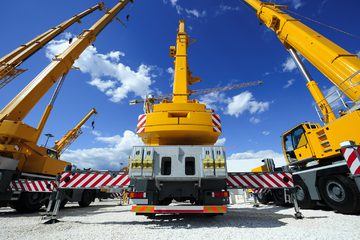
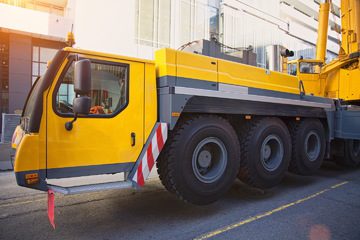
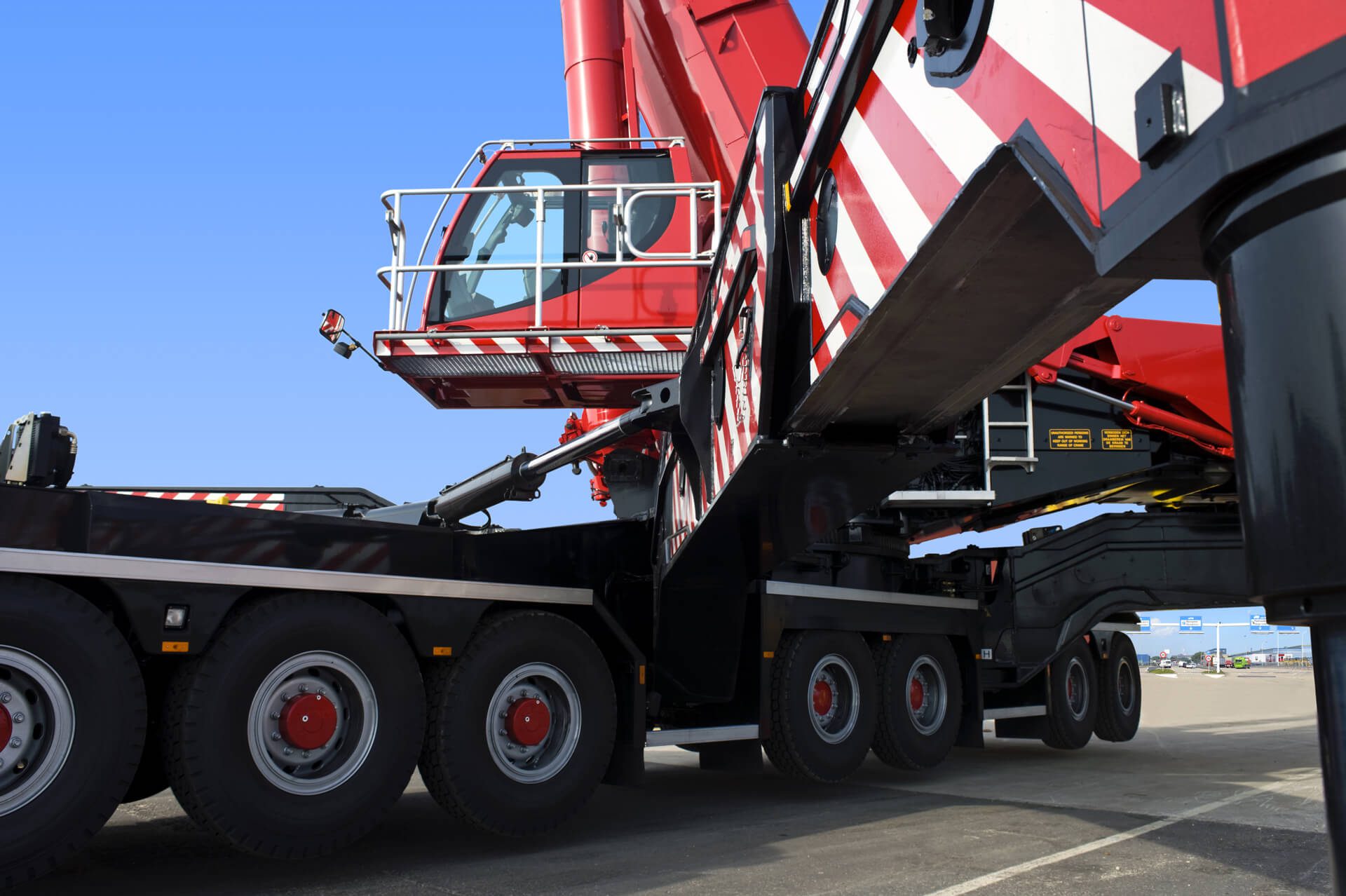
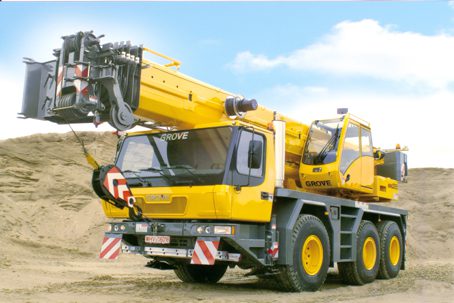
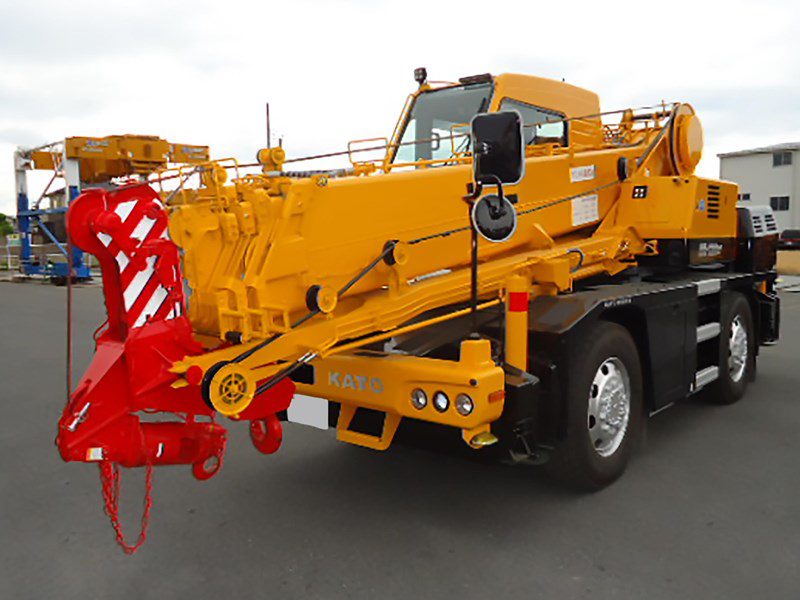
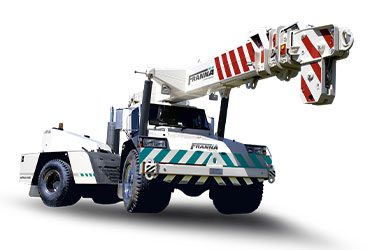
Mobile cranes are valued for their versatility and rapid deployment. Mounted on truck chassis or crawler tracks, they can travel between job sites and be operational within hours. This mobility makes them indispensable for projects that involve shorter lifting operations or multiple locations.
Road construction, bridge installation, rail projects, and energy infrastructure frequently rely on mobile cranes. Their telescopic booms allow operators to reach significant heights while maintaining the flexibility to relocate as work progresses.
Australia’s vast geography also makes mobility essential. Infrastructure developments often occur in remote regions where permanent crane installations would be impractical. Mobile cranes can be transported across long distances to support mining operations, wind farm installations, and regional infrastructure upgrades.
In many cases, mobile cranes complement tower cranes rather than replace them. During early construction phases, mobile cranes are used to deliver materials and assemble tower cranes themselves. Later, they may return to dismantle the equipment once a project is complete.
This interplay between crane types highlights how the hire market supports complex construction ecosystems.
Luffing Cranes and the Challenge of Dense City Construction
As Australian cities become more crowded, developers increasingly face the challenge of building in extremely confined spaces. This is where luffing crane hire has emerged as a specialized solution.
Luffing cranes differ from traditional tower cranes in the way their booms move. Instead of rotating with a fixed horizontal arm, the boom angle can rise and fall—“luffing”—allowing operators to control the crane’s working radius.
This capability is particularly valuable in dense urban districts where multiple cranes may operate in close proximity. In cities like Sydney and Melbourne, construction sites are often surrounded by existing buildings, public roads, and active commercial spaces.
By adjusting the boom angle, luffing cranes reduce the amount of airspace they occupy, minimizing the risk of oversailing neighboring properties. This feature helps developers comply with local planning regulations while maintaining efficient lifting operations.
Luffing cranes are commonly deployed on skyscraper projects and high-density residential developments. Their compact operating footprint allows several cranes to work simultaneously on the same project—an increasingly common requirement as construction timelines accelerate.
The growing demand for luffing crane hire reflects how urban density is reshaping construction engineering.
Safety Standards and Regulatory Oversight
Heavy lifting equipment inevitably carries significant safety risks, making regulation a central component of Australia’s crane industry.
National workplace safety laws and state-based regulators impose strict standards on crane operation, inspection, and certification. Crane operators must hold specialized licenses and undergo extensive training before operating lifting equipment on construction sites.
Regular inspections ensure that cranes meet mechanical and structural safety requirements. Components such as cables, hooks, braking systems, and load sensors are routinely tested to prevent failures during operation.
Safety planning also extends beyond the machinery itself. Construction managers must develop lift plans that consider weather conditions, wind loads, site layout, and nearby structures. High-rise projects often involve detailed coordination between engineers, crane operators, and site supervisors to ensure lifts occur safely.
For tower cranes in particular, wind speed monitoring is critical. Australia’s coastal cities can experience sudden gusts that affect crane stability, especially at extreme heights. Advanced sensors now automatically alert operators when conditions approach safety limits.
These regulatory frameworks aim to minimize accidents in an industry where precision and reliability are essential.
Technology Transforming Crane Operations
Technological innovation is steadily transforming how cranes are deployed and operated across Australia’s construction sector.
Digital monitoring systems now track crane performance in real time, providing operators with data on load weight, wind conditions, and equipment stress. These systems help prevent overloading and allow maintenance teams to detect mechanical issues before they become serious problems.
Automation and remote diagnostics are also becoming more common. Some cranes can transmit operational data to centralized control centers, where engineers monitor performance across multiple sites.
Building Information Modeling (BIM) has further improved crane planning. Engineers can simulate construction sequences in digital environments, optimizing crane placement and lift schedules before work begins on-site.
This level of planning is particularly valuable in complex urban developments where space constraints demand precise coordination between equipment, workers, and materials.
Technological improvements are also helping cranes become more energy-efficient. New electric-powered systems reduce fuel consumption and noise levels, an increasingly important factor in residential construction zones.
Supporting Australia’s Long-Term Infrastructure Ambitions
Australia’s population growth and infrastructure investment show little sign of slowing. Major transportation projects, housing developments, and renewable energy installations are expected to drive construction activity for decades.
In this environment, the crane hire industry serves as a critical enabler of national development. By providing access to specialized lifting equipment, crane hire companies allow construction firms to scale operations quickly and adapt to changing project demands.
Mobile cranes support infrastructure expansion across vast regional areas. Tower cranes allow cities to build upward in response to population growth. Luffing cranes make it possible to construct skyscrapers within tightly packed urban landscapes.
Together, these machines represent more than just mechanical tools. They are integral components of modern construction strategy, enabling projects that define Australia’s evolving built environment.
As cranes continue to dot skylines across the country, their presence reflects not only the growth of cities but also the intricate systems of engineering, regulation, and logistics that make large-scale construction possible.