Across Australia’s rapidly evolving cities, cranes have become an unmistakable symbol of growth. From the expanding skylines of Sydney and Melbourne to the infrastructure corridors transforming Brisbane and Perth, these towering machines signal an industry working to meet the demands of population growth, urban density, and national infrastructure investment.
Yet cranes themselves are rarely owned by the builders who rely on them. Instead, much of Australia’s construction sector operates through specialised crane hire services. Within that ecosystem, tower crane hire plays a particularly strategic role, supporting the vertical construction that defines modern urban development. Alongside mobile crane hire and luffing crane hire, these systems form a flexible network of lifting capacity that underpins projects ranging from suburban bridges to some of the country’s tallest residential towers.
Understanding how these cranes are deployed reveals much about the evolving mechanics of construction in Australia.
The Central Role of Tower Cranes in Urban Construction
In contemporary city-building, tower cranes have become indispensable. Their defining advantage lies in height and reach. As Australian cities continue to densify, especially in central business districts, developers are building upward rather than outward. Tower cranes allow construction teams to move heavy materials vertically and horizontally across large sites with precision.
Tower crane hire is therefore closely tied to high-rise development. Residential towers, commercial office buildings, and mixed-use developments often rely on multiple tower cranes operating simultaneously. These cranes can remain in place for months or even years as structures rise floor by floor.
In cities like Sydney, where land scarcity has intensified redevelopment of older sites, tower cranes have become a constant feature above construction zones. They provide the lifting capacity needed to move steel frameworks, precast concrete panels, mechanical systems, and glass façades hundreds of metres above street level.
Because installing a tower crane requires extensive engineering planning—including foundations, load calculations, and wind analysis—most contractors turn to specialised providers. Tower crane hire allows builders to access highly engineered equipment without committing to ownership costs that can run into millions of dollars.
As a result, crane hire companies have become integral partners in the planning stages of large developments. Their expertise often influences site logistics, crane placement, and sequencing of structural work.
Mobile Cranes and Infrastructure Expansion
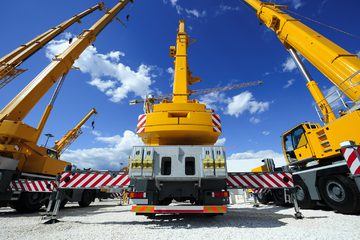
While tower cranes dominate high-rise construction, mobile cranes remain the most versatile lifting equipment in Australia’s infrastructure sector.
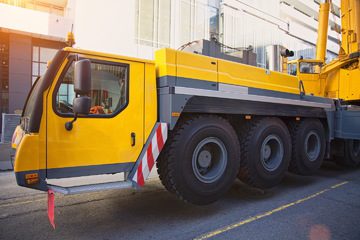
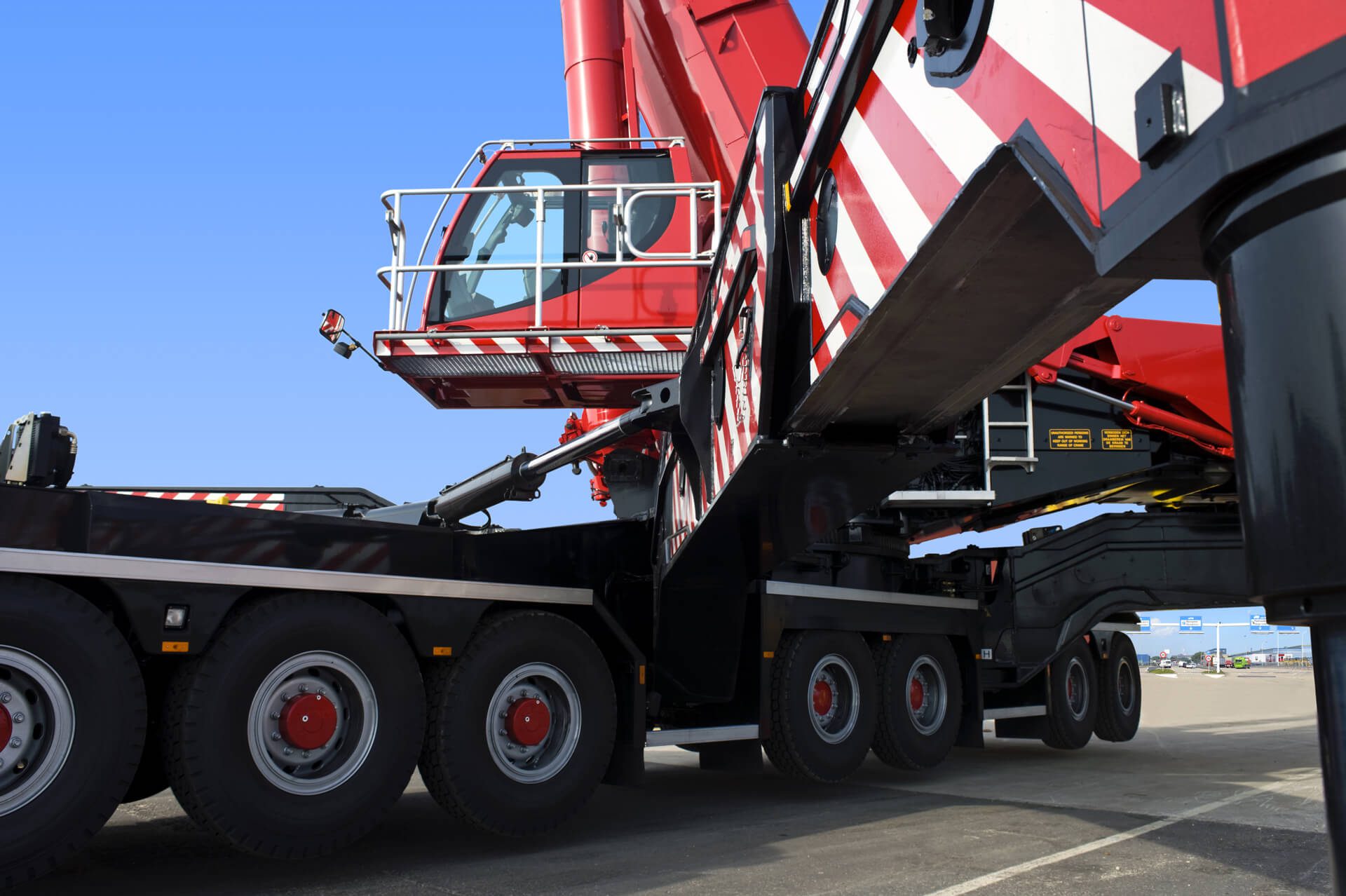
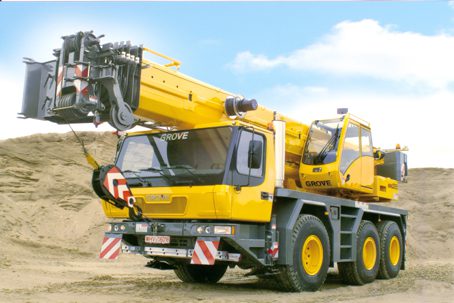
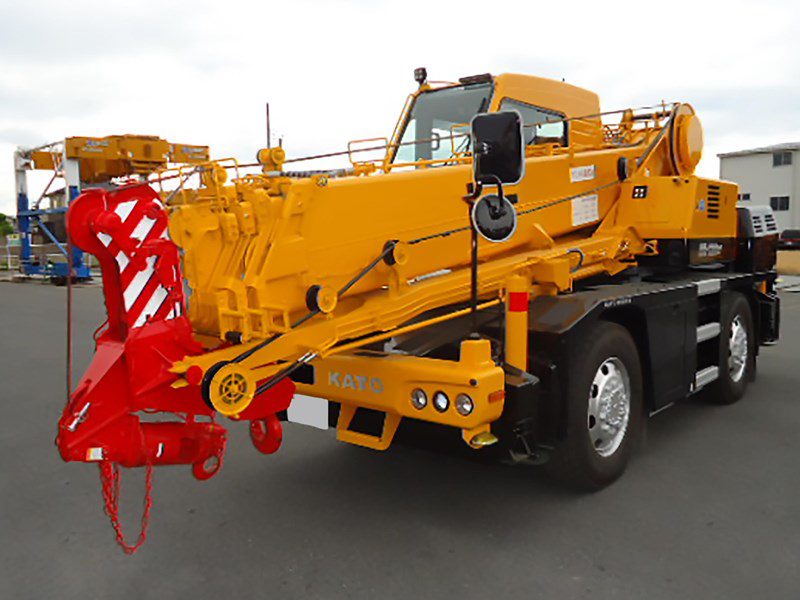
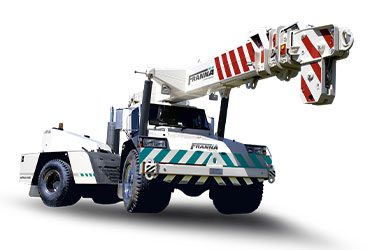
Mobile crane hire is commonly used for projects that require flexibility and mobility. Mounted on wheeled carriers, these cranes can travel between sites or reposition quickly within large infrastructure corridors. This mobility makes them especially valuable in road construction, bridge assembly, rail upgrades, and energy projects.
Infrastructure expansion across Australia has increased demand for these cranes. Major transport projects around Melbourne and Brisbane frequently involve lifting heavy precast beams, tunnel components, and bridge segments—tasks well suited to large mobile cranes with high lifting capacities.
Unlike tower cranes, which remain fixed in place for long durations, mobile cranes often support short-term lifting operations. Their ability to be deployed rapidly makes them essential during critical construction phases when heavy elements must be installed quickly.
Mobile crane hire also supports remote and regional construction where permanent crane installations are impractical. In mining regions and infrastructure developments far from urban centres, mobile cranes provide the adaptability required to handle unpredictable site conditions.
Luffing Cranes and the Challenge of Dense Cities
In the tight confines of modern city centres, crane technology has evolved to address spatial limitations. Luffing cranes, often deployed through luffing crane hire arrangements, are specifically designed for projects where space above the site is constrained.
Unlike traditional tower cranes with fixed horizontal jibs, luffing cranes feature a jib that can be raised or lowered to control the working radius. This ability to “luff,” or angle upward, allows operators to reduce the crane’s swing footprint when necessary.
This feature has become increasingly valuable in dense urban environments. Construction sites in central districts frequently sit between existing buildings, active streets, and operating infrastructure. In such conditions, managing airspace is critical.
Luffing cranes allow construction teams to work efficiently without extending into neighboring properties or restricted air corridors. In cities like Sydney and Melbourne, where redevelopment often occurs within tightly packed city blocks, these cranes are becoming more common.
The demand for luffing crane hire has grown alongside the rise of super-slender residential towers and complex mixed-use developments. These cranes are particularly useful when multiple cranes must operate within a confined skyline, coordinating movements without interfering with each other.
Safety Standards and Regulatory Oversight
Operating cranes in Australia requires strict adherence to safety regulations and engineering standards. The country maintains one of the most comprehensive construction safety frameworks globally, governed by national and state-level workplace safety authorities.
Safe Work Australia sets the overarching policy direction, while individual states enforce regulations through their own agencies. Crane operators must be licensed, equipment must undergo regular inspections, and lifting operations are carefully planned through engineered lift studies.
Safety protocols include detailed risk assessments, load calculations, and wind monitoring systems. Tower cranes, in particular, must be engineered to withstand high wind speeds common in coastal cities like Perth and Brisbane.
The complexity of these regulations has reinforced the importance of specialised crane hire providers. These companies typically maintain dedicated engineering teams responsible for equipment certification, maintenance, and compliance.
For construction firms, outsourcing crane operations helps ensure adherence to regulatory requirements while reducing the administrative burden associated with equipment ownership.
Technology Transforming Crane Operations
The crane sector has also been undergoing technological transformation. Digital monitoring systems, automation features, and advanced sensors are reshaping how cranes are managed on construction sites.
Modern tower cranes often incorporate real-time load monitoring and anti-collision systems, allowing multiple cranes to operate safely within the same site. These systems prevent cranes from overlapping dangerously and help coordinate movements across complex developments.
Telematics technology has also become increasingly common in mobile crane fleets. Operators and site managers can track crane performance, monitor load data, and analyse operational efficiency through digital platforms.
These innovations are gradually improving both productivity and safety. Construction projects benefit from more accurate lifting operations, while operators gain better visibility into equipment performance.
Another emerging trend is remote diagnostics. Maintenance teams can monitor crane systems in real time, identifying potential mechanical issues before they lead to costly downtime.
As Australia continues to pursue large infrastructure initiatives and high-density urban development, such technological advancements are expected to play a growing role in crane operations.
The Logistics of a Growing Construction Economy
Australia’s construction industry is shaped by a combination of urban growth, government infrastructure investment, and housing demand. According to industry analysts, cranes—though often overlooked outside the sector—represent a crucial logistical backbone supporting this expansion.
The relationship between crane hire services and construction companies illustrates a broader trend toward specialization within the industry. Instead of owning and maintaining highly technical machinery, contractors increasingly rely on external providers with dedicated expertise.
Tower crane hire, in particular, has become closely linked with the economics of high-rise construction. The ability to install, maintain, and dismantle cranes efficiently can significantly affect project timelines and costs.
Similarly, mobile crane hire enables rapid response to changing construction needs, while luffing crane hire provides solutions for projects constrained by space or urban density.
Together, these technologies form a flexible lifting infrastructure that mirrors the complexity of modern construction itself.
Building the Cities of the Future
As Australia’s cities evolve, cranes will continue to serve as visible markers of transformation. Each crane rising above a construction site represents a coordinated effort involving engineers, planners, regulators, and specialised equipment providers.
Tower cranes will remain central to vertical development, particularly as residential towers and commercial buildings grow taller and more complex. Mobile cranes will continue to support the vast infrastructure networks linking Australia’s expanding metropolitan regions. And luffing cranes will increasingly address the spatial challenges of dense urban environments.
Though often viewed simply as construction tools, cranes reflect deeper shifts in how cities are built. Their presence across Australia’s skylines signals not only growth, but also the sophisticated systems required to build the urban landscapes of the future.