If you pause long enough at almost any major construction site in Australia, your attention inevitably shifts upward. Above the traffic, scaffolding, and steady rhythm of activity below, cranes move with remarkable precision—lifting, rotating, placing, and adjusting with a calmness that seems almost at odds with the scale of what they are doing. They are among the most visible symbols of growth, yet their role in shaping Australia’s urban future is often underappreciated.
The story of modern Australian construction is, in many ways, a story of adaptation. Cities are becoming denser, infrastructure projects more ambitious, and development sites increasingly constrained by geography and existing urban form. Within this evolving landscape, crane hire has become far more than a practical construction service. It has emerged as an essential part of how Australian cities expand, renew, and respond to changing economic and social pressures.
From mobile crane hire supporting transport infrastructure to tower crane hire defining city skylines, and luffing crane hire solving the challenges of dense inner-city development, these machines are quietly dictating what is possible in the built environment. Even in regional growth corridors, solutions such as all terrain crane hire southern highlands reflect a broader shift in how construction is adapting to new demands.
Building in a Different Australia
Australia’s construction sector is operating in a vastly different context than it was even two decades ago.
Population growth continues to place pressure on housing supply and urban infrastructure. Cities like Sydney, Melbourne, and Brisbane are expanding upward as much as outward, driven by the need to accommodate more people within finite land footprints.
This densification changes the practical realities of construction.
Building a suburban shopping centre on an open block presents one set of logistical challenges. Constructing a 40-storey mixed-use tower between active roads, rail corridors, and neighbouring buildings presents another entirely.
That is where crane selection becomes less about convenience and more about strategic necessity.
The type of crane used on a project influences not only how quickly construction progresses, but whether a project can be executed efficiently at all. As sites become tighter and timelines shorter, the role of specialized crane hire solutions has become increasingly central to planning from the earliest design stages.
Why Different Projects Demand Different Cranes
To an outside observer, cranes may appear interchangeable—large machines designed simply to lift heavy materials. In practice, each type serves a highly specific purpose.
Tower crane hire is perhaps the most recognizable form of crane deployment in urban Australia. These are the towering structures that rise alongside apartment developments, commercial towers, and major precinct projects. Their strength lies in vertical reach and sustained operation.
A tower crane is designed to remain on-site for extended periods, often for the duration of a project’s structural phase. It allows builders to move steel, concrete, formwork, and other materials efficiently across height and distance. In Australia’s rapidly densifying city centres, tower cranes have become indispensable because they allow construction to continue upward without requiring excessive ground-level space.
Yet tower cranes are not always practical.
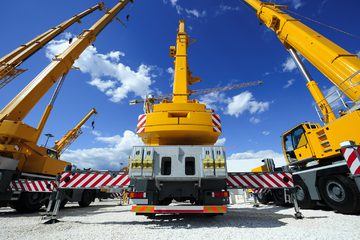
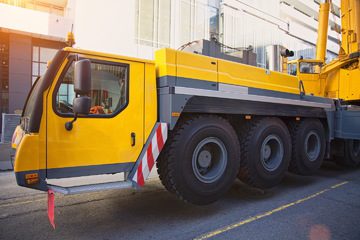
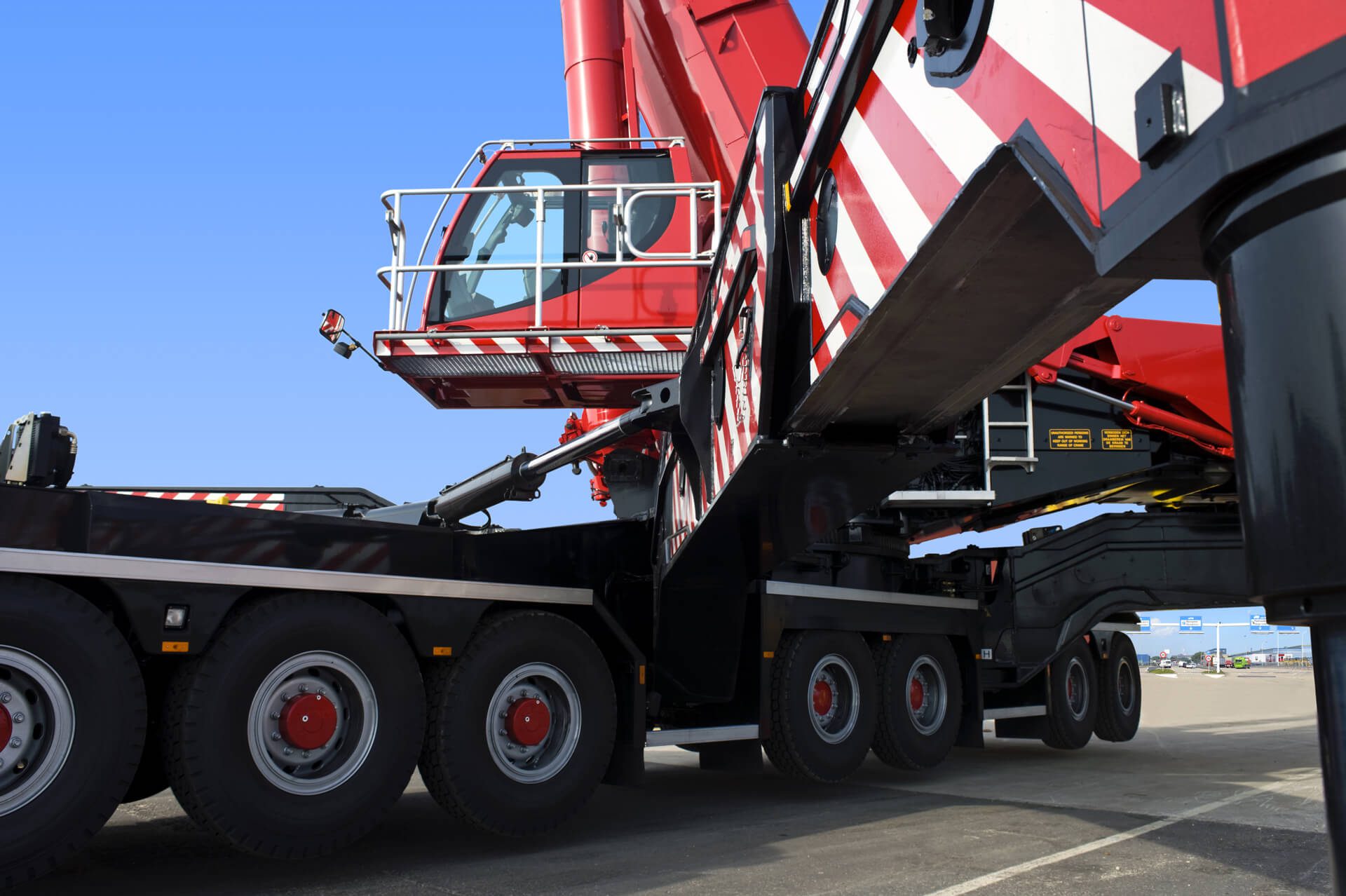
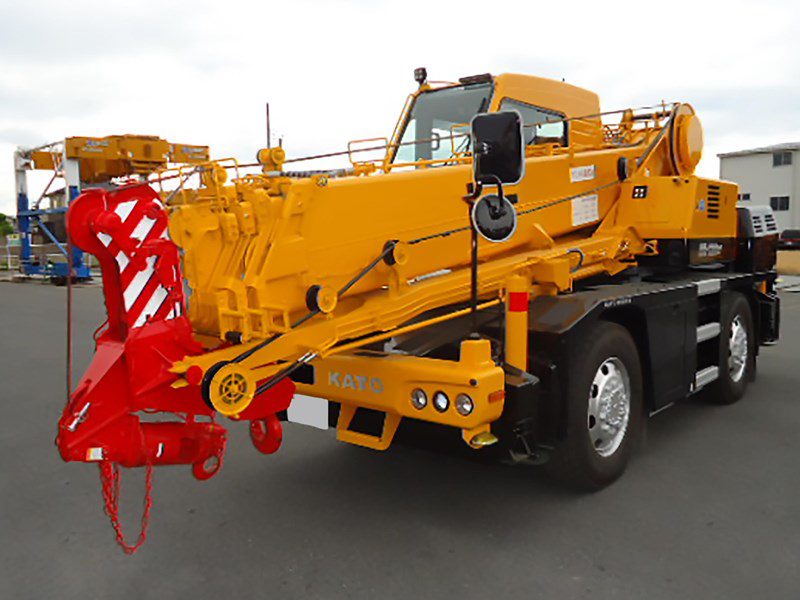
Infrastructure projects—bridges, transport corridors, utility upgrades—often require flexibility that fixed-position cranes cannot provide. This is where mobile crane hire becomes critical.
Mounted on wheeled or tracked platforms, mobile cranes can be transported quickly between sites and repositioned throughout a project. Their versatility makes them particularly valuable for large-scale public works, where lifting requirements shift constantly as construction progresses.
Then there is luffing crane hire, which has become increasingly important in Australia’s most space-constrained urban environments.
Unlike conventional tower cranes with long horizontal jibs, luffing cranes can raise and lower their booms. This seemingly simple feature allows them to operate within tight airspace envelopes.
In inner-city developments—particularly where multiple high-rise projects are being built side by side—this flexibility is crucial. It reduces the risk of oversailing adjacent properties and allows several cranes to operate safely within close proximity.
In many ways, luffing cranes represent a direct response to the pressures of modern urban density.
Regional Construction and the Importance of Versatility
While Australia’s capital cities dominate discussions around crane operations, regional centres are increasingly important to the national construction picture.
The Southern Highlands of New South Wales offers an instructive example.
Traditionally associated with low-density residential communities and heritage towns, the region is now experiencing broader development driven by infrastructure upgrades, population movement, and changing work patterns.
Projects here often present a unique combination of challenges.
Sites may require access across uneven terrain, limited road approaches, or semi-rural environments where traditional urban crane setups are impractical.
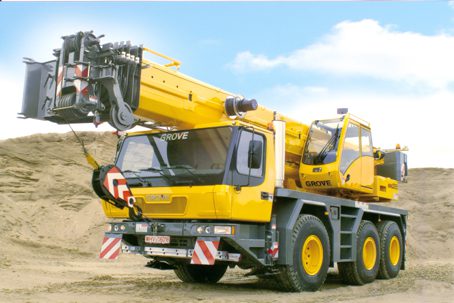
This is where all terrain crane hire southern highlands becomes particularly relevant.
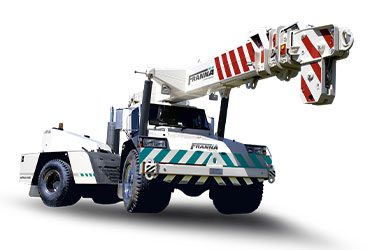
All-terrain cranes are designed to operate both on public roads and in more rugged conditions. They combine mobility with lifting power, allowing operators to move efficiently between dispersed project locations without sacrificing performance.
Their importance reflects a broader trend in Australian construction: the growing need for adaptable solutions that can bridge metropolitan precision and regional practicality.
As infrastructure investment extends beyond city boundaries, these cranes are helping ensure regional development keeps pace.
Safety Expectations Have Become Non-Negotiable
No discussion of crane hire in Australia is complete without acknowledging the industry’s intense focus on safety.
The lifting of heavy materials in dynamic environments carries inherent risk. Australia’s regulatory framework has evolved significantly to address this reality.
Strict operational standards govern everything from crane maintenance and operator licensing to lift planning and site supervision. These requirements reflect lessons learned over decades, shaped by both technological advancement and the increasing complexity of construction environments.
Today, crane operations involve detailed pre-lift assessments that consider weather, load distribution, ground stability, surrounding structures, and site traffic.
This level of planning is especially critical for mobile crane hire, where changing site conditions can introduce variables that fixed installations do not face.
For tower and luffing cranes, wind monitoring and structural integrity assessments are central to safe operation, particularly as projects push greater heights.
What has changed most dramatically is the integration of digital technology into these safety systems.
Modern cranes increasingly feature real-time load monitoring, anti-collision systems, automated diagnostics, and telematics that provide constant operational feedback.
These tools reduce uncertainty and improve decision-making, but they have not diminished the importance of human expertise.
Australia’s crane sector still depends heavily on experienced operators, riggers, and engineers whose judgement remains irreplaceable.
Technology enhances safety; it does not replace discipline.
Technology Is Changing More Than Efficiency
Innovation in crane hire is often discussed in terms of speed and productivity, but its broader implications are more interesting.
Construction itself is becoming more data-driven.
Digital modelling, project sequencing software, and integrated site management systems now influence crane deployment decisions long before equipment arrives on-site.
A crane is no longer selected solely for lifting capacity. It is chosen based on how it fits within a project’s digital workflow, delivery schedule, and environmental constraints.
This shift is especially visible in urban projects using tower crane hire and luffing crane hire, where simulations can model crane movement against neighbouring structures to optimize placement and avoid operational conflicts.
Environmental considerations are also becoming increasingly important.
As Australia pushes toward more sustainable construction practices, crane operators face pressure to reduce fuel consumption, emissions, and noise pollution.
Hybrid systems, improved energy efficiency, and quieter operational designs are beginning to reshape expectations.
For inner-city projects, this matters enormously.
Construction no longer occurs in isolation. It unfolds alongside residential buildings, businesses, schools, and public spaces.
Reducing disruption is becoming part of responsible urban development.
The Quiet Infrastructure Behind Urban Growth
Cranes rarely remain once a project is complete.
They are dismantled, transported, and redeployed, leaving little visible evidence of their contribution.
Yet their impact is embedded in nearly every major piece of Australia’s built environment.
The apartment towers redefining suburban skylines, the transport upgrades easing congestion, the hospitals and education precincts supporting growing populations—all rely on carefully planned crane operations.
The choice between mobile crane hire, tower crane hire, and luffing crane hire is not simply operational.
It shapes project design, influences timelines, and determines what can be built within the physical and regulatory constraints of modern Australia.
Even regionally, solutions like all terrain crane hire southern highlands demonstrate how crane technology supports a broader national pattern of growth.
What these machines ultimately reveal is something larger about Australian construction itself.
Cities are no longer expanding through sheer space alone. They are growing through precision, coordination, and increasingly sophisticated engineering.
And high above the worksites where this transformation is taking place, cranes continue their measured movements—quietly doing the heavy lifting of urban change.