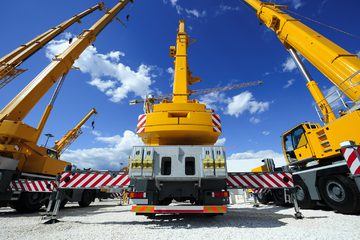
If you pause long enough in any of Australia’s major cities, you begin to notice a pattern in the skyline. It is not just the glass towers or the scaffolding that defines the view, but the cranes themselves—slow-moving, deliberate, almost architectural in their own right. They are not simply tools of construction. They are signals of transformation, markers of a city in motion.
What has changed in recent years is not just the number of cranes, but the way they are used. The evolution of crane hire—spanning mobile crane hire, tower crane hire, and luffing crane hire—tells a deeper story about how Australia is building its future. It reflects a shift from expansion to intensification, from open land to constrained urban environments, and from straightforward construction to layered, highly coordinated development.
Building Up, Not Out
Australia’s urban growth has entered a more complex phase. In cities like Sydney and Melbourne, the easy outward expansion that once defined suburban growth is giving way to vertical development and urban consolidation. Population pressures, land scarcity, and planning constraints are pushing construction upward and inward.
This transition has elevated the role of tower crane hire. Tower cranes are, in many ways, the defining symbol of vertical construction. Their ability to reach extraordinary heights while lifting heavy loads with precision makes them indispensable for high-rise projects. They are engineered for endurance, often remaining on-site for months or years as buildings gradually take shape around them.
But their prominence also highlights a broader shift. These cranes are no longer operating in isolation on expansive sites. Increasingly, they must function within crowded airspace, sharing the skyline with neighboring developments. The choreography becomes intricate, requiring careful planning to avoid overlap and ensure safety. The crane is no longer just a machine—it is part of a coordinated system.
The Challenge of Density
As cities densify, construction sites become more constrained. Narrow streets, adjacent buildings, and active public spaces limit what can be done and how it can be done. In these environments, traditional crane configurations are often impractical.
This is where luffing crane hire has found its niche. Unlike conventional tower cranes with fixed horizontal jibs, luffing cranes can raise and lower their arms, allowing them to operate within tighter spaces. This capability is particularly valuable in inner-city developments, where multiple projects may be underway simultaneously.
The importance of this flexibility cannot be overstated. In dense urban areas, airspace is as much a resource as land. The ability to control a crane’s footprint above ground can determine whether a project proceeds smoothly or faces costly delays. Luffing cranes, in this sense, are not just a technical solution—they are an adaptation to the realities of modern city-building.
Mobility as a Strategic Advantage
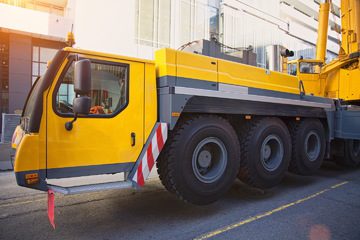
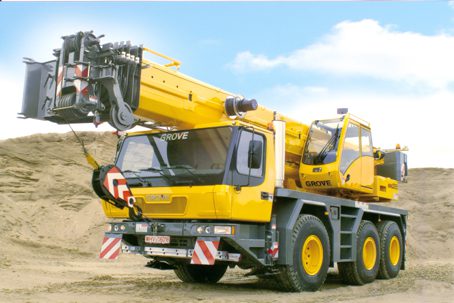
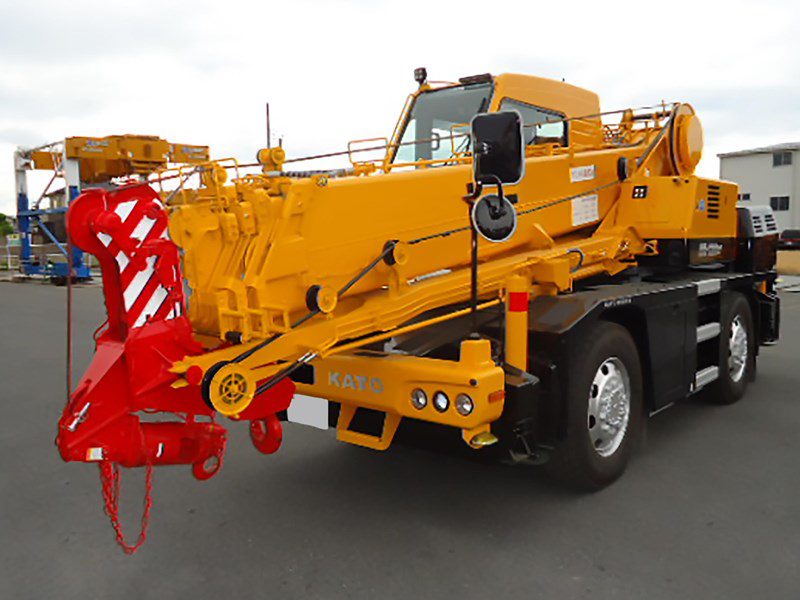
While tower and luffing cranes dominate the skyline, much of the day-to-day work of construction relies on a different kind of machine altogether. Mobile crane hire has become a cornerstone of the industry, offering versatility that fixed cranes cannot match.
Mobile cranes are designed for movement. They can be transported quickly between sites, set up with relative ease, and deployed for a wide range of tasks. This makes them particularly valuable in infrastructure projects, where work is often distributed across large areas or occurs in stages.
Consider the construction of a new transport corridor or the upgrade of an existing road network. These projects require lifting operations at multiple points, often under tight time constraints. Mobile cranes provide the flexibility to respond to changing conditions, whether that means relocating equipment overnight or adapting to unexpected site challenges.
Their role extends beyond large-scale infrastructure. In urban environments, mobile cranes are frequently used for short-term or specialized lifts—installing structural components, positioning heavy equipment, or supporting maintenance work. They operate at the intersection of efficiency and adaptability, filling the gaps left by more permanent systems.
The Subtle Importance of Franna Cranes
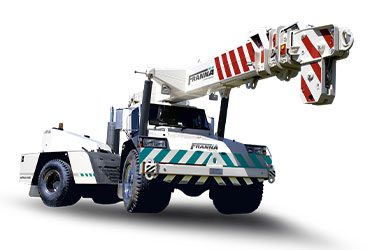
Within the category of mobile cranes, one type stands out for its unique capabilities: the franna crane. Known for its “pick-and-carry” functionality, this crane can lift and transport loads simultaneously, eliminating the need for separate lifting and moving equipment.
In regions like northern Sydney, franna crane hire northern sydney plays a quietly significant role in shaping how construction unfolds. This part of the city is characterized by a mix of established residential areas, ongoing infrastructure upgrades, and localized commercial development. Sites are often constrained, access can be limited, and disruption must be minimized.
Franna cranes are well-suited to these conditions. Their ability to navigate tight spaces while carrying loads makes them ideal for projects that require both precision and mobility. Whether it is moving materials across a compact site or supporting utility installations, these cranes enable work to proceed efficiently without the footprint of larger machinery.
What makes them particularly interesting is how they reflect the changing nature of urban development. As cities become more complex, the tools used to build them must become more nuanced. Franna cranes do not dominate the skyline, but they are integral to the processes that sustain it.
Infrastructure and the Scale of Ambition
Beyond the city center, Australia’s infrastructure agenda is reshaping the demand for crane hire in different ways. Investments in transport, energy, and public works are creating projects that are vast in scale and often geographically dispersed.
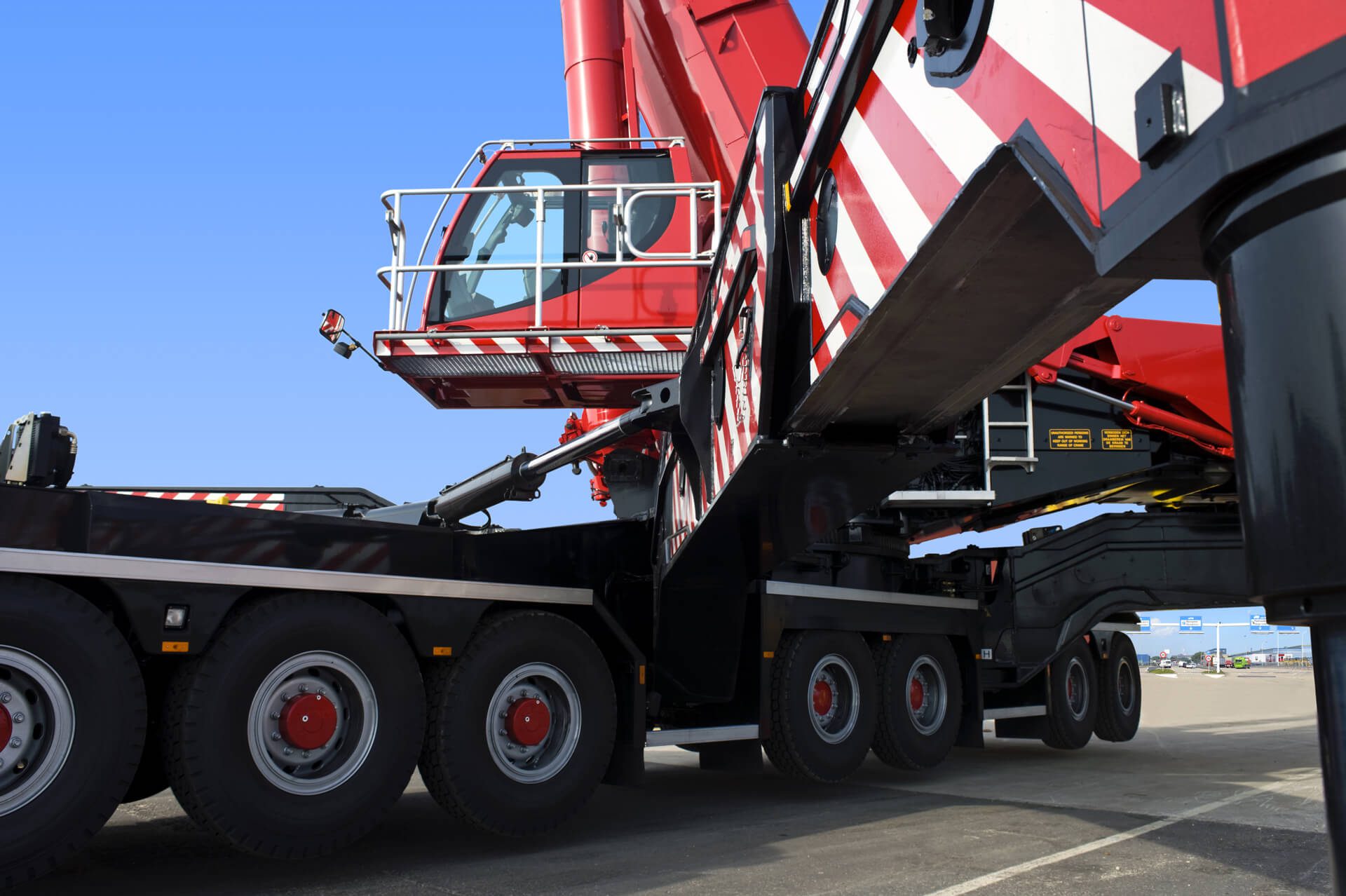
In these contexts, the role of mobile crane hire expands further. Heavy-duty mobile cranes are used to lift massive components—bridge sections, rail infrastructure, wind turbine parts—often in challenging environments. The logistics involved are considerable, requiring careful coordination of transport, assembly, and operation.
These projects also highlight the interplay between different crane types. A single infrastructure development may involve mobile cranes for initial groundwork, tower cranes for vertical elements, and specialized equipment for complex lifts. The selection of crane hire is not a matter of preference but of precision, with each type serving a distinct purpose within a larger system.
Safety in an Era of Complexity
As construction becomes more complex, the expectations around safety have evolved in parallel. Australia’s regulatory framework has long emphasized workplace safety, but the increasing density and scale of projects have raised the stakes.
Cranes, by their nature, operate at the intersection of risk and necessity. The potential consequences of failure are significant, particularly in urban environments where construction sites are closely integrated with public spaces. This has led to stricter standards for operator training, equipment maintenance, and site management.
Modern cranes are equipped with advanced safety features, from load monitoring systems to anti-collision technology. These innovations are not merely enhancements; they are responses to the realities of contemporary construction. When multiple cranes operate in proximity, or when lifts occur above active streets, precision is critical.
At the same time, safety is shaped by human factors. The pressure to meet deadlines, manage costs, and coordinate complex projects can create tension within the industry. Maintaining high safety standards requires not just regulation, but a cultural commitment to prioritizing long-term outcomes over short-term gains.
Technology and the Changing Nature of Work
Technology is playing an increasingly central role in how cranes are used and managed. Digital tools are transforming everything from planning to execution, enabling greater accuracy and efficiency.
Building Information Modeling, for example, allows construction teams to simulate crane operations before work begins. This helps identify potential conflicts, optimize placement, and reduce uncertainty. In dense urban environments, where margins for error are narrow, such tools are invaluable.
Telematics systems provide real-time data on crane performance, supporting predictive maintenance and improving reliability. Remote monitoring allows operators and managers to oversee operations more effectively, even across multiple sites.
Looking ahead, the potential for automation is beginning to emerge. While fully autonomous cranes remain a future prospect, elements of automation are already being integrated to enhance safety and consistency. These developments suggest a gradual shift in the role of the operator—from direct control to oversight and coordination.
A Framework for the Future
The evolution of crane hire in Australia is not just a technical story. It is a reflection of broader changes in how cities are conceived and constructed. As urban environments become denser, more interconnected, and more demanding, the tools that shape them must adapt.
Mobile crane hire speaks to the need for flexibility in a dynamic landscape. tower crane hire underscores the scale and ambition of vertical growth. Luffing crane hire reflects the constraints and ingenuity of building within tight spaces. And the localized importance of franna crane hire northern sydney reveals how even the most specific solutions contribute to a larger narrative.
Together, these elements form a framework for understanding modern construction. They show how progress is not just about building more, but about building smarter—responding to constraints with innovation, and to complexity with precision.
The cranes that dot Australia’s skyline may appear static, but they are part of a constantly evolving system. In their movement, slow and deliberate, they carry the weight of a city’s future—one lift at a time.