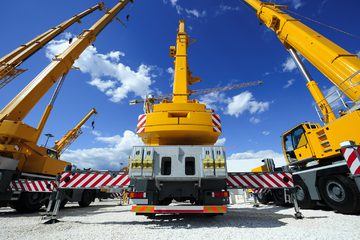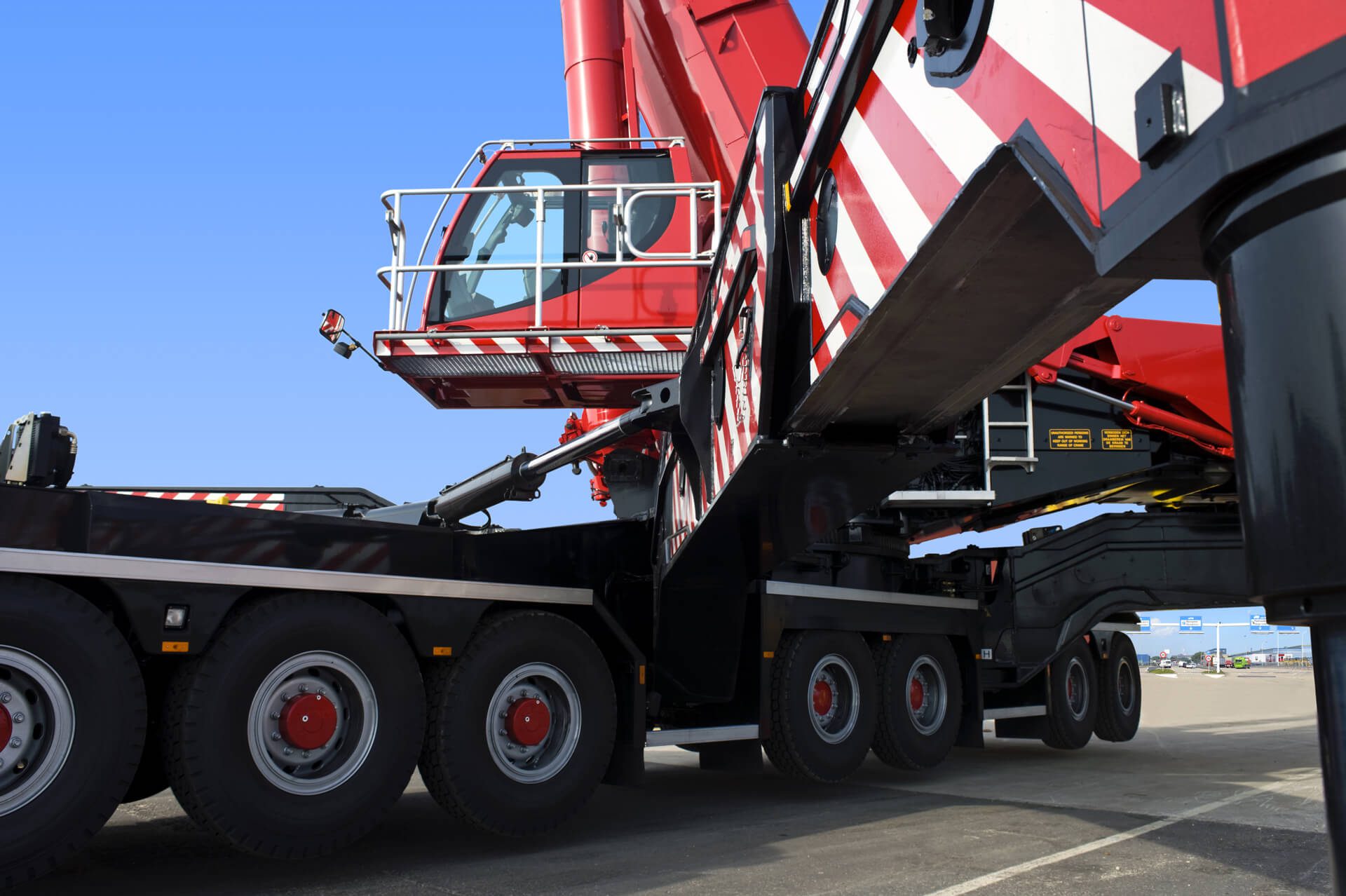
Across Australia’s fastest-growing urban regions, cranes have become an unmistakable symbol of economic momentum. From transport infrastructure and logistics hubs to high-rise residential towers, construction activity continues to reshape metropolitan skylines. Behind these projects is a complex ecosystem of equipment, labour, and regulatory oversight. Within that system, crane hire services—particularly mobile crane hire, tower crane hire, and luffing crane hire—play a strategic role in enabling projects to move efficiently from planning to completion.
In rapidly developing areas such as Western Sydney, crane operations have become especially central to construction logistics. As the region evolves through new infrastructure corridors, industrial precincts, and residential developments, specialised lifting solutions—including franna crane hire western Sydney—have emerged as an essential component of day-to-day building operations.
The Infrastructure Boom Driving Crane Demand
Australia’s construction sector has experienced sustained demand driven by urban population growth, government infrastructure programs, and private development. Large-scale transport projects, airport expansions, logistics centres, and mixed-use developments require equipment capable of lifting heavy materials safely and precisely.
Crane hire models have become common across the industry because they allow contractors to access highly specialised equipment without the capital cost of ownership. Construction companies typically require multiple crane types during different phases of a project. Hiring allows firms to deploy the appropriate machinery when needed while maintaining flexibility as project requirements evolve.
In Western Sydney, the pace of development illustrates this dynamic clearly. Major infrastructure initiatives and large industrial estates have transformed the area into one of Australia’s most active construction corridors. Within this environment, mobile crane hire and related lifting services support everything from steel installation to large prefabricated structural components.
Mobile Crane Hire and the Rise of Flexible Lifting
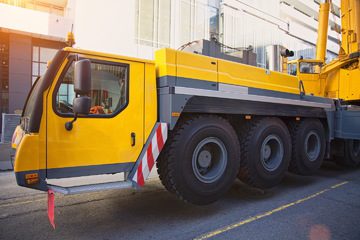
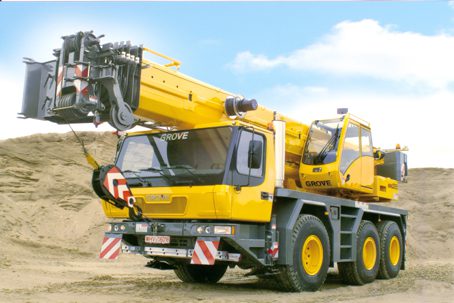
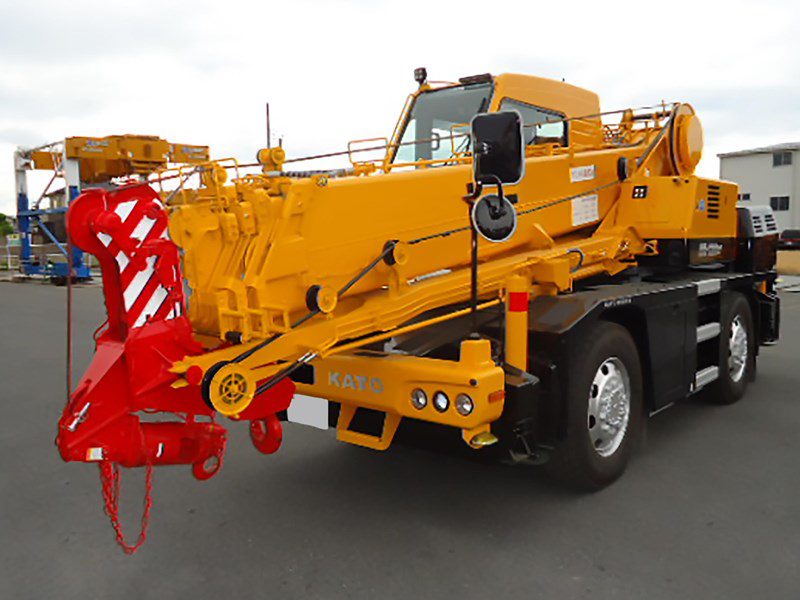
Mobile cranes are among the most versatile machines on Australian construction sites. Mounted on truck or carrier platforms, they can travel quickly between locations and set up with minimal preparation. This mobility makes them particularly valuable in infrastructure construction, where projects often stretch across long distances or multiple stages.
In logistics hubs, rail developments, and highway construction, mobile crane hire allows contractors to lift precast bridge segments, large pipes, and heavy equipment without permanent crane installations. Their ability to relocate rapidly means that work crews can maintain productivity across large project footprints.
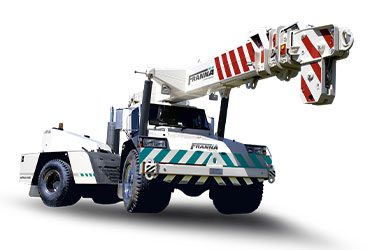
Within this category, pick-and-carry cranes—commonly associated with franna crane hire western Sydney—have become widely used for industrial and commercial construction tasks. These cranes are designed to lift loads and transport them across short distances without needing outriggers, making them effective in warehouses, fabrication yards, and dense building sites where space is limited.
Because they combine lifting capability with mobility, these cranes often function as the connective tissue between different construction phases, moving materials between staging areas, assembly points, and installation locations.
Tower Crane Hire and the Vertical Expansion of Cities
While mobile cranes support horizontal infrastructure development, tower cranes are central to Australia’s vertical building boom. Tower crane hire has become synonymous with high-rise construction in major metropolitan centres.
Tower cranes offer exceptional lifting height and reach, making them indispensable for projects involving multi-storey residential towers, commercial office buildings, and mixed-use developments. Once installed, these cranes remain on site for months or even years, operating as the primary lifting mechanism throughout the construction process.
In high-density environments, tower cranes enable the efficient movement of structural steel, concrete formwork, mechanical systems, and facade materials. Their elevated position allows operators to cover large portions of a site from a single location, reducing congestion at ground level and improving coordination between trades.
However, installing a tower crane requires careful planning. Engineers must assess foundation stability, wind loads, and surrounding structures to ensure safe operation. This planning process underscores how crane deployment is not simply an equipment decision but an integrated element of construction engineering.
Luffing Crane Hire and Construction in Constrained Urban Spaces
As Australian cities become denser, construction sites increasingly face spatial constraints. Adjacent buildings, narrow streets, and restricted airspace can limit the swing radius of traditional tower cranes. In these conditions, luffing crane hire has gained prominence.
Luffing cranes feature a jib that can move vertically, allowing operators to adjust the angle of the boom rather than rotating it across a wide arc. This design reduces the amount of horizontal space required for operation and allows multiple cranes to work safely in close proximity.
Such capabilities are particularly valuable in inner-city developments where several high-rise projects may share the same skyline. By controlling the crane’s working radius, developers can avoid overlapping equipment zones and minimise risk to neighbouring properties.
In dense construction environments, the precision of luffing cranes helps maintain strict safety margins while allowing projects to proceed despite limited space.
Safety Standards and Regulatory Oversight
Crane operations in Australia are governed by rigorous safety standards designed to reduce risks associated with heavy lifting. Regulations cover operator certification, equipment inspection, site planning, and operational procedures.
Construction firms must comply with national work health and safety frameworks as well as state-based requirements that regulate crane licensing and operation. Operators undergo specialised training to manage complex lifting tasks, while project managers conduct detailed lift studies to evaluate load weights, environmental conditions, and equipment limits.
These measures are particularly important given the scale of loads involved. Structural beams, prefabricated building sections, and industrial equipment often weigh several tonnes. Even small errors in load calculation or communication can lead to significant hazards.
To address these risks, many construction sites rely on coordinated teams that include crane operators, dogmen, riggers, and safety supervisors. Together they ensure that each lift follows strict procedures designed to protect workers and nearby infrastructure.
Technology Reshaping Crane Operations
Technological innovation is gradually reshaping how cranes operate across Australia’s construction sector. Digital monitoring systems now allow operators and project managers to track crane performance, load weights, and environmental conditions in real time.
Sensors embedded in crane systems can monitor wind speed, structural stress, and operational parameters, providing alerts if conditions approach safety thresholds. This data allows operators to make informed decisions about whether lifting operations should continue or pause.
In addition, building information modelling has become increasingly integrated with crane planning. By mapping the construction process digitally, engineers can simulate crane placements, lifting paths, and material flows before work begins on site. This reduces inefficiencies and helps prevent conflicts between equipment and surrounding structures.
Automation is also gradually influencing crane design. While fully autonomous cranes remain uncommon, semi-automated positioning systems and remote monitoring tools are improving accuracy and operational efficiency.
The Logistics of Urban Construction
Beyond their mechanical capabilities, cranes serve a broader logistical function in modern construction. Large projects operate like complex supply chains, with materials arriving on tightly scheduled deliveries. Cranes coordinate the movement of these materials from trucks to their final installation points.
In this sense, crane operations influence the rhythm of a construction site. Delays in lifting equipment can disrupt multiple trades simultaneously, while efficient crane scheduling helps maintain progress across different stages of a project.
The reliance on specialised crane hire services reflects this logistical reality. Contractors must match the right equipment to each phase of construction, balancing lifting capacity, reach, and mobility against the constraints of the site.
A Quiet but Critical Role in Urban Development
While cranes rarely capture public attention beyond their presence on the skyline, their contribution to Australia’s built environment is profound. The transformation of regions such as Western Sydney into major economic hubs depends on the ability to move heavy materials safely and efficiently within complex construction environments.
From mobile crane hire supporting infrastructure corridors to tower crane hire enabling high-rise development and luffing crane hire facilitating construction in tight urban sites, these machines form an essential backbone of modern building practices.
As Australia continues to invest in infrastructure and urban expansion, cranes—and the specialised expertise required to operate them—will remain central to the nation’s construction capability. Behind each new bridge, rail station, warehouse, or apartment tower stands a network of lifting technology quietly shaping the country’s evolving skyline.