Across Australia’s skyline, cranes have become quiet symbols of economic momentum. From the rising apartment towers of Sydney to large-scale transport corridors emerging around Melbourne and Brisbane, construction activity continues to reshape cities and regional centres alike. Yet the machinery enabling these projects often operates in the background. Among the most essential components of modern building are the cranes that lift, position, and assemble the physical framework of urban growth.
In recent years, the expanding scale and complexity of infrastructure has increased demand for specialized lifting solutions, including mobile crane hire, tower crane hire, and luffing crane hire. These machines allow contractors to move materials safely and efficiently across job sites ranging from suburban transport projects to densely packed city blocks. In regions such as the Southern Highlands of New South Wales, the availability of all terrain crane hire southern highlands services has also played a strategic role in supporting both regional infrastructure and metropolitan construction supply chains.
Understanding how these different cranes function—and how they fit into Australia’s evolving construction landscape—reveals the engineering and logistical coordination behind the country’s ongoing development.
The Expanding Role of Cranes in National Infrastructure
Australia’s infrastructure pipeline remains one of the largest in its history. Major road expansions, rail developments, and urban regeneration projects have intensified the need for heavy lifting equipment capable of operating in diverse environments. In this context, crane fleets are not simply tools but logistical systems that allow large projects to progress safely and on schedule.
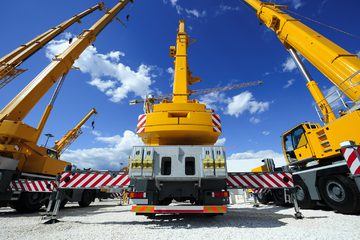
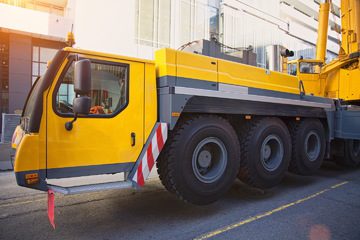
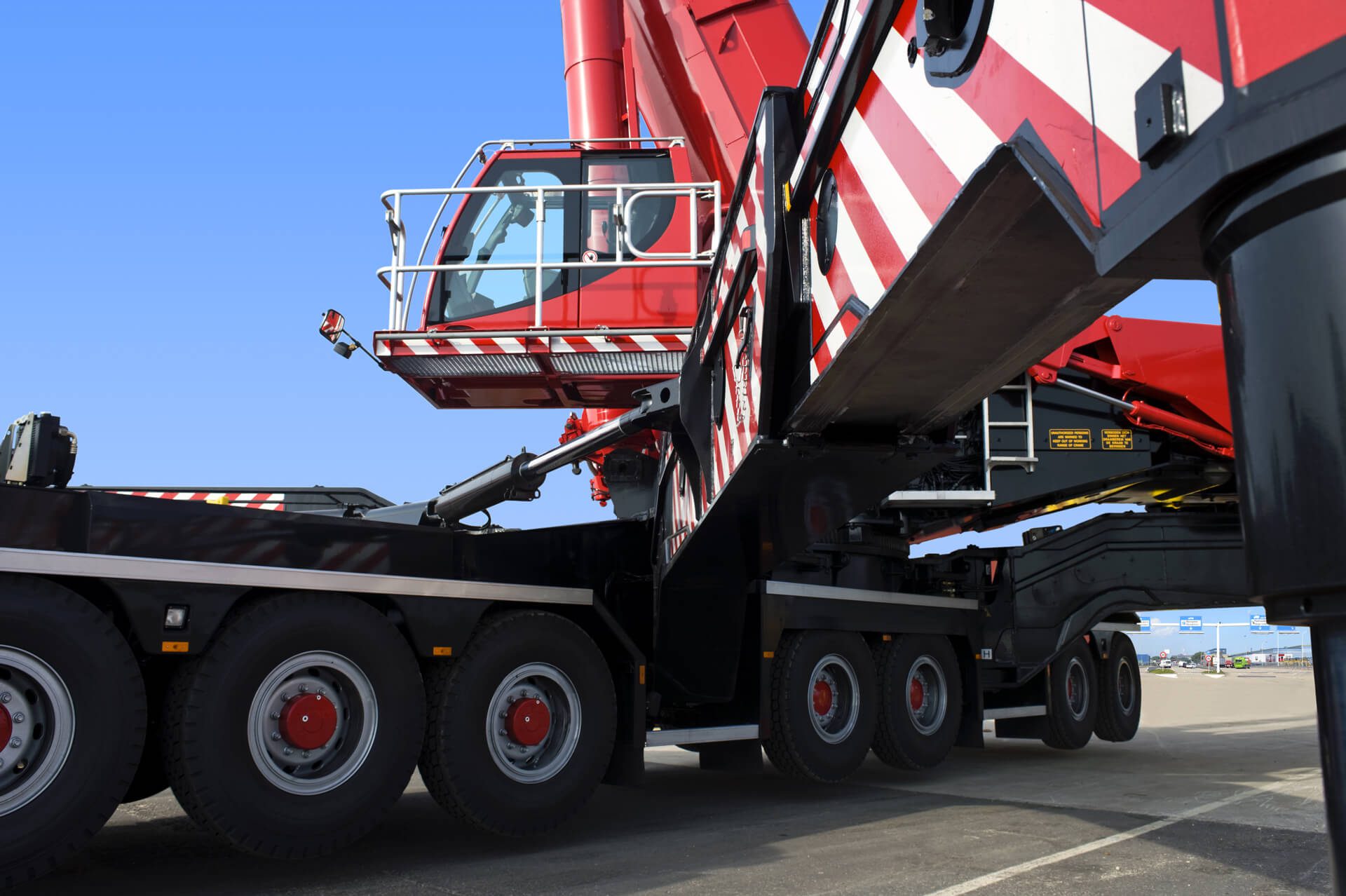
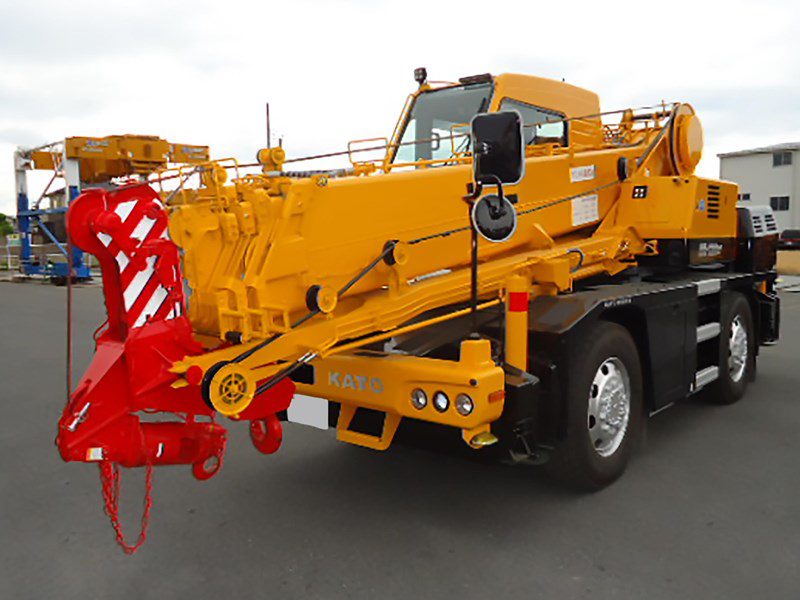
Mobile crane hire has become particularly important for projects that require flexibility. These cranes are transported directly to job sites and can be deployed quickly, making them well suited to infrastructure works such as bridge construction, utility installation, and transport corridor upgrades. Their mobility allows contractors to move lifting capacity across multiple locations without extensive setup time.
Tower crane hire, by contrast, has become synonymous with high-rise construction. The vertical nature of Australian cities increasingly requires cranes that can operate hundreds of meters above ground while maintaining stability and precision. Tower cranes provide that capability, allowing engineers to lift structural steel, concrete panels, and prefabricated modules into position as buildings rise floor by floor.
Meanwhile, luffing crane hire has gained prominence in the most congested urban environments. Unlike conventional tower cranes, luffing cranes can adjust their jib angle vertically, reducing the horizontal swing radius. This makes them especially valuable in city centers where surrounding buildings limit the available airspace.
Together, these technologies form the backbone of construction logistics in modern Australia.
Infrastructure Projects and the Flexibility of Mobile Cranes
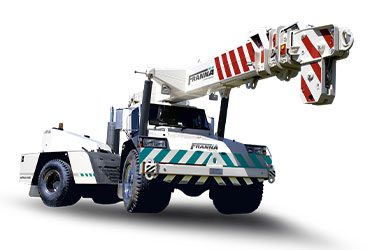
Infrastructure construction often requires cranes capable of traveling between sites while handling a wide range of lifting tasks. Mobile cranes, particularly all-terrain models, have emerged as critical assets in this environment.
All terrain crane hire southern highlands providers typically supply machines designed to operate on both paved roads and uneven construction terrain. This versatility allows cranes to travel between regional infrastructure sites without requiring disassembly or complex transport arrangements.
Across Australia, mobile crane hire has been widely used in bridge assembly, energy projects, rail upgrades, and highway construction. These projects often involve lifting large components such as concrete girders or steel beams into place over extended spans.
Because infrastructure work frequently occurs in partially developed or rural areas, the adaptability of mobile cranes allows contractors to respond quickly to changing site conditions. Their rapid deployment also supports tight construction schedules, particularly in projects where road or rail closures limit available work windows.
The ability to relocate equipment efficiently has made mobile cranes a central component of Australia’s infrastructure delivery strategy.
Tower Cranes and the Vertical Growth of Cities
While mobile cranes dominate infrastructure projects, the story changes dramatically in city centers. Australia’s largest urban areas have experienced significant vertical expansion over the past decade, driven by population growth and urban density policies.
In these environments, tower crane hire provides the lifting capacity necessary to build high-rise structures. Once installed on site, a tower crane becomes the central logistical hub of a building project. Materials arrive at ground level and are lifted to precise positions throughout the structure.
The efficiency of tower cranes allows construction teams to maintain a continuous workflow. As one level of a building is completed, materials for the next stage can be delivered immediately. This vertical supply chain reduces delays and improves coordination between structural, mechanical, and finishing trades.
In cities such as Sydney and Melbourne, the number of tower cranes operating simultaneously has often been viewed as an indicator of economic activity. At peak periods of development, dozens of cranes can be seen across the skyline, each contributing to residential, commercial, or mixed-use construction.
These machines represent not only engineering capability but also the logistical choreography required to build modern cities.
Navigating Tight Spaces with Luffing Cranes
As Australian cities become denser, construction sites are increasingly surrounded by existing buildings. This spatial constraint has driven demand for luffing crane hire, which allows cranes to operate safely within limited airspace.
Unlike traditional tower cranes with fixed horizontal jibs, luffing cranes can raise and lower their jib angle. This movement reduces the crane’s operating radius, minimizing the risk of interfering with nearby structures.
The design makes luffing cranes particularly useful for inner-city developments where multiple cranes must operate simultaneously. In high-density districts, construction planners carefully coordinate crane movements to avoid overlap or collision.
As urban redevelopment continues, particularly in older city districts undergoing regeneration, the role of luffing cranes is expected to expand. Their ability to function within constrained environments supports projects that might otherwise face logistical challenges.
Safety and Regulation in Australian Construction
Operating heavy lifting equipment at significant heights requires strict adherence to safety standards. Australia’s regulatory framework is designed to ensure that cranes operate within well-defined guidelines covering equipment certification, operator training, and site management.
Oversight typically involves both national and state-level safety authorities, including Safe Work Australia. Regulations address everything from crane assembly procedures to wind-speed limitations and exclusion zones around lifting operations.
For companies offering mobile crane hire, tower crane hire, or luffing crane hire, compliance with these standards is essential. Crane operators must hold specialized licenses, and equipment must undergo regular inspection and maintenance.
The emphasis on safety reflects the high-risk environment of construction sites, where heavy loads are often lifted above active work areas. Robust regulation and training systems help reduce accidents and protect both workers and the surrounding public.
Technology Transforming Modern Crane Operations
Advances in technology are reshaping the crane industry as well. Modern cranes increasingly incorporate digital monitoring systems, load sensors, and advanced control mechanisms that enhance both safety and efficiency.
Telematics systems allow operators and project managers to monitor crane performance in real time. Data such as load weight, wind conditions, and equipment status can be tracked remotely, helping identify potential risks before they become serious issues.
Automation is also beginning to influence crane operations. Some systems now include semi-autonomous positioning features that assist operators in placing loads with greater precision. These technologies reduce the likelihood of human error while improving overall lifting accuracy.
In addition, digital planning tools are transforming how cranes are integrated into construction logistics. Engineers can simulate crane placements and movement paths before equipment arrives on site, allowing teams to identify potential conflicts and optimize site layout.
As Australia’s construction projects grow more complex, these technological innovations are likely to play an increasingly important role.
A Quiet but Essential Industry
Although cranes rarely receive public attention, their role in shaping Australia’s built environment is undeniable. From regional infrastructure corridors to the towering skylines of major cities, lifting technology allows construction projects to move from design to reality.
Mobile crane hire supports the flexible demands of infrastructure development, enabling projects to proceed across vast geographic areas. Tower crane hire makes high-rise construction possible, forming the backbone of urban development. Luffing crane hire provides solutions for dense city centers where space is limited.
Meanwhile, services such as all terrain crane hire southern highlands ensure that regional construction activity remains connected to broader national supply chains.
Together, these machines illustrate how engineering, logistics, and regulation intersect within the construction sector. While cranes may operate quietly above the streets and worksites of Australia, their presence signals the ongoing transformation of the country’s infrastructure and urban landscape.