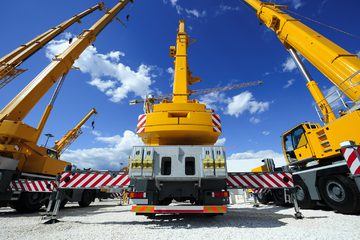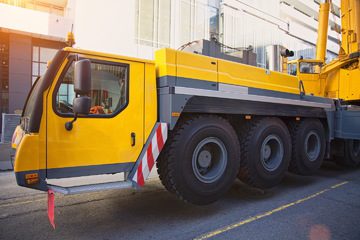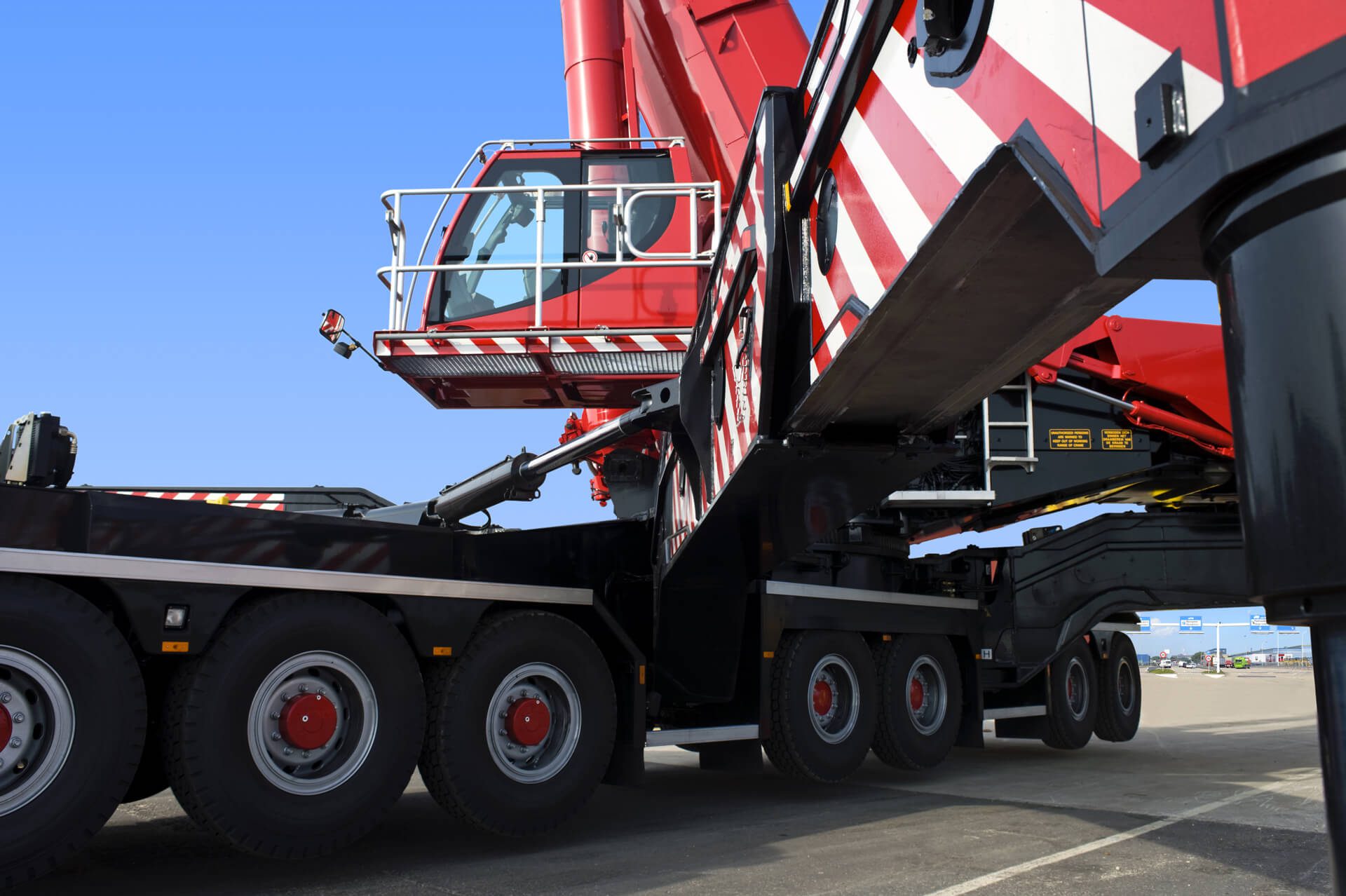
If you pause long enough at the edge of a construction site in Sydney or Melbourne, the choreography becomes apparent. Steel beams rise, concrete panels tilt into place, and above it all, a crane swings with deliberate restraint. It is easy to treat these movements as background noise to growth—a mechanical inevitability of development. But crane hire in Australia has evolved into something far more consequential. It is not just supporting construction; it is actively shaping how, where, and at what pace cities are built.
To understand modern Australian urban development, you have to look up.
A System Hidden in Plain Sight
Australia’s construction boom, driven by population growth and infrastructure investment, has placed new demands on how projects are executed. The industry is no longer simply building outward; it is building upward and inward, negotiating tighter spaces and more complex regulatory environments. In this context, crane hire has shifted from a logistical afterthought to a strategic decision.
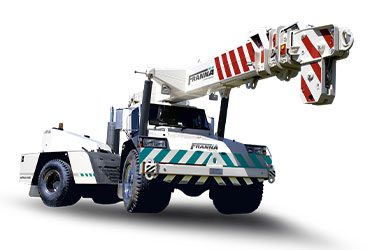
Tower crane hire has become almost synonymous with the vertical city. These cranes, often anchored deep into foundations and rising alongside the structures they help create, enable the steady, repetitive lifting required for high-rise construction. Without them, the current scale of urban density would be difficult—if not impossible—to achieve.
Yet focusing only on towering skylines risks missing a quieter transformation happening beyond the central business districts. Across regional corridors and semi-urban areas, mobile crane hire is playing a different role, one that is less visible but equally essential.
The Regional Dimension: Mobility and Reach
Consider the steady expansion of communities in New South Wales beyond metropolitan Sydney. The Southern Highlands, for example, has seen a mix of residential growth and infrastructure upgrades that require flexible construction solutions. Here, the relevance of mobile crane hire Southern Highlands becomes clear. Projects are often smaller in scale than inner-city developments, but they are more dispersed and logistically varied.
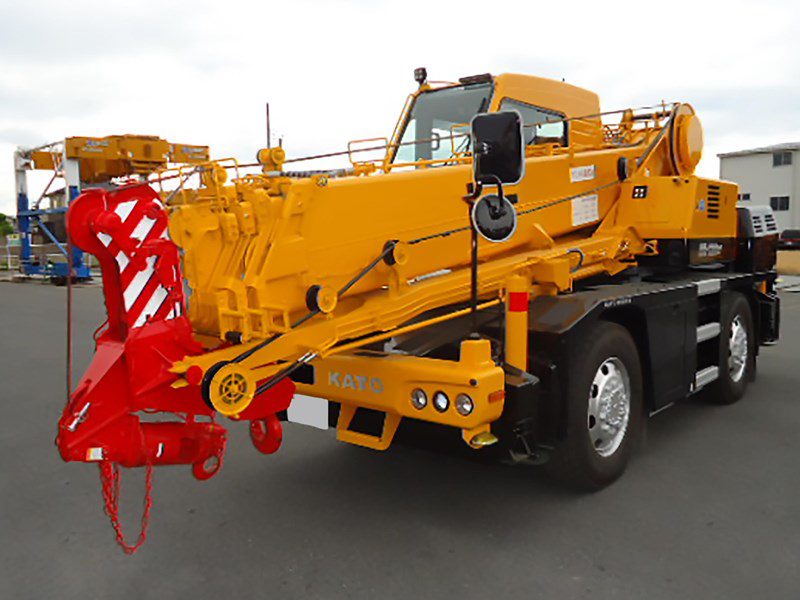
Mobile cranes, unlike their fixed counterparts, can be transported quickly between sites and set up with relative ease. This mobility allows construction teams to respond to changing demands without committing to long-term installations. In regions where development is incremental rather than concentrated, that flexibility becomes a defining advantage.
What emerges is a layered picture of growth. Major cities rely heavily on tower crane hire to sustain vertical expansion, while surrounding regions depend on mobile crane hire to knit together infrastructure and housing across wider geographies. The cranes differ, but the underlying function is the same: enabling progress where it might otherwise stall.
Building in Tight Spaces
As cities densify, space becomes not just scarce but contested. Construction sites are increasingly wedged between existing buildings, transport corridors, and public spaces. This is where luffing crane hire enters the conversation, offering a solution tailored to constraint.
Unlike traditional tower cranes with long, fixed horizontal arms, luffing cranes can raise and lower their jibs. This allows them to operate within a tighter radius, reducing the risk of oversailing neighboring properties. In dense urban environments, where legal and safety considerations often limit how far a crane can extend, this adaptability is critical.
The growing use of luffing cranes reflects a broader shift in urban construction. Projects are no longer defined solely by their engineering challenges but by their ability to coexist with the surrounding city. Noise restrictions, airspace limitations, and community expectations all shape how work is carried out. Crane selection, once a technical choice, has become a negotiation with the environment.
Infrastructure at Scale
While high-rise developments capture attention, some of the most demanding crane operations occur in large-scale infrastructure projects. Roads, rail networks, and energy facilities require the movement of heavy, often irregular components across dynamic sites. Here, mobile crane hire once again proves indispensable.
These projects rarely follow the predictable rhythms of building construction. Conditions change, timelines shift, and equipment must adapt accordingly. Mobile cranes provide the versatility needed to handle these variables, whether lifting bridge segments into place or positioning machinery in remote locations.
The distinction between crane types becomes clearer in this context. Tower crane hire excels in स्थिर, repetitive environments, where efficiency is gained through consistency. Luffing crane hire thrives in constrained urban sites, balancing reach with precision. Mobile crane hire, by contrast, is defined by its responsiveness, capable of moving where the work demands it.
Safety as a Moving Target
Behind the visible operations lies an increasingly rigorous framework of safety and regulation. Australia’s approach to crane operations has evolved significantly, shaped by both technological progress and hard-earned lessons from past incidents.
Today, crane hire is governed by a combination of national standards and state-level oversight, with strict requirements for operator certification, equipment maintenance, and site planning. These regulations are not static; they continue to adapt in response to new risks and industry pressures.
One notable shift is the emphasis on proactive risk management. Construction teams are expected to anticipate potential hazards—such as high winds, ground instability, or proximity to power lines—before they become problems. This has led to more detailed planning processes and greater reliance on data.
Modern cranes are equipped with sensors and monitoring systems that provide real-time feedback on load weights, wind speeds, and operational limits. These technologies do more than enhance safety; they change how decisions are made on site. Operators are no longer relying solely on experience and judgment but are supported by a continuous stream of information.
Technology and the Changing Nature of Work
The integration of digital tools into construction is reshaping the role of crane hire in subtle but important ways. Building Information Modeling, or BIM, allows project teams to simulate crane movements and coordinate activities before work begins. This reduces the likelihood of conflicts and improves overall efficiency.
At the same time, advances in automation and remote operation are beginning to alter the nature of crane work itself. While fully autonomous cranes remain largely experimental, elements of automation—such as assisted lifting and collision avoidance—are becoming more common. These developments point toward a future in which cranes are not just tools but intelligent systems embedded within a broader network of construction technology.
Environmental considerations are also influencing innovation. Electric and hybrid cranes are gaining attention as the industry seeks to reduce emissions and operate more quietly, particularly in urban areas where community impact is a growing concern.
Economics and the Pace of Cities
Crane hire decisions are ultimately shaped by economics as much as engineering. The choice between tower crane hire, luffing crane hire, and mobile crane hire affects not only how a project is built but how quickly it can be completed and at what cost.
In high-rise developments, the long-term presence of a tower crane can streamline operations, allowing for a steady flow of materials and reducing delays. In constrained sites, the higher cost of luffing crane hire may be offset by the ability to build in locations that would otherwise be unviable. For infrastructure and regional projects, the flexibility of mobile crane hire often translates into greater efficiency and lower overall costs.
These decisions ripple outward, influencing housing supply, infrastructure delivery, and the broader economy. In this sense, cranes are not just responding to demand; they are helping to shape it.
Looking Up, Looking Ahead
The next time you notice a crane on the skyline, it is worth considering what it represents. Not just a building in progress, but a set of choices about how space is used, how risks are managed, and how technology is applied.
In Australia, where urban growth and regional development continue to unfold simultaneously, crane hire sits at the center of this transformation. From the adaptability of mobile crane hire in places like the Southern Highlands to the precision of luffing cranes in crowded city streets, these machines are quietly determining the possibilities of the built environment.