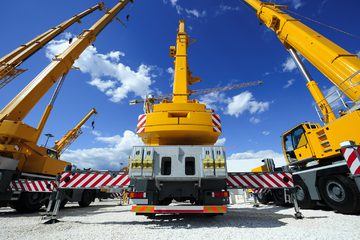
Walk through any expanding Australian city and you will notice a pattern that feels almost rhythmic. Steel rises in stages, concrete follows in measured pours, and above it all, cranes pivot with quiet certainty. They rarely draw attention for long, yet without them, the choreography of modern construction would stall almost immediately. What has changed in recent years is not simply how often cranes appear, but how central crane hire has become to the logic of building itself.
The shift is subtle but significant. Where construction companies once invested heavily in owning equipment, they now rely on flexible access to it. In that transition, mobile crane hire, tower crane hire, and luffing crane hire have evolved from logistical conveniences into strategic decisions. The type of crane selected can shape timelines, influence design, and even determine whether a project is viable at all.
Building in a More Crowded Landscape
Australia’s urban growth is increasingly defined by density. Cities like Sydney and Melbourne are building upward to accommodate population growth, while regional areas are absorbing the spillover. This dual movement—vertical expansion in cities and steady development in surrounding regions—has created a more complex construction environment.
Consider the Southern Highlands, an area once defined largely by its regional character. Today, it sits within the orbit of metropolitan growth. The rise of “tower crane hire southern highlands” is not merely a service trend; it reflects a shift in how these regions are built. Developments that might once have been low-rise and incremental are now more ambitious, requiring the kind of coordination and lifting capacity that tower cranes provide.
This is where crane hire becomes more than a practical choice. It allows developers to scale their operations without the burden of long-term ownership, adapting equipment to the specific demands of each project. In a landscape where no two sites are quite the same, that flexibility is essential.
Three Cranes, Three Contexts
To understand the role of crane hire in modern construction, it helps to think in terms of context. Different projects demand different capabilities, and each type of crane is suited to a particular set of conditions.
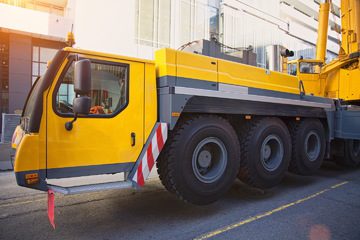
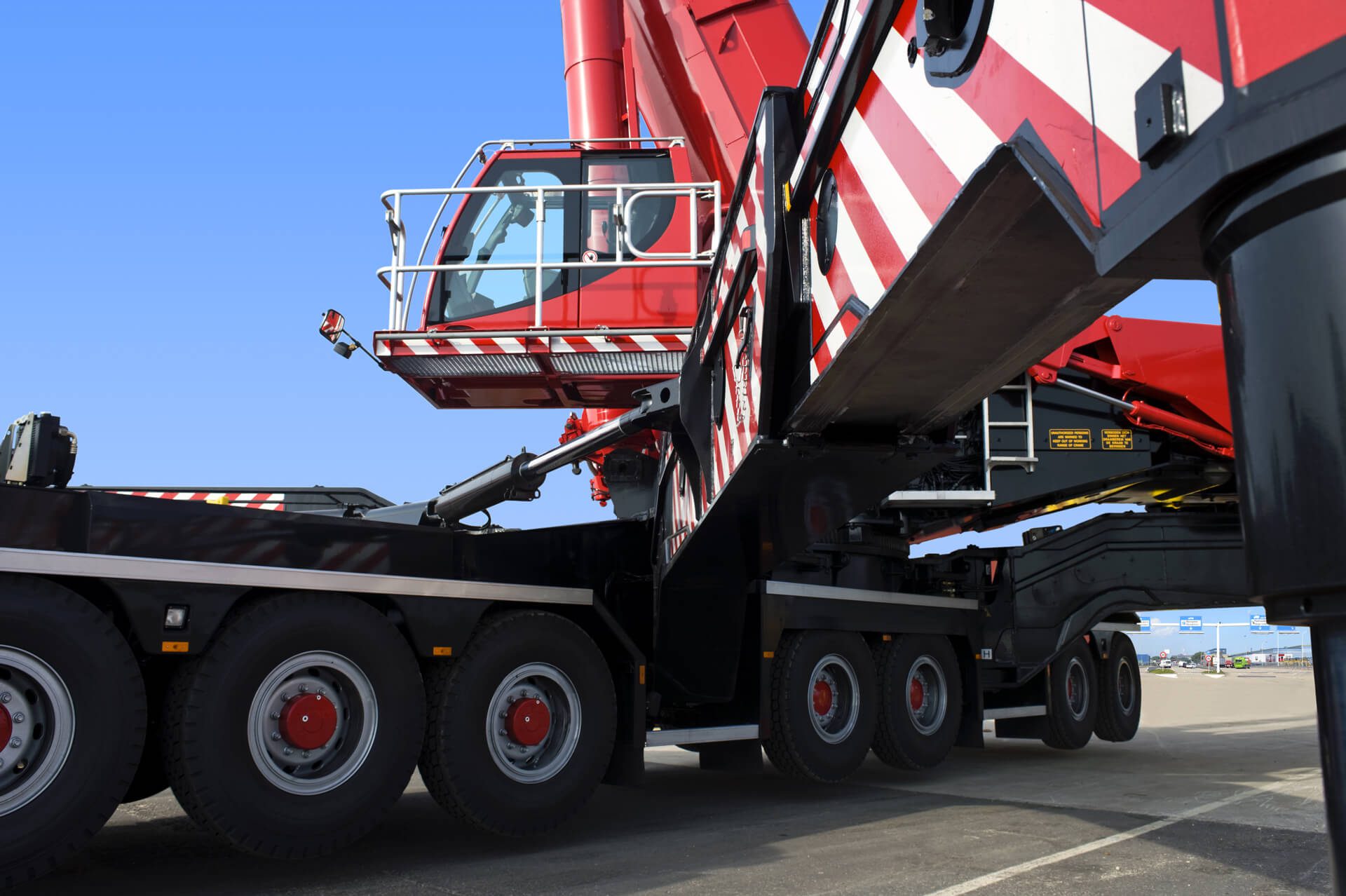
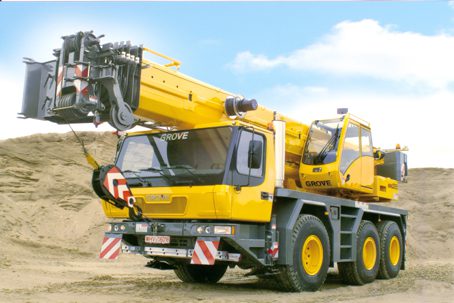
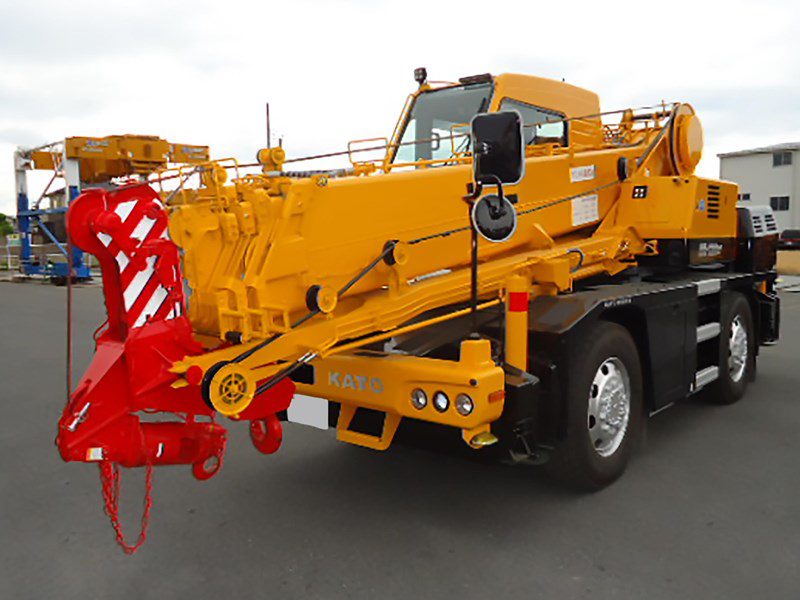
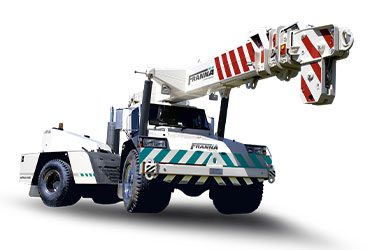
Infrastructure projects—highways, rail lines, bridges—often rely on mobile crane hire. These cranes are defined by their mobility, able to move between locations and handle a wide range of lifting tasks. Their value lies in their adaptability. On a road project stretching for kilometers, a fixed crane would be impractical. A mobile crane, by contrast, can follow the work, adjusting to changing requirements as the project evolves.
High-rise developments tell a different story. Here, tower crane hire becomes indispensable. These cranes are built for endurance, remaining in place for months or years as a structure rises around them. They provide the vertical reach and stability needed to lift heavy materials to great heights, enabling the steady progression of floors that define urban skylines.
In the tightest urban environments, however, even tower cranes can encounter limitations. This is where luffing crane hire enters the picture. With their ability to raise and lower the jib rather than sweeping it broadly, luffing cranes operate within confined spaces. They are particularly suited to dense city centers, where buildings stand close together and airspace is limited. Their precision allows construction to continue in environments that might otherwise be too constrained to build in.
Each crane type is, in effect, a response to a different challenge. Together, they form a system that allows construction to proceed across a wide range of conditions.
Planning Around the Machine
One of the more intriguing developments in recent years is how early cranes enter the planning process. It was once common to think of cranes as arriving after a project was already designed. Today, the relationship is often reversed.
Engineers and project managers increasingly plan around the capabilities of the crane. Decisions about building layout, material delivery, and construction sequencing are influenced by what the crane can do and where it can be placed. In dense urban areas, this can be the difference between a workable design and an impractical one.
This shift is particularly visible in regions like the Southern Highlands, where development must balance ambition with constraint. The use of tower cranes in such settings requires careful consideration—not just of space, but of community impact, access, and environmental factors. The crane becomes part of a broader conversation about how development fits into its surroundings.
Safety in an Era of Complexity
As cranes have become more central to construction, the expectations surrounding their use have intensified. Australia’s regulatory environment reflects this reality. Standards governing crane operation, maintenance, and operator certification are among the most rigorous globally, and they continue to evolve.
Safety is no longer viewed as a static checklist but as an ongoing process. Each lift involves a set of variables—wind conditions, load weight, proximity to structures—that must be assessed in real time. The margin for error is small, particularly in urban environments where a miscalculation can have significant consequences.
Crane hire companies are deeply embedded in this framework. Their role extends beyond providing equipment to ensuring that it is used safely and effectively. This includes training, maintenance, and support, as well as collaboration with project teams to identify and mitigate risks.
The result is a more integrated approach to safety, one that recognizes the complexity of modern construction and the need for constant vigilance.
Technology as an Invisible Partner
If safety has become more dynamic, technology has played a key role in enabling that shift. Modern cranes are equipped with systems that monitor performance in real time, providing data on everything from load weights to environmental conditions. This information allows operators to make more informed decisions, reducing risk and improving efficiency.
Simulation has also transformed the planning process. Before a crane is ever installed, its movements can be modeled digitally, allowing teams to anticipate challenges and refine their approach. In tight urban environments, where luffing crane hire is often necessary, this capability can be decisive.
Automation, while still emerging, is beginning to influence operations as well. Features that assist with positioning and load control are reducing the physical demands on operators, allowing them to focus on oversight and decision-making. The human element remains central, but it is increasingly supported by sophisticated tools.
Pressures Beyond Construction
The evolution of crane hire is not occurring in isolation. It is shaped by broader forces, including economic uncertainty, supply chain disruptions, and the growing emphasis on sustainability. Construction projects are under pressure to deliver not just on time and budget, but with reduced environmental impact.
This has implications for crane technology. Electric and hybrid models are beginning to appear, offering lower emissions and quieter operation. While adoption is still limited, the direction of travel is clear. As environmental standards tighten, these considerations will become more prominent in equipment selection.
At the same time, the industry faces a challenge that is less visible but equally significant: the need for skilled labor. Operating a modern crane requires a blend of technical knowledge and situational awareness, and the pool of qualified operators must keep pace with demand. Training and education are becoming critical components of the industry’s future.
A Subtle Influence on the Shape of Cities
It is easy to think of cranes as background elements in the story of urban development, but their influence runs deeper than that. They shape not just how buildings are constructed, but how projects are conceived and executed.
The choice between mobile crane hire, tower crane hire, and luffing crane hire reflects a set of priorities—mobility, stability, precision—that align with the broader goals of a project. In this way, crane hire becomes a lens through which to understand the changing nature of construction in Australia.
As cities grow denser and regions like the Southern Highlands become more integrated into the urban fabric, the role of cranes will only become more pronounced. They are, in a sense, the intermediaries between vision and reality, translating plans into structures that define the places we live and work.
Look up at a crane, and it may still appear as a simple machine. But in the context of modern construction, it represents something more complex: a system of decisions, constraints, and possibilities that is quietly shaping the future of Australia’s built environment.