Stand on the edge of any major Australian city—Sydney, Melbourne, Brisbane—and the skyline tells a familiar story. Steel frames rise in stages, concrete cores inch upward, and above it all, cranes trace slow arcs across the sky. These machines are so embedded in the visual language of development that they often fade into the background. Yet behind their steady motion lies a more complex narrative about how cities grow, adapt, and negotiate the pressures of modern life.
The evolving role of crane hire in Australia is less about machinery and more about coordination—between land scarcity and ambition, between regulation and innovation, and between the physical limits of construction and the expectations of a rapidly urbanising population.
A Shift from Expansion to Intensification
For much of the twentieth century, Australian cities expanded outward. Land was comparatively abundant, and construction followed a horizontal logic. That pattern has shifted. Today, urban development is increasingly defined by density rather than sprawl. The reasons are familiar: population growth, housing shortages, infrastructure demands, and a renewed focus on sustainability.
In this environment, the function of crane hire—whether mobile crane hire or tower crane hire—has become more specialised and, in many ways, more consequential. Construction sites are no longer open expanses but constrained, highly managed environments where every movement must be calculated.
This is particularly evident in western Sydney, where infrastructure investment and residential growth have accelerated simultaneously. Here, the rise of luffing crane hire western Sydney reflects a broader transformation. These cranes, with their compact slewing radius and ability to operate in tight airspace, are not just tools; they are responses to the physical and regulatory realities of dense urban construction.
Understanding the Machines Behind the Skyline
To understand why crane hire matters, it helps to distinguish between the different types of cranes and the roles they play.
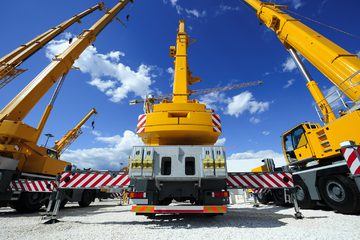
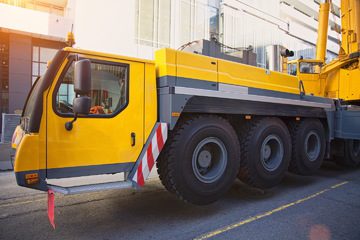
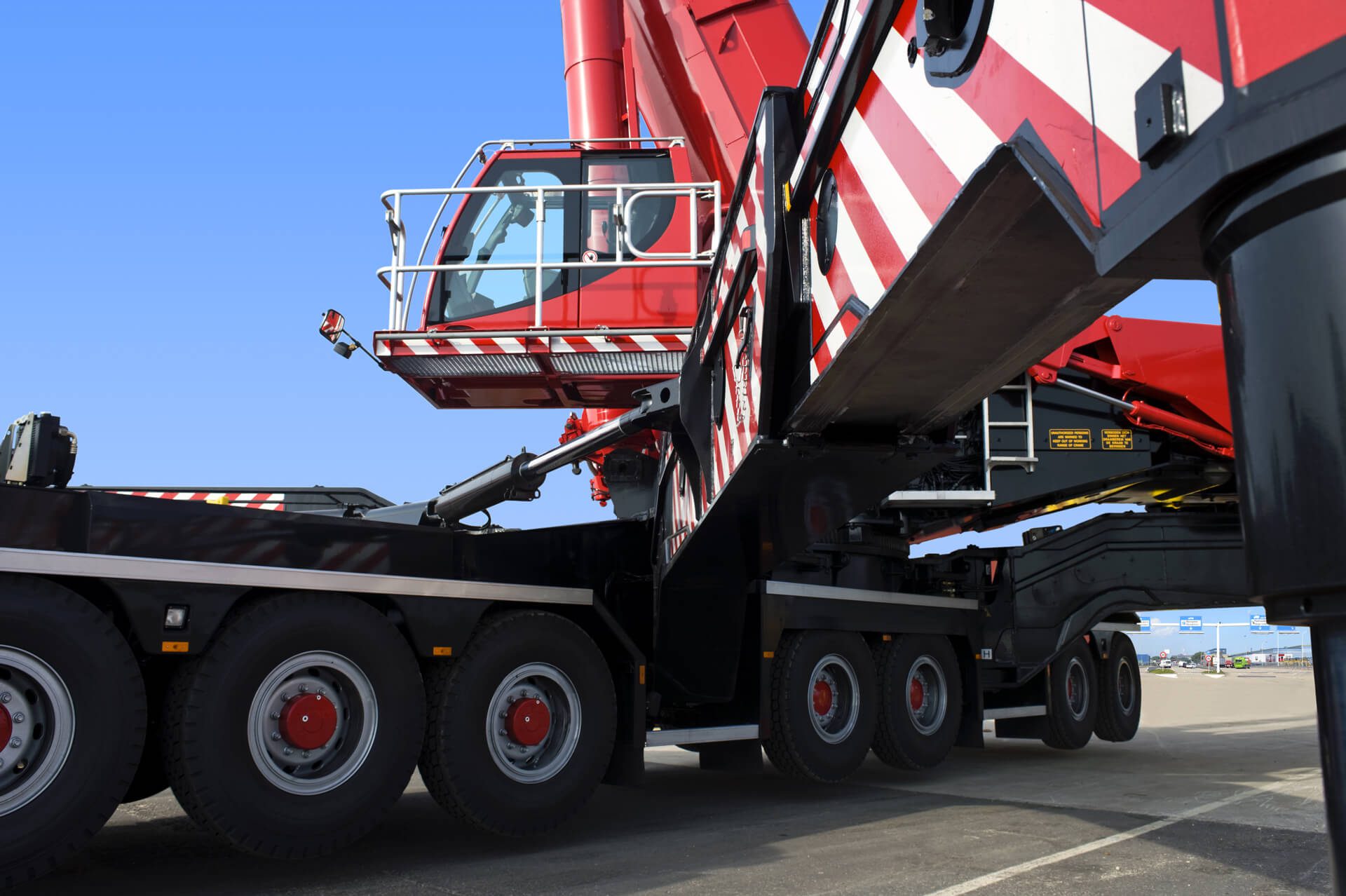
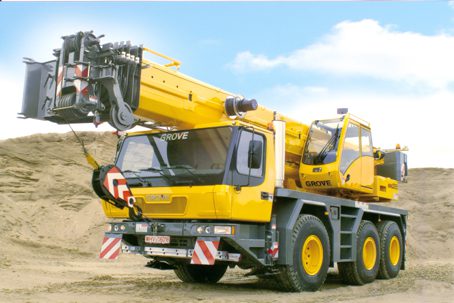
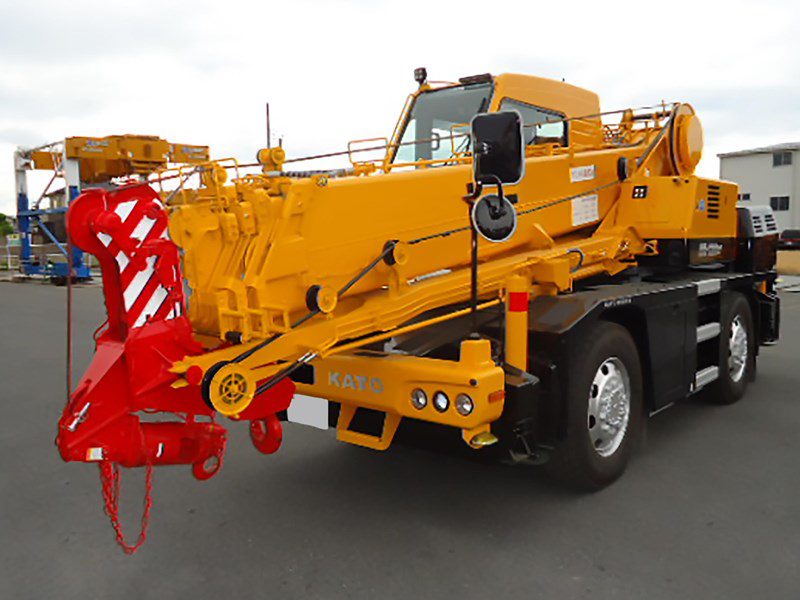
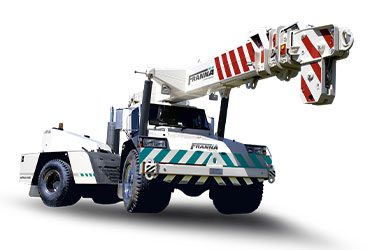
Mobile crane hire remains one of the most versatile options in construction. These cranes, mounted on trucks or crawlers, are designed for flexibility. They arrive on-site ready to operate, making them indispensable for short-term tasks—lifting heavy materials, installing infrastructure components, or supporting projects that do not justify a permanent crane installation. Their mobility is their defining feature, allowing them to move between sites with relative ease.
Tower crane hire, by contrast, represents permanence and scale. These cranes are assembled on-site and remain for the duration of a project, often months or years. They are the backbone of high-rise construction, capable of lifting heavy loads to significant heights with precision. In cities where vertical growth defines the skyline, tower cranes are less an option than a necessity.
Then there are luffing cranes, a variation of tower cranes designed for environments where space is constrained. Unlike traditional tower cranes with long horizontal jibs, luffing cranes can raise and lower their jib, allowing them to operate within a smaller footprint. This makes them particularly suited to inner-city developments, where multiple cranes may operate in close proximity and airspace is tightly regulated.
The growing reliance on luffing crane hire in western Sydney underscores how construction is adapting to density. It is not simply about building higher but about building smarter—within tighter boundaries and under closer scrutiny.
The Pressure of Proximity
Urban density introduces a new set of challenges. Construction sites are often surrounded by existing buildings, active roads, and public infrastructure. Noise restrictions, safety zones, and logistical constraints all shape how work can proceed.
In such conditions, the choice of crane becomes a strategic decision. A mobile crane might be used for quick, targeted lifts where access is limited. A tower crane might anchor a large-scale development, providing consistent lifting capacity over time. A luffing crane might be selected specifically to avoid oversailing neighbouring properties—a requirement that has become increasingly common in densely populated areas.
These decisions are not made in isolation. They are influenced by planning regulations, engineering requirements, and community expectations. In many cases, the type of crane used can determine whether a project is feasible at all.
Safety as a Moving Target
As crane operations become more complex, so too do the expectations around safety. Australia’s regulatory framework has evolved significantly over the past few decades, shaped by both technological advancement and lessons learned from past incidents.
Today, crane operations are governed by a combination of national standards, state regulations, and site-specific safety plans. Operators must be licensed, equipment must be regularly inspected, and lifting operations must be carefully planned and documented.
But safety is not static. It is a moving target, influenced by new technologies and changing conditions. The introduction of digital monitoring systems, for example, has transformed how cranes are operated and maintained. Sensors can track load weights, wind speeds, and structural stress in real time, providing operators with data that was once unavailable.
This shift toward data-driven safety is particularly relevant in high-density environments, where the margin for error is minimal. In such settings, the integration of technology into crane hire is not just an enhancement; it is a necessity.
Technology and the Quiet Transformation of Work
Beyond safety, technology is reshaping the day-to-day realities of crane operations. Remote monitoring, automated controls, and advanced simulation tools are becoming increasingly common, allowing for more precise planning and execution.
For instance, digital modelling can now simulate crane movements before they occur, identifying potential conflicts and optimising lift sequences. This is especially valuable in complex projects where multiple cranes operate simultaneously.
There is also a growing emphasis on sustainability. Electric and hybrid crane models are beginning to appear, reflecting broader efforts to reduce the environmental impact of construction. While these technologies are still emerging, they point to a future in which crane hire is not only about capability but also about responsibility.
The Human Element
Amid all this technological change, it is easy to overlook the human dimension. Crane operators, riggers, and site managers remain central to the process. Their expertise, judgment, and coordination are what ultimately translate plans into reality.
In Australia, the demand for skilled labour in the construction sector has been a persistent challenge. As projects become more complex, the need for experienced operators who can navigate both technical and regulatory requirements has only increased.
Training and certification programs have expanded in response, but the pace of development often outstrips the supply of skilled workers. This creates a tension within the industry—between the drive for innovation and the practical realities of workforce capacity.
A Reflection of Broader Change
In many ways, the story of crane hire is a reflection of broader changes in Australian society. It speaks to how cities are evolving, how infrastructure is prioritised, and how industries adapt to new constraints.
The increasing prominence of mobile crane hire, tower crane hire, and luffing crane hire is not merely a technical development. It is an indicator of shifting priorities—toward density, efficiency, and precision.
Western Sydney, with its blend of large-scale infrastructure projects and rapidly growing communities, offers a particularly vivid example. The rise of luffing crane hire in this region is not just about accommodating tight spaces; it is about enabling a different kind of urban growth—one that balances expansion with restraint.
Looking Ahead
As Australia continues to urbanise, the role of crane hire will likely become even more nuanced. Projects will grow more complex, regulations more stringent, and expectations higher. The industry will need to navigate these pressures while embracing new technologies and maintaining rigorous safety standards.
What remains constant is the central role of cranes in shaping the built environment. They are, in a sense, the intermediaries between vision and reality—translating architectural ambition into physical form.
The next time you look up at a crane on the skyline, it may still seem like a familiar sight. But behind that familiarity lies a system in motion, quietly adapting to the demands of a changing world.